

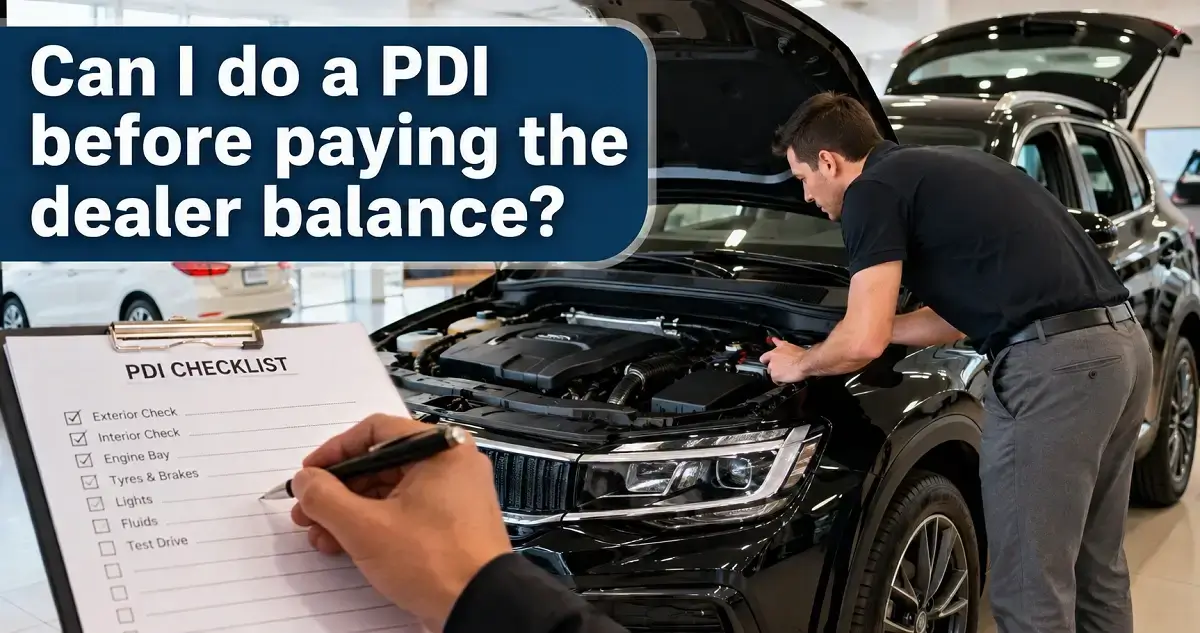
Yes, you can generally do a PDI before paying the dealer balance, and it is one of the smartest steps you can take before taking delivery of a new car. A Pre-Delivery Inspection (PDI) lets you check the vehicle’s condition, equipment, documents, and promised accessories before you complete the final payment and delivery process.
A proper PDI is especially important because once you make the final payment and accept delivery, resolving issues such as scratches, dents, missing accessories, incorrect variants, or damaged components can become more complicated. From an ownership perspective, you should treat the PDI as your final opportunity to verify that the car you are receiving matches what you ordered and what the dealer promised.
What Is a PDI Before Paying the Dealer Balance?
A PDI before paying the dealer balance means inspecting your vehicle before making the outstanding payment or completing the final delivery formalities. Ideally, you should ask the dealer to make the vehicle available for inspection in good lighting and before registration or final handover, where practical.
During the inspection, check:
- Exterior paint, panels, bumpers, glass, and lights
- Tyres, wheels, and visible signs of damage
- Interior seats, dashboard, upholstery, and trim
- Infotainment system, cameras, sensors, and controls
- Air conditioning, windows, locks, and other electrical functions
- Odometer reading and vehicle identification number (VIN)
- Spare wheel, toolkit, manuals, and promised accessories
- Fuel/charge level and delivery commitments
Why Should You Do a PDI Before Making the Final Payment?
The biggest advantage is leverage. If you discover a genuine issue before completing the transaction, you can ask the dealer to correct it or clarify the situation before you proceed.
A practical PDI before paying the dealer balance can help you identify:
- Cosmetic damage – scratches, dents, paint imperfections, or cracked glass.
- Incorrect vehicle details – verify the VIN, variant, colour, and model year against your booking documents.
- Missing equipment – confirm that the standard and promised accessories are present.
- Unexpected mileage – ask the dealer to explain unusually high odometer readings.
- Functional problems – test electronics, lights, AC, infotainment, cameras, and other accessible features.
Can a Dealer Refuse a PDI Before Payment?
Dealer procedures can vary, so you should confirm the inspection process with the dealership before delivery day. If a dealer restricts inspection until after payment, ask for a clear explanation and request an opportunity to inspect the actual vehicle before accepting delivery.
You should avoid relying only on photographs or a sales representative’s verbal assurance. Inspect the exact vehicle assigned to you.
What Should You Do If You Find a Problem During PDI?
Do not rush to complete payment or accept delivery. Document the issue with clear photographs or video and ask the dealer to record it in writing.
Depending on the severity of the problem, you can request:
- Correction or replacement of the affected part
- Confirmation that the issue will be resolved before delivery
- A written explanation from the dealership
- Another inspection after the correction
- Escalation to the dealership management if necessary
Why You Must Insist on a PDI Before Paying the Dealer Balance
When you negotiate from a position of informed control, dealers respect your boundaries. If a sales executive claims you cannot inspect the car prior to full settlement, here is the operational reality you need to know:
- Invoicing Locks the Chassis to Your Name: Once the dealer issues the tax invoice and registers the chassis number with the licensing authority, that specific car belongs to you—defects, dents, and all.
- Transit Damage Is More Common Than You Think: Approximately 3% to 5% of new cars suffer minor cosmetic or underbody scrapes during carrier loading and unloading. A pre-payment inspection forces the dealership to rectify issues on their dime—not your insurance policy.
- Financial Leverage Guarantees Dealer Accountability: As long as the dealer balance remains in your bank account, dealership managers will bend over backward to address misaligned panels, software glitches, or missing accessories.
Pre-Payment PDI vs. Post-Payment PDI: Your Leverage Compared
| Inspection Stage | Buyer Bargaining Leverage | Defect Rectification | Replacement Possibility |
| PDI Before Paying Dealer Balance | 100% (Maximum) | Dealer fixes flaws immediately before claiming payment | Effortless; you can reject the vehicle allocation on the spot |
| PDI After Full Payment / Registration | 0% (Near Zero) | Subject to slow, bureaucratic manufacturer warranty claims | Almost impossible; requires lengthy consumer disputes |
Final PDI Checklist Before Paying the Dealer Balance
Use this quick checklist before you hand over the remaining money:
- VIN/chassis number verified
- Correct model, variant, colour, and specification
- Exterior inspected in good lighting
- No obvious dents, scratches, or paint defects
- Tyres and wheels checked
- Glass, lights, mirrors, and wipers checked
- Interior and upholstery inspected
- Infotainment and electrical functions tested
- AC/heating and controls checked
- Instrument cluster checked for warning messages
- Odometer reading recorded
- Accessories and promised equipment verified
- Documents and invoice details checked
- Any identified defects documented before acceptance
Final Verdict
Yes. A PDI before paying the dealer balance is a sensible precaution. Inspect the exact car, verify its identity and condition, test key features, and confirm that the promised equipment is included. If you find a significant discrepancy, pause the final payment and ask the dealer to resolve or formally address it before you accept the vehicle.
The safest approach is simple: inspect first, document what you find, resolve significant issues, and then complete the payment and delivery process.

Rate This Article
Be the first to rate this article
Thanks for rating!
All Car Brands
View all brands →










More Updates
Handpicked Accessories for Every Journey
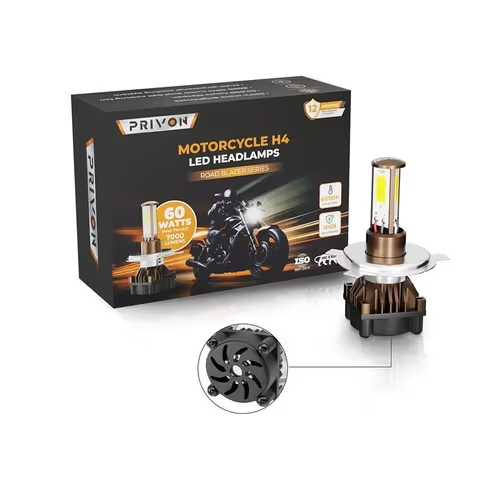
PRIVON 60W H4 LED Headlight for Bike – 7000L, 6000K White LED Light for Night Ride
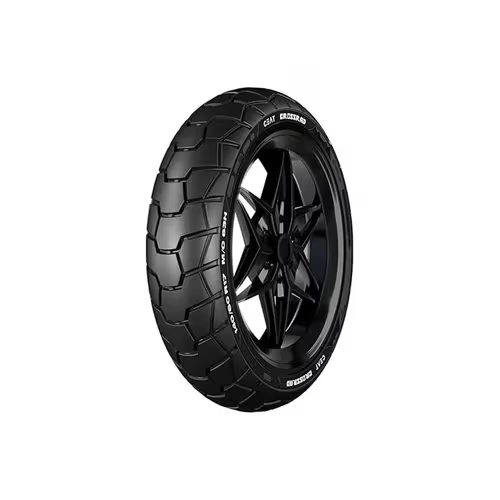
Ceat Zoom Rad 140/60 R17 63P Tubeless Bike Tyre
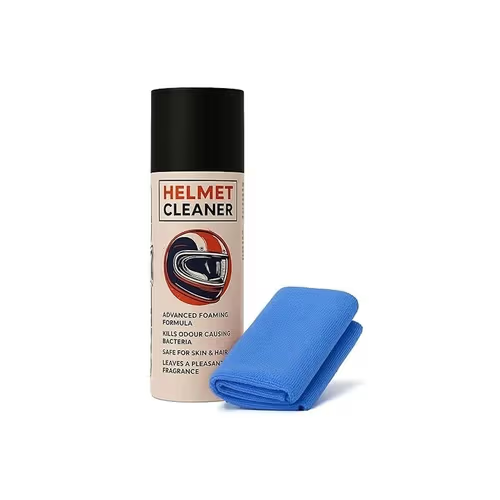
ShineXPro Helmet Cleaner & Microfiber Cloth – Anti Bacterial Foaming Helmet Cleaning Spray
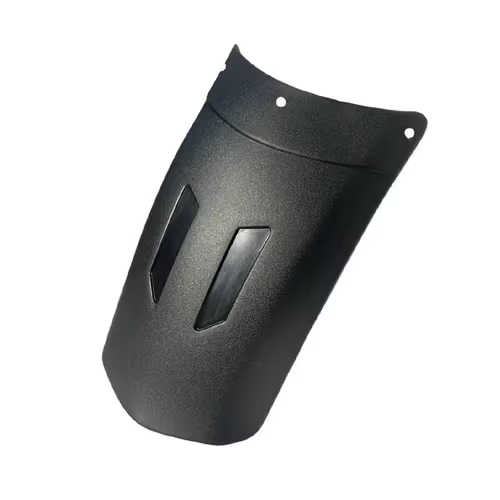
Universal Front Fender Mudguard Extender Extension Fits for Motorcycle

Boldfit Full Face Helmet Mask for Bikers in Riding UV Protected
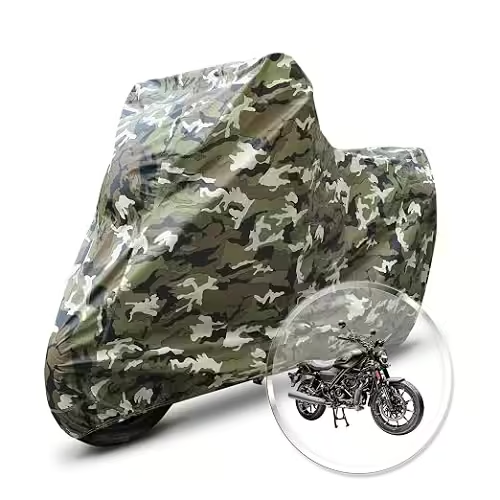
Neodrift JungleMax Bike Cover for Harley-Davidson X440
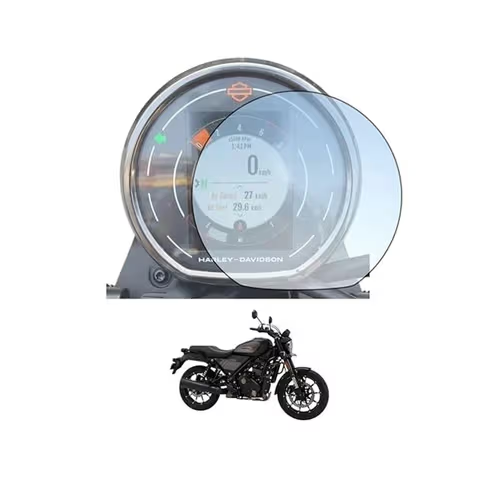
Wisely Pack 2 Screen Guard for Harley Davidson X440T Bike – Instrument Cluster Accessories
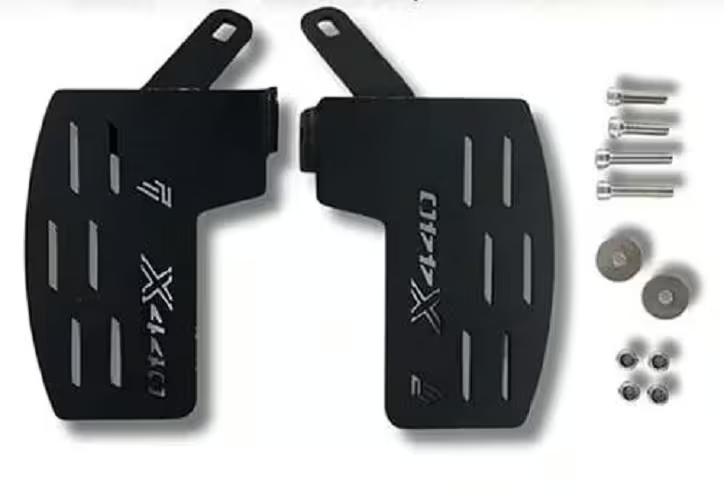
PHANTOM Premium Adjustable Footrest for Harley – Motorcycle Accessory for Touring & City Riding
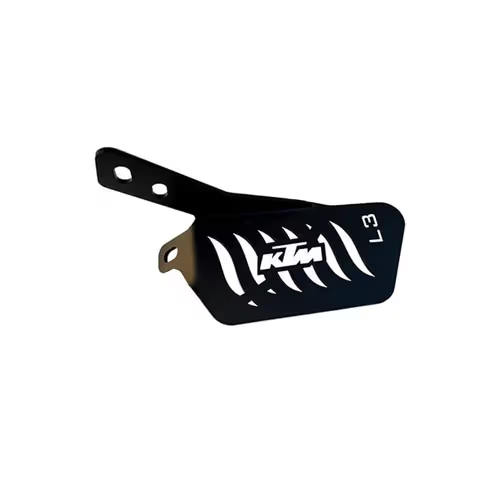
L3 MODZ Ladies Foot Rest for KTM Duke (BS6 Gen2) Models
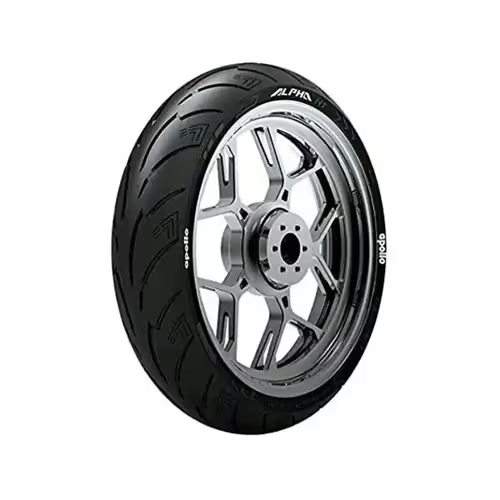
Apollo Alpha S1 130/70 R17 62H Radial Tubeless Bike Tyre
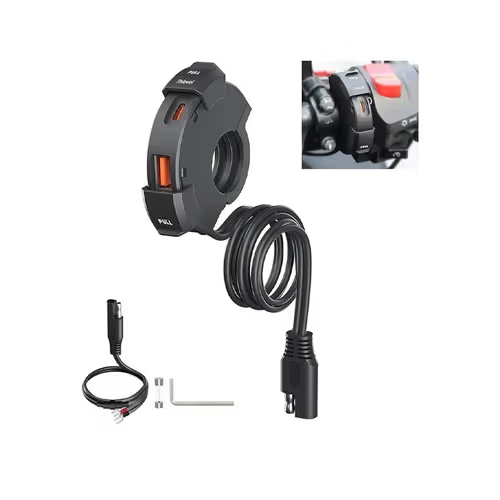
30W Motorcycle Type-C USB Phone Charger with PD & Quick Charge
ELTRON TURBO Turn Signal Indicator Lights Compatible for KTM
Steelbird SBA 7 7Wings Flip-Up Helmet for Men with Skull Cap
Vega Atom Open Face Helmet with Clear Visor, Black
Steelbird SBH-23 Brutal Open Face Helmet with Skull Cap
Axor X Cross Dual Visor Full Face Off-Road Helmet – Dull Black Orange
Probiker Protective Full Finger Bike Riding Gloves – Motorcycle, Cycling, and Hiking
XTRIM Protekt Universal Bike Riding Gloves for Men – Black, Red
Rynox Air GT Leather Motorcycle Riding Gloves – Cuff Length | Grey Red
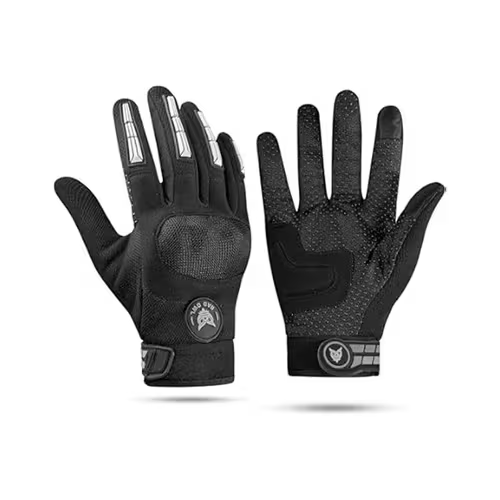
BADOWL RYDON Knuckle Protection Riding Gloves – Touchscreen Sports Gloves
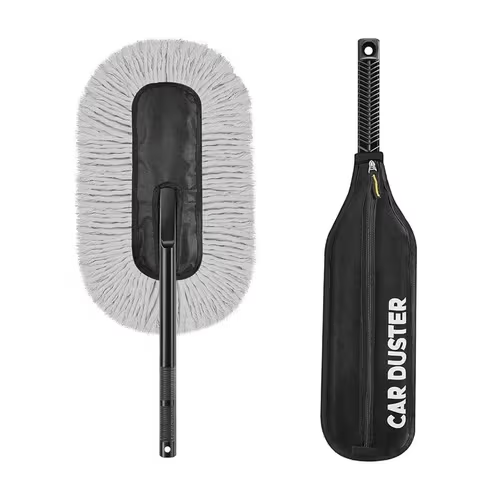
Microfiber Car Duster with Long Handle Cleaning Brush
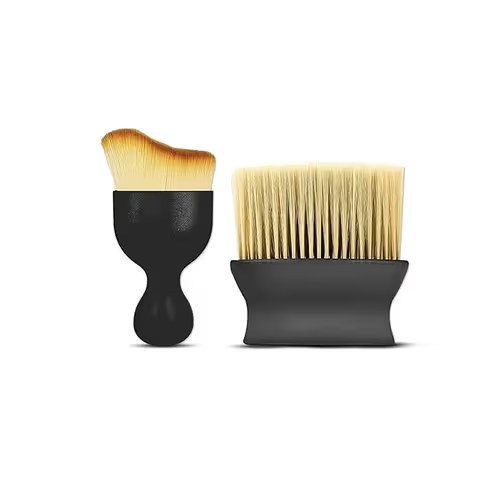
Robustt Car Interior Cleaning Brush Combo – Scratch Free Car Duster
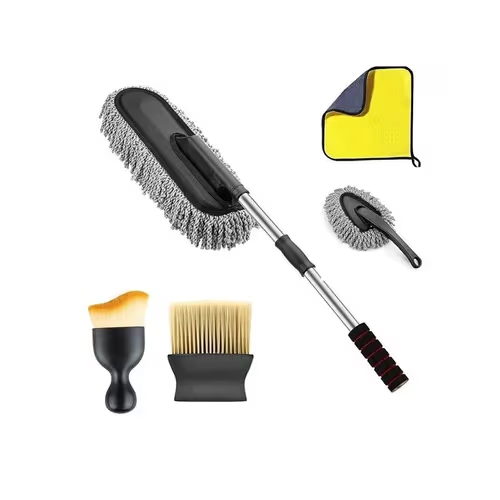
ORJILO 5-Piece Microfiber Car Duster Kit – Extendable Long Handle Duster for Car
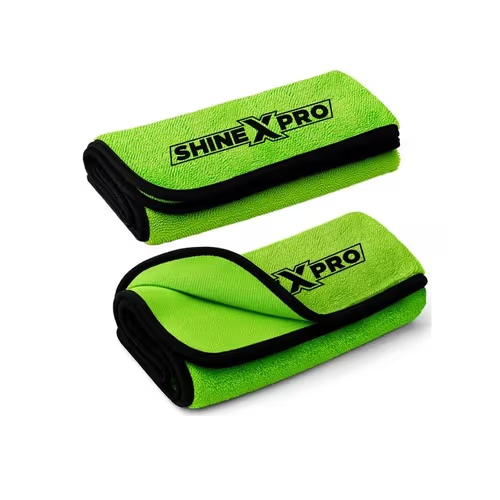
ShineXPro Microfiber Car Cleaning Cloth (500 GSM, Extra Large (35×75 CM))
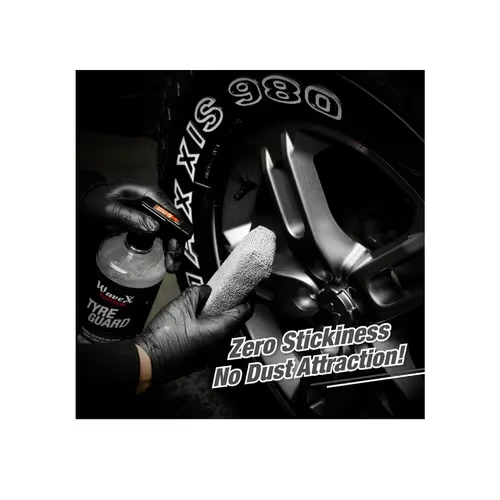
Wavex Tyre Polish for Car & Bike (1L) – With Applicator and Microfiber Cloth

ShineXPro Glass Cleaner Spray (300 ml) – Streak Free Car Glass Cleaner Liquid
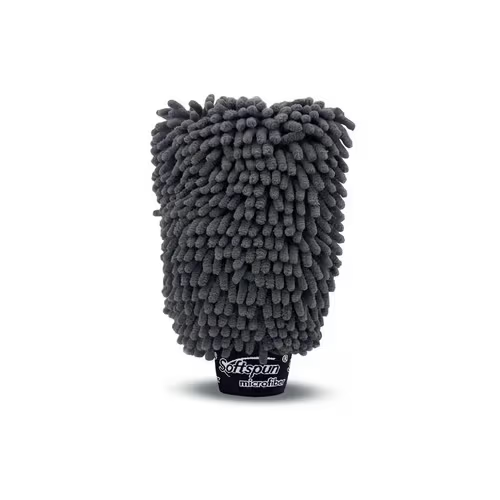
SOFTSPUN Microfiber Chenille Wash Mitt (1700 GSM)
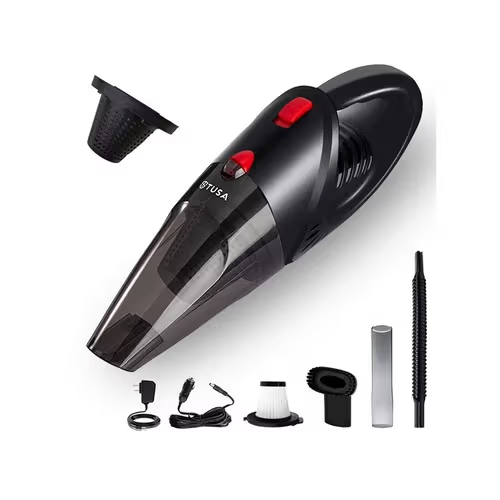
Tusa V1 Cordless Vacuum Cleaner for Car – High Power Portable Lightweight Wireless Vacuum

SOFTSPUN Microfiber Cloth (40×40 cm, 340 GSM) – Automotive Microfibre Towels for Car
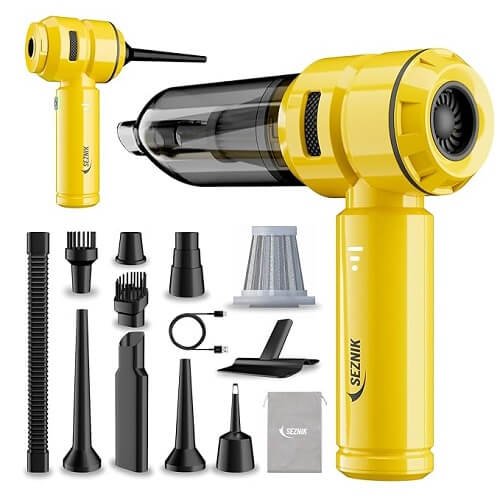
SEZNIK 4-in-1 Cordless Vacuum Cleaner & Blower
GOODAIR Royal Premium Non-Electric Car Air Purifier
Portronics 38W Dual Output Fast Car Charger with 20W Type-C PD & 18W USB with Cars for iPhone
AutoBizarre High Gloss Carbon Fibre Paint Protection For Car
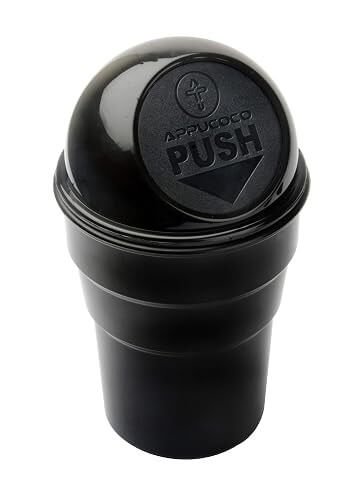
APPUCOCO Mini Car Trash Bin – Black
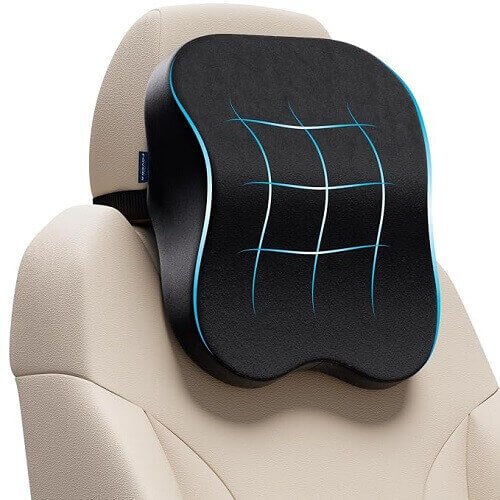
FOVERA Memory Foam Car Neck Rest Pillow – Medium, Black
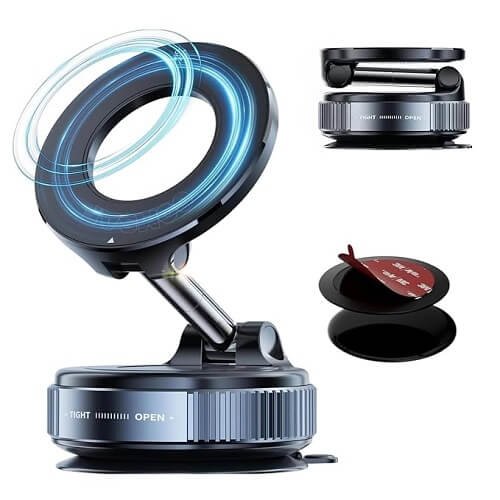
360° Vacuum Magnetic Car Phone Mount – Strong Suction Cup Phone Holder for Car
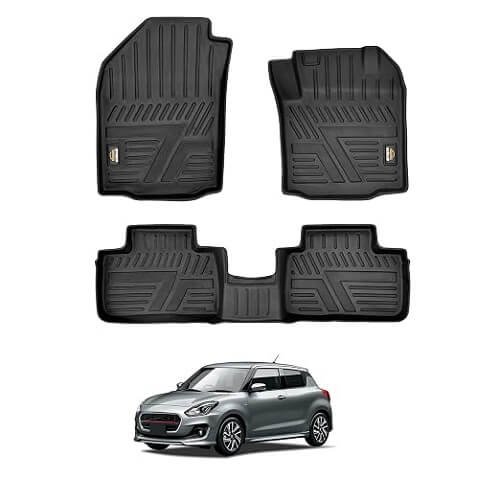
Amazon Basics 5D Custom Fit Car Floor Mats for Swift Facelift
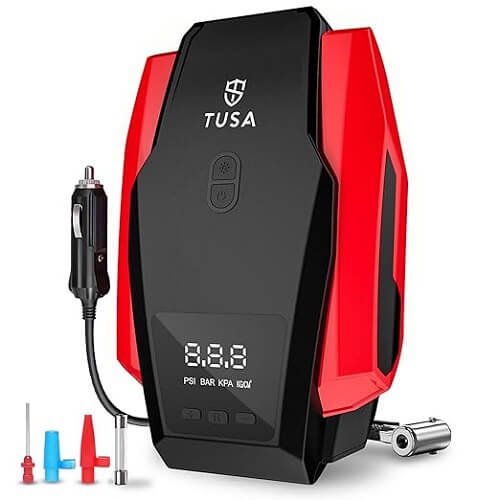
TUSA Drive X 12V DC Portable Tyre Inflator – 150 PSI, Air Compressor
![Qubo Dashcam Pro 4K [2026 Edition] – Dual Channel | ADAS | Ultra-Wide 8MP UHD+ Front, 2MP FHD Rear](https://neudeals.co/wp-content/uploads/2026/09/Qubo-Dashcam-Pro-4K-Sensor.jpg)
Qubo Dashcam Pro 4K [2026 Edition] – Dual Channel | ADAS | Ultra-Wide 8MP UHD+ Front, 2MP FHD Rear
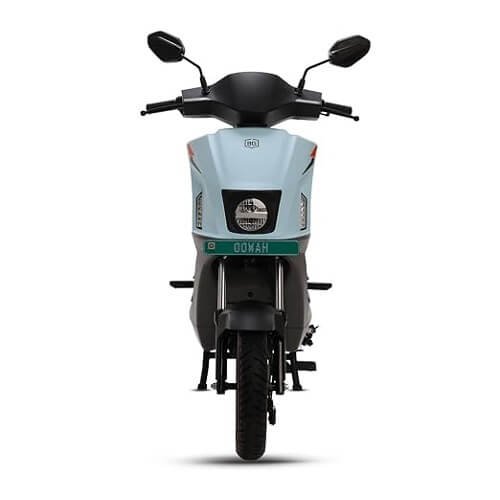
Oowah EX Electric Scooter – Removable Lithium-ion Battery , Laguna Blue
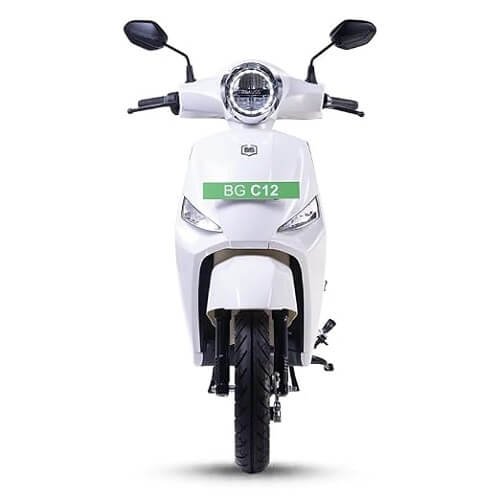
BG C12i EX Gen 2 Electric Scooter – Removable 2.0 kWh LFP Battery, 60 km/h Top Speed
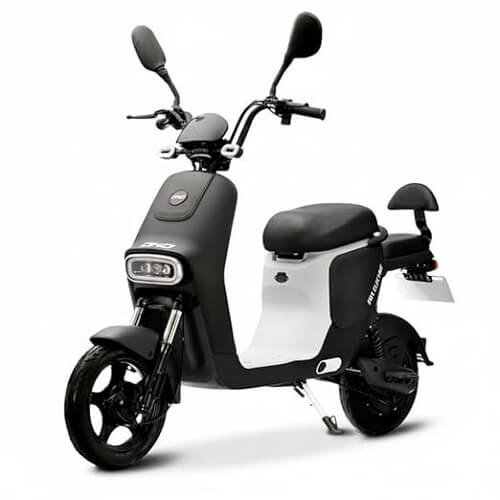
EOX OKO Electric Scooter – Removable Lithium Battery, 40-50 km Long-Range
EOX OLO Low Speed Electric Scooter – 45Km Mileage, Pastel Yellow & Black
EOX E2 Low Speed Electric Scooter – 60-70Km Range, Portable Lithium Battery
Okinawa Praise PRO Electric Scooter – Li-Ion Battery
EOX® ROX Electric Scooter – 48V Removable Lithium Battery, 50-60 km Long-Range
MIOOX Electric Scooter – 51.8V 28AH Range 55-65km Front Disc
AMO Low Speed Electric Scooter – 60-70 Km Range in Grey
AMO Jaunty 3W Low-Speed Electric Scooter – Blue and Black
Bajaj Chetak C2501 Electric Scooter – Glossy Active Black
Bajaj Chetak C3501 Electric Scooter – Brooklyn Black
Royal Enfield Classic 350 with Disc & Alloy Wheels Motorcycle – Stealth Black
Royal Enfield Bullet 350 Disc & Spoke Wheel Motorcycle – Battalion Black
Royal Enfield Hunter 350 with Disc & Alloy Wheels Motorcycle – Dapper Grey
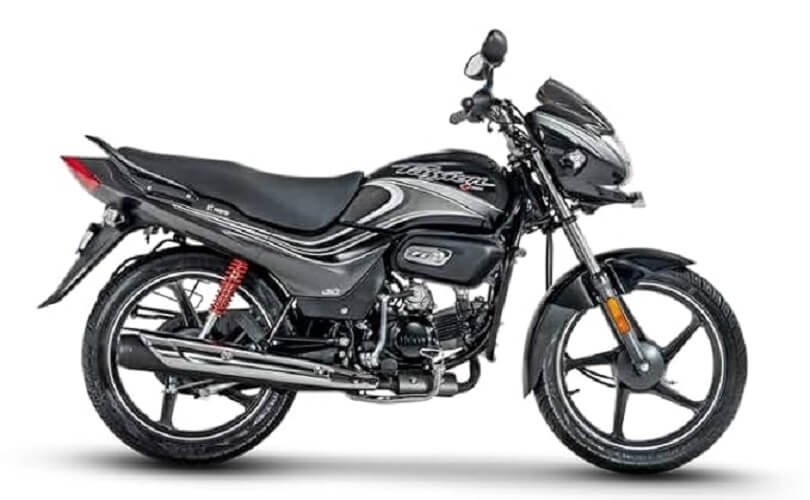
Hero MotoCorp Passion+ i3S Drum – Black Heavy Grey
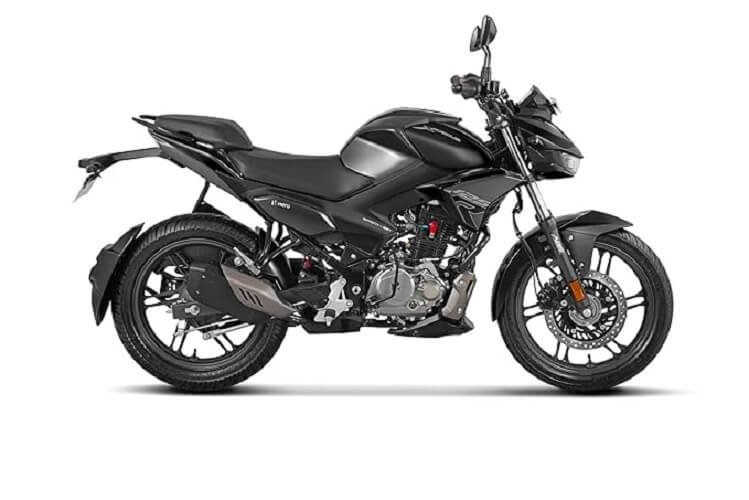
Hero MotoCorp XTREME 125R Bike(ABS) – Stallion Black
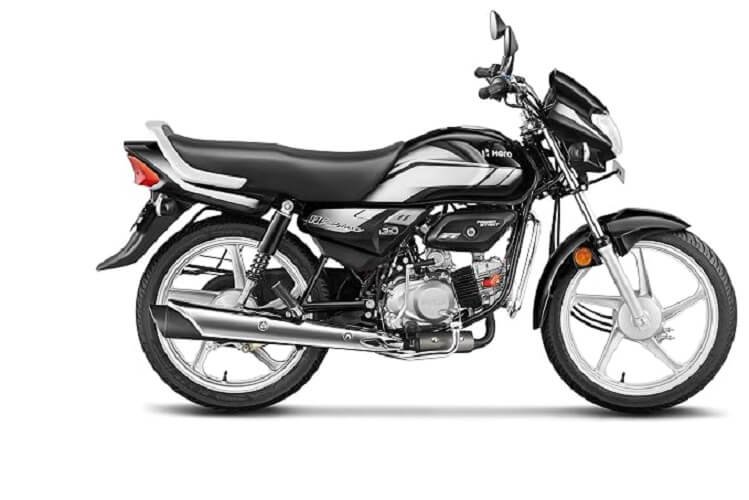
Hero MotoCorp HF Deluxe Drum – Black Grey
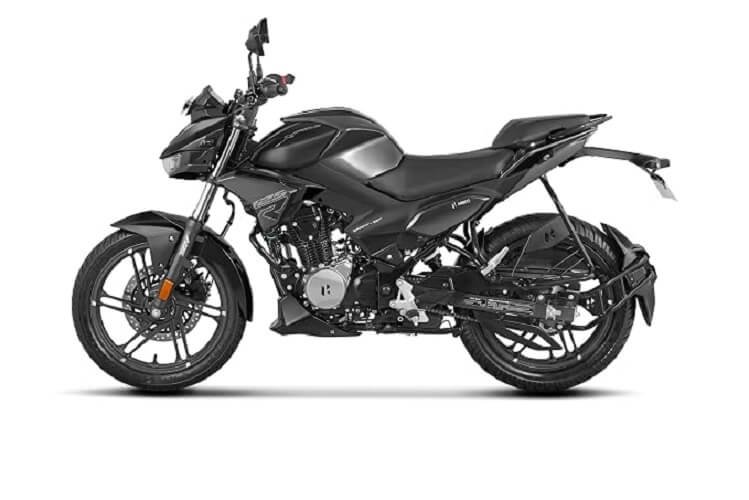
Hero MotoCorp XTREME 125R FI ABS SEAT DS (OBD2B) Motorcycles – Black
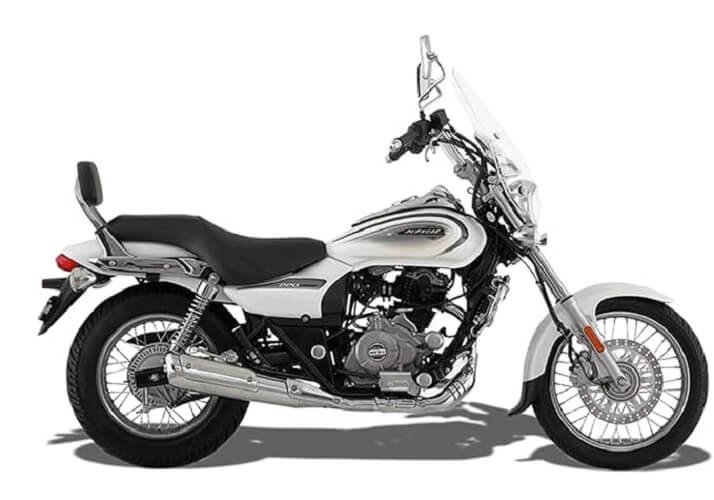
Bajaj Avenger 220 Cruise Motorcycle – Moon White
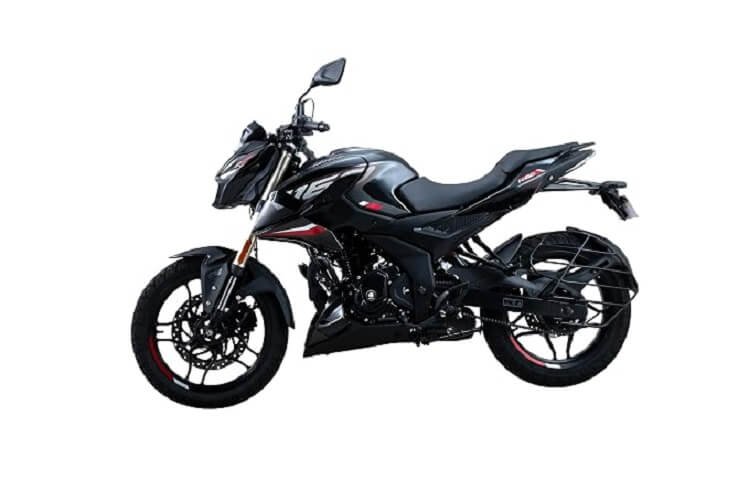
Bajaj Pulsar N 160 Ug Motorcycle – Brooklyn Black
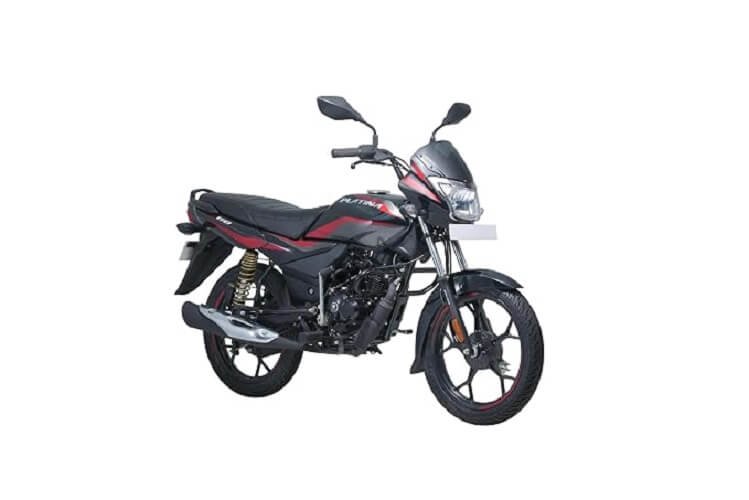
Bajaj Platina 110 Es Drum Motorcycle – Black Red
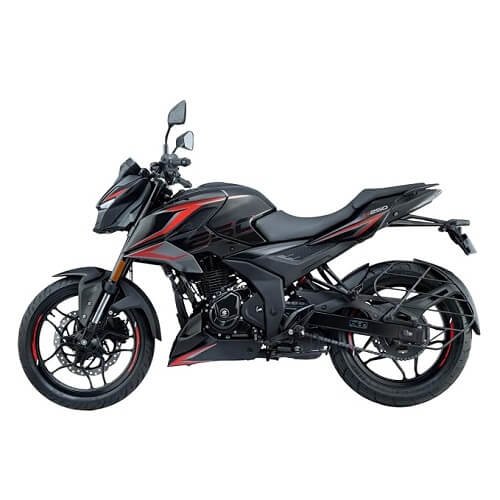
Bajaj Pulsar N 250 Ug Motorcycle – Brooklyn Black
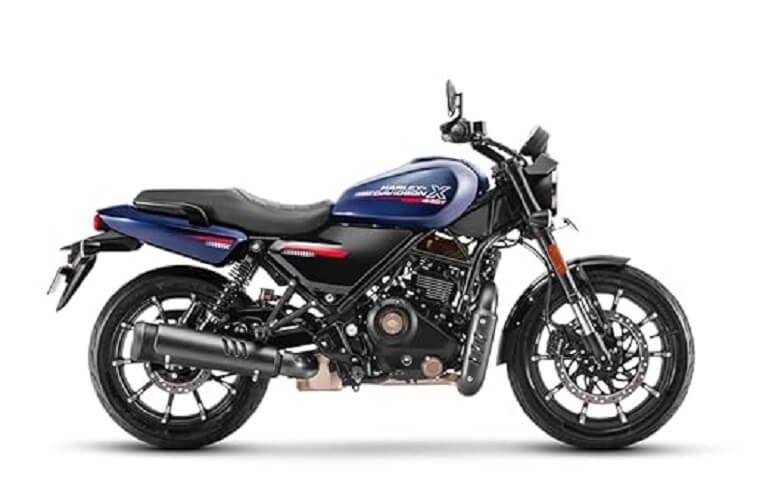
Harley Davidson X440 T 440cc Motorcycle – Pearl Blue
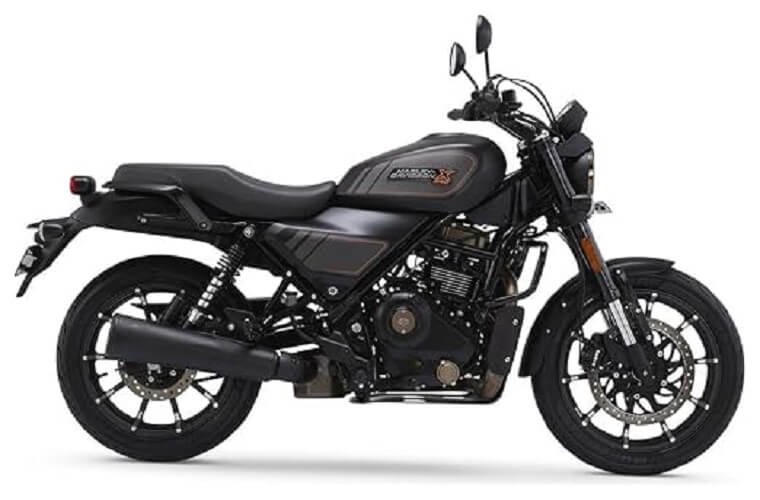
Harley Davidson X440 S 440cc Motorcycle – Matte Black
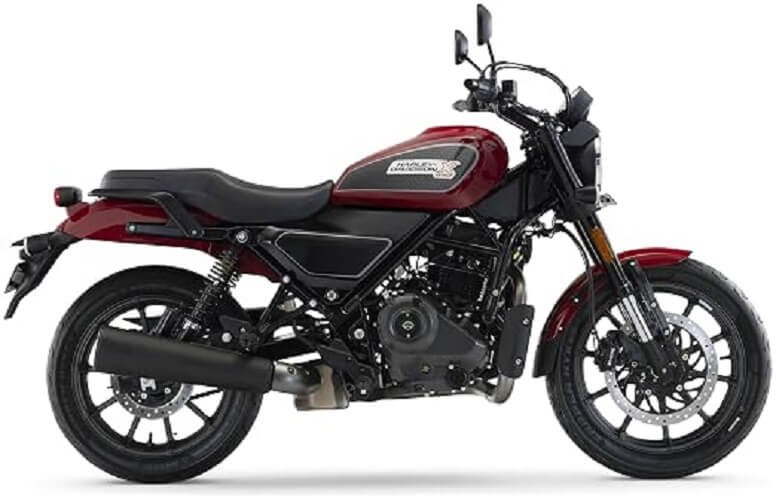
Harley Davidson X440 Vivid 440cc Motorcycle – Metallic Thick Red
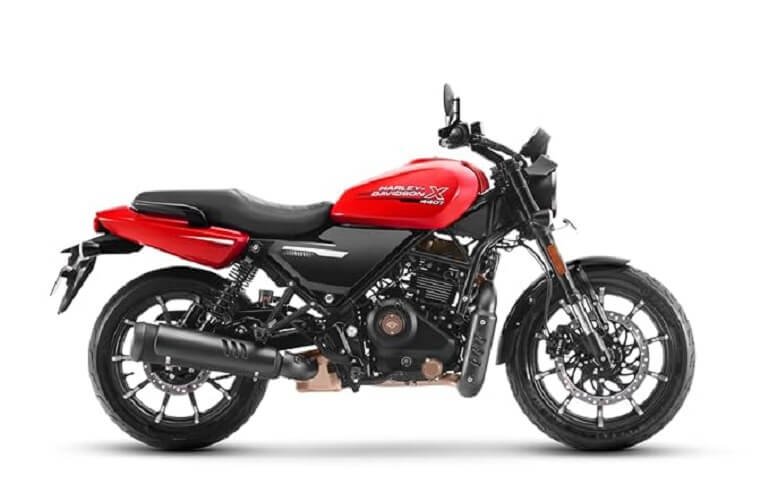
Harley Davidson X440 T 440 CC Motorcycle – Pearl Red
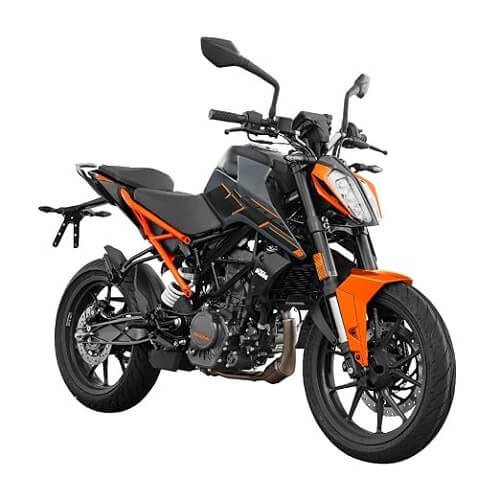
KTM Duke 200 PRO Bike – Dark Galvano Black
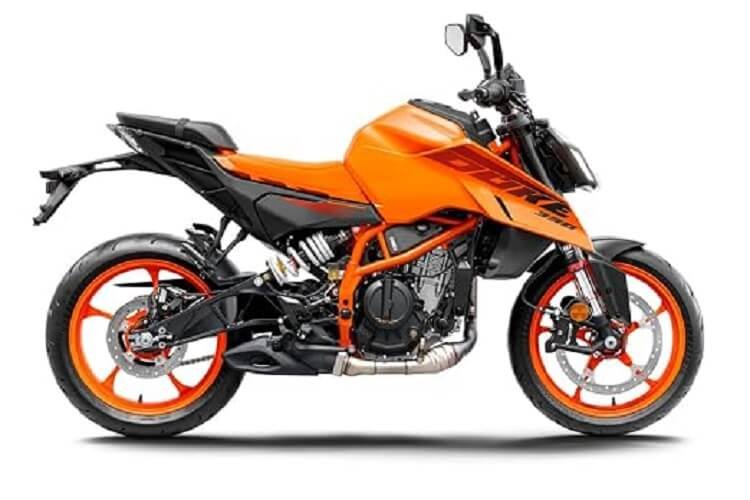
KTM Duke 390 R Bike – Electronic Orange
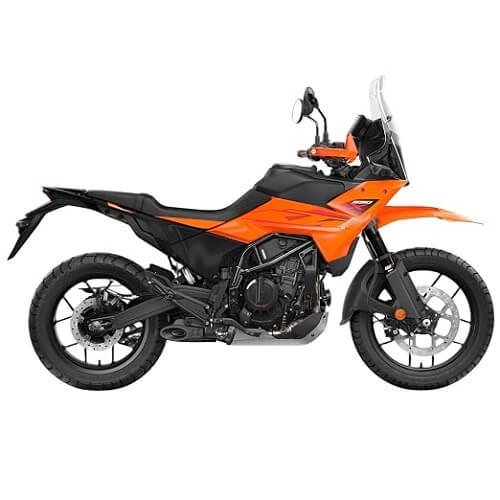
KTM Adventure X 390 Bike – Orange
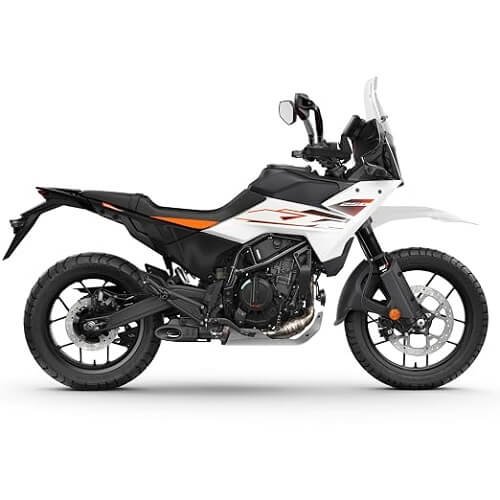
KTM Adventure 250 Bike – White
As an Amazon Associate, Neu Auto earns from qualifying purchases. When you purchase through one of the Amazon links above, Neu Auto may receive a commission at no additional cost to you.