

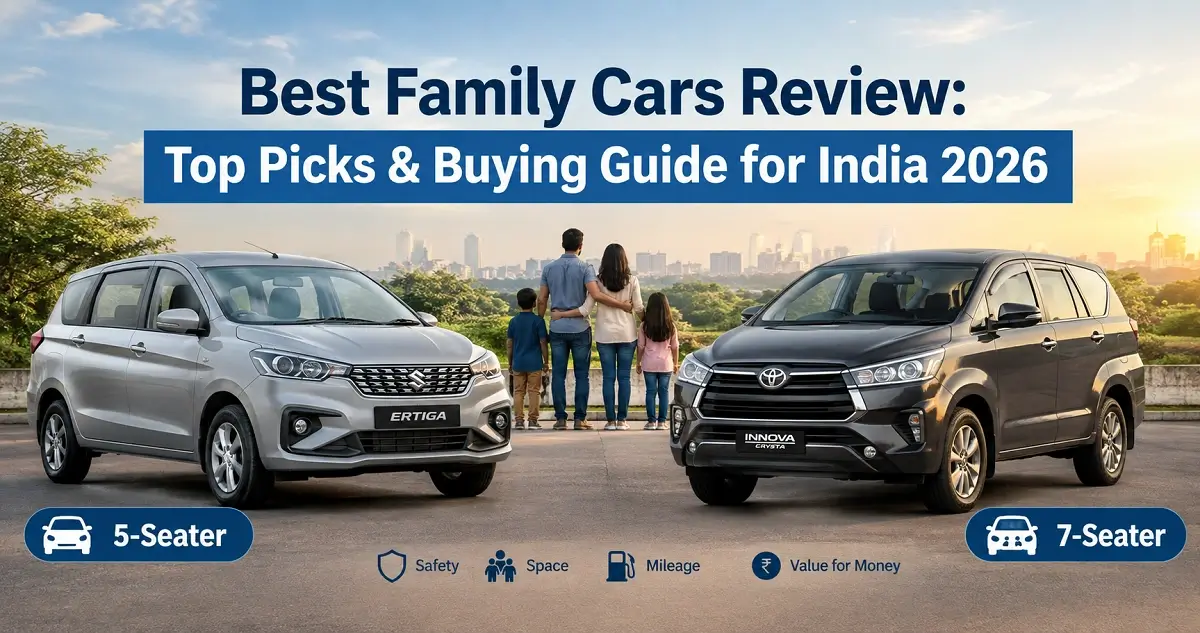
Choosing a family cars review in India is no longer just about finding five seats and a big boot. You need safety, comfort, mileage, easy ownership, useful features, and enough space for real family life.
Key Highlights
- Tata Nexon and Hyundai Venue are strong compact SUV choices for families that want safety, useful features, and manageable dimensions.
- Maruti Suzuki Swift remains a practical choice for smaller families, especially when fuel economy and city driving matter.
- Toyota Innova Hycross is a standout choice when comfort, space, and long distance family travel matter more than a low purchase price.
- Maruti Suzuki Ertiga remains one of the most practical 7 seat options for families working with a tighter budget.
- Bharat NCAP gives buyers a useful local safety benchmark, while Global NCAP results can provide additional crash test context.
- India’s alternative fuel shift is becoming significant. In August 2026, CNG, hybrid, and EV passenger vehicles together accounted for nearly 42% of sales, compared with about 41% for petrol vehicles.
- Real world ownership matters as much as a brochure. Check rear seat comfort, boot space, service quality, insurance costs, and actual fuel use before you book.
What’s Changing in the Family Car Segment Right Now?
The Family Cars Review landscape is changing quickly in India. Buyers are no longer looking only at mileage and a large boot. Safety ratings, six airbags, electronic stability control, connected features, automatic gearboxes, hybrid technology, and EV running costs are now part of the decision. The biggest change is the rise of alternative fuel choices.
That change matters when you plan to keep a car for seven to ten years. You need to think beyond today’s fuel bill. Ask yourself how much you drive each month, where you drive, whether home charging is possible, and how easy it is to find reliable service. For families, the best car is not always the newest or most expensive one. It is the vehicle that fits your daily routine without making every trip feel like a compromise.
What should you watch before buying?
Focus on these practical points:
- Crash safety: Look for Bharat NCAP or Global NCAP results.
- Rear seat comfort: Take your parents or children on the test drive.
- Boot space: Test it with your actual luggage.
- Fuel cost: Compare expected monthly running costs.
- Service network: Check the quality of the workshop near your home.
- Resale value: Think about your likely ownership period.
- Safety equipment: Check airbags, ESC, ISOFIX, ABS, and rear parking aids.
Petrol, Diesel, CNG, or Hybrid/EV: Which Fuel Type is Best for Your Family?
For many families, petrol remains the easiest all round option. It works well for mixed city and highway use, has broad availability, and avoids some of the usage concerns associated with modern diesel cars. CNG can make sense if you drive many kilometres in a city with good CNG availability. The running cost can be attractive, although the cylinder can reduce usable luggage space.
Diesel still makes sense for families that regularly travel long highway distances and need strong low end torque. However, your annual running should justify the higher purchase and ownership considerations. Hybrids are becoming more interesting because they combine an engine with electric assistance. EVs can be excellent for families with predictable daily routes and home charging, but highway charging reliability still deserves attention. In fact, EV buyers should also check charging availability along their regular highway routes. Charging infrastructure is expanding, but availability and uptime can vary by location.
Types of Family Cars in India: Hatchback, SUV, or MPV?
Choosing the right family car in India starts with understanding which body style suits your daily needs. Hatchbacks are ideal for city driving, SUVs offer a higher seating position and more road presence, while MPVs focus on comfortable seating for larger families.
Hatchback Cars
A hatchback is a practical choice for small families and first-time car buyers. It is easy to drive and park in busy Indian cities, while generally offering lower running and maintenance costs. Models such as the Maruti Suzuki Swift are popular for their compact size, comfortable five-seat layout, and good fuel efficiency.
SUV Cars
An SUV is a good option if you want a higher driving position, better ground clearance, and a more spacious cabin. Compact SUVs such as the Tata Nexon, Hyundai Venue, and Kia Sonet work well for urban families, while larger SUVs are better suited to families needing more space for passengers and luggage.
MPV Cars
An MPV is designed with family practicality and passenger space as key priorities. If you regularly travel with children, grandparents, or several family members, models such as the Maruti Ertiga and Toyota Innova Hycross can offer easier access, flexible seating, and useful luggage space.
5-Seater vs. 7-Seater: Key Factors to Consider When Choosing the Right Size
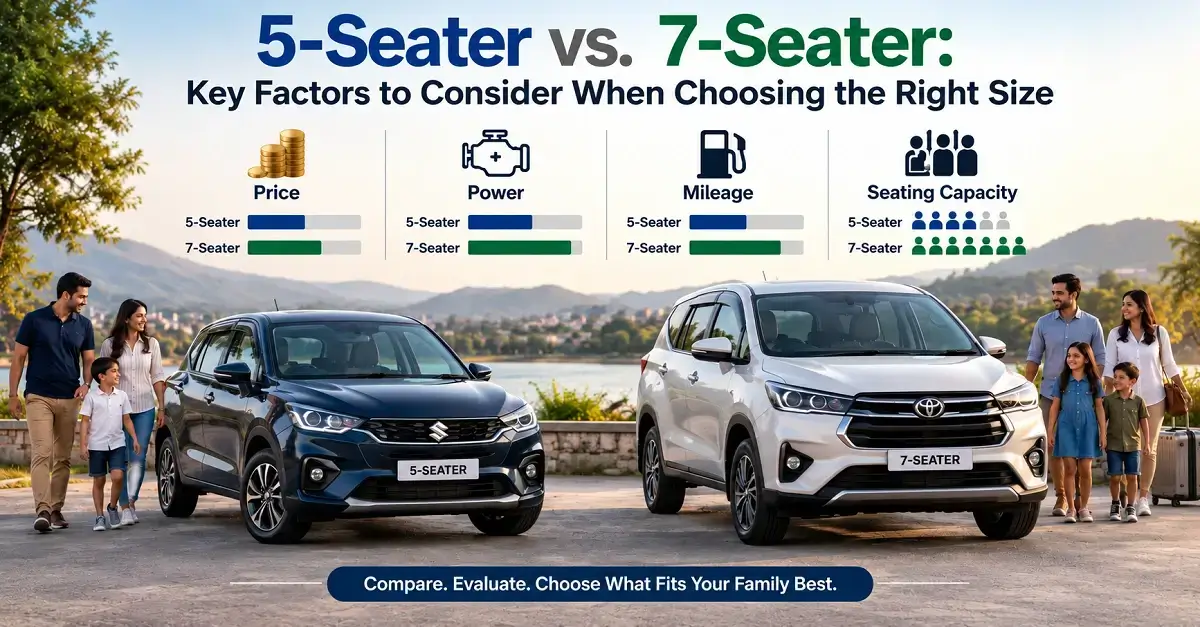
Choosing between a 5-seater and 7-seater family car depends on your family size, daily usage, passenger comfort, and luggage requirements. A five-seater is usually practical for everyday city driving, while a seven-seater offers extra flexibility when you regularly travel with more passengers.
| Factor | 5-Seater Family Car | 7-Seater Family Car |
|---|---|---|
| Ideal for | Small families of 4–5 people | Large families and frequent group travel |
| Daily Driving | Easier for city use and parking | Larger size can require more parking space |
| Passenger Space | Comfortable for two rows | Extra third-row seating adds flexibility |
| Third Row | Not available | Useful, but comfort varies by model |
| Boot Space | Usually more usable with all seats occupied | Can become limited when all three rows are in use |
| Long Trips | Comfortable for up to five passengers | Better for larger groups if the third row is suitable |
| Running Costs | Often lower | May be higher depending on engine and size |
| Best For | Daily commuting and small families | Joint families, relatives, and frequent road trips |
Top Safety Features & NCAP Ratings to Look for in a Family Car
Safety should sit near the top of your Family Cars Review, not at the bottom. Start with crash test performance, then look at the equipment fitted to the exact variant you plan to buy. Bharat NCAP provides India specific crash testing, while Global NCAP offers another independent reference point.
According to Bharat NCAP, the database lists the Tata Nexon EV with 29.86 out of 32 for adult protection and 44.95 out of 49 for child protection. The Tata Safari and Harrier test result is also listed with 30.08 out of 32 for adult protection and 44.54 out of 49 for child protection.
For daily family use, check for:
- Six airbags where available
- Electronic Stability Control
- ABS with EBD
- ISOFIX child seat mounts
- Seat belt reminders
- Hill hold assistance
- Rear parking sensors and camera
- Tyre pressure monitoring
- ADAS on higher models, where useful
Do not buy a car solely because it has a long equipment list. Crash structure and independent testing matter more than a panoramic sunroof.
Best Family Cars in India: Quick Comparison Table
| Car Model | Seater | Safety | Mileage | Price |
|---|---|---|---|---|
| Tata Nexon | 5 | 5 star Bharat NCAP | Variant dependent | Around ₹8 lakh onwards |
| Hyundai Venue | 5 | 5 star Bharat NCAP | Variant dependent | ₹7.99 lakh onwards |
| Maruti Suzuki Swift | 5 | Six airbags, ESC and other safety equipment | Up to 25.75 km/l petrol AMT | ₹5.84 lakh onwards |
| Toyota Innova Hycross | 7 | Strong safety equipment, variant dependent | Hybrid focused efficiency | Around ₹19.53 lakh onwards |
| Mahindra XUV700 | 7 | Strong safety package | Variant dependent | Around ₹13.66 lakh onwards |
| Tata Safari | 7 | 5 star Bharat NCAP | Diesel focused | Around ₹13.29 lakh onwards |
| Maruti Ertiga | 7 | Six airbags and ABS based safety equipment | Up to 26.11 km/kg CNG | ₹8.90 lakh onwards |
| Nissan Magnite | 5 | Six airbags | Variant dependent | ₹5.68 lakh onwards |
| Kia Sonet | 5 | Six airbags, ESC, ISOFIX | Variant dependent | Around ₹7.41 lakh onwards |
Important: Prices can vary by variant, city, insurance, registration, offers, and taxes. Manufacturer prices are generally ex showroom, not final on road prices. Hyundai specifically states that its Venue pricing varies by location and charges.
Top 5-Seater Family Cars in India for Small Families (2026)
For a small family, you do not need to pay extra for size you rarely use. A good five seater can give you easier parking, lower fuel consumption, simpler maintenance, and enough space for school bags and weekend luggage. The three models below cover three different needs. The Nexon focuses strongly on safety and SUV practicality, the Venue brings technology and powertrain choice, while the Swift focuses on compact dimensions and efficiency.
1. Tata Nexon
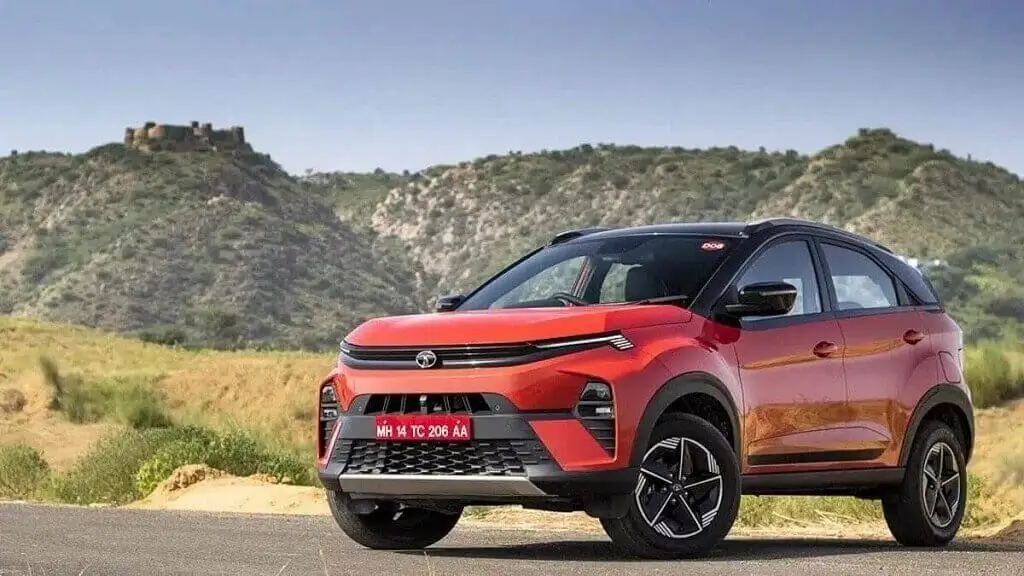
The Tata Nexon is worth considering for families looking for a compact SUV with a strong safety focus. The updated Nexon achieved a five star Global NCAP result, while its newer safety equipment includes six airbags and ESC as standard.
Price: Approximately ₹8 lakh onwards, depending on variant and location
Seating Capacity: 5
Power: Variant dependent
Torque: Variant dependent
Mileage: Depends on engine and transmission
Storage: Practical five seater boot
Key Features: Six airbags, ESC, touchscreen infotainment, rear camera, connected features on selected variants
The Nexon is particularly useful when you want a compact car that still feels substantial on Indian roads. Its dimensions are manageable in cities, while the SUV seating position can be helpful for older family members. If you regularly travel with four adults and luggage, take a proper highway test drive before choosing the exact variant.
2. Hyundai Venue
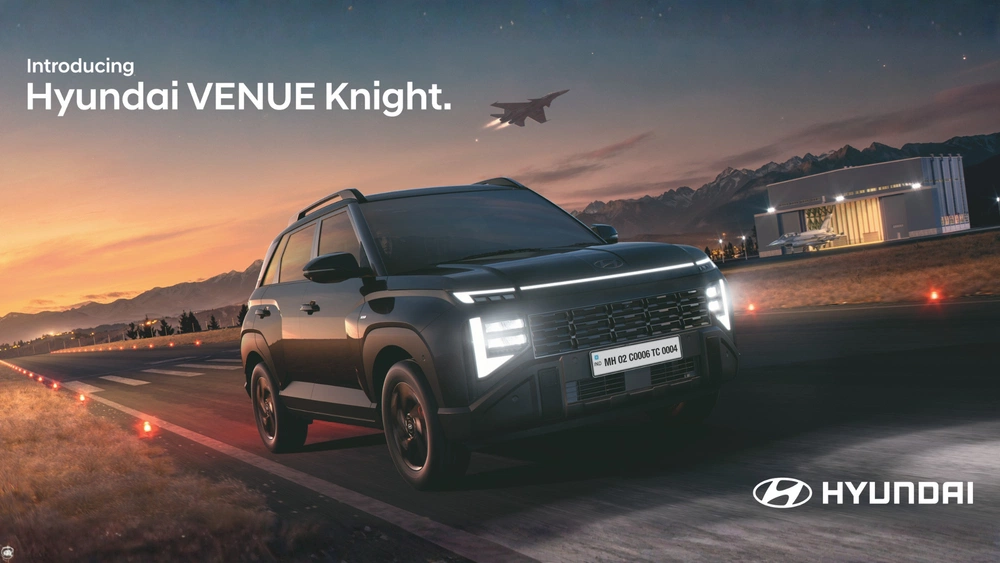
The Hyundai Venue is a strong option for buyers who want a compact SUV with a wide selection of engines and transmissions. Hyundai currently lists a 1.2 litre petrol producing 83 PS and 114.7 Nm, a 1.0 litre turbo petrol producing 120 PS and 172 Nm, and a 1.5 litre diesel producing 116 PS and 250 Nm.
Price: Starts at ₹7,99,900 ex showroom
Seating Capacity: 5
Power: Up to 120 PS
Torque: Up to 250 Nm
Mileage: Depends on engine and transmission
Storage: Suitable for everyday family luggage
Key Features: Six airbags, touchscreen, digital cluster, ESC, connected technology, available automatic options
The Venue also became a five star Bharat NCAP performer, according to a 2026 comparison published by Autocar India. That gives it an interesting position for buyers who want compact dimensions without giving up a strong safety result.
3. Maruti Suzuki Swift
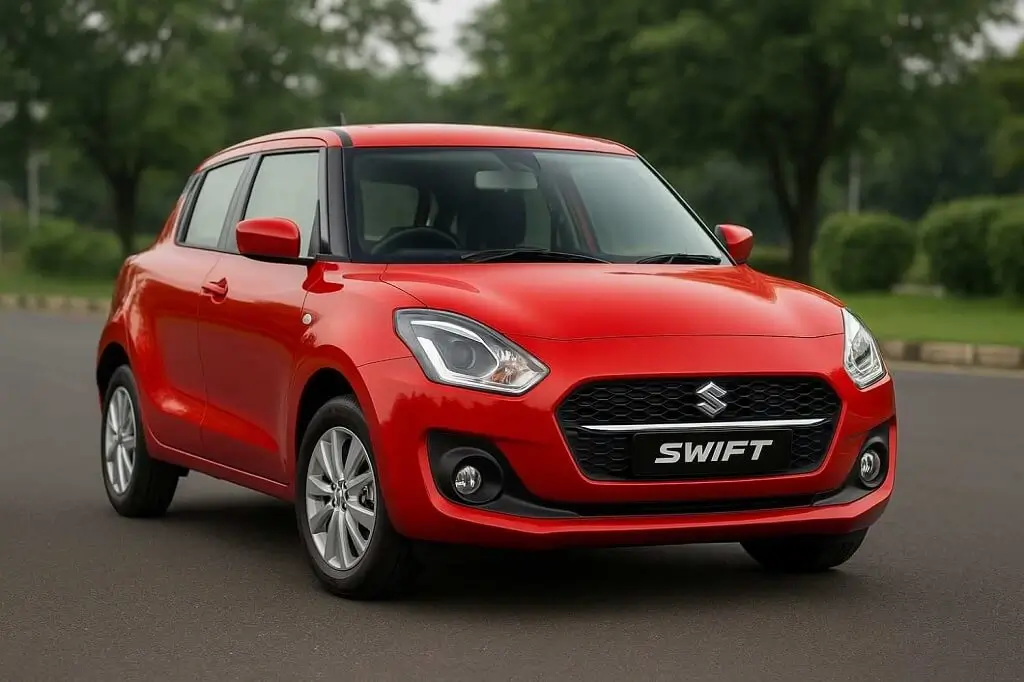
The Swift can suit smaller families that prioritize compact dimensions and fuel efficiency. The current 1.2 litre three cylinder petrol engine produces 81.58 PS and 111.7 Nm, while Maruti claims up to 25.75 km/l with the AMT. The CNG version is listed at 32.85 km/kg.
Price: Starts at ₹5,83,900 ex showroom
Seating Capacity: 5
Power: 81.58 PS
Torque: 111.7 Nm
Mileage: Up to 25.75 km/l petrol AMT, 32.85 km/kg CNG
Storage: 265 litres
Key Features: Six airbags, ESC, hill hold assist, ISOFIX, reverse camera on selected variants
The Swift makes sense when your family mostly travels in the city. Its 4.8 metre turning circle helps in tight spaces, and its 265 litre boot is adequate for everyday shopping and smaller weekend trips. It is not the best choice if you regularly carry five adults plus large luggage.
7-Seater Family Cars Worth Considering
If your family regularly travels with six or seven people, buy for your busiest trip rather than your average Tuesday. A seven seater becomes valuable during weddings, holidays, airport runs, and long road trips. The important question is not simply whether the car has seven seats. You should ask whether those seats remain comfortable after three hours.
The Innova Hycross, XUV700, and Safari approach this job differently. The Toyota focuses heavily on passenger comfort and hybrid efficiency in selected variants. The XUV700 adds strong performance and technology. The Safari focuses on a large SUV cabin, road presence, and safety credentials.
1. Toyota Innova Hycross
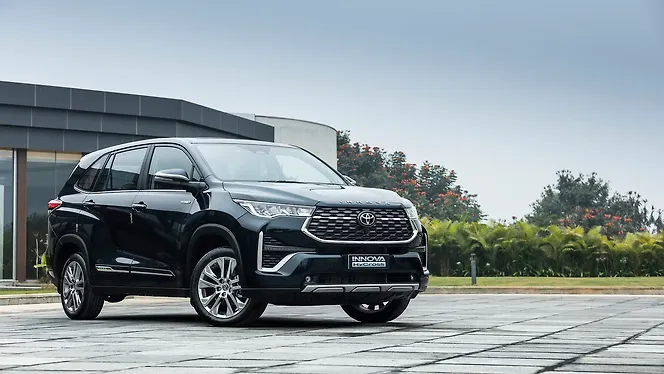
The Toyota Innova Hycross remains one of the most convincing family cars when passenger comfort is the main requirement. A recent owner post described the rear seats as extremely comfortable and praised the space, while also pointing out that the model has compromises compared with the older Crysta.
Price: Approximately ₹19.53 lakh to ₹32.95 lakh, depending on variant
Seating: 7 or 8, depending on configuration
Power: Variant dependent
Torque: Variant dependent
Mileage: Hybrid efficiency varies by driving conditions
Storage: Strong family luggage practicality
Key Features: Hybrid option, spacious cabin, captain seats on selected variants, long distance comfort, Toyota service network
That real world feedback is useful because it highlights the difference between a specification sheet and actual family travel. The Hycross is expensive, but if you routinely travel with a large family, the extra space can be worth more than a long feature list.
2. Mahindra XUV700
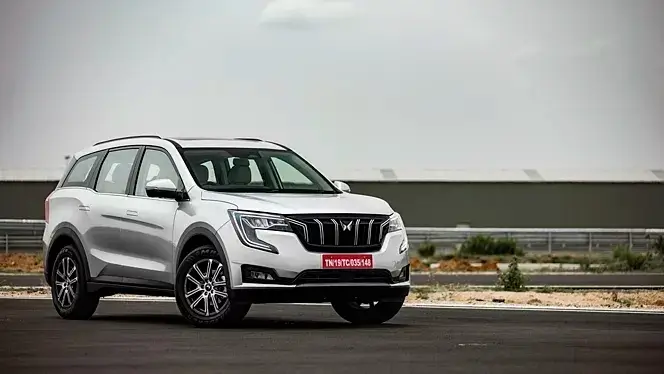
The XUV700 is aimed at families that want performance as well as space. A long term owner report covering 48,000 km praised the car’s comfort, highway ability, and torque, while also mentioning cabin plastics, suspension noise, audio quality, and infotainment glitches as weaknesses.
Price: Approximately ₹13.66 lakh to ₹25.07 lakh, depending on variant
Seating: 5 or 7, depending on variant
Power: Variant dependent
Torque: Variant dependent
Mileage: Depends heavily on engine, gearbox, and traffic
Storage: Useful family space, with third row reducing luggage capacity
Key Features: Large screens, powerful engines, ADAS on selected variants, panoramic sunroof, automatic options
That is exactly the kind of ownership detail you should consider. A car can be excellent dynamically while still having small annoyances. If you regularly drive long distances, take an extended test drive with your family rather than limiting yourself to a short dealership loop.
3. Tata Safari
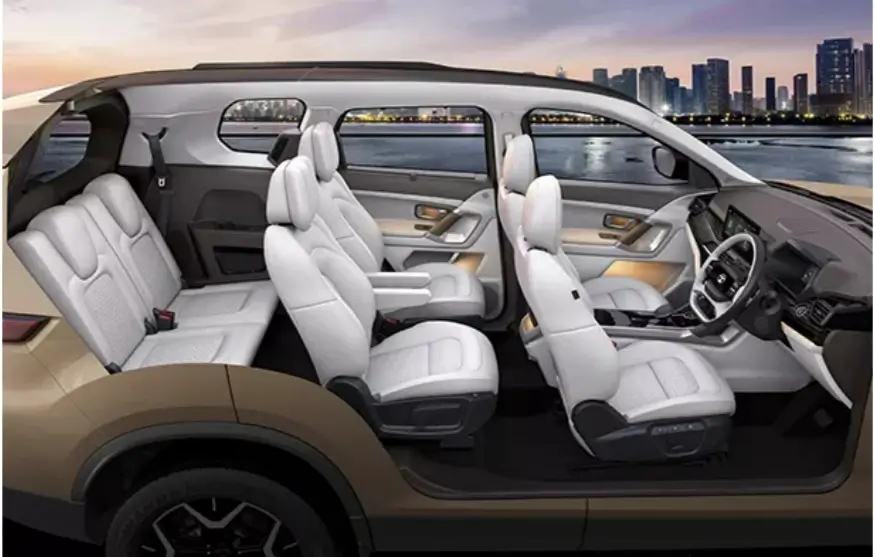
The Safari deserves attention if safety and large SUV space are important to you. Bharat NCAP lists the Safari and Harrier test result at 30.08 out of 32 for adult occupant protection and 44.54 out of 49 for child protection.
Price: Approximately ₹13.29 lakh to ₹26.39 lakh, depending on variant
Seating: 6 or 7, depending on configuration
Power: Diesel focused lineup
Torque: Strong low speed torque
Mileage: Depends on transmission and driving conditions
Storage: Good overall family practicality
Key Features: Three row cabin, six airbags, electronic safety systems, large infotainment display, panoramic roof on selected variants
For a family, that is more meaningful than simply saying a car is “premium.” You should still check third row access, child seat installation, and luggage room with all seats occupied. Those are the details that decide whether a seven seater works in real life.
Family Cars With Starting Prices Under ₹10 Lakh
Under ₹10 lakh, your priorities should be simple. Get the safest and most practical variant you can afford rather than spending heavily on cosmetic features. The Ertiga, Magnite, and Sonet each offer a different answer. Prices can cross ₹10 lakh depending on variant and city, so treat the ₹10 lakh figure as a shopping target, not a guaranteed final on road price.
1. Maruti Ertiga LXi
The Ertiga LXi is worth considering because it gives you seven seats at a relatively accessible starting price. Maruti lists the Ertiga starting at ₹8.90 lakh ex showroom, with petrol and CNG choices available across the range.
Best for: Large families on a budget
Strong point: Seven seats and low running cost potential
Watch out for: Third row luggage capacity and entry level equipment
If you regularly carry grandparents or children, the MPV layout can be much more useful than a small SUV. CNG also makes sense if your annual running is high and local CNG availability is good.
2. Nissan Magnite Tekna
The Nissan Magnite is an interesting value choice because its current range starts at ₹5.68 lakh ex showroom, while the Tekna manual is listed at ₹8.39 lakh. Nissan also advertises a standard 10 year or 200,000 km warranty, whichever comes first, along with three years of roadside assistance.
Best for: Buyers wanting SUV styling at a lower price
Strong point: Long warranty and accessible pricing
Watch out for: Check local service support before booking
For a first family SUV, the Magnite can be appealing when your budget is limited but you still want a raised driving position and modern cabin features.
3. Kia Sonet HTK
The Sonet offers a strong feature package in a compact body. Kia lists six airbags, ESC, hill assist, brake assist, vehicle stability management, ISOFIX, and tyre pressure monitoring among its safety features.
Best for: Small families wanting features
Strong point: Equipment and compact size
Watch out for: Variant pricing and long term running costs
The Sonet works well for urban families that want an easy to park SUV with a modern cabin. Kia currently lists the range from around ₹7.41 lakh, with the HTK and other variants positioned higher.
Ownership Costs: Resale Value & Maintenance of Family Cars in India
Buying the car is only the first bill. Your real family car cost includes insurance, fuel, tyres, scheduled servicing, unexpected repairs, accessories, parking, and depreciation. A cheaper car can become expensive if you drive 2,000 kilometres every month, while a more expensive hybrid may make sense for a high annual running pattern.
For resale, popular models with broad service networks can have an advantage. Maruti, Hyundai, Toyota, Tata, Mahindra, and Kia all have strong visibility in the Indian market, but resale depends on condition, mileage, accident history, ownership records, city demand, and model popularity. Keep every service invoice. Avoid unnecessary modifications. A clean service history can make a used car much easier to sell.
Essential Car Accessories for Families (Including PPF for Protection)
You do not need to buy every accessory the dealer offers. Start with items that solve a real problem.
- Child seat: Choose a properly installed ISOFIX compatible seat where supported.
- Boot organiser: Useful for groceries and small family items.
- Sun shades: Helpful for children during hot weather.
- Floor mats: Choose easy to clean, well fitting mats.
- Dashcam: Useful for incident recording and everyday peace of mind.
- Tyre inflator: Handy during road trips.
- PPF: Consider it for high impact areas if you care about paint protection.
PPF is not a safety product. It is a paint protection film. It can help protect selected painted surfaces from stone chips and light scratches, but the cost should be weighed against the vehicle’s value and your ownership period. Ceramic coating is another option, but it also does not replace careful washing or repair of damaged paint.
What Should You Check During a Family Car Test Drive?
A family test drive should be more than five minutes around a dealership. Take the people who will actually use the car. Ask a tall adult to sit behind the driver, put a child seat in place, adjust the front seats, and check how easily everyone gets in and out.
Then test the car in the situations you face every week.
- Drive through a tight parking area.
- Try speed breakers and rough roads.
- Test the brakes safely.
- Check rear visibility.
- Try the infotainment system.
- Sit in every row.
- Open the boot with the family seated.
- Ask the dealer about service intervals.
- Get an insurance estimate.
- Request the complete on road quotation.
That last step matters. The advertised ex showroom price is not your final cheque.
Which Car Should You Buy for Your Family in 2026?
For smaller families who mainly drive in cities, a compact hatchback such as the Swift may be easier to park and operate. For buyers considering a compact SUV, the Nexon and Venue are two models worth comparing for safety, features, powertrain, and pricing. If you regularly carry six or seven passengers, an MPV such as the Ertiga or Innova Hycross may provide more useful passenger space than a five-seater SUV.
Your driving pattern should make the final decision. Drive less than 10,000 km a year and a premium hybrid may not always make financial sense. Drive 20,000 km or more and fuel efficiency becomes much more important. If you have reliable home charging and mostly predictable city driving, an EV deserves a serious test drive.
The best Family Cars Review verdict is therefore not one universal winner. For most buyers, the right answer is the car that gives your family enough space, proven safety, manageable running costs, and a service experience you trust.
Conclusion
The Indian family car market in 2026 gives you more choice than ever. You can choose a compact hatchback, a feature packed SUV, a practical MPV, a hybrid, a CNG model, or an EV. That variety is useful, but it can also make the decision harder.
Start with your family size and annual kilometres. Then decide how much boot space you need, whether you regularly travel on highways, and which safety features matter most. Check Bharat NCAP or Global NCAP results where available, compare real on road prices, and take a proper test drive with your family. For a balanced shortlist, start with the Tata Nexon, Hyundai Venue, Maruti Suzuki Swift, Maruti Ertiga, Mahindra XUV700, Tata Safari, and Toyota Innova Hycross. Then remove the cars that fail your space, budget, fuel, or service requirements. That simple process can save you from buying a car that looks perfect online but feels wrong after six months of family use.
FAQs
Which car is the best choice for a family in India?
The best family car in India depends on your budget, family size, driving needs, and road conditions. Swift, Nexon, Venue, Sonet, Ertiga, XUV700, Safari, and Innova Hycross are popular options for different family needs.
Which family car offers the best safety features in India right now?
Safety should be a top priority when choosing a family car, including crash ratings and standard safety features. Models such as the Tata Nexon, Hyundai Venue, Tata Safari, and Tata Harrier are worth considering based on their current Bharat NCAP results.
What is the best family car you can buy under ₹10 lakh in India?
For a family car under ₹10 lakh, consider options such as the Maruti Ertiga, Nissan Magnite, and Kia Sonet, depending on the variant and location. The Ertiga is ideal for buyers who need seven seats, while the Magnite and Sonet offer strong compact SUV practicality.
Should you choose a hatchback, sedan, or SUV for your family in India?
Choose a hatchback for easy city driving and lower running costs, while a sedan can offer comfortable rear seats and useful boot space. An SUV is a better fit if you need higher ground clearance, a spacious cabin, and a commanding driving position.
Is an electric car a practical option for families in India?
An electric car can be a practical family choice if you have home charging and mostly drive predictable daily distances. EVs are becoming more popular in India, but long highway trips still require careful charging and route planning.
Which are the best 7 seater cars under ₹15 lakh?
The Maruti Ertiga is one of the most practical seven-seater cars around the ₹15 lakh price point. Depending on the variant, offers, and city, the XUV700 and Tata Safari may also be worth considering for buyers wanting more space and features.
Which 7 seater cars have received a 5 star safety rating?
The Tata Safari and Tata Harrier have achieved five-star Bharat NCAP safety ratings. However, always check the latest official rating and tested configuration before buying, as safety results can vary by model and test protocol.
Are SUVs better than hatchbacks for family use?
SUVs are not automatically better family cars than hatchbacks because the right choice depends on your daily needs. Hatchbacks are easier to park and economical for city use, while SUVs offer more ground clearance, cabin space, and a higher seating position.

Rate This Article
5 ★ 1 rating
Thanks for rating!
All Car Brands
View all brands →
















More Updates
Handpicked Accessories for Every and Journey
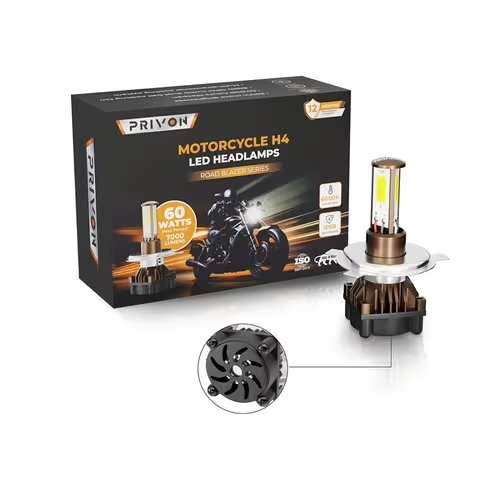
PRIVON 60W H4 LED Headlight for Bike – 7000L, 6000K White LED Light for Night Ride
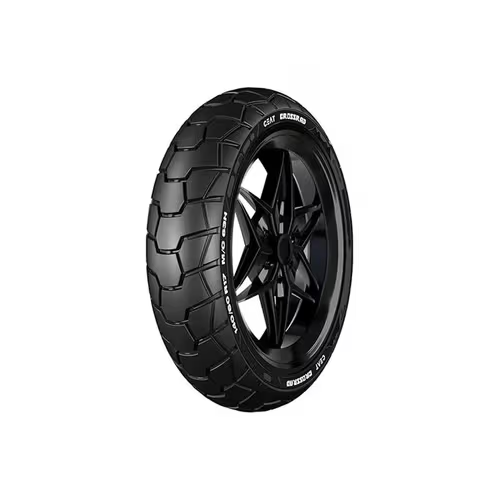
Ceat Zoom Rad 140/60 R17 63P Tubeless Bike Tyre

ShineXPro Helmet Cleaner & Microfiber Cloth – Anti Bacterial Foaming Helmet Cleaning Spray
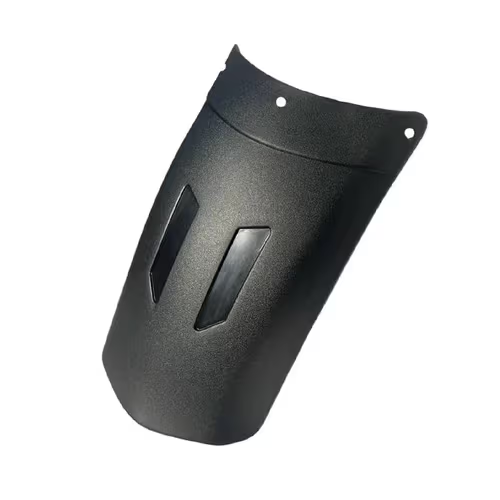
Universal Front Fender Mudguard Extender Extension Fits for Motorcycle

Boldfit Full Face Helmet Mask for Bikers in Riding UV Protected
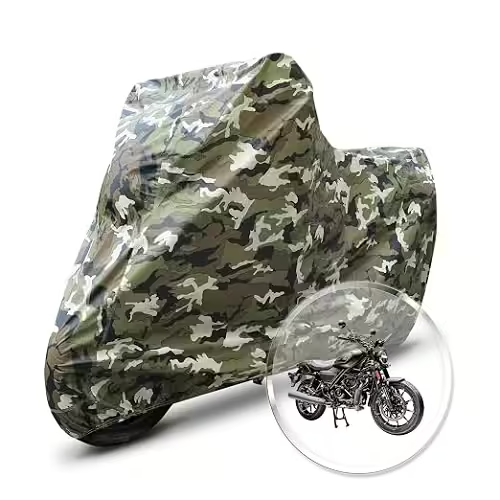
Neodrift JungleMax Bike Cover for Harley-Davidson X440
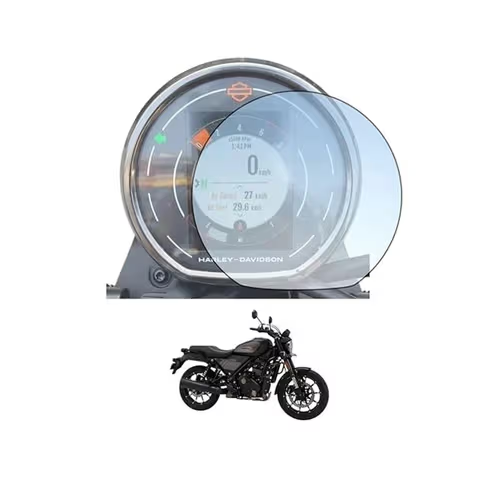
Wisely Pack 2 Screen Guard for Harley Davidson X440T Bike – Instrument Cluster Accessories
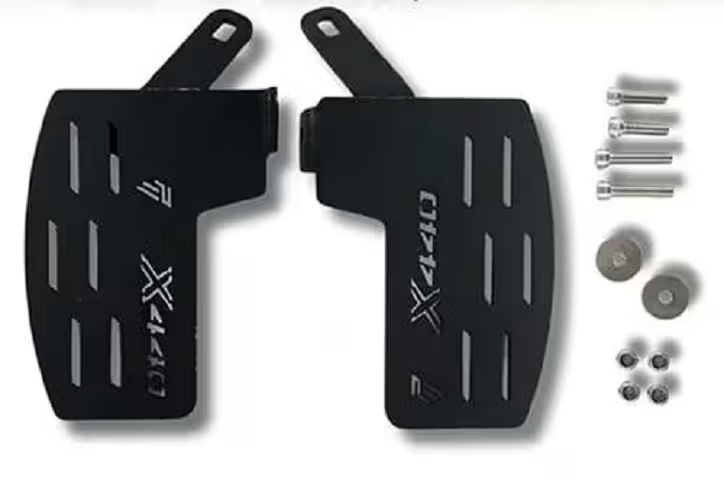
PHANTOM Premium Adjustable Footrest for Harley – Motorcycle Accessory for Touring & City Riding
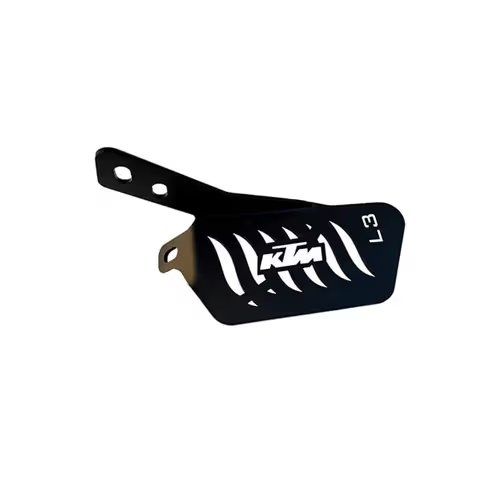
L3 MODZ Ladies Foot Rest for KTM Duke (BS6 Gen2) Models
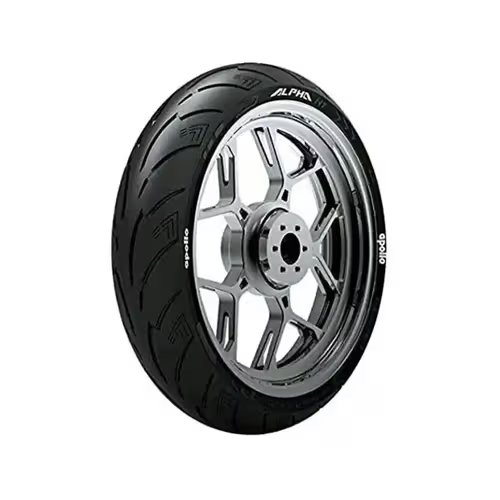
Apollo Alpha S1 130/70 R17 62H Radial Tubeless Bike Tyre
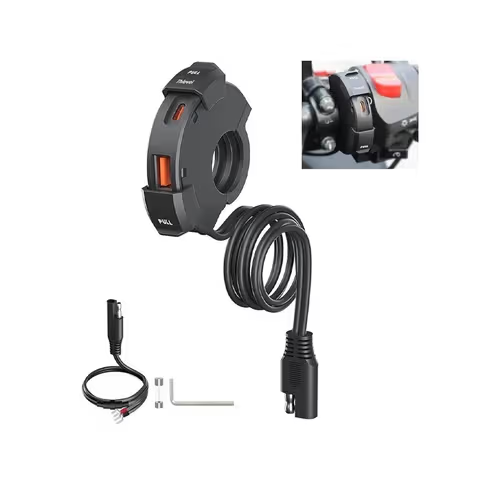
30W Motorcycle Type-C USB Phone Charger with PD & Quick Charge
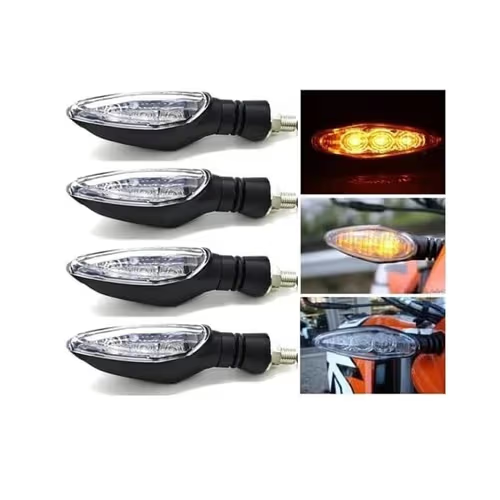
ELTRON TURBO Turn Signal Indicator Lights Compatible for KTM
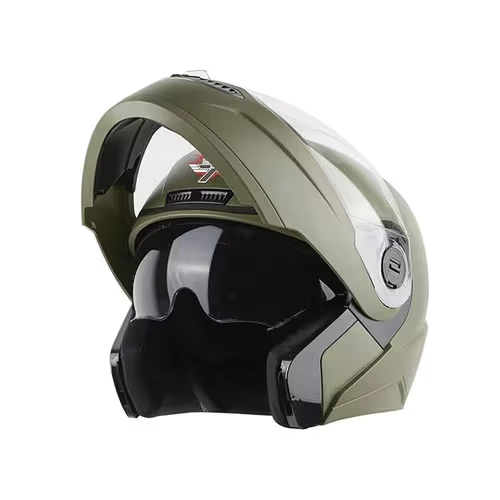
Steelbird SBA 7 7Wings Flip-Up Helmet for Men with Skull Cap
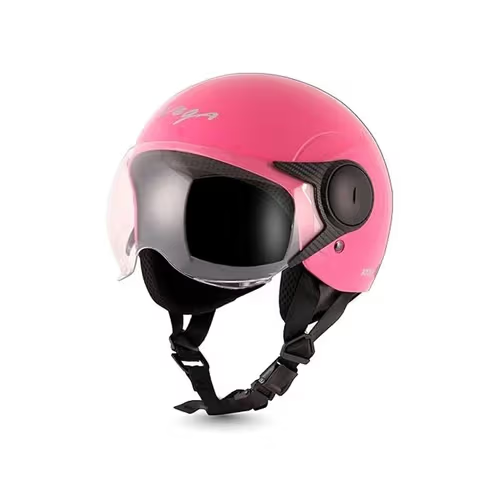
Vega Atom Open Face Helmet with Clear Visor, Black
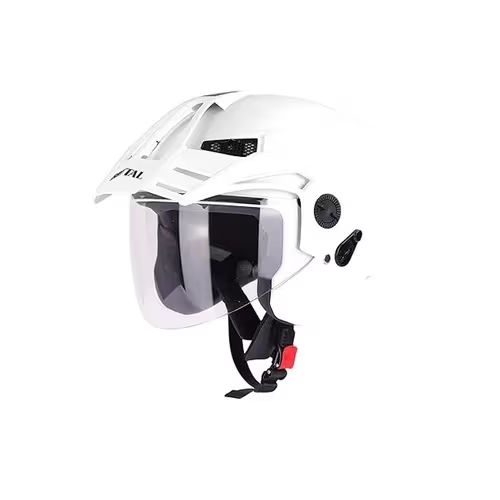
Steelbird SBH-23 Brutal Open Face Helmet with Skull Cap
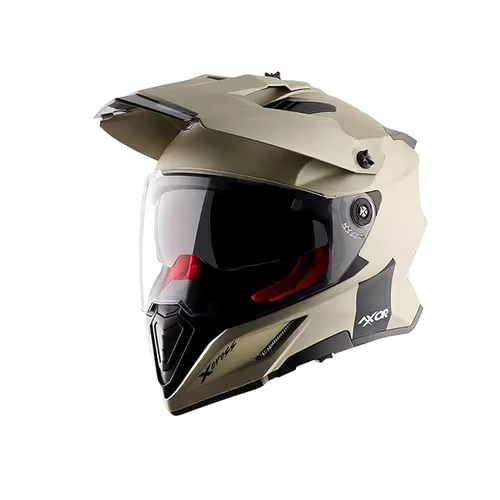
Axor X Cross Dual Visor Full Face Off-Road Helmet – Dull Black Orange
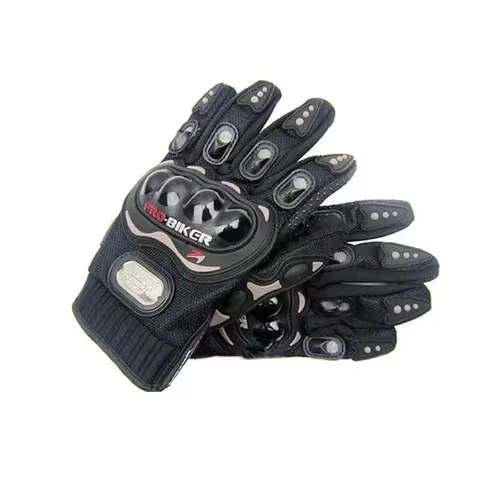
Probiker Protective Full Finger Bike Riding Gloves – Motorcycle, Cycling, and Hiking
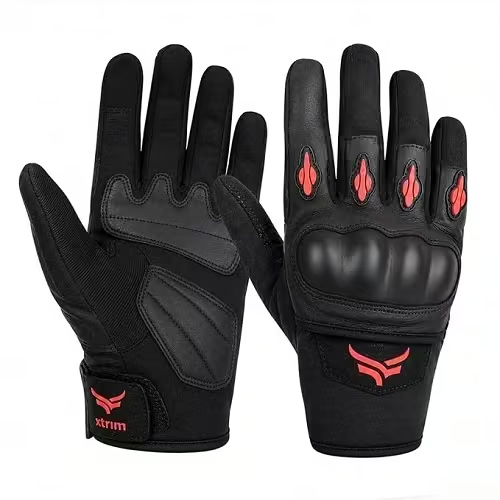
XTRIM Protekt Universal Bike Riding Gloves for Men – Black, Red
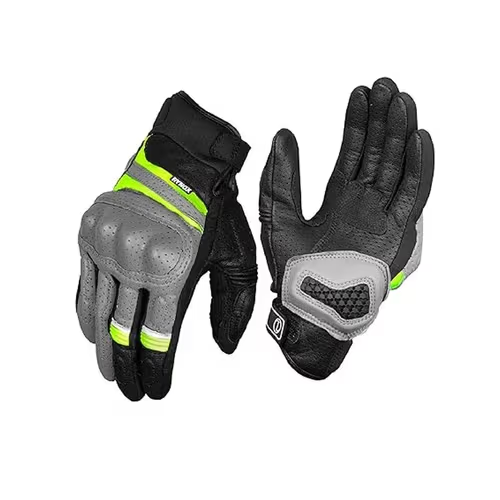
Rynox Air GT Leather Motorcycle Riding Gloves – Cuff Length | Grey Red
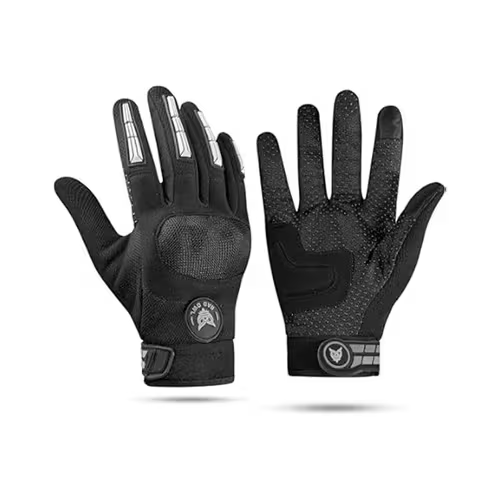
BADOWL RYDON Knuckle Protection Riding Gloves – Touchscreen Sports Gloves

Microfiber Car Duster with Long Handle Cleaning Brush

Robustt Car Interior Cleaning Brush Combo – Scratch Free Car Duster

ORJILO 5-Piece Microfiber Car Duster Kit – Extendable Long Handle Duster for Car
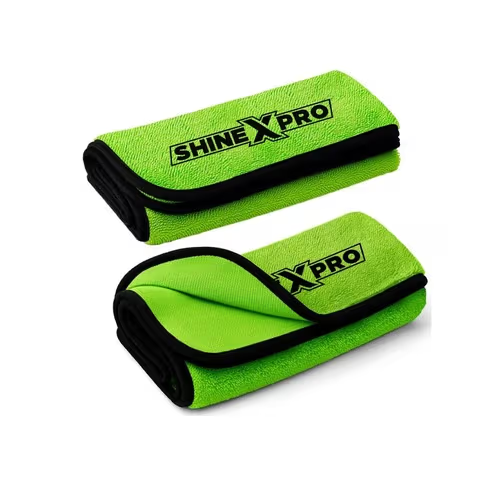
ShineXPro Microfiber Car Cleaning Cloth (500 GSM, Extra Large (35×75 CM))
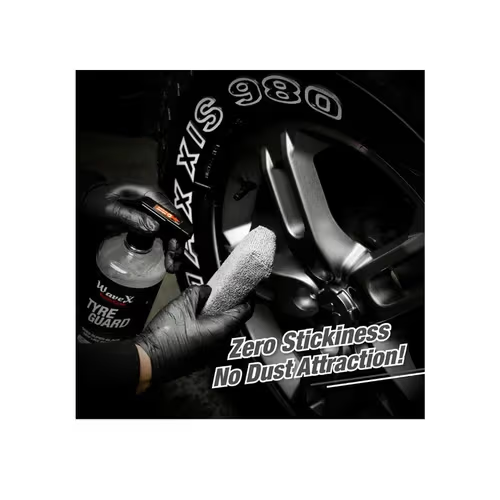
Wavex Tyre Polish for Car & Bike (1L) – With Applicator and Microfiber Cloth

ShineXPro Glass Cleaner Spray (300 ml) – Streak Free Car Glass Cleaner Liquid
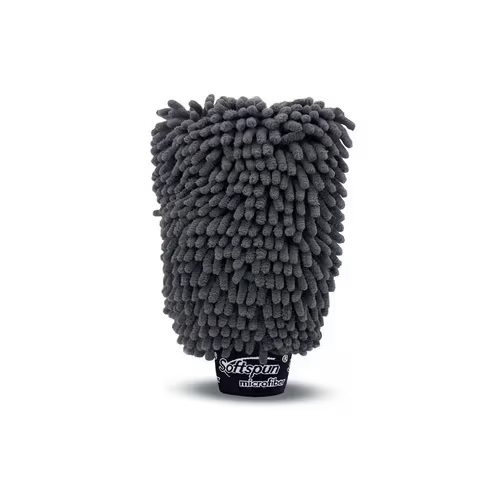
SOFTSPUN Microfiber Chenille Wash Mitt (1700 GSM)
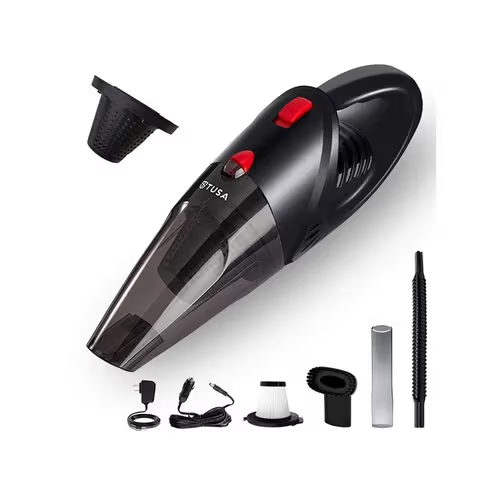
Tusa V1 Cordless Vacuum Cleaner for Car – High Power Portable Lightweight Wireless Vacuum

SOFTSPUN Microfiber Cloth (40×40 cm, 340 GSM) – Automotive Microfibre Towels for Car
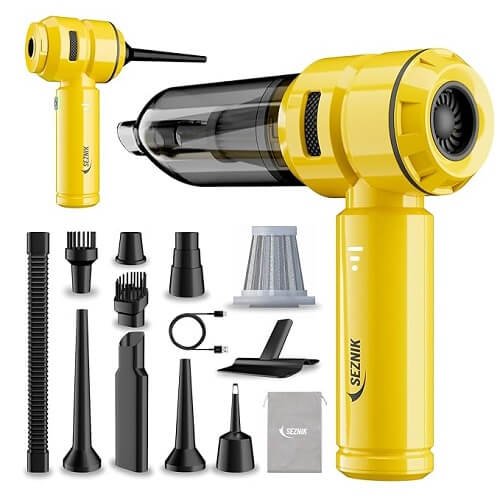
SEZNIK 4-in-1 Cordless Vacuum Cleaner & Blower

GOODAIR Royal Premium Non-Electric Car Air Purifier
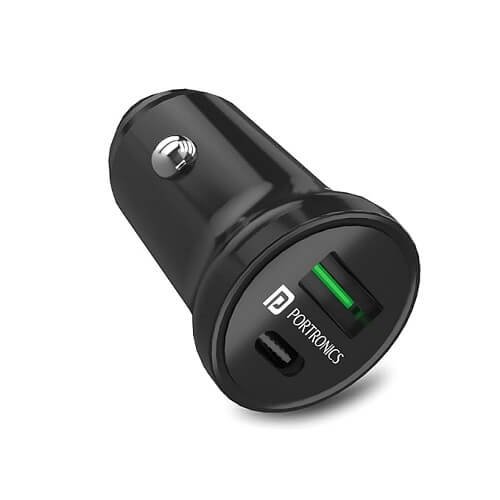
Portronics 38W Dual Output Fast Car Charger with 20W Type-C PD & 18W USB with Cars for iPhone
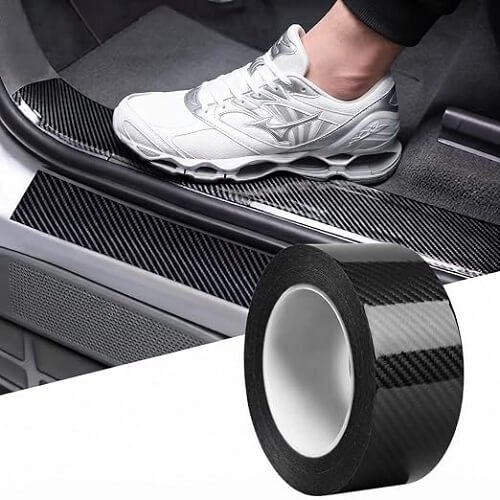
AutoBizarre High Gloss Carbon Fibre Paint Protection For Car

APPUCOCO Mini Car Trash Bin – Black
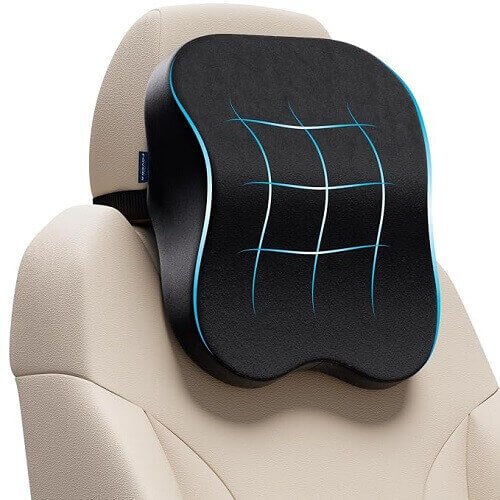
FOVERA Memory Foam Car Neck Rest Pillow – Medium, Black
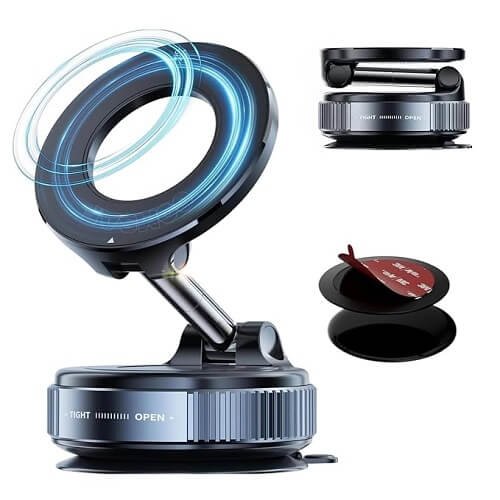
360° Vacuum Magnetic Car Phone Mount – Strong Suction Cup Phone Holder for Car
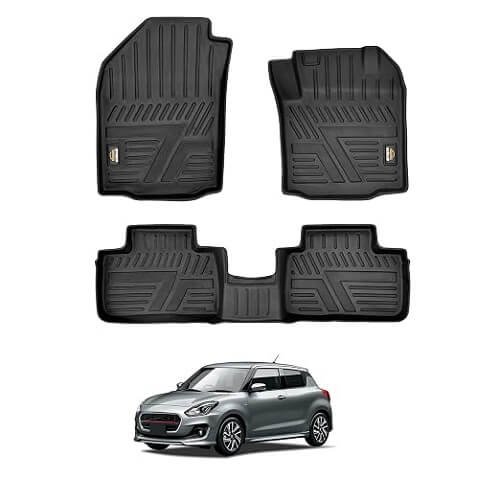
Amazon Basics 5D Custom Fit Car Floor Mats for Swift Facelift
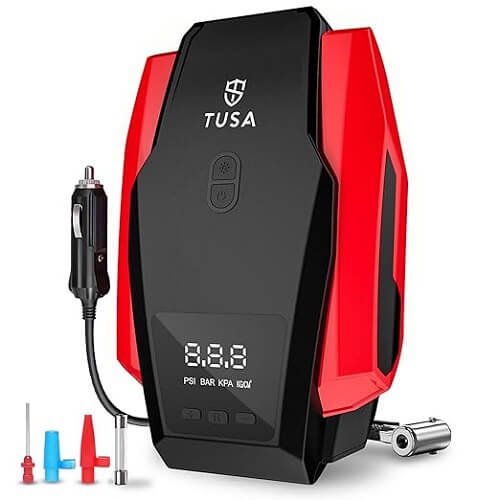
TUSA Drive X 12V DC Portable Tyre Inflator – 150 PSI, Air Compressor
![Qubo Dashcam Pro 4K [2026 Edition] – Dual Channel | ADAS | Ultra-Wide 8MP UHD+ Front, 2MP FHD Rear](https://neudeals.co/wp-content/uploads/2026/09/Qubo-Dashcam-Pro-4K-Sensor.jpg)
Qubo Dashcam Pro 4K [2026 Edition] – Dual Channel | ADAS | Ultra-Wide 8MP UHD+ Front, 2MP FHD Rear
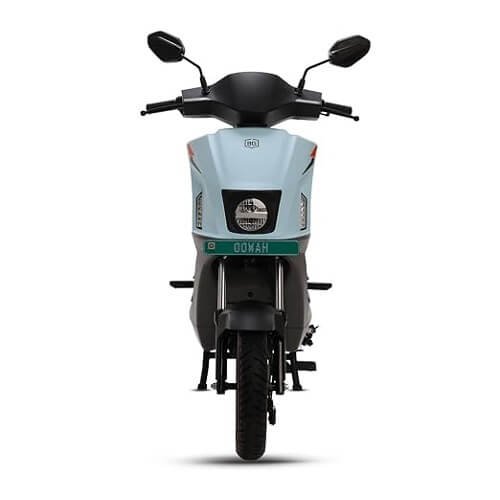
Oowah EX Electric Scooter – Removable Lithium-ion Battery , Laguna Blue
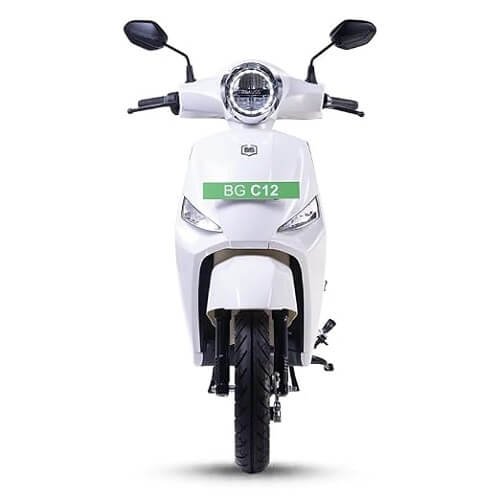
BG C12i EX Gen 2 Electric Scooter – Removable 2.0 kWh LFP Battery, 60 km/h Top Speed
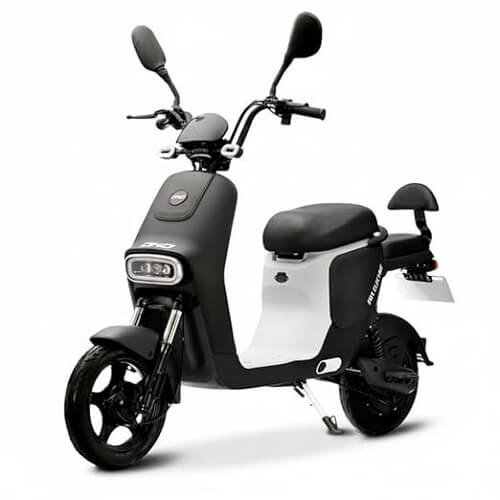
EOX OKO Electric Scooter – Removable Lithium Battery, 40-50 km Long-Range
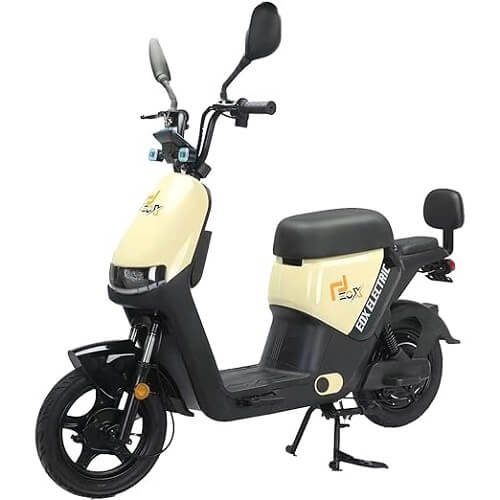
EOX OLO Low Speed Electric Scooter – 45Km Mileage, Pastel Yellow & Black
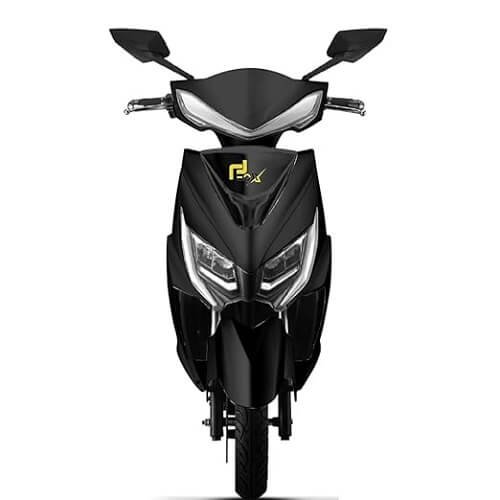
EOX E2 Low Speed Electric Scooter – 60-70Km Range, Portable Lithium Battery
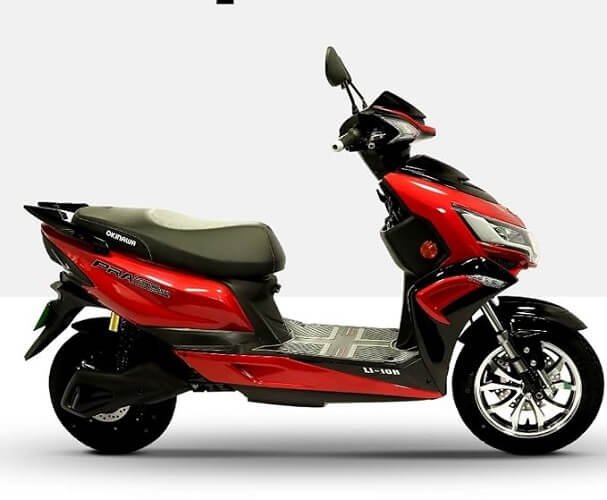
Okinawa Praise PRO Electric Scooter – Li-Ion Battery
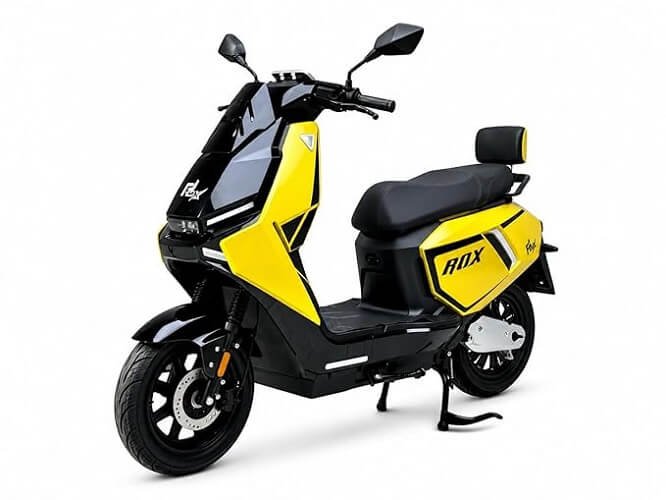
EOX® ROX Electric Scooter – 48V Removable Lithium Battery, 50-60 km Long-Range
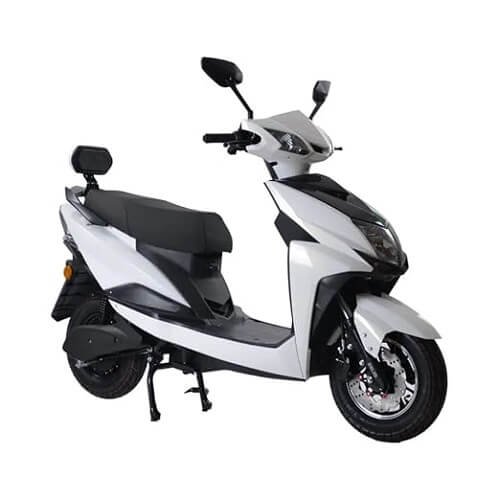
MIOOX Electric Scooter – 51.8V 28AH Range 55-65km Front Disc
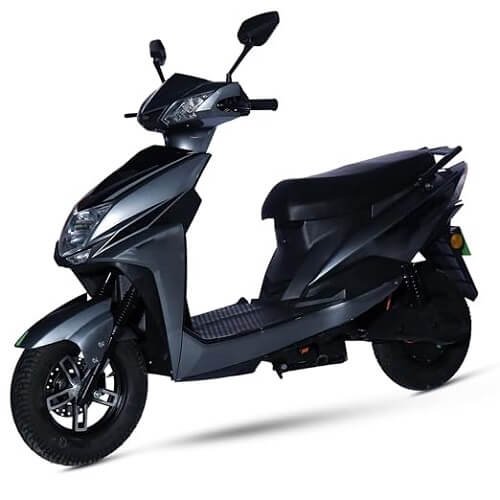
AMO Low Speed Electric Scooter – 60-70 Km Range in Grey
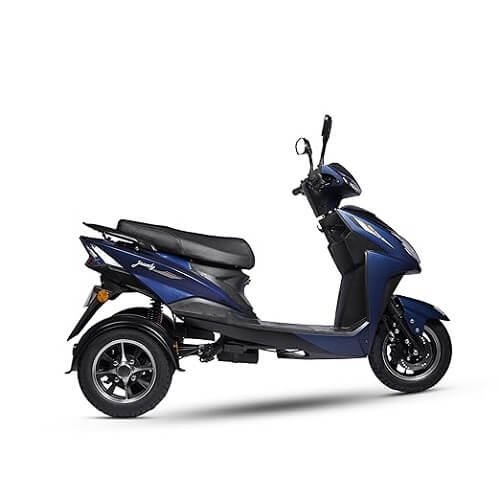
AMO Jaunty 3W Low-Speed Electric Scooter – Blue and Black
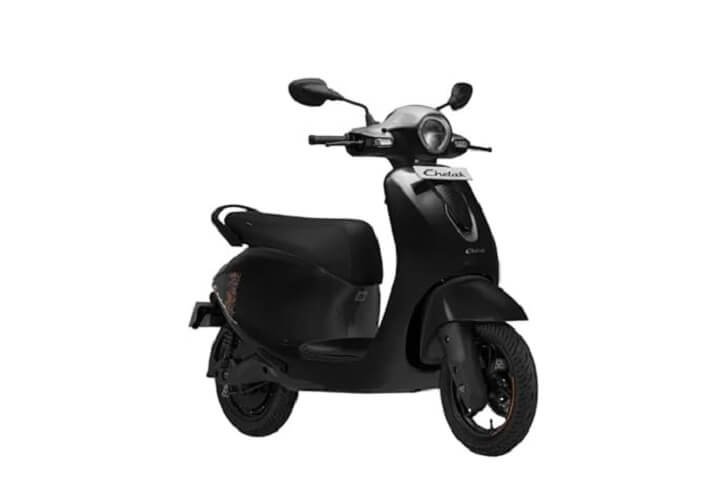
Bajaj Chetak C2501 Electric Scooter – Glossy Active Black
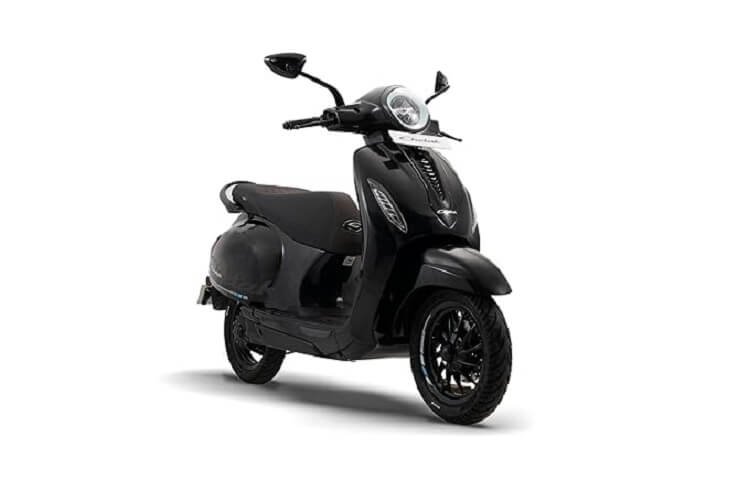
Bajaj Chetak C3501 Electric Scooter – Brooklyn Black
Royal Enfield Classic 350 with Disc & Alloy Wheels Motorcycle – Stealth Black
Royal Enfield Bullet 350 Disc & Spoke Wheel Motorcycle – Battalion Black
Royal Enfield Hunter 350 with Disc & Alloy Wheels Motorcycle – Dapper Grey
Hero MotoCorp Passion+ i3S Drum – Black Heavy Grey
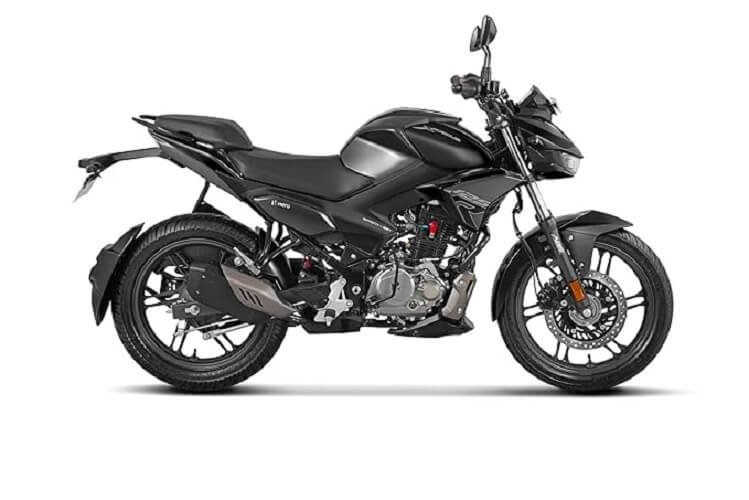
Hero MotoCorp XTREME 125R Bike(ABS) – Stallion Black
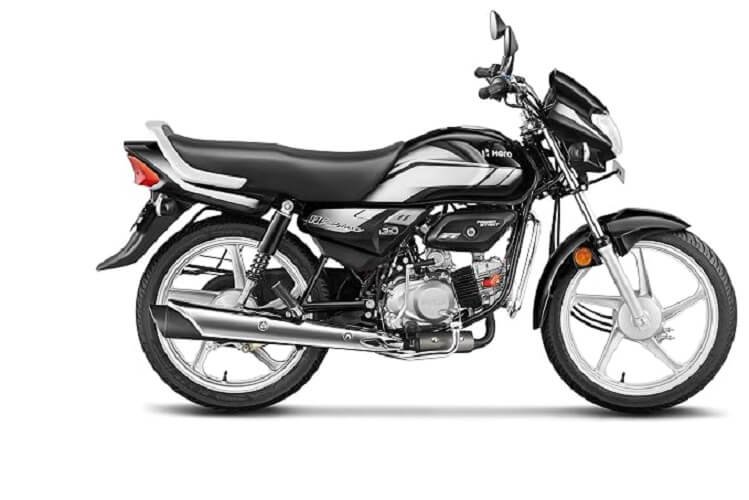
Hero MotoCorp HF Deluxe Drum – Black Grey
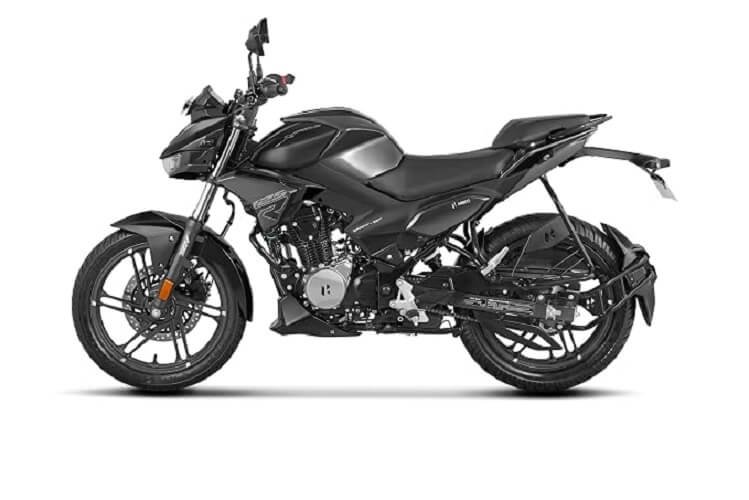
Hero MotoCorp XTREME 125R FI ABS SEAT DS (OBD2B) Motorcycles – Black
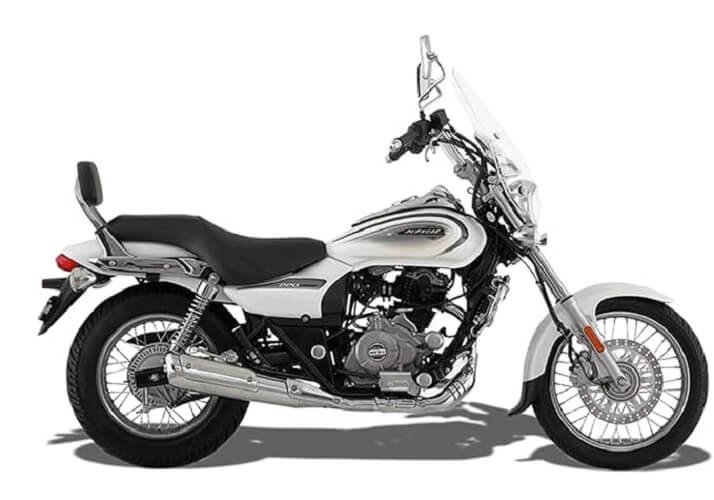
Bajaj Avenger 220 Cruise Motorcycle – Moon White
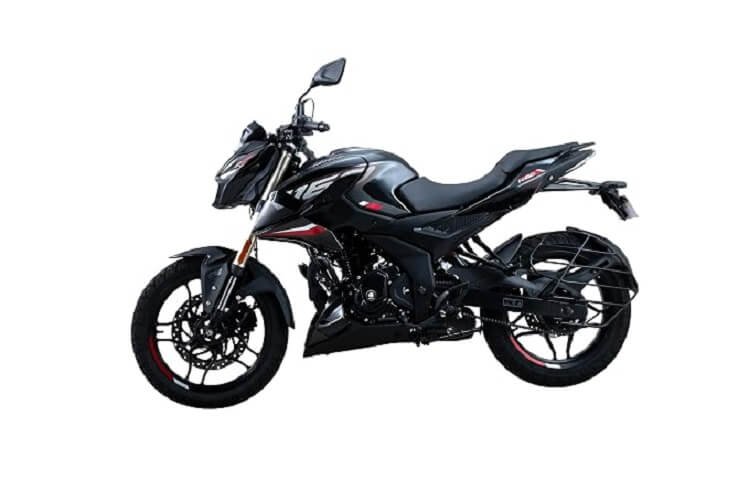
Bajaj Pulsar N 160 Ug Motorcycle – Brooklyn Black
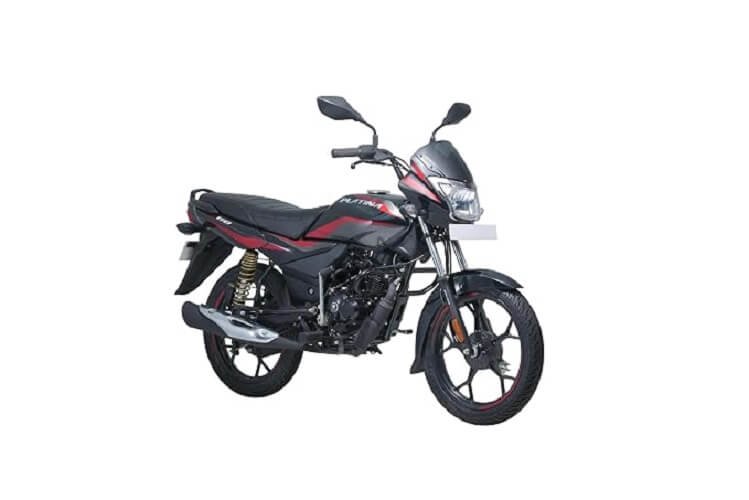
Bajaj Platina 110 Es Drum Motorcycle – Black Red
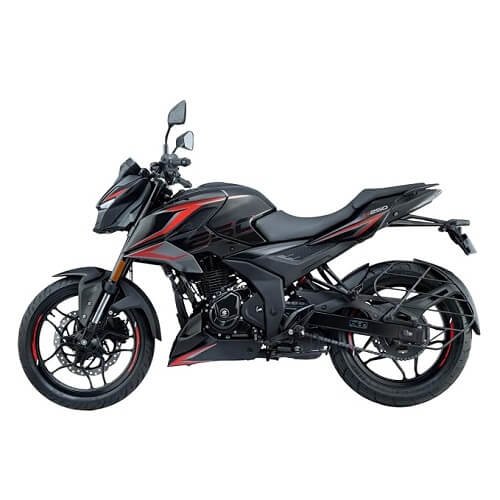
Bajaj Pulsar N 250 Ug Motorcycle – Brooklyn Black
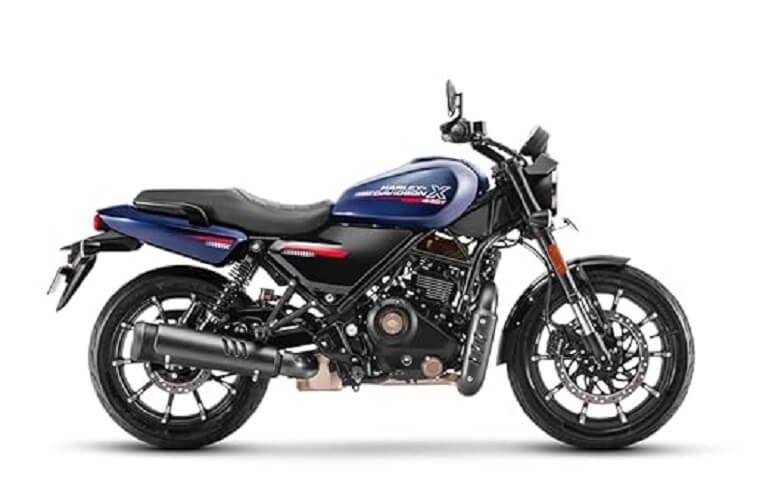
Harley Davidson X440 T 440cc Motorcycle – Pearl Blue
Harley Davidson X440 S 440cc Motorcycle – Matte Black
Harley Davidson X440 Vivid 440cc Motorcycle – Metallic Thick Red
Harley Davidson X440 T 440 CC Motorcycle – Pearl Red
KTM Duke 200 PRO Bike – Dark Galvano Black
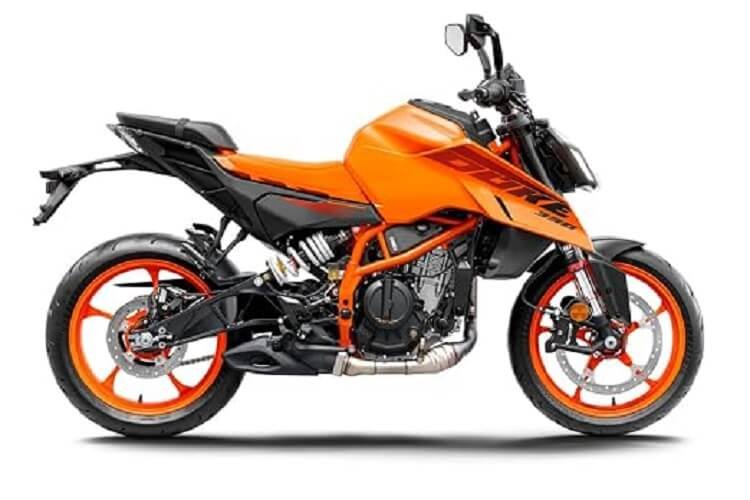
KTM Duke 390 R Bike – Electronic Orange
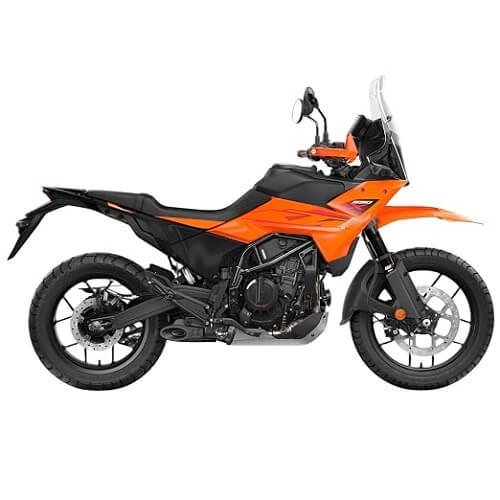
KTM Adventure X 390 Bike – Orange
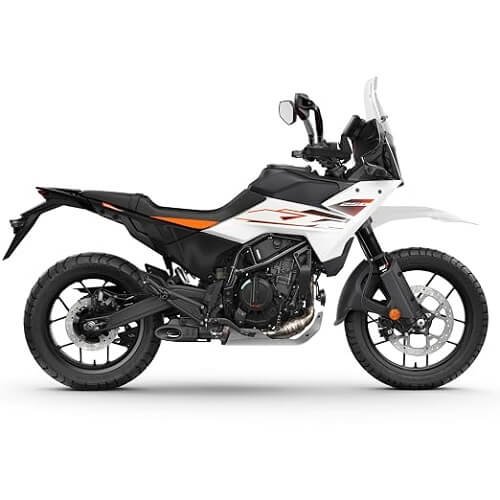
KTM Adventure 250 Bike – White
As an Amazon Associate, Neu Auto earns from qualifying purchases. When you purchase through one of the Amazon links above, Neu Auto may receive a commission at no additional cost to you.