

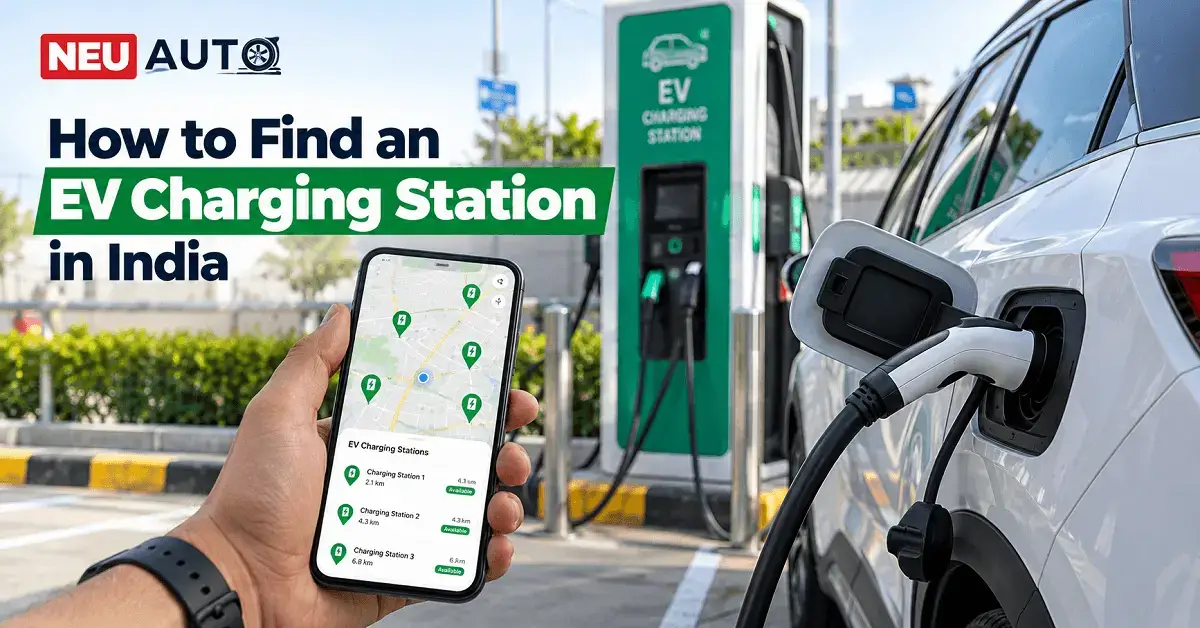
Finding EV charging stations in India is easier when you combine maps, charging-network apps, and your vehicle’s route planner. Before setting off, confirm the connector, charging speed, access hours, current status, and price—and save a backup station so a busy or offline charger doesn’t disrupt your trip.
What Are EV Charging Stations?
EV charging stations are locations where electric vehicles can recharge their batteries using electricity. Depending on the location and vehicle, charging may be available through public charging points, workplace facilities, shopping centres, hotels, residential complexes, dedicated charging hubs, and highway stops.
The right charging station depends on your vehicle, the connector it supports, the time you have available, and your journey. A charger nearby is not automatically the best option if it is incompatible, occupied, restricted to certain users, or temporarily out of service. For this reason, finding a station involves two steps: discovering a suitable location and verifying the information before travelling to it.
How to Find EV Charging Stations Near You
1. Use Google Maps
Google Maps is a convenient starting point when you need to find an electric car charging station nearby.
Follow these steps:
- Open Google Maps on your smartphone.
- Search for “EV charging station near me” or “electric car charging stations.”
- Review the nearby locations and open the most relevant listings.
- Check the address, directions, opening hours, available details, and recent reviews.
- Confirm the connector, price, and current status through the charging operator when possible.
- Select Directions only after confirming the station is suitable for your vehicle.
You can also search for charging stations in a specific city, locality, or along your intended route. Google Maps provides EV-related search and vehicle features in supported markets, but not every filtering or route-planning feature is available everywhere. Check the options in your own app and do not assume that a map listing confirms a charger is available when you arrive.
2. Check EV Charging Network Apps
Charging-network apps can help you identify stations within a provider’s network and, where supported, check charger availability, charging power, connector types, prices, and payment methods. Examples of charging networks and services to check in India include:
- Tata Power EZ Charge: Search for charging locations within its network.
- ChargeZone: Explore its charging locations and the availability information provided in its app.
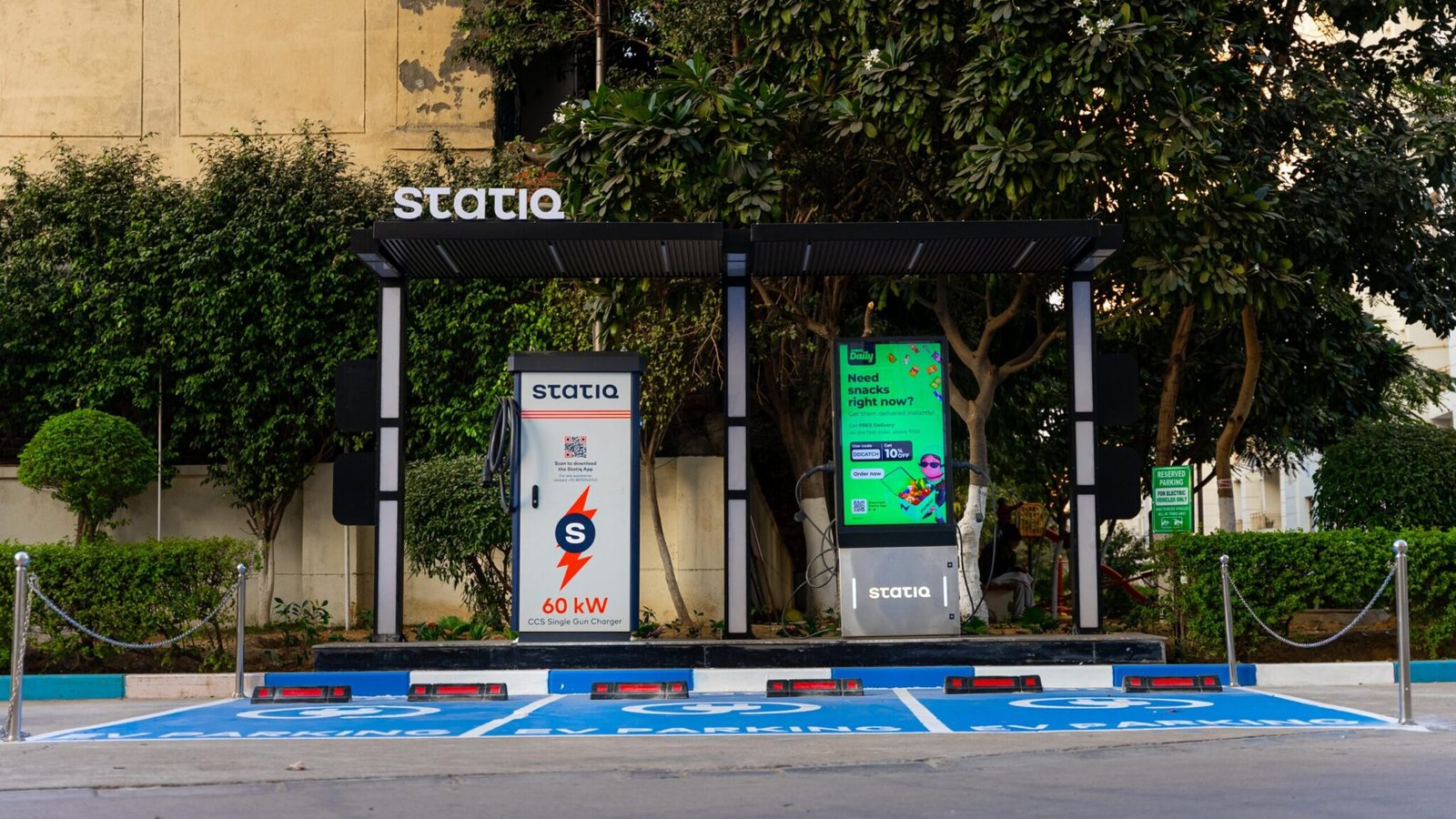
- Statiq: Check nearby network stations and the details available for each charger.
- Jio-bp pulse: Find charging locations through its official service.
- ZEON Charging: Explore charging options in the areas it serves.
- Your vehicle manufacturer’s app: Check whether it offers compatible charger discovery or route-planning features.
These are examples, not an exhaustive list. Coverage, app features, connector support, payment methods, and live-status information can change.
Practical tip: Check the operator’s own app before setting off, especially when the journey depends on a single charging stop. If your first-choice network does not show a suitable charger, search another network rather than assuming that one app lists every available station.
3. Use Your EV’s Built-In Navigation or Manufacturer’s App
Some electric vehicles include navigation systems or companion apps that help drivers locate charging stations and plan journeys. Depending on the vehicle and available software, these tools may provide compatible charging locations, estimated battery usage, remaining range, or suggested charging stops.
Check the owner’s manual or manufacturer’s official support information to understand which features your particular vehicle supports. Do not rely on a generic EV navigation feature without confirming that it works with your vehicle and in your region. Your vehicle’s charging specifications are particularly important when choosing between AC charging and DC fast charging.
4. Look for Chargers at Malls, Hotels, Offices, and Public Parking Areas
Shopping centres, hotels, restaurants, workplaces, dealerships, and public parking facilities can be convenient charging destinations because you may be able to recharge while completing another activity. However, a charger located on private property is not necessarily open to all drivers.
Before visiting, confirm:
- Whether non-residents or non-customers can use the charger.
- Whether a hotel booking, parking ticket, or reservation is required.
- Whether charging and parking are charged separately.
- Whether the connector suits your vehicle.
- Whether the facility is open during your intended visit.
When the listing is unclear, call the property or charging operator before leaving. A quick confirmation can prevent an unnecessary detour.
What to Check Before Choosing an EV Charging Station
Distance alone should not determine your choice. Use the following checklist to compare nearby charging points.
Connector compatibility
Check your vehicle’s supported connector and charging specifications in the owner’s manual or official manufacturer documentation. The charger must support a compatible connection, either directly or through an approved solution supported by your vehicle. Do not assume that every EV charging point works with every electric car, scooter, or motorcycle.
Charging speed and power
Compare the charger’s advertised power with your vehicle’s maximum supported charging rate. A high-power charger does not guarantee that your vehicle will charge at its maximum advertised output. Charging speed also depends on battery temperature, the current state of charge, and the charging equipment.
Current availability and operating status
Check the operator’s live-status information where available. Look for whether the connector is reported as operational, occupied, or unavailable. Status information can be delayed or incomplete. For an important stop, confirm directly with the operator when possible and keep a backup location ready.
Price and additional fees
Review the applicable charging price before starting a session. Check for energy charges, service fees, parking fees, idle fees, or other applicable costs. If a rate is displayed per kilowatt-hour (kWh), use that rate to estimate the energy charge. Always check the final pricing terms in the operator’s app or at the station.
Access and payment
Confirm opening hours, parking access, reservations, app registration requirements, and supported payment methods. A charger that matches your vehicle may still be unsuitable if you cannot access the premises or start a charging session.
Understanding EV Charging Types: AC and DC
Understanding the main types of EV chargers helps you choose a suitable location for daily charging and long-distance journeys.
| Charging type | Common use | What to check |
|---|---|---|
| AC charging | Home, workplace, hotels, and longer parking stops | Vehicle’s onboard charger, connector, and available power |
| DC fast charging | Highway journeys and faster top-ups | Vehicle compatibility, maximum charging rate, and station output |
| Two-wheeler charging | Electric scooters and motorcycles | Vehicle-specific connector and charging arrangement |
| Battery swapping | Compatible vehicles with exchangeable batteries | Vehicle and battery-system compatibility |
AC charging is often useful when the vehicle can remain parked for several hours. DC fast charging can add energy more quickly to compatible vehicles, making it useful during longer journeys. However, the actual charging time depends on your vehicle and the conditions of the charging session. Do not select a station by power rating alone. For additional technical information, consult the e-AMRIT EV charging standards and specifications.
How to Find EV Charging Stations on a Highway or Road Trip
Planning a longer journey requires more than locating a charger near your destination. You need to identify suitable stops along the route and account for real-world energy consumption. Before setting off on a long drive, estimate your expected travel expenses and plan your charging stops accordingly. Try our EV trip cost calculator to plan your journey budget more effectively.
Follow these steps before travelling:
- Enter your destination in your navigation app and examine suitable charging stops along the route.
- Use your vehicle’s recent energy consumption and realistic driving range rather than assuming the advertised range will always be achievable.
- Confirm each planned station’s connector, charging speed, access conditions, and operating status.
- Identify at least one alternative charging point for important stops.
- Allow a comfortable battery reserve for detours, traffic, weather, and unexpected delays.
- Recheck the next station before leaving each charging stop.
Driving speed, elevation changes, air conditioning, passenger and luggage loads, traffic, and weather can influence energy consumption. In less familiar areas, consider whether the location has safe parking, mobile-network coverage, and nearby facilities. Avoid planning a route that depends on reaching a charger with almost no battery reserve. For a more reliable estimate of journey expenses, combine route planning with a realistic estimate of your vehicle’s electricity consumption and the charging rates along the route.
What Is the Cost of Charging an EV at a Public Station?
The cost of charging an electric vehicle varies according to the energy added, the charging operator, the location, the charger type, and any additional charges. If you’re comparing the running costs of an electric vehicle with a petrol or diesel car, use our EV cost calculator to help evaluate your vehicle expenses.
A simple way to estimate the energy charge is:
Energy charge = Electricity added (kWh) × Price per kWh
For example, suppose you add 20 kWh at an illustrative rate of ₹18 per kWh.
20 kWh × ₹18 = ₹360.
The estimated energy charge is ₹360 before any applicable parking, service, or other fees. This is an example calculation, not a claim about the average public charging price in India. The price shown by an operator may change by location, charging network, tariff, or service. Check the current rate before starting a session. To estimate your running expenses more accurately, use the EV charging cost per km calculator. You can compare different electricity rates and use your vehicle’s own consumption figures to prepare a more relevant budget.
What Should You Do If an EV Charging Station Is Not Working?
A charger can appear on a map even when it is occupied, inaccessible, or temporarily out of service. If the first option fails, avoid driving around without a plan. Instead:
- Open another charging-network app or map and identify a compatible alternative.
- Check whether the alternative is reachable with your remaining battery.
- Contact the listed operator or property staff if the station’s status is unclear.
- Check access restrictions, opening hours, and payment requirements before changing your route.
- Contact roadside assistance or your vehicle manufacturer’s support service if you cannot safely reach a suitable charger.
Do not attempt improvised electrical connections or use charging equipment that is not approved for your vehicle. If the battery is critically low, prioritise reaching a safe location and obtaining appropriate assistance over making further detours.
How Many Public EV Charging Stations Are There in India?
India’s public EV charging infrastructure is expanding, but the number of reported stations should not be confused with the number of compatible chargers available at a particular moment. According to the Ministry of Heavy Industries, information from the BHEL portal indicated 52,718 public charging stations as of July 2026, including 16,561 public stations equipped with fast EV chargers for cars.
These figures describe reported public charging infrastructure. They do not establish that every station is operational, accessible to every driver, or available without waiting. The government has also allocated ₹2,000 crore under the PM E-DRIVE scheme for public EV charging infrastructure. You can review the official Ministry of Heavy Industries update for context. For individual drivers, the most useful question is not simply how many charging stations exist nationally. It is whether a suitable, accessible, working station is available along the route at the time it is needed.
Tips for Finding an EV Charging Station Faster
- Search for charging stations before your battery becomes critically low.
- Save the charging apps that cover your regular routes.
- Confirm connector compatibility and supported charging power.
- Check live-status information where available.
- Compare charging prices and additional fees before starting.
- Verify opening hours and public access requirements.
- Carry an accepted payment method and keep your phone charged.
- Save a backup station before starting a longer journey.
- Recheck your next stop as your journey progresses.
These habits make it easier to choose suitable charging locations and reduce avoidable delays.
Frequently Asked Questions About Finding EV Charging Stations
How do I find EV charging stations near me?
Open Google Maps or a suitable EV charging app and search for “EV charging station near me.” Compare nearby locations, then check connector compatibility, charging speed, access, price, and current status before travelling.
Which app is best for finding EV charging stations in India?
Google Maps is a useful starting point for discovering locations. You can also check charging-network apps such as Tata Power EZ Charge, ChargeZone, Statiq, Jio-bp pulse, and ZEON Charging. The best option depends on local coverage, connector compatibility, and the information available for the station.
Can I use Google Maps to find EV charging stations?
Yes, Google Maps can be used to search for charging locations. Available filters and EV-related navigation features vary by market and vehicle. Verify connector compatibility and current availability through the operator when possible.
How can I check whether an EV charging station is working?
Check the charging operator’s app for current status, where supported. Review recent station information and contact the operator or site staff if the status is unclear. Keep another compatible charging location as a backup.
How much does it cost to charge an EV at a public station?
The cost depends on the energy added, the operator’s rate, the charger type, and any additional fees. Multiply the energy added in kWh by the applicable price per kWh to estimate the energy charge, then add other charges where applicable.
Can I find EV charging stations on a highway?
Yes. Use a map, charging-network app, or supported vehicle navigation system to identify charging stops along your route. Verify each station’s compatibility, access, and status, and plan alternatives in case a charging stop is unavailable.
What should I do if my EV runs out of charge?
Move to a safe location if possible and follow your vehicle’s emergency guidance. Contact roadside assistance or the manufacturer’s support service for appropriate recovery or charging assistance. Do not attempt unsafe electrical connections or continue driving when the vehicle cannot do so safely.
Conclusion
Finding EV charging stations near you in India is easier when you combine maps, charging-network apps, vehicle navigation, and practical route planning. Before setting off, check compatibility, charging speed, price, access, and current station status. For longer journeys, identify backup locations and plan around realistic driving range rather than relying on a single charging point. A little preparation helps you make better charging decisions, avoid unnecessary detours, and travel with greater confidence.

Rate This Article
5 ★ 1 rating
Thanks for rating!
All Car Brands
View all brands →
















More Updates
Handpicked Accessories for Every Journey
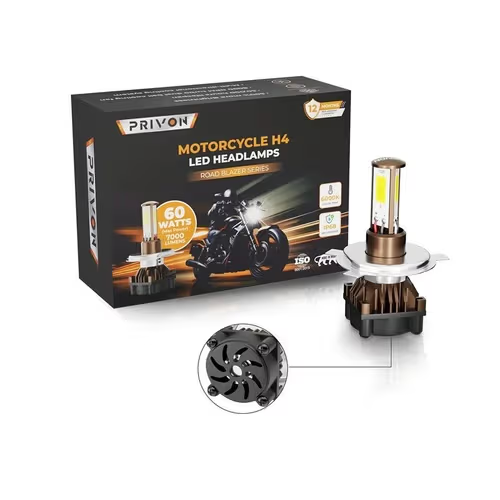
PRIVON 60W H4 LED Headlight for Bike – 7000L, 6000K White LED Light for Night Ride
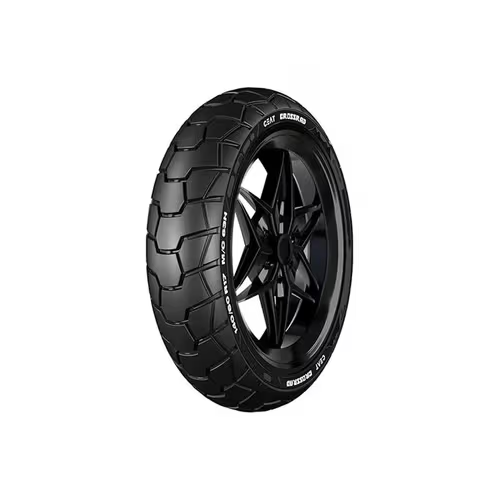
Ceat Zoom Rad 140/60 R17 63P Tubeless Bike Tyre

ShineXPro Helmet Cleaner & Microfiber Cloth – Anti Bacterial Foaming Helmet Cleaning Spray
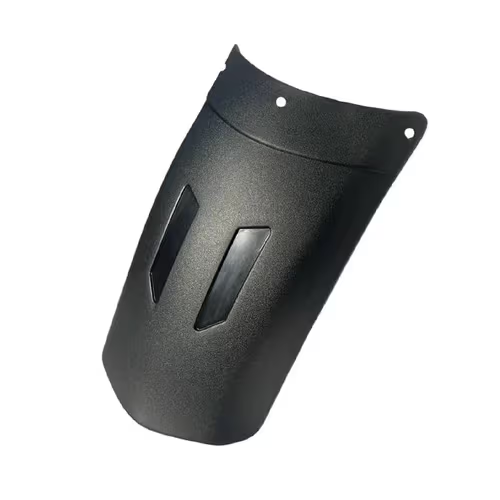
Universal Front Fender Mudguard Extender Extension Fits for Motorcycle

Boldfit Full Face Helmet Mask for Bikers in Riding UV Protected
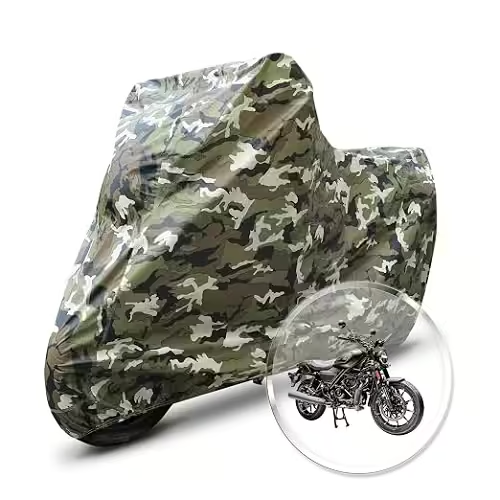
Neodrift JungleMax Bike Cover for Harley-Davidson X440
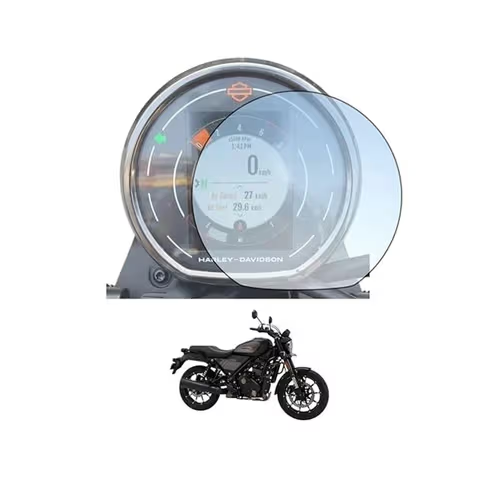
Wisely Pack 2 Screen Guard for Harley Davidson X440T Bike – Instrument Cluster Accessories
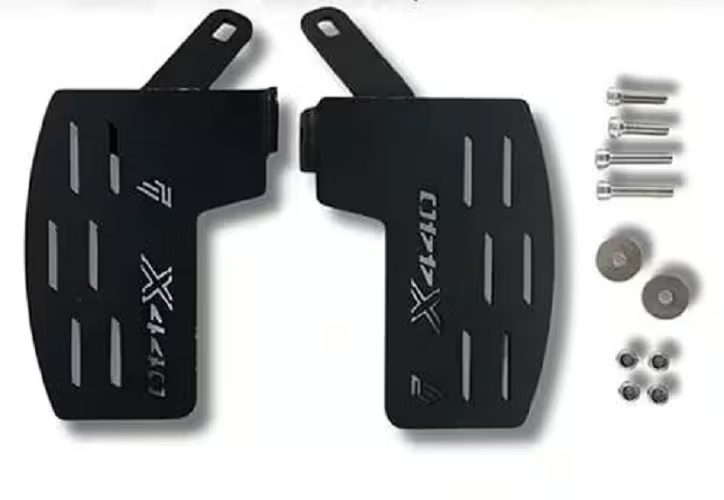
PHANTOM Premium Adjustable Footrest for Harley – Motorcycle Accessory for Touring & City Riding
L3 MODZ Ladies Foot Rest for KTM Duke (BS6 Gen2) Models
Apollo Alpha S1 130/70 R17 62H Radial Tubeless Bike Tyre
30W Motorcycle Type-C USB Phone Charger with PD & Quick Charge
ELTRON TURBO Turn Signal Indicator Lights Compatible for KTM
Steelbird SBA 7 7Wings Flip-Up Helmet for Men with Skull Cap
Vega Atom Open Face Helmet with Clear Visor, Black
Steelbird SBH-23 Brutal Open Face Helmet with Skull Cap
Axor X Cross Dual Visor Full Face Off-Road Helmet – Dull Black Orange

Probiker Protective Full Finger Bike Riding Gloves – Motorcycle, Cycling, and Hiking

XTRIM Protekt Universal Bike Riding Gloves for Men – Black, Red

Rynox Air GT Leather Motorcycle Riding Gloves – Cuff Length | Grey Red

BADOWL RYDON Knuckle Protection Riding Gloves – Touchscreen Sports Gloves

Microfiber Car Duster with Long Handle Cleaning Brush

Robustt Car Interior Cleaning Brush Combo – Scratch Free Car Duster

ORJILO 5-Piece Microfiber Car Duster Kit – Extendable Long Handle Duster for Car

ShineXPro Microfiber Car Cleaning Cloth (500 GSM, Extra Large (35×75 CM))

Wavex Tyre Polish for Car & Bike (1L) – With Applicator and Microfiber Cloth

ShineXPro Glass Cleaner Spray (300 ml) – Streak Free Car Glass Cleaner Liquid

SOFTSPUN Microfiber Chenille Wash Mitt (1700 GSM)

Tusa V1 Cordless Vacuum Cleaner for Car – High Power Portable Lightweight Wireless Vacuum

SOFTSPUN Microfiber Cloth (40×40 cm, 340 GSM) – Automotive Microfibre Towels for Car
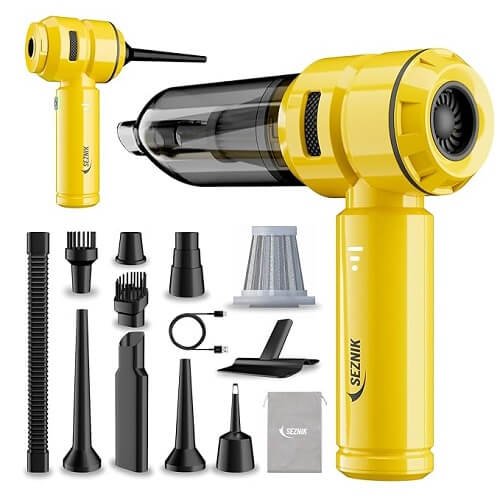
SEZNIK 4-in-1 Cordless Vacuum Cleaner & Blower

GOODAIR Royal Premium Non-Electric Car Air Purifier
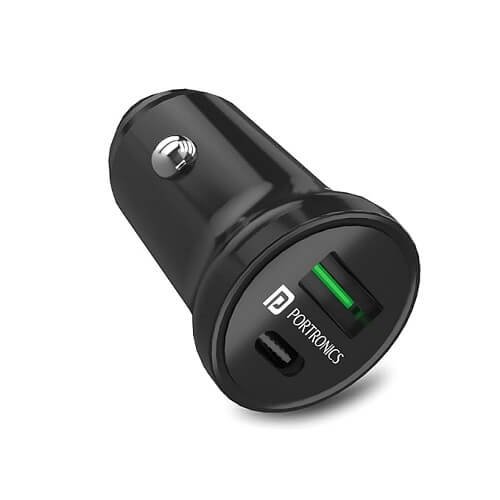
Portronics 38W Dual Output Fast Car Charger with 20W Type-C PD & 18W USB with Cars for iPhone

AutoBizarre High Gloss Carbon Fibre Paint Protection For Car

APPUCOCO Mini Car Trash Bin – Black
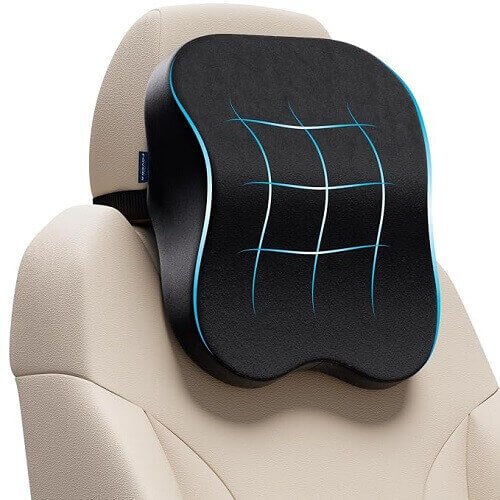
FOVERA Memory Foam Car Neck Rest Pillow – Medium, Black

360° Vacuum Magnetic Car Phone Mount – Strong Suction Cup Phone Holder for Car
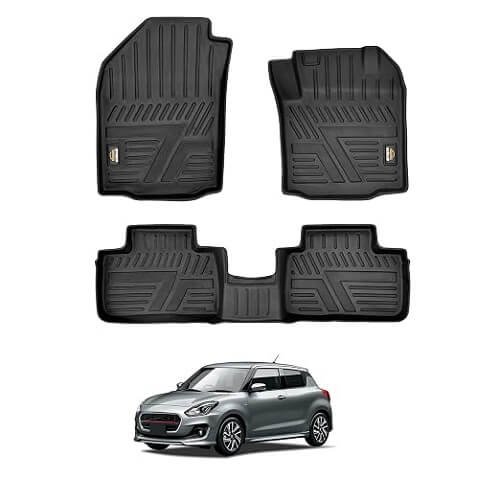
Amazon Basics 5D Custom Fit Car Floor Mats for Swift Facelift
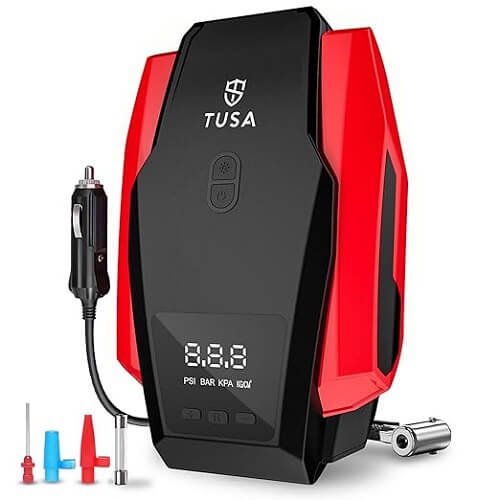
TUSA Drive X 12V DC Portable Tyre Inflator – 150 PSI, Air Compressor
![Qubo Dashcam Pro 4K [2026 Edition] – Dual Channel | ADAS | Ultra-Wide 8MP UHD+ Front, 2MP FHD Rear](https://neudeals.co/wp-content/uploads/2026/09/Qubo-Dashcam-Pro-4K-Sensor.jpg)
Qubo Dashcam Pro 4K [2026 Edition] – Dual Channel | ADAS | Ultra-Wide 8MP UHD+ Front, 2MP FHD Rear
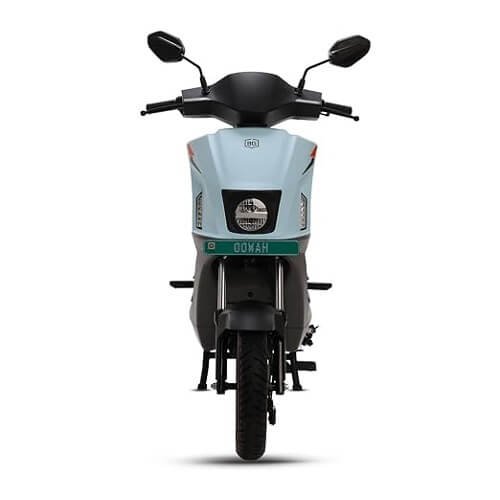
Oowah EX Electric Scooter – Removable Lithium-ion Battery , Laguna Blue
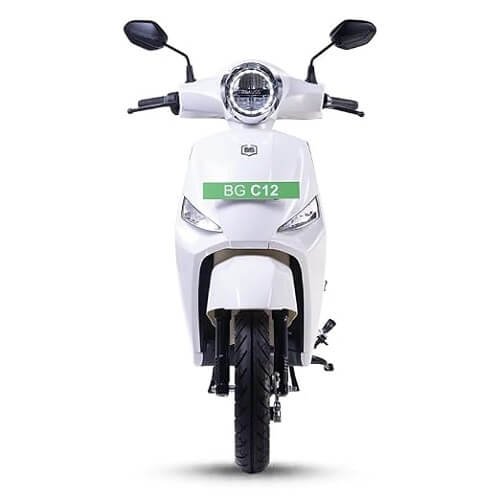
BG C12i EX Gen 2 Electric Scooter – Removable 2.0 kWh LFP Battery, 60 km/h Top Speed
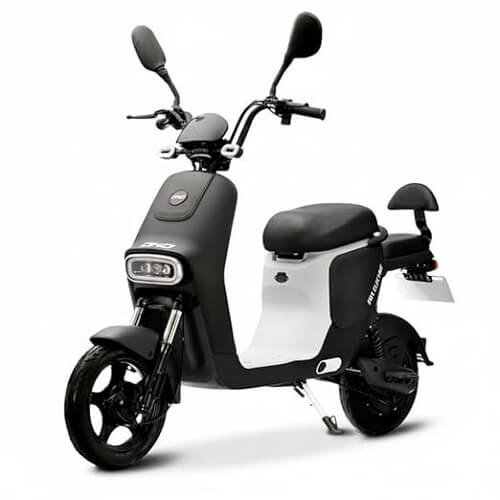
EOX OKO Electric Scooter – Removable Lithium Battery, 40-50 km Long-Range
EOX OLO Low Speed Electric Scooter – 45Km Mileage, Pastel Yellow & Black
EOX E2 Low Speed Electric Scooter – 60-70Km Range, Portable Lithium Battery
Okinawa Praise PRO Electric Scooter – Li-Ion Battery
EOX® ROX Electric Scooter – 48V Removable Lithium Battery, 50-60 km Long-Range
MIOOX Electric Scooter – 51.8V 28AH Range 55-65km Front Disc
AMO Low Speed Electric Scooter – 60-70 Km Range in Grey
AMO Jaunty 3W Low-Speed Electric Scooter – Blue and Black
Bajaj Chetak C2501 Electric Scooter – Glossy Active Black
Bajaj Chetak C3501 Electric Scooter – Brooklyn Black
Royal Enfield Classic 350 with Disc & Alloy Wheels Motorcycle – Stealth Black
Royal Enfield Bullet 350 Disc & Spoke Wheel Motorcycle – Battalion Black
Royal Enfield Hunter 350 with Disc & Alloy Wheels Motorcycle – Dapper Grey
Hero MotoCorp Passion+ i3S Drum – Black Heavy Grey
Hero MotoCorp XTREME 125R Bike(ABS) – Stallion Black
Hero MotoCorp HF Deluxe Drum – Black Grey
Hero MotoCorp XTREME 125R FI ABS SEAT DS (OBD2B) Motorcycles – Black
Bajaj Avenger 220 Cruise Motorcycle – Moon White
Bajaj Pulsar N 160 Ug Motorcycle – Brooklyn Black
Bajaj Platina 110 Es Drum Motorcycle – Black Red
Bajaj Pulsar N 250 Ug Motorcycle – Brooklyn Black
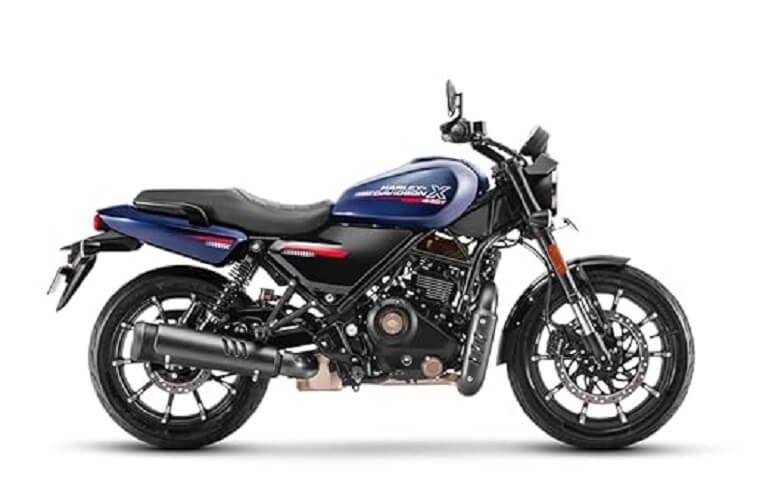
Harley Davidson X440 T 440cc Motorcycle – Pearl Blue
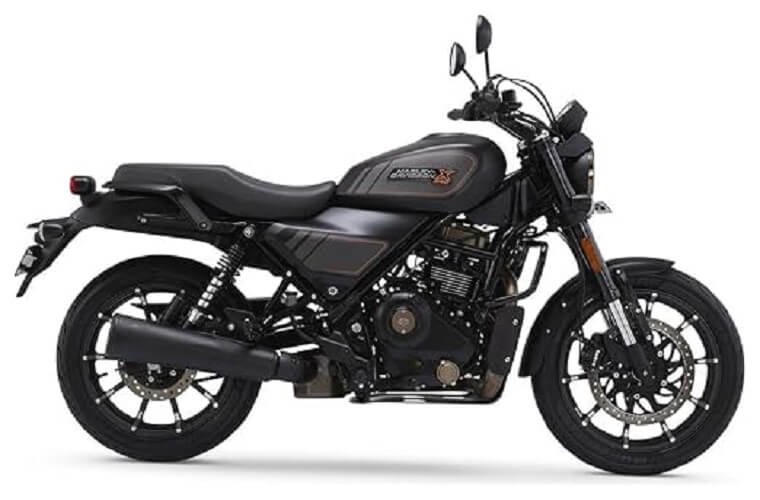
Harley Davidson X440 S 440cc Motorcycle – Matte Black
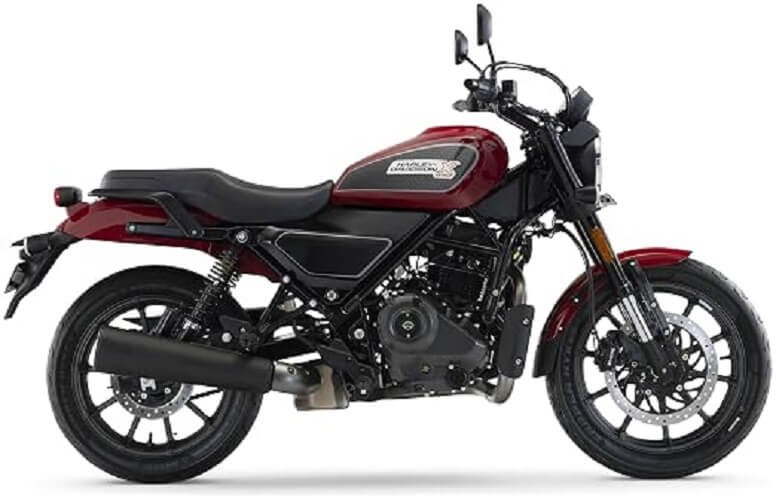
Harley Davidson X440 Vivid 440cc Motorcycle – Metallic Thick Red
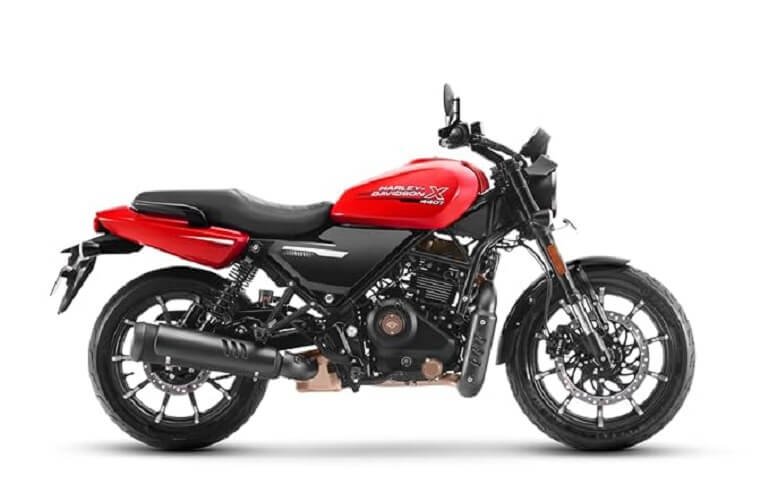
Harley Davidson X440 T 440 CC Motorcycle – Pearl Red
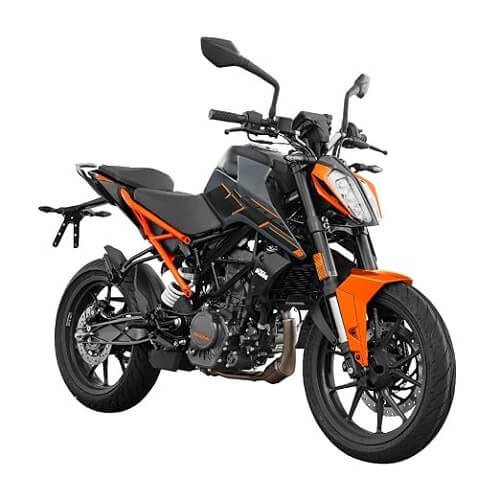
KTM Duke 200 PRO Bike – Dark Galvano Black
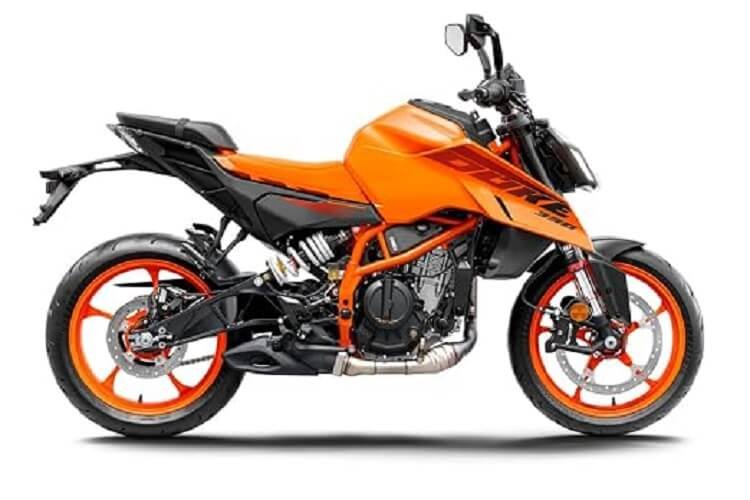
KTM Duke 390 R Bike – Electronic Orange
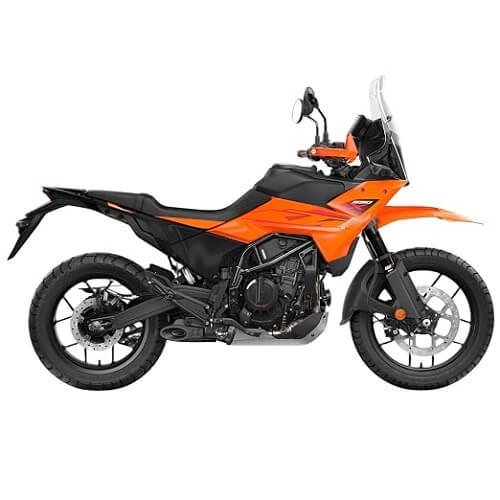
KTM Adventure X 390 Bike – Orange
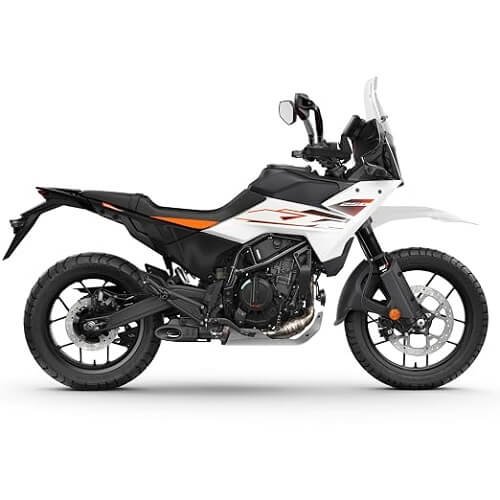
KTM Adventure 250 Bike – White
As an Amazon Associate, Neu Auto earns from qualifying purchases. When you purchase through one of the Amazon links above, Neu Auto may receive a commission at no additional cost to you.