

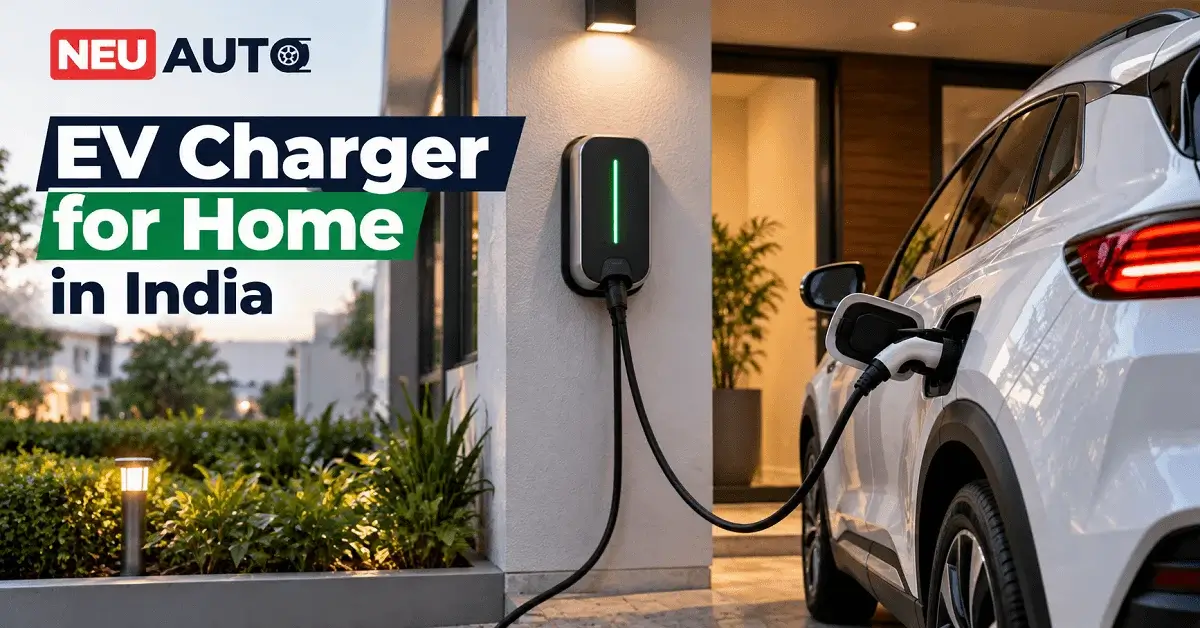
An EV charger for home lets you charge your electric car while it is parked, often overnight. The right setup depends on your vehicle’s AC charging limit, daily driving distance, available electrical load and parking arrangement. Compare charger power, installation costs, safety features and warranty before buying. Choosing a home charger is only one part of owning an electric vehicle. Explore our guide to electric car charging options in India to understand charging types, public stations and practical charging considerations.
What Is an EV Charger for Home?
A home EV charger is equipment that allows you to charge an electric vehicle using electricity at your house, apartment or designated parking space. Most residential installations use AC charging equipment, which supplies power to the vehicle’s onboard charger. The vehicle manages how electricity enters its battery. Charging speed depends on the charger’s output, the vehicle’s maximum AC charging rate, the available electrical supply and the battery’s current condition. A higher-rated charger does not automatically make every electric car charge faster.
Types of Home EV Chargers
Portable EV chargers: These offer flexibility and can be useful where a compatible electrical connection is available. Power output depends on the equipment, socket and supply. For example, Kia’s portable charger information describes 3.3 kW and 7.4 kW options with different electrical requirements.
Wall-mounted EV chargers: These provide a fixed charging point in a home parking area and are convenient for regular use. Models vary by power rating, connector, cable length, weather protection and smart features. Kia also lists 7.4 kW single-phase and 11 kW three-phase home charging options on its official home charger page.
These specifications are examples, not universal requirements. Before choosing a charger, consult your vehicle’s instructions and confirm that the electrical supply at your property can support it.
Home EV Charging vs Public EV Charging
Home and public chargers serve different purposes. A home charger can make daily charging convenient, while public charging provides alternatives when you cannot charge at home or need to replenish your battery during a longer journey.
| Feature | Home EV charging | Public EV charging |
|---|---|---|
| Main purpose | Regular charging at your residence | Charging during travel or away from home |
| Charger type | Usually AC charging | AC charging or DC fast charging, depending on the station |
| Initial cost | May involve buying equipment and paying for installation | Usually no personal charger installation cost |
| Electricity cost | Based on your applicable residential tariff and charging losses | Based on the operator’s tariff and any applicable extra fees |
| Charging speed | Depends on home charger power and vehicle AC charging limits | Depends on charger power, connector compatibility and vehicle limits |
| Convenience | Can charge while parked at home, subject to access and installation | Requires travelling to a station and depending on its access and availability |
| Installation | Requires suitable electrical capacity and an appropriate setup | Managed by the station operator, though access rules vary |
| Best suited to | Regular commuters with convenient parking | Highway travel, longer journeys and drivers without reliable home charging |
| Main consideration | Electrical suitability and installation cost | Station availability, compatibility, pricing and possible waiting time |
When you cannot charge at home, a public charging station can provide another option. Use our guide to finding EV charging stations near you to learn what to check before travelling to a charger.
Which Is Better: Home or Public Charging?
Home charging is often convenient if you have a dedicated parking space and a suitable electrical connection. It lets you charge while the vehicle is parked and may help you make use of lower electricity tariffs if your utility offers them. Public charging is useful when you travel long distances, cannot install a home charger or need charging away from your usual parking location. DC fast chargers can add energy more quickly to compatible vehicles, although charging speed depends on the vehicle’s charging curve and battery conditions.
Your actual costs depend on local electricity tariffs, public network prices, vehicle efficiency and how much energy you use. A driver with reliable home charging may need public chargers mainly for occasional journeys, while someone living in an apartment without a dedicated charging point may depend on public infrastructure more regularly. For a practical decision, compare the cost of installing a home charger with your expected public charging use. Also identify compatible public chargers near your home, workplace and regular travel routes before choosing how you will charge.
How to Choose the Right EV Charger for Home
The best home charging station is not necessarily the most powerful or expensive model. Start with your vehicle’s charging specifications, daily driving distance and the time your car remains parked at home.
If you drive relatively short distances and leave your car connected overnight, a lower-powered charger may meet your needs. If you travel farther or want more flexibility between journeys, a compatible 7 kW or 7.4 kW charger may be worth considering.
Before buying, check the following:
- Vehicle compatibility: Verify the connector and maximum AC charging rate for your exact model and variant.
- Electrical capacity: Ask a qualified installer to assess your available load, wiring, earthing and required protection.
- Parking arrangement: Check cable length, mounting position and exposure to weather.
- Installation and service: Confirm the complete installed price, warranty and local after-sales support.
- Daily charging needs: Estimate the energy you use on a typical day instead of choosing a charger based on maximum power alone.
- Future requirements: If you may own two EVs, ask whether load management or an additional charging point would be practical.
A lower-powered charger may be sufficient for some households, while others will benefit from faster AC charging. The right choice depends on the vehicle, home supply and driving pattern.
Check Your Car’s AC Charging Capacity
Your vehicle’s maximum AC charging rate is one of the most important specifications to check. A 7.4 kW charger cannot make a car charge at 7.4 kW if the vehicle accepts a lower AC rate. Similarly, a car that supports higher power may charge more slowly when connected to a lower-rated unit.
Use your owner’s manual or the manufacturer’s official specification sheet to confirm the charging rate and connector for your exact model and variant. This is particularly important when comparing EVs from Tata Motors, MG, Mahindra, Hyundai, and Kia. The goal is to match the charger to the car you actually own rather than paying extra for power that the vehicle cannot use. Your charging expenses depend on your electricity tariff, vehicle efficiency and where you charge. Use the EV charging cost per kilometre calculator to estimate electricity expenses using your vehicle’s consumption and applicable rate.
How to Install an EV Charger at Home
Home charger installation begins with checking whether your property can safely support the selected equipment. Contact your vehicle manufacturer’s authorised charging partner or a qualified installer with relevant EV charging experience.
A typical installation involves these steps:
- Inspect the site: Assess the electrical panel, available load, wiring, earthing, parking location and cable route.
- Confirm compatibility: Match the equipment to the vehicle, connector and available electrical supply.
- Get an itemised quotation: Separate the charger price, labour, cabling, protection equipment, testing and potential electrical upgrades.
- Complete the installation: Follow the charger’s installation instructions and applicable electrical requirements.
- Test the equipment: Ask the installer to check the charging connection and required protective systems.
- Keep the documents: Retain the invoice, installation report, warranty information and service contacts.
If you live in an apartment or housing society, check permission requirements, cable routing, metering and shared electrical infrastructure with the building management before installation.
India’s Guidelines for Installation and Operation of Electric Vehicle Charging Infrastructure, 2024 provide relevant regulatory context. The installer should also check applicable electrical requirements and local conditions.
Seven Features to Check Before Buying a Home EV Charger
Safety, compatibility and reliability should come before convenience features. Review the product datasheet and installation quotation instead of relying only on promotional descriptions.
- Suitable charging power: Choose a rating your vehicle and electrical supply can support.
- Compatible connector: Verify the connector and charging standard against your car’s specifications.
- Electrical protection: Ask the installer about required overcurrent, earth-leakage and surge protection.
- Weather protection: For outdoor locations, choose equipment rated for the conditions where it will be installed.
- Smart charging controls: Scheduling and energy monitoring may help manage charging around household electricity use.
- Cable length and mounting: Make sure the cable reaches the charging port without crossing walkways or creating hazards.
- Warranty and service: Check coverage, exclusions, support procedures and service availability in your city.
Not every charger includes the same protection systems or app features. Ask the supplier to identify the equipment’s actual capabilities in the product datasheet.
What Safety Tips Should You Follow When Charging at Home?
Safe home charging starts with compatible equipment and a properly assessed electrical installation. Do not assume an ordinary household socket is suitable for prolonged charging simply because the plug fits. Use a suitable circuit and the protection specified by the charger manufacturer and installer. Avoid extension boards, improvised adapters and damaged sockets unless an explicitly approved arrangement has been confirmed by a qualified professional.
Keep connectors clean and dry, protect cables from vehicle movement and foot traffic, and use equipment rated for the intended installation conditions. If you notice excessive heat, a burning smell, sparks, visible damage or repeated electrical trips, stop charging if it is safe to do so and contact the installer or service provider. Do not open the charger or attempt electrical repairs yourself.
Home EV Charging Safety Checklist
- Confirm that the charger is approved for your vehicle and electrical supply.
- Have a qualified installer check wiring, earthing, load capacity and protection.
- Keep cables away from standing water, sharp edges and moving vehicles.
- Do not use damaged plugs, loose sockets or improvised connections.
- Follow manufacturer instructions for operation, cleaning and fault alerts.
- Keep your installation report, warranty documents and service contact details.
- Ask the installer to demonstrate normal operation and explain how to respond to a fault.
The Central Electricity Authority’s EV charging guidance and the Bureau of Energy Efficiency’s charging-infrastructure resources provide further context. Follow the requirements applicable to your installation and the equipment manufacturer’s instructions.
Frequently Asked Questions About EV Chargers for Home
Who supplies EV charging stations?
Home EV charging equipment is available through vehicle manufacturers, authorised charging partners and specialist charging-equipment suppliers. In India, you can explore home charging solutions from Tata Power EZ Charge and review vehicle-specific recommendations from your car manufacturer. Kia also provides official information about portable and fixed home chargers. Compare product specifications, warranty terms, installation support and local service availability before buying.
Can I install my own car charger at home?
A portable charger may be used with a suitable electrical connection when the manufacturer permits that setup and the outlet meets the required specifications. However, fixed wall-mounted charger installation involves electrical work that should be handled by a qualified professional or authorised installer. Proper wiring, earthing, circuit protection and available electrical capacity must be checked before use.
How much should it cost to install an EV charger at home?
The price varies with charger power, brand, cabling, labour and your home’s electrical condition. A straightforward installation may cost much less than one requiring new wiring, earthing improvements, civil work or a load upgrade. Request an itemised quotation separating the charger price, installation labour and extra electrical work. Also check whether the vehicle purchase includes a charger or a qualifying installation offer.
Can a normal electrician fit an EV charger?
A qualified electrician with relevant EV-charging experience may be able to complete the work if the installation meets applicable requirements and the manufacturer’s instructions. Some brands require installation by an authorised partner for warranty purposes. Confirm the manufacturer’s policy before appointing an installer, and make sure the electrical supply, earthing, protective devices and charger compatibility are checked.
How many volts is a home EV charger?
Many single-phase residential charging systems in India use a nominal 230 V AC supply. For example, Tata Power’s published specification for one 7.4 kW AC charger lists a 230 V AC input and a maximum current of 32 A. Other equipment can have different electrical requirements, so check the exact charger’s datasheet and ask a qualified professional to assess your supply.
Source: Tata Power’s 7.4 kW AC charger specification.
How much does a 20 kW EV charger cost?
There is no single price for every 20 kW charger. The total depends on whether the unit is AC or DC, the equipment specification, installation requirements and electrical infrastructure at the property. A setup of this capacity may require more substantial electrical work than a typical residential charger. Check whether your vehicle supports the charging power and obtain a quotation from an experienced supplier before comparing prices.
What is the best EV charger for home use?
The best home EV charger is compatible with your vehicle, electrical supply, budget and daily driving routine. A 3.3 kW charger may suit drivers who park overnight and travel relatively short distances, while a 7 kW or 7.4 kW unit can offer faster charging for compatible vehicles. Compare electrical protection, connector compatibility, warranty, installation support and local service availability. Start with the vehicle manufacturer’s recommendations before choosing equipment.
What brand of EV charger is best?
There is no single best brand for every EV owner. Tata Power EZ Charge offers residential charging solutions, while Tata.ev and Kia provide information about charging equipment and manufacturer-supported installation options. Your decision should depend on product specifications, compatibility, warranty terms, service access and total installation cost. Compare official technical details and written quotations instead of choosing solely on advertising or price.
Which is better, a 3 kW or 7 kW home charger?
A 7 kW charger can be more convenient when you need to replace more energy in less time and both the vehicle and home electrical supply support it. A 3 kW charger may be sufficient if you drive shorter distances and can leave the car connected overnight. Check the vehicle’s maximum AC charging rate and your home’s electrical capacity before paying extra for higher-powered equipment.
Final Thoughts
Choosing an EV charger for home use means balancing charging speed, vehicle compatibility, electrical safety and total installation cost. A compatible 7 kW or 7.4 kW charger may provide greater flexibility for some households, while a lower-powered unit can suit drivers with modest daily travel and overnight parking. Home charging can be convenient for everyday use, while public chargers remain valuable for long journeys and drivers without reliable residential charging access. Compare home installation costs with your expected public charging expenses before deciding how you will charge.
Start with the vehicle manufacturer’s charging specifications, ask a qualified installer to assess your electrical supply and parking arrangement, and compare written quotations before purchasing. A properly selected and installed charger can make daily EV ownership easier without requiring you to buy the most expensive or powerful equipment. Planning charging costs can help you prepare for everyday driving and longer journeys. Try our EV trip cost calculator to estimate the electricity expenses for your planned distance and compare them with petrol running costs.
Sources and Research Methodology
This guide uses published manufacturer specifications, government charging-infrastructure guidance and product information. Charger power ratings and electrical requirements are attributed to the specific products or official resources referenced. Actual installation needs depend on the vehicle, property, electrical supply and applicable requirements. Neu Auto has not conducted an electrical site inspection or independently tested every charger mentioned. Consult your vehicle manufacturer and a qualified or authorised installer before purchasing equipment or arranging installation.
- Bureau of Energy Efficiency: Charging-infrastructure specifications
- Government of India: EV Charging Infrastructure Guidelines, 2024
- Central Electricity Authority: EV charging guidelines
- Tata Power: 7.4 kW AC home charger specification
- Kia India: Home EV chargers
- Kia India: Portable EV chargers
- Tata.ev: Home charging support

Rate This Article
5 ★ 1 rating
Thanks for rating!
All Car Brands
View all brands →
















More Updates
Handpicked Accessories for Every Journey
PRIVON 60W H4 LED Headlight for Bike – 7000L, 6000K White LED Light for Night Ride
Ceat Zoom Rad 140/60 R17 63P Tubeless Bike Tyre

ShineXPro Helmet Cleaner & Microfiber Cloth – Anti Bacterial Foaming Helmet Cleaning Spray
Universal Front Fender Mudguard Extender Extension Fits for Motorcycle

Boldfit Full Face Helmet Mask for Bikers in Riding UV Protected

Neodrift JungleMax Bike Cover for Harley-Davidson X440
Wisely Pack 2 Screen Guard for Harley Davidson X440T Bike – Instrument Cluster Accessories
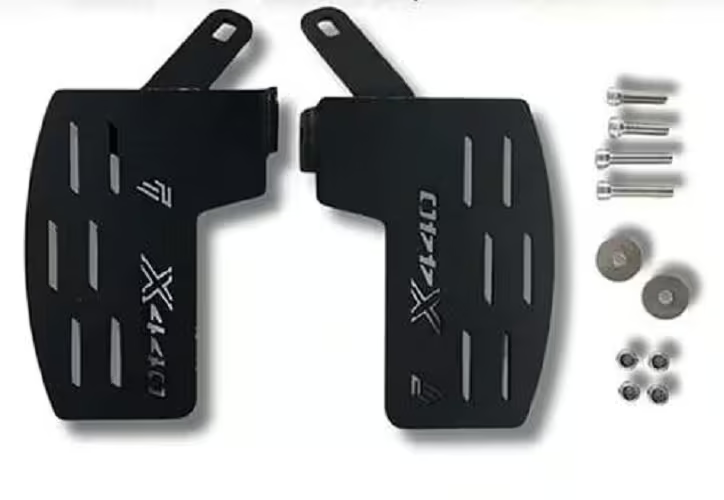
PHANTOM Premium Adjustable Footrest for Harley – Motorcycle Accessory for Touring & City Riding
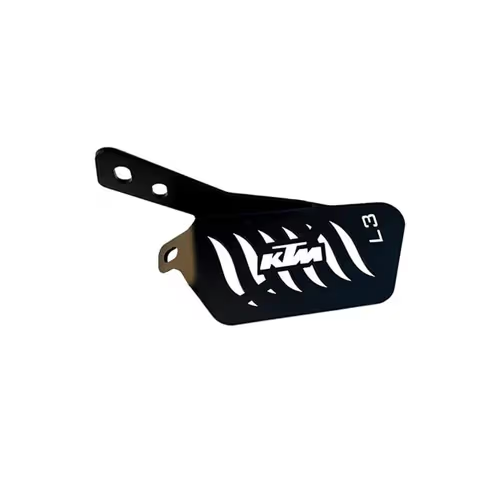
L3 MODZ Ladies Foot Rest for KTM Duke (BS6 Gen2) Models
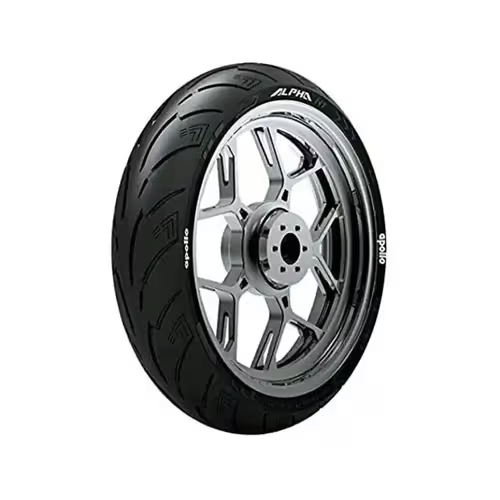
Apollo Alpha S1 130/70 R17 62H Radial Tubeless Bike Tyre
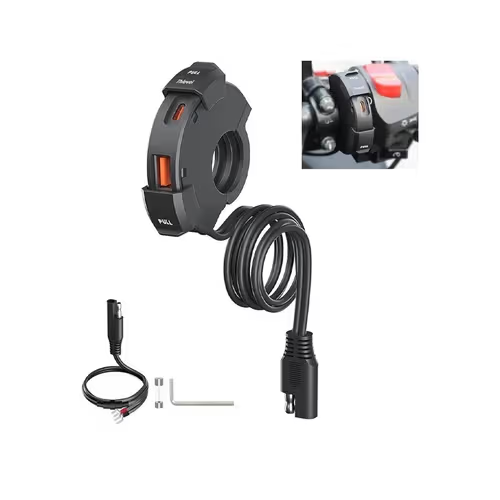
30W Motorcycle Type-C USB Phone Charger with PD & Quick Charge
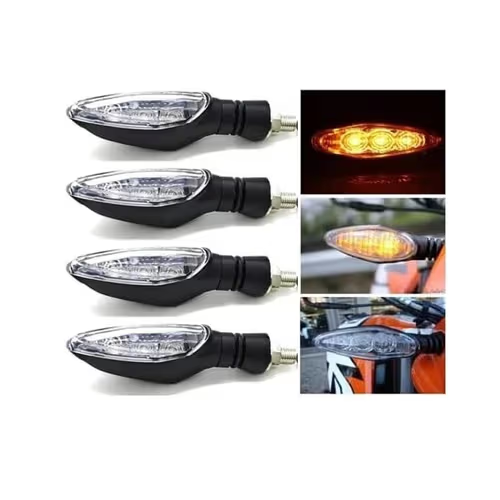
ELTRON TURBO Turn Signal Indicator Lights Compatible for KTM

Steelbird SBA 7 7Wings Flip-Up Helmet for Men with Skull Cap
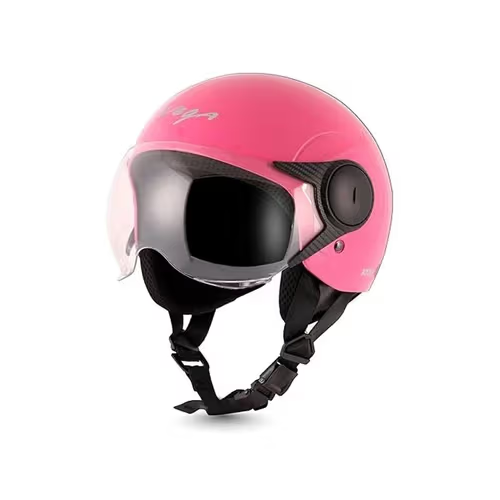
Vega Atom Open Face Helmet with Clear Visor, Black
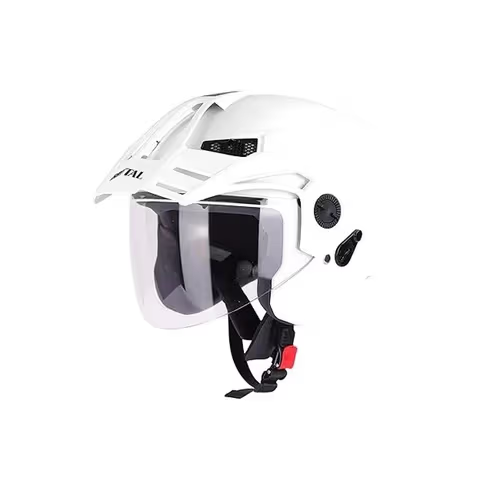
Steelbird SBH-23 Brutal Open Face Helmet with Skull Cap
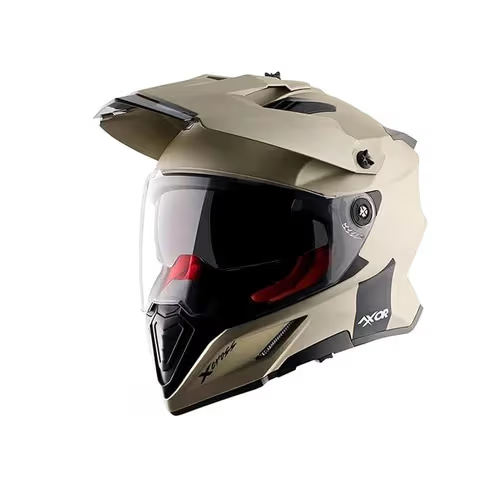
Axor X Cross Dual Visor Full Face Off-Road Helmet – Dull Black Orange

Probiker Protective Full Finger Bike Riding Gloves – Motorcycle, Cycling, and Hiking

XTRIM Protekt Universal Bike Riding Gloves for Men – Black, Red

Rynox Air GT Leather Motorcycle Riding Gloves – Cuff Length | Grey Red

BADOWL RYDON Knuckle Protection Riding Gloves – Touchscreen Sports Gloves

Microfiber Car Duster with Long Handle Cleaning Brush

Robustt Car Interior Cleaning Brush Combo – Scratch Free Car Duster

ORJILO 5-Piece Microfiber Car Duster Kit – Extendable Long Handle Duster for Car

ShineXPro Microfiber Car Cleaning Cloth (500 GSM, Extra Large (35×75 CM))

Wavex Tyre Polish for Car & Bike (1L) – With Applicator and Microfiber Cloth

ShineXPro Glass Cleaner Spray (300 ml) – Streak Free Car Glass Cleaner Liquid

SOFTSPUN Microfiber Chenille Wash Mitt (1700 GSM)
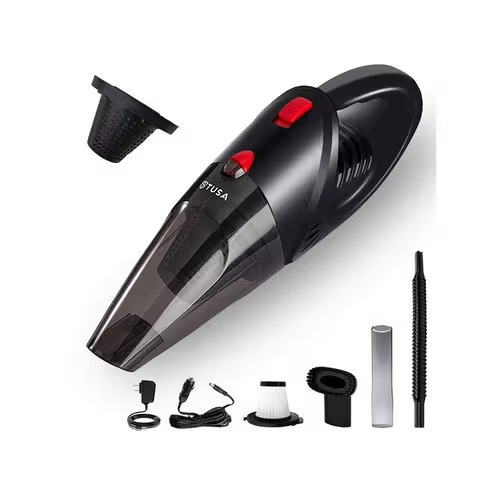
Tusa V1 Cordless Vacuum Cleaner for Car – High Power Portable Lightweight Wireless Vacuum

SOFTSPUN Microfiber Cloth (40×40 cm, 340 GSM) – Automotive Microfibre Towels for Car
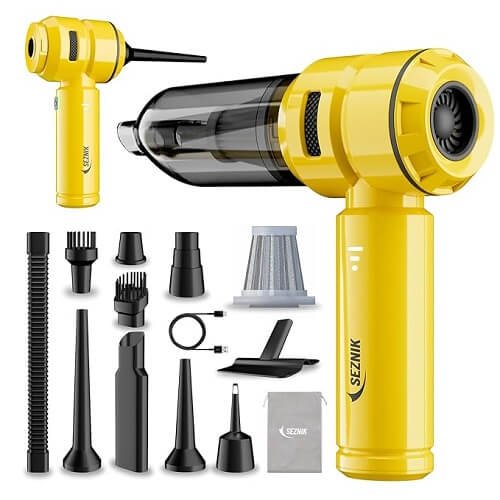
SEZNIK 4-in-1 Cordless Vacuum Cleaner & Blower

GOODAIR Royal Premium Non-Electric Car Air Purifier
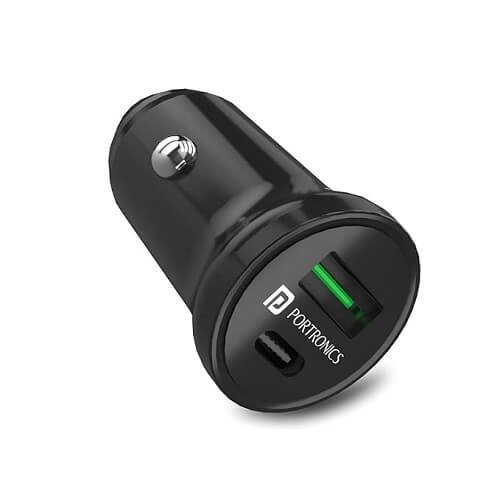
Portronics 38W Dual Output Fast Car Charger with 20W Type-C PD & 18W USB with Cars for iPhone
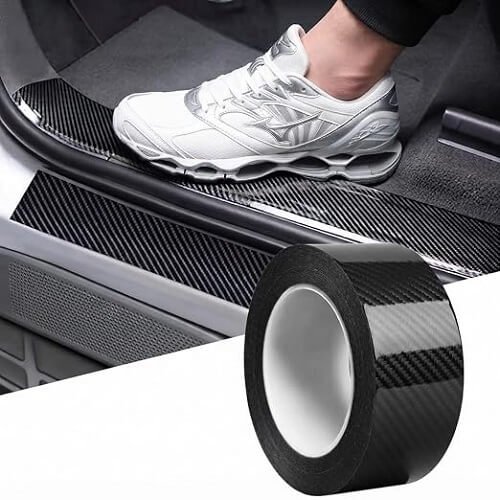
AutoBizarre High Gloss Carbon Fibre Paint Protection For Car

APPUCOCO Mini Car Trash Bin – Black
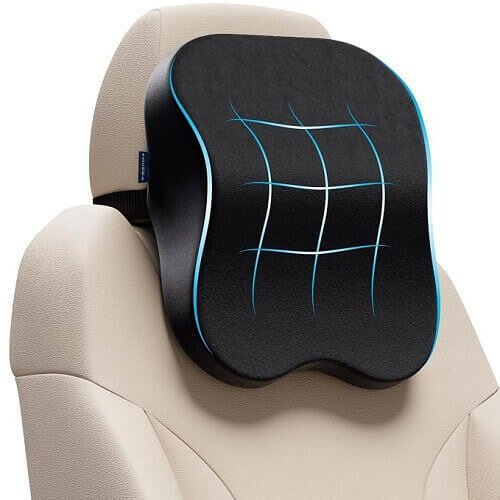
FOVERA Memory Foam Car Neck Rest Pillow – Medium, Black
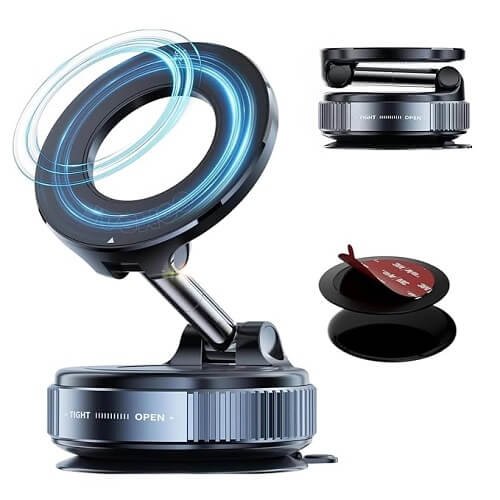
360° Vacuum Magnetic Car Phone Mount – Strong Suction Cup Phone Holder for Car
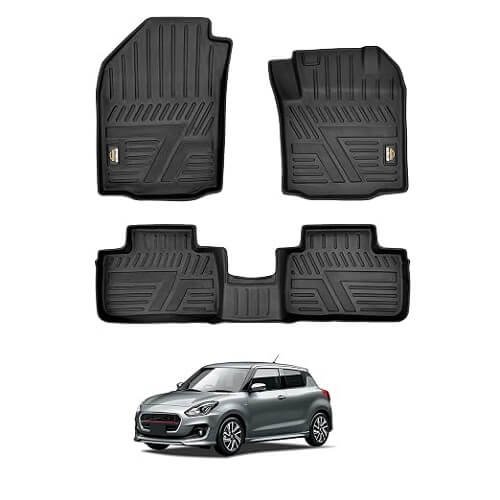
Amazon Basics 5D Custom Fit Car Floor Mats for Swift Facelift
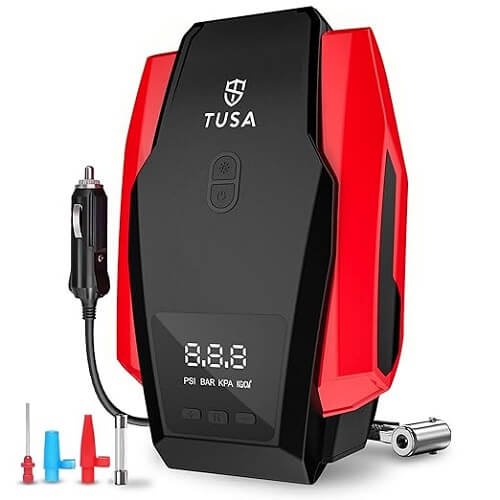
TUSA Drive X 12V DC Portable Tyre Inflator – 150 PSI, Air Compressor
Qubo Dashcam Pro 4K [2026 Edition] – Dual Channel | ADAS | Ultra-Wide 8MP UHD+ Front, 2MP FHD Rear
Oowah EX Electric Scooter – Removable Lithium-ion Battery , Laguna Blue
BG C12i EX Gen 2 Electric Scooter – Removable 2.0 kWh LFP Battery, 60 km/h Top Speed
EOX OKO Electric Scooter – Removable Lithium Battery, 40-50 km Long-Range
EOX OLO Low Speed Electric Scooter – 45Km Mileage, Pastel Yellow & Black
EOX E2 Low Speed Electric Scooter – 60-70Km Range, Portable Lithium Battery
Okinawa Praise PRO Electric Scooter – Li-Ion Battery
EOX® ROX Electric Scooter – 48V Removable Lithium Battery, 50-60 km Long-Range
MIOOX Electric Scooter – 51.8V 28AH Range 55-65km Front Disc
AMO Low Speed Electric Scooter – 60-70 Km Range in Grey
AMO Jaunty 3W Low-Speed Electric Scooter – Blue and Black
Bajaj Chetak C2501 Electric Scooter – Glossy Active Black
Bajaj Chetak C3501 Electric Scooter – Brooklyn Black
Royal Enfield Classic 350 with Disc & Alloy Wheels Motorcycle – Stealth Black
Royal Enfield Bullet 350 Disc & Spoke Wheel Motorcycle – Battalion Black
Royal Enfield Hunter 350 with Disc & Alloy Wheels Motorcycle – Dapper Grey
Hero MotoCorp Passion+ i3S Drum – Black Heavy Grey
Hero MotoCorp XTREME 125R Bike(ABS) – Stallion Black
Hero MotoCorp HF Deluxe Drum – Black Grey
Hero MotoCorp XTREME 125R FI ABS SEAT DS (OBD2B) Motorcycles – Black
Bajaj Avenger 220 Cruise Motorcycle – Moon White
Bajaj Pulsar N 160 Ug Motorcycle – Brooklyn Black
Bajaj Platina 110 Es Drum Motorcycle – Black Red
Bajaj Pulsar N 250 Ug Motorcycle – Brooklyn Black
Harley Davidson X440 T 440cc Motorcycle – Pearl Blue
Harley Davidson X440 S 440cc Motorcycle – Matte Black
Harley Davidson X440 Vivid 440cc Motorcycle – Metallic Thick Red
Harley Davidson X440 T 440 CC Motorcycle – Pearl Red
KTM Duke 200 PRO Bike – Dark Galvano Black
KTM Duke 390 R Bike – Electronic Orange
KTM Adventure X 390 Bike – Orange
KTM Adventure 250 Bike – White
As an Amazon Associate, Neu Auto earns from qualifying purchases. When you purchase through one of the Amazon links above, Neu Auto may receive a commission at no additional cost to you.