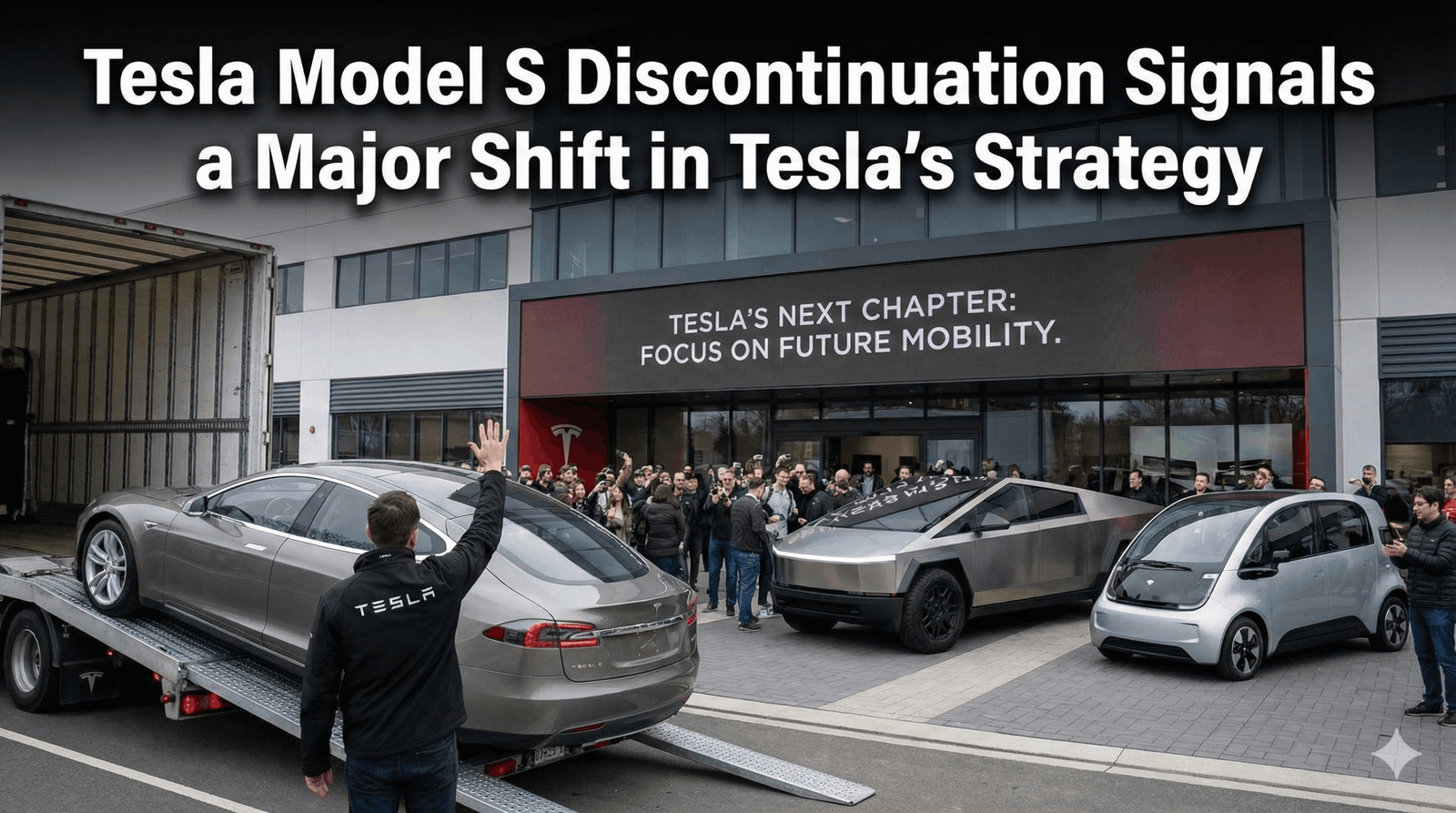
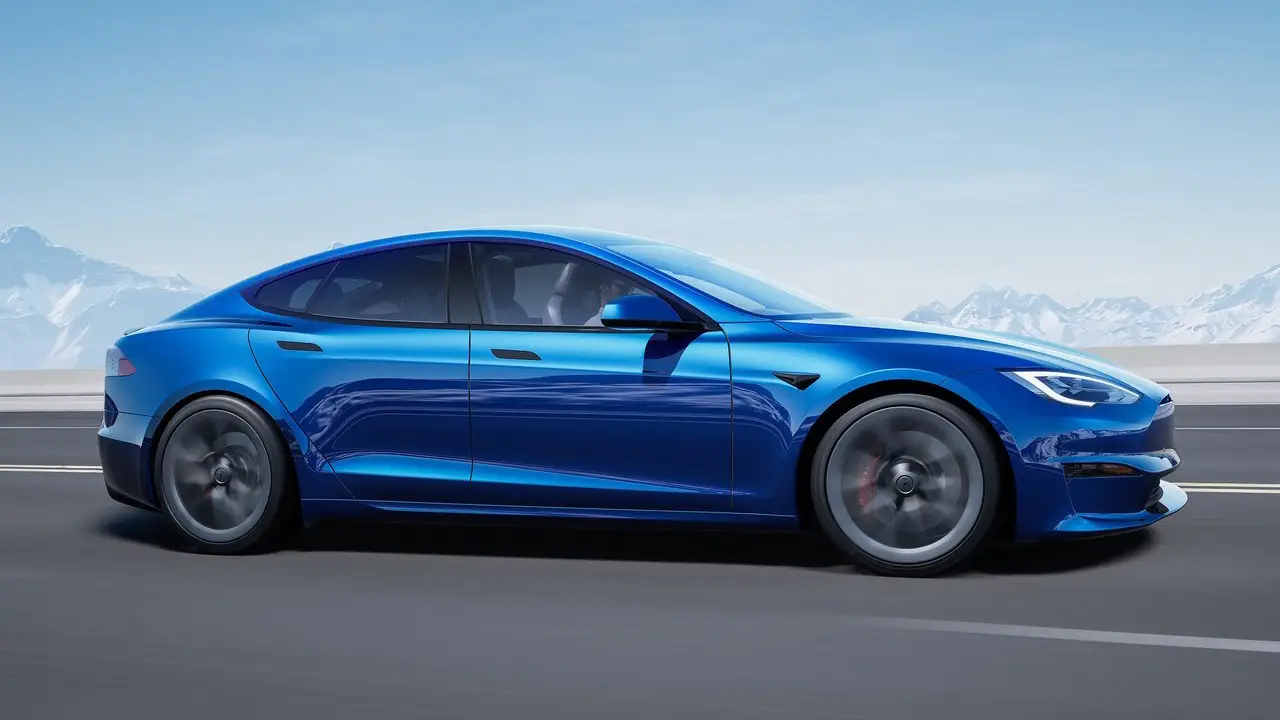
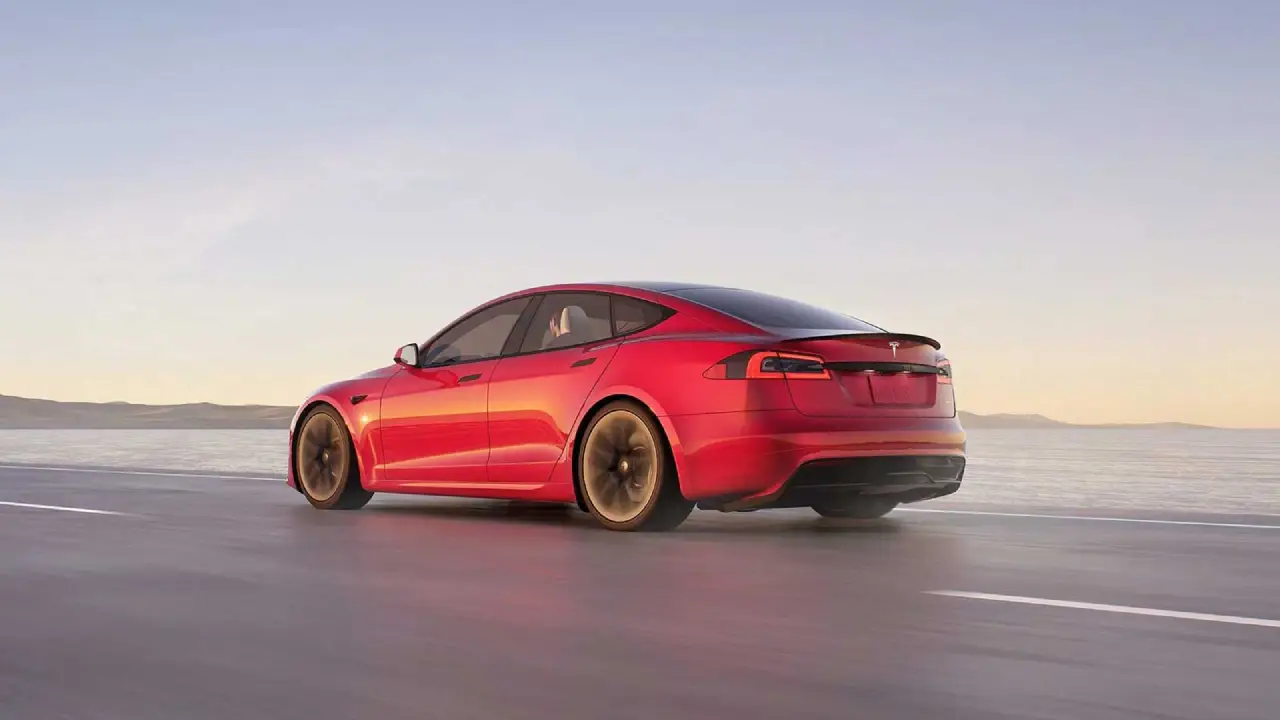
Tesla plans to discontinue the Tesla Model S and Model X by mid 2026 as it shifts focus toward scalable mass market vehicles, cost efficiency, and future technology platforms.
The decision reflects falling demand for Tesla’s premium models, rising production costs, and internal competition from Model 3 and Model Y, while freeing factory capacity for autonomy projects, AI development, and large scale Optimus robot manufacturing.

Is Tesla discontinuing Model S and X?
Tesla has not used the word “discontinued” in a loud, official way. Still, signs are hard to miss. Production volumes for the Model S and Model X have dropped over time. Delivery wait times have stretched, and Tesla no longer promotes these models as heavily as before.
For many buyers, this feels like a quiet goodbye. The focus has clearly moved elsewhere, and the company’s future plans point in a new direction.
When did the Tesla Model S and X come out?
The Model S first rolled out in 2012. It was a game changer. Long range, fast acceleration, and a clean design helped Tesla prove that electric cars could be exciting.
The Model X followed in 2015. It stood out with its falcon wing doors and family-friendly size. Both cars helped build Tesla’s image as a premium electric brand and opened the door for later models.
Why Tesla is Ending Production of Model S and Model X
The main reason is focus. The Model S and X sell in smaller numbers compared to newer models. They also cost more to build and update.
Tesla now spends more energy on areas that can scale faster. That means software, batteries, self-driving systems, and robotics. Keeping older models alive takes time, money, and factory space.
From a business view, it makes sense. Tesla wants to put its chips on what it believes will shape the next decade.
Tesla is Choosing the Future Over the Past
This shift shows Tesla is not looking back. The company is betting that the future of mobility is not just cars. It is smart systems, automation, and machines that can work alongside humans.
Luxury sedans helped Tesla get here. Now the company wants to move beyond them.
Lineup shifts as Tesla pivots toward autonomy and robotics
Tesla’s lineup today tells a clear story. The Model 3 and Model Y lead sales worldwide. They are cheaper, easier to produce, and popular in many markets.
At the same time, Tesla pours billions into self-driving tech and robotics. The goal is bigger than selling cars. It is about building platforms that run on AI and software.
What does the Optimus robot do?
Optimus is Tesla’s humanoid robot project. It is designed to handle simple, repeatable tasks. Think lifting boxes, moving items, or helping in factories and warehouses.
Tesla believes Optimus could one day help in homes, offices, and industrial spaces. The idea is to reduce boring or risky human labor and boost efficiency.
How much will an Optimus robot cost?
Tesla has suggested that Optimus could cost less than a car. Early talk points to a price under $20,000 in the long run.
That number is not final, and wide release is still years away. Even so, it shows how serious Tesla is about making robots part of everyday life.
What’s Next for Tesla?
Tesla’s next chapter looks bold. Expect more talk around autonomy, robotaxis, and AI-driven systems. New vehicle platforms may arrive too, but they will likely be built for mass use, not niche luxury.
The company seems ready to let older icons fade if it helps reach bigger goals.
Final Verdict: Tesla Model S Discontinuation Signals a Major Shift in Tesla’s Strategy
The Model S and Model X were never just cars. They were proof that electric vehicles could compete with the best. Their quiet exit marks the end of an era.
Tesla is choosing scale, software, and smart machines over legacy models. For fans, it may feel emotional. For Tesla, it is all about the future.
Frequently Asked Questions
Why is Tesla stopping production of the Model S and Model X?
Tesla is shifting focus to products that sell in higher volumes and support its long-term goals. The Model S and X are costly to maintain and update, while newer projects promise bigger returns.
How does the $20 billion spending compare to previous years?
Tesla’s current spending plans are much higher than in its early days. Billions now go into AI, factories, batteries, and robotics, showing a clear change from just building cars.
Will this affect Model 3 and Model Y production?
No major impact is expected. Model 3 and Model Y remain Tesla’s top sellers and are central to its business. In fact, focusing less on older models may help Tesla produce these in even larger numbers.
About The Author