
I Wish Someone Explained Financing Options Properly: 7 Smart Ways to Choose the Right Car Loan


Car financing options can feel confusing when you see interest rates, down payments, loan terms, processing fees, and monthly EMIs all at once. Understanding these costs can help you choose a car loan that fits your budget.
From working through real-world car-buying decisions, one lesson stands out: the cheapest-looking monthly payment is not always the cheapest loan. A longer repayment period can reduce your monthly burden but increase the total interest you pay. Before signing, you should ask the lender for the annual percentage rate (APR), total finance charge, repayment period, fees, and complete payment schedule.
What Should You Understand Before Financing a Car?
When you’re buying a new or used car, you usually have several ways to pay. A standard car loan is the most common choice, but you can also compare bank loans, finance-company loans, dealer financing, or paying a larger down payment to reduce your monthly EMI.
1. Bank Car Loan
A bank car loan can offer competitive interest rates if you have a good credit profile. Before accepting the offer, compare the interest rate, processing fee, loan tenure, foreclosure rules, and total repayment amount.
2. Dealer Financing
Dealer financing is convenient because you can arrange the loan while buying your car. However, don’t accept the first offer automatically. Ask the dealer for the complete loan cost and compare it with at least one bank or other lender.
3. Larger Down Payment
A bigger down payment reduces the amount you need to borrow. This can lower your EMI and the total interest you pay over the loan period.
For example, if your car costs ₹10 lakh and you pay ₹3 lakh upfront, you only need to finance the remaining ₹7 lakh, subject to taxes, fees, insurance, and the lender’s terms.
Why You Should Compare Total Cost, Not Just EMI
Suppose two loans offer different monthly payments. The lower EMI may look attractive, but if that loan runs for several additional years, you could pay substantially more interest.
Before accepting an offer, compare:
- Amount financed
- Annual interest rate/APR
- Loan duration
- Monthly payment
- Total interest
- Finance charges and fees
- Total amount payable
This simple comparison can prevent a common dealership mistake: focusing so heavily on the monthly payment that you lose sight of the vehicle’s actual financing cost.
What Should You Compare Before Choosing Car Financing?
Don’t compare loans only by their advertised EMI. Look at the complete cost.
- Interest rate
- Loan processing fee
- Down payment
- Loan tenure
- Monthly EMI
- Total interest payable
- Prepayment or foreclosure charges
- Late payment fees
- Insurance and other bundled charges
A longer loan term can make your monthly payment smaller, but you may pay more interest over time. A shorter term usually means a higher EMI but can reduce the total interest cost.
Why Is the Lowest EMI Not Always the Best Deal?
A low EMI can look attractive, but it may come with a longer repayment period. For example, spreading a loan over 7 years can make the monthly payment easier, but you may pay interest for several more years.
Before signing, ask the lender one simple question:
“How much will I pay in total by the end of the loan?”: That number gives you a much clearer picture of the real cost.
How Can You Choose a Car Loan That Fits Your Budget?
Start with the monthly payment you can comfortably manage, rather than choosing the most expensive car you qualify for.
A practical checklist:
- Set your total car budget.
- Keep money aside for your emergency needs.
- Decide how much you can pay upfront.
- Compare at least two or three loan offers.
- Check the total repayment amount.
- Read the loan agreement before signing.
- Keep some cash available for insurance, registration, maintenance, and fuel or charging costs.
Quick Comparison: Which Financing Path Fits Your Goals?
| Car Financing Options | Best Match For | Top Feature | Hidden Financial Risk |
| Credit Union Loan | Value-driven buyers | Lowest standard APR | Requires membership eligibility |
| Dealership Captive | Tier-1 credit scores | Subvented rates (0%–2.9%) | Forfeits cash-back rebates |
| Direct Bank Loan | Existing account holders | Fast online underwriting | Higher average rate than credit unions |
| Automotive Lease | Tech lovers / Short-term users | Lowest monthly outlay | Strict mileage caps & disposition fees |
Final Verdict
The best car financing option isn’t always the one with the lowest EMI or the lowest advertised interest rate. Look at the full cost, compare lenders, understand the fees, and choose a repayment period that doesn’t put pressure on your monthly budget.

Rate This Article
Be the first to rate this article
Thanks for rating!
All Car Brands
View all brands →















More Updates
Handpicked Accessories for Every and Journey
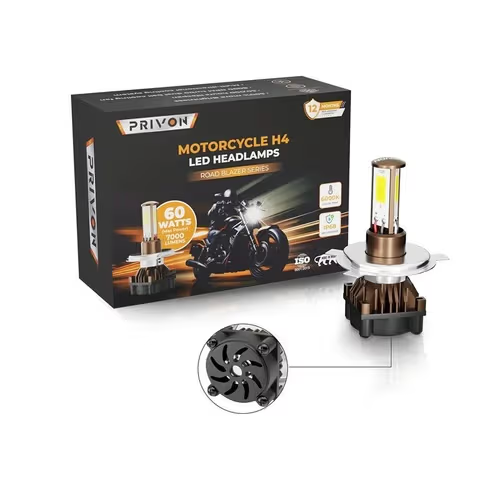
PRIVON 60W H4 LED Headlight for Bike – 7000L, 6000K White LED Light for Night Ride
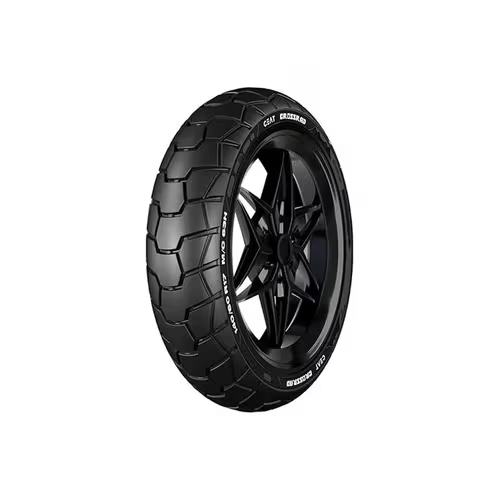
Ceat Zoom Rad 140/60 R17 63P Tubeless Bike Tyre
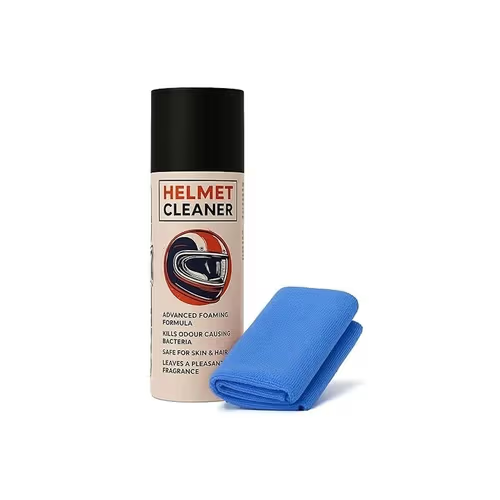
ShineXPro Helmet Cleaner & Microfiber Cloth – Anti Bacterial Foaming Helmet Cleaning Spray
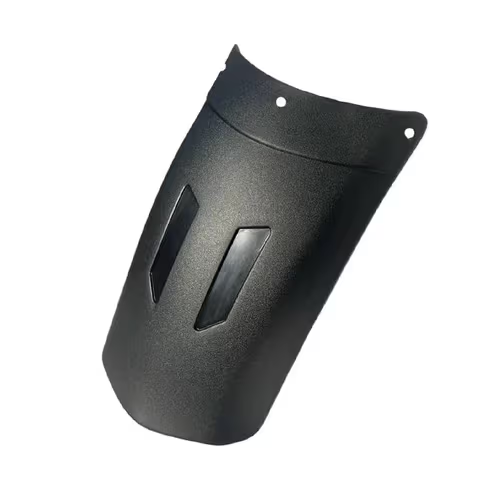
Universal Front Fender Mudguard Extender Extension Fits for Motorcycle

Boldfit Full Face Helmet Mask for Bikers in Riding UV Protected
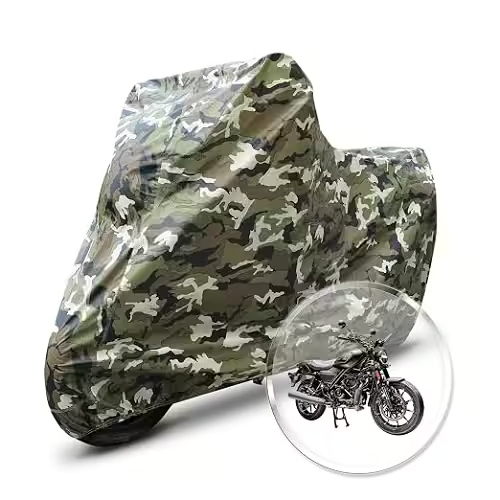
Neodrift JungleMax Bike Cover for Harley-Davidson X440
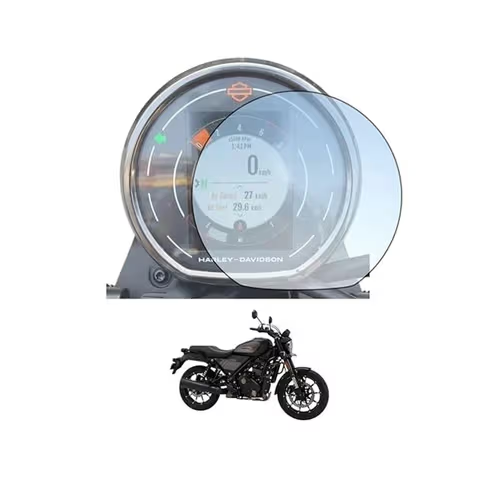
Wisely Pack 2 Screen Guard for Harley Davidson X440T Bike – Instrument Cluster Accessories
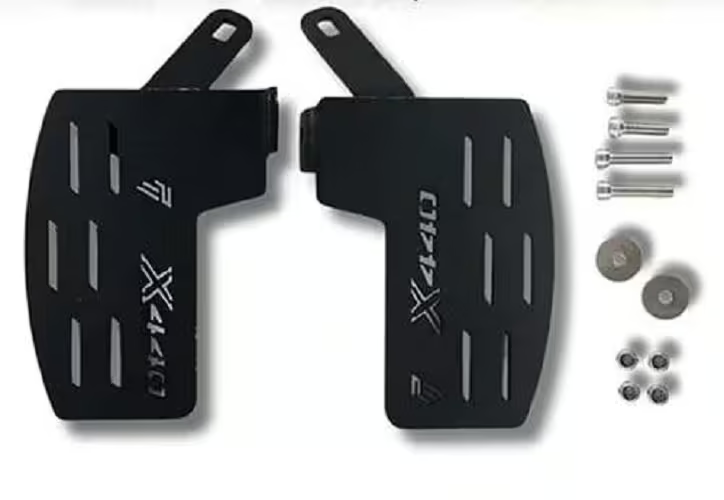
PHANTOM Premium Adjustable Footrest for Harley – Motorcycle Accessory for Touring & City Riding
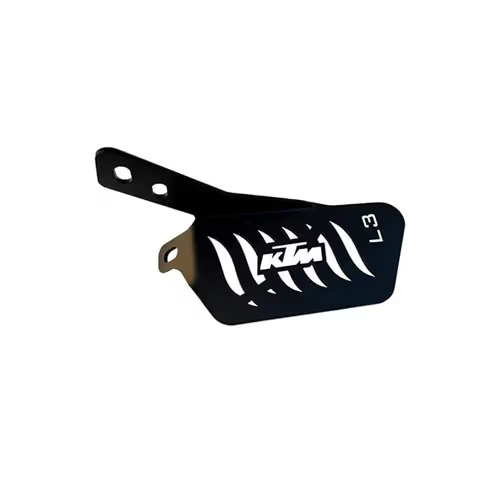
L3 MODZ Ladies Foot Rest for KTM Duke (BS6 Gen2) Models
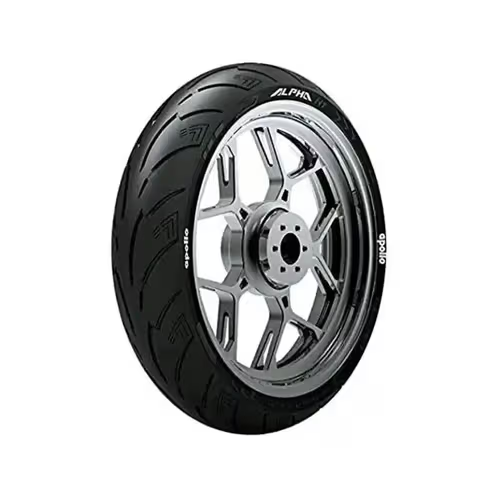
Apollo Alpha S1 130/70 R17 62H Radial Tubeless Bike Tyre
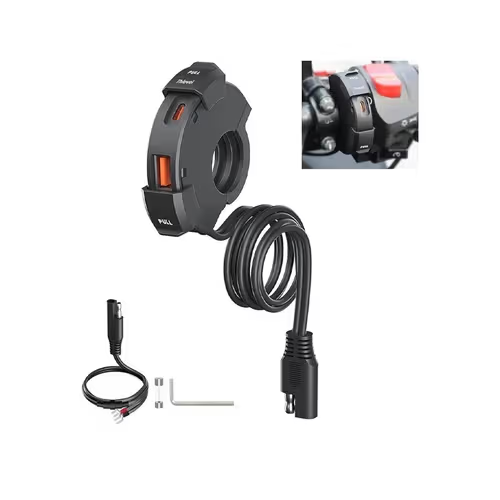
30W Motorcycle Type-C USB Phone Charger with PD & Quick Charge
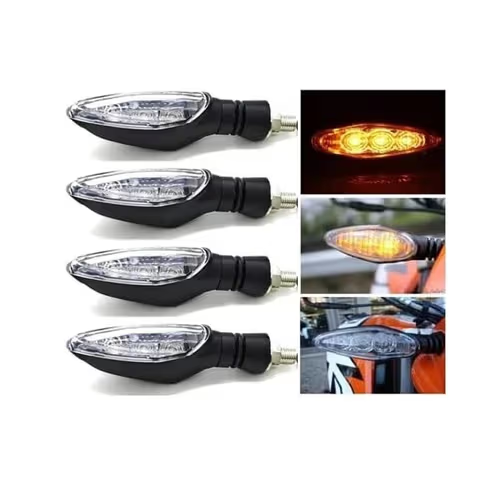
ELTRON TURBO Turn Signal Indicator Lights Compatible for KTM
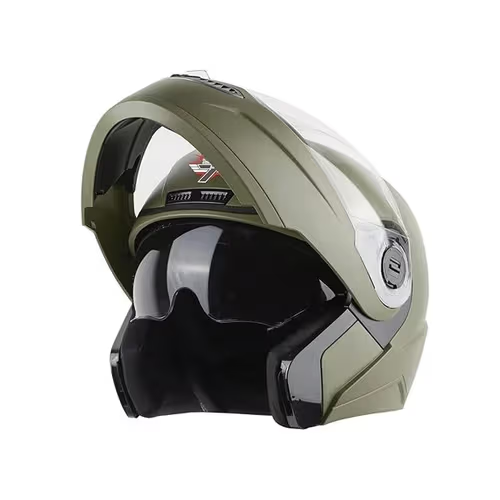
Steelbird SBA 7 7Wings Flip-Up Helmet for Men with Skull Cap
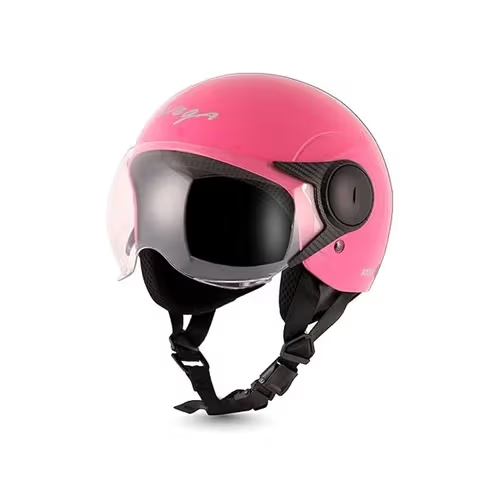
Vega Atom Open Face Helmet with Clear Visor, Black
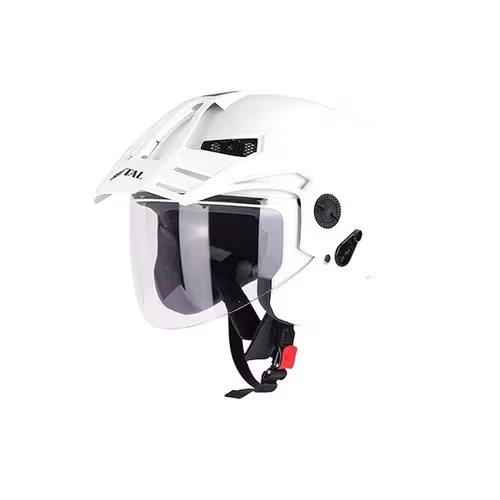
Steelbird SBH-23 Brutal Open Face Helmet with Skull Cap
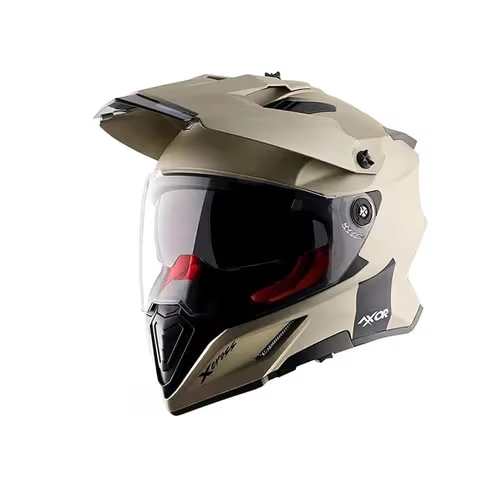
Axor X Cross Dual Visor Full Face Off-Road Helmet – Dull Black Orange
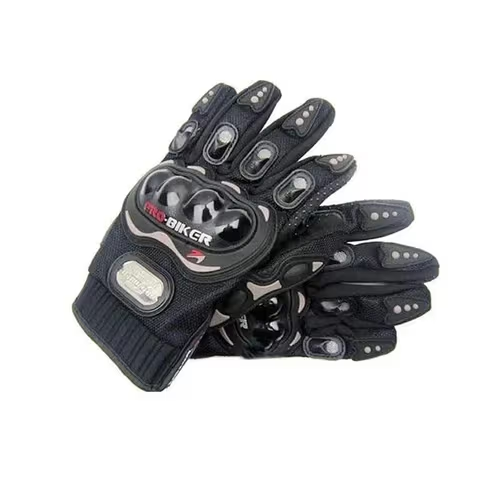
Probiker Protective Full Finger Bike Riding Gloves – Motorcycle, Cycling, and Hiking
XTRIM Protekt Universal Bike Riding Gloves for Men – Black, Red
Rynox Air GT Leather Motorcycle Riding Gloves – Cuff Length | Grey Red
BADOWL RYDON Knuckle Protection Riding Gloves – Touchscreen Sports Gloves
Microfiber Car Duster with Long Handle Cleaning Brush
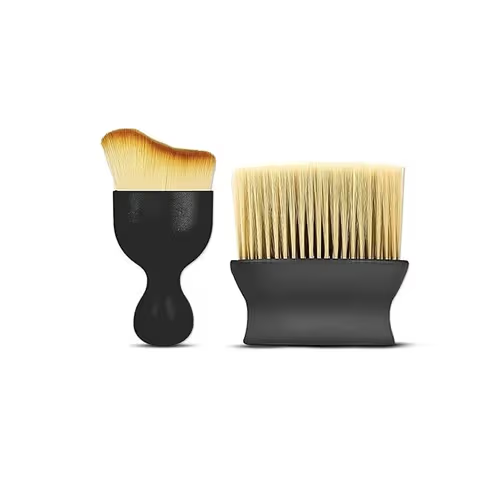
Robustt Car Interior Cleaning Brush Combo – Scratch Free Car Duster
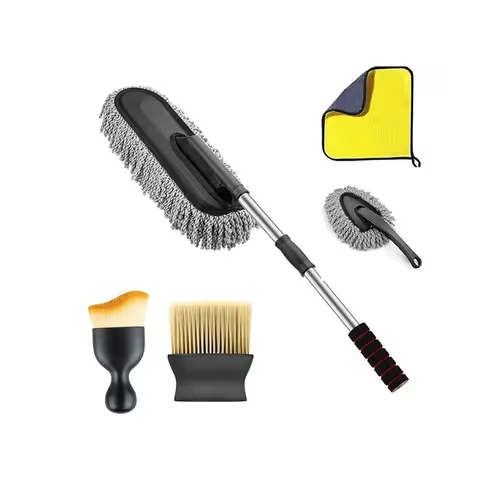
ORJILO 5-Piece Microfiber Car Duster Kit – Extendable Long Handle Duster for Car
ShineXPro Microfiber Car Cleaning Cloth (500 GSM, Extra Large (35×75 CM))
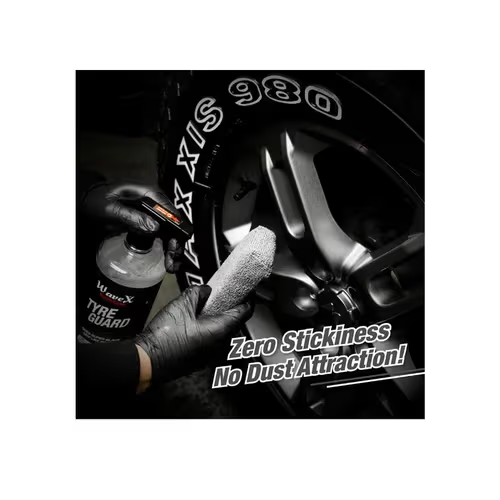
Wavex Tyre Polish for Car & Bike (1L) – With Applicator and Microfiber Cloth
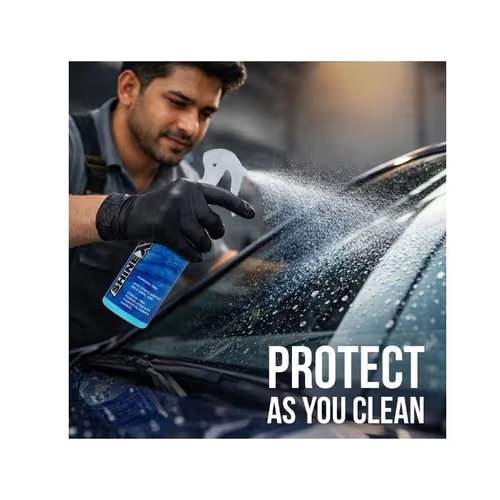
ShineXPro Glass Cleaner Spray (300 ml) – Streak Free Car Glass Cleaner Liquid
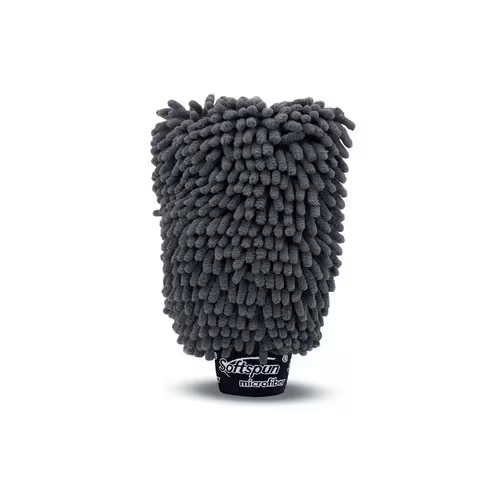
SOFTSPUN Microfiber Chenille Wash Mitt (1700 GSM)
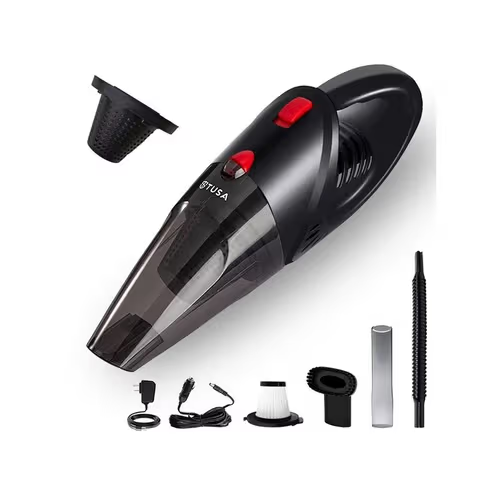
Tusa V1 Cordless Vacuum Cleaner for Car – High Power Portable Lightweight Wireless Vacuum

SOFTSPUN Microfiber Cloth (40×40 cm, 340 GSM) – Automotive Microfibre Towels for Car
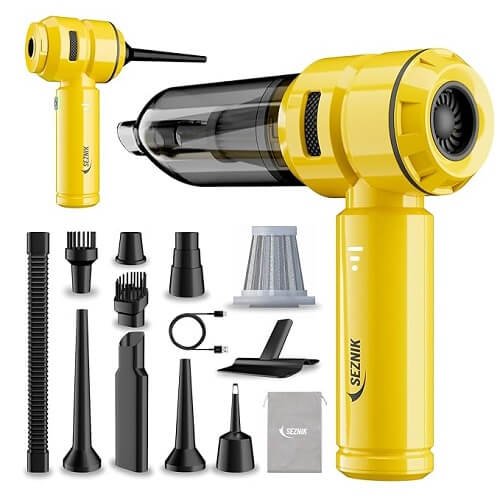
SEZNIK 4-in-1 Cordless Vacuum Cleaner & Blower

GOODAIR Royal Premium Non-Electric Car Air Purifier
Portronics 38W Dual Output Fast Car Charger with 20W Type-C PD & 18W USB with Cars for iPhone
AutoBizarre High Gloss Carbon Fibre Paint Protection For Car
APPUCOCO Mini Car Trash Bin – Black
FOVERA Memory Foam Car Neck Rest Pillow – Medium, Black
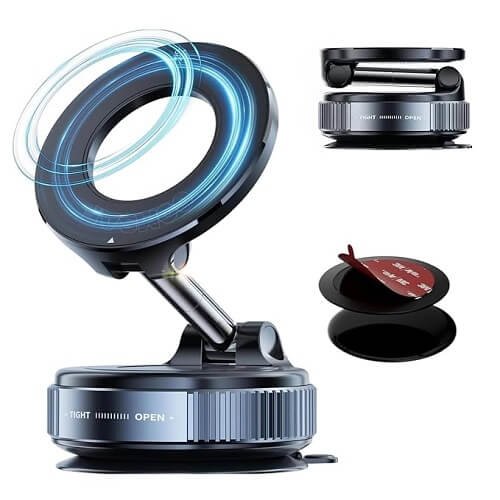
360° Vacuum Magnetic Car Phone Mount – Strong Suction Cup Phone Holder for Car
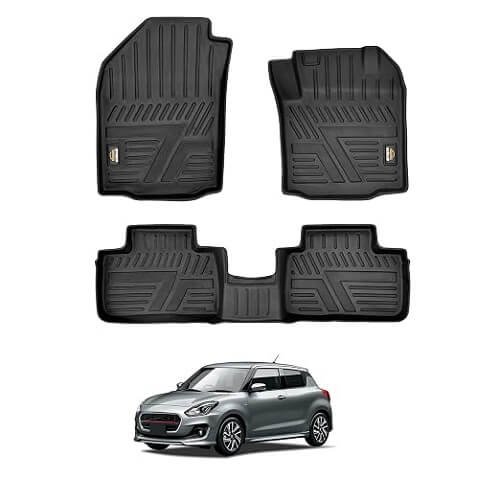
Amazon Basics 5D Custom Fit Car Floor Mats for Swift Facelift
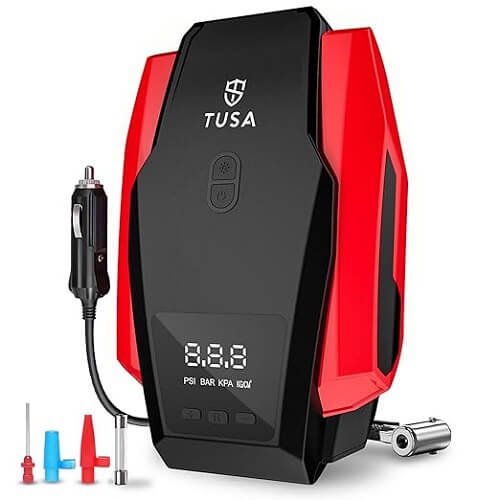
TUSA Drive X 12V DC Portable Tyre Inflator – 150 PSI, Air Compressor
![Qubo Dashcam Pro 4K [2026 Edition] – Dual Channel | ADAS | Ultra-Wide 8MP UHD+ Front, 2MP FHD Rear](https://neudeals.co/wp-content/uploads/2026/09/Qubo-Dashcam-Pro-4K-Sensor.jpg)
Qubo Dashcam Pro 4K [2026 Edition] – Dual Channel | ADAS | Ultra-Wide 8MP UHD+ Front, 2MP FHD Rear
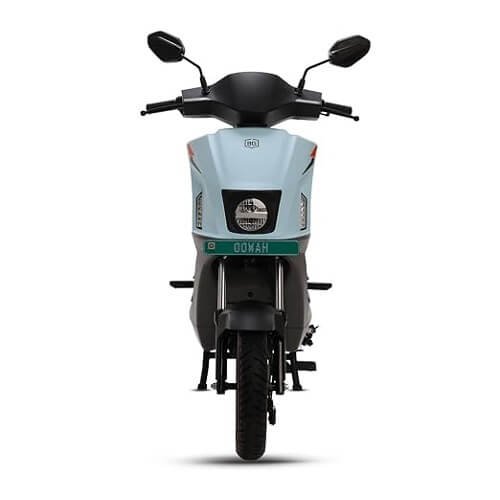
Oowah EX Electric Scooter – Removable Lithium-ion Battery , Laguna Blue
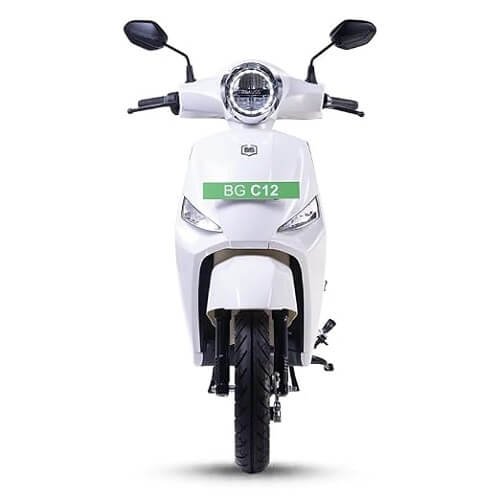
BG C12i EX Gen 2 Electric Scooter – Removable 2.0 kWh LFP Battery, 60 km/h Top Speed
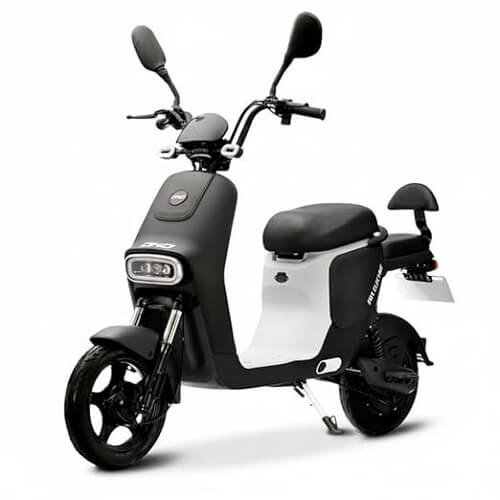
EOX OKO Electric Scooter – Removable Lithium Battery, 40-50 km Long-Range
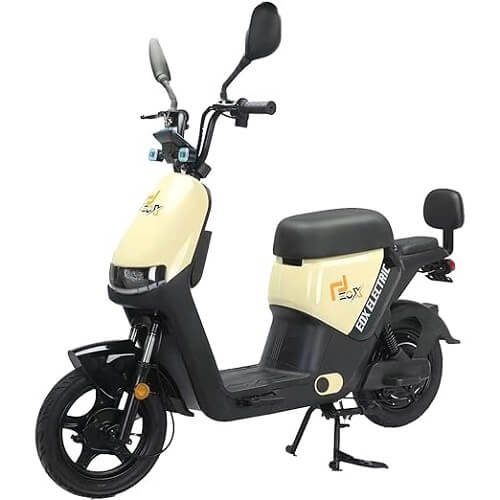
EOX OLO Low Speed Electric Scooter – 45Km Mileage, Pastel Yellow & Black
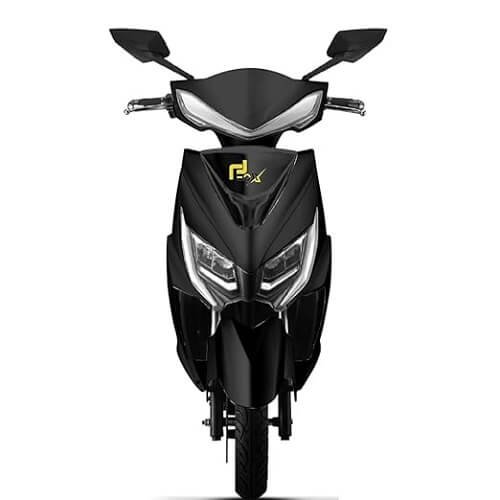
EOX E2 Low Speed Electric Scooter – 60-70Km Range, Portable Lithium Battery
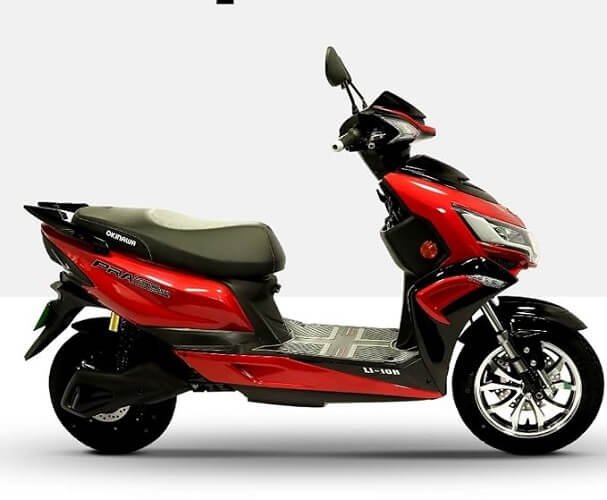
Okinawa Praise PRO Electric Scooter – Li-Ion Battery
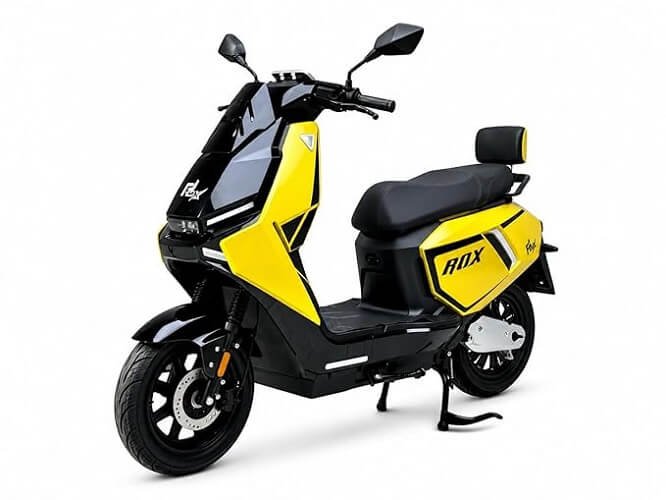
EOX® ROX Electric Scooter – 48V Removable Lithium Battery, 50-60 km Long-Range
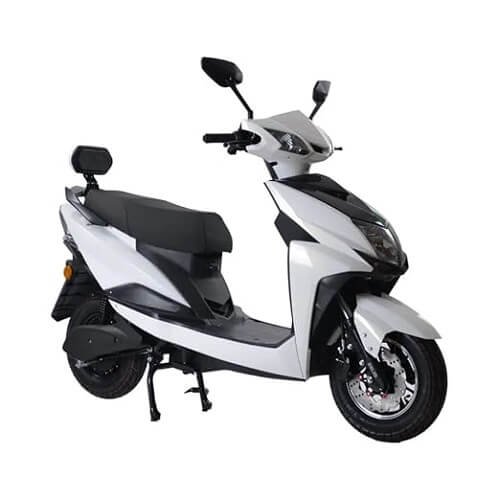
MIOOX Electric Scooter – 51.8V 28AH Range 55-65km Front Disc
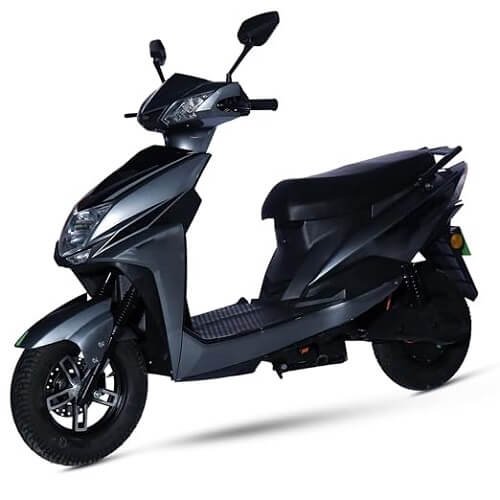
AMO Low Speed Electric Scooter – 60-70 Km Range in Grey
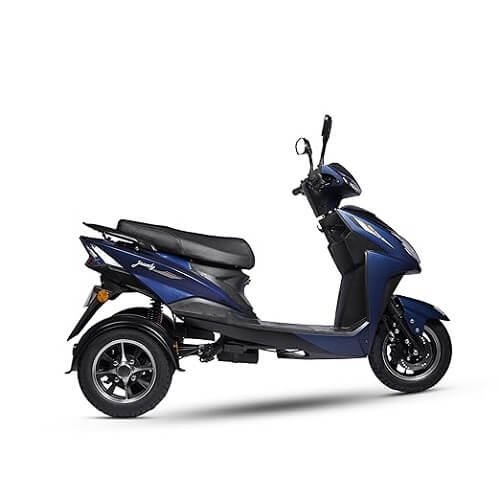
AMO Jaunty 3W Low-Speed Electric Scooter – Blue and Black
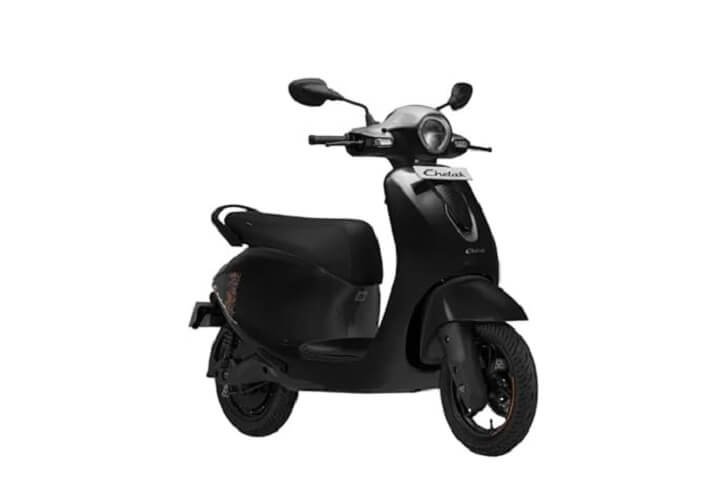
Bajaj Chetak C2501 Electric Scooter – Glossy Active Black
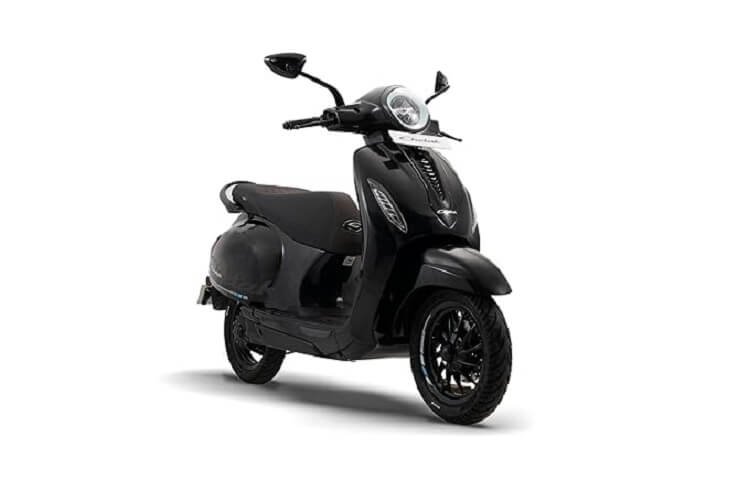
Bajaj Chetak C3501 Electric Scooter – Brooklyn Black
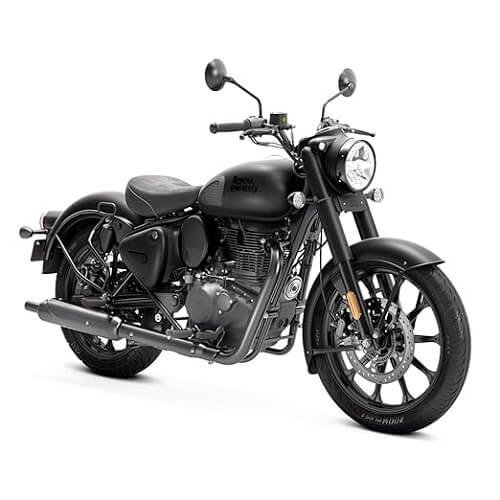
Royal Enfield Classic 350 with Disc & Alloy Wheels Motorcycle – Stealth Black
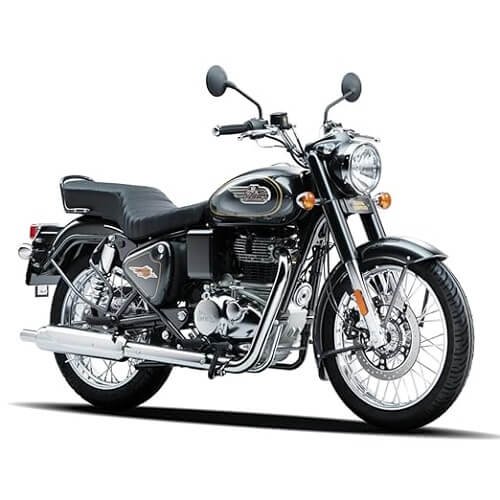
Royal Enfield Bullet 350 Disc & Spoke Wheel Motorcycle – Battalion Black
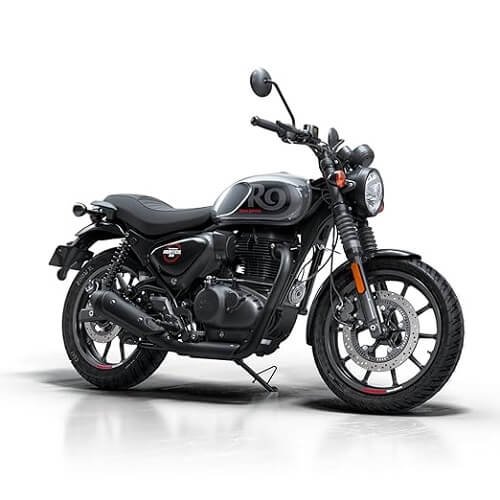
Royal Enfield Hunter 350 with Disc & Alloy Wheels Motorcycle – Dapper Grey
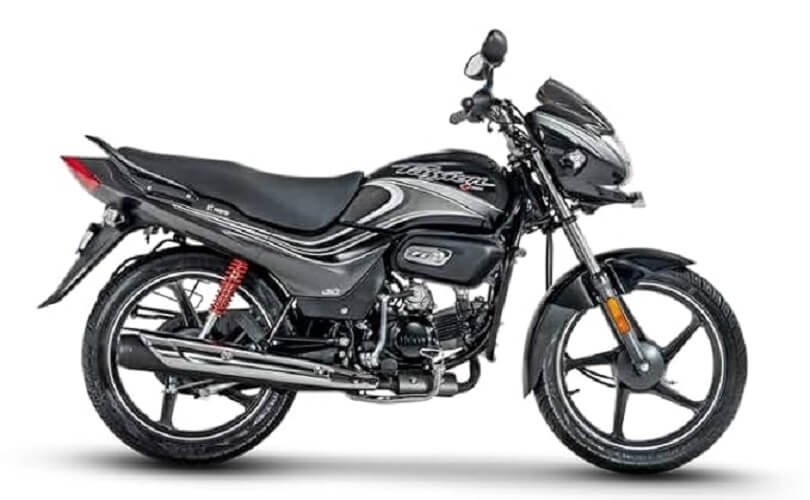
Hero MotoCorp Passion+ i3S Drum – Black Heavy Grey
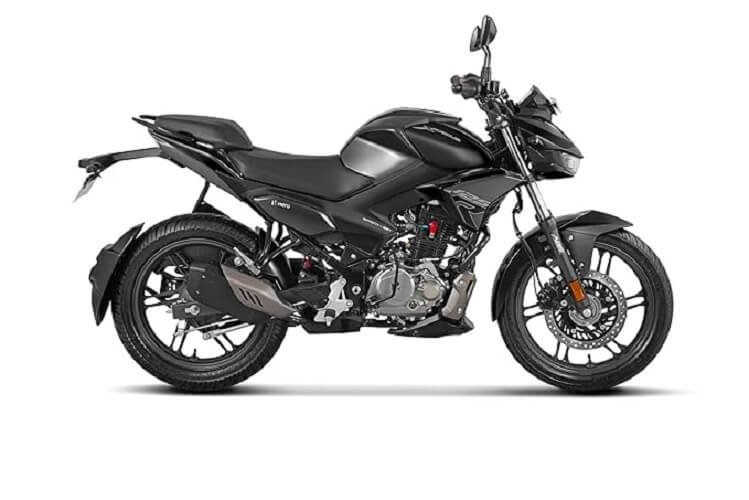
Hero MotoCorp XTREME 125R Bike(ABS) – Stallion Black
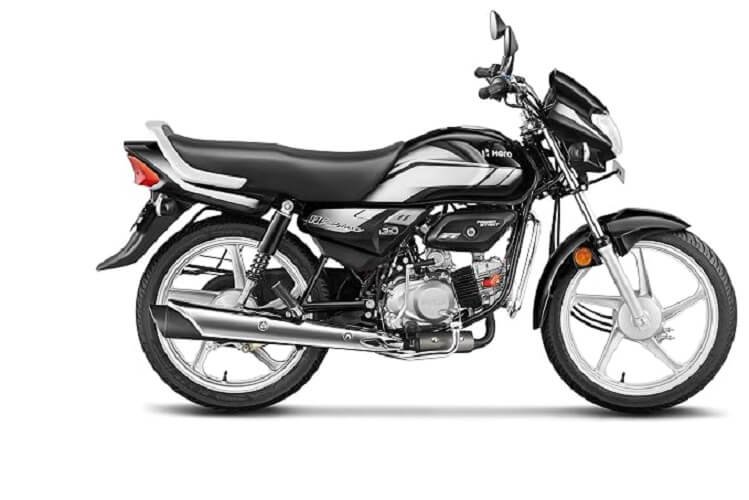
Hero MotoCorp HF Deluxe Drum – Black Grey
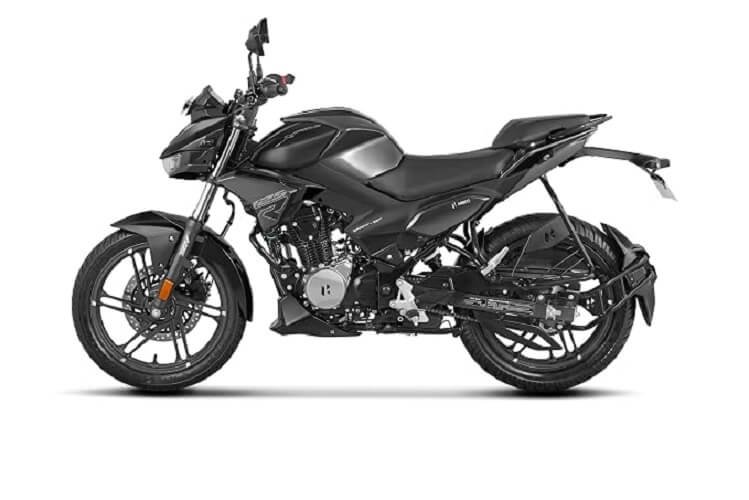
Hero MotoCorp XTREME 125R FI ABS SEAT DS (OBD2B) Motorcycles – Black
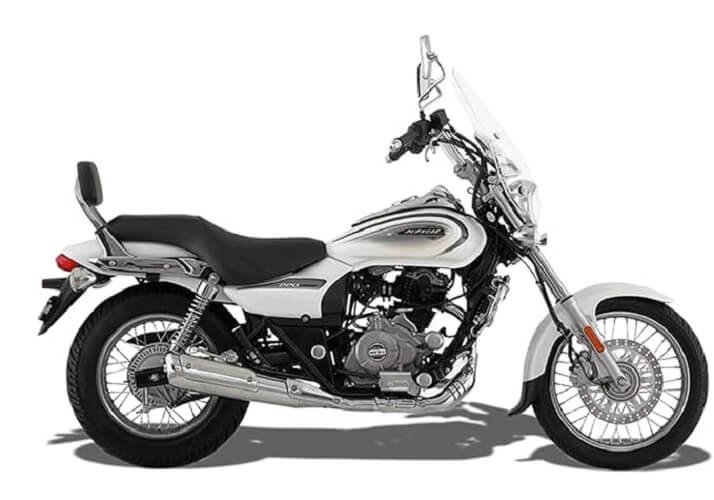
Bajaj Avenger 220 Cruise Motorcycle – Moon White
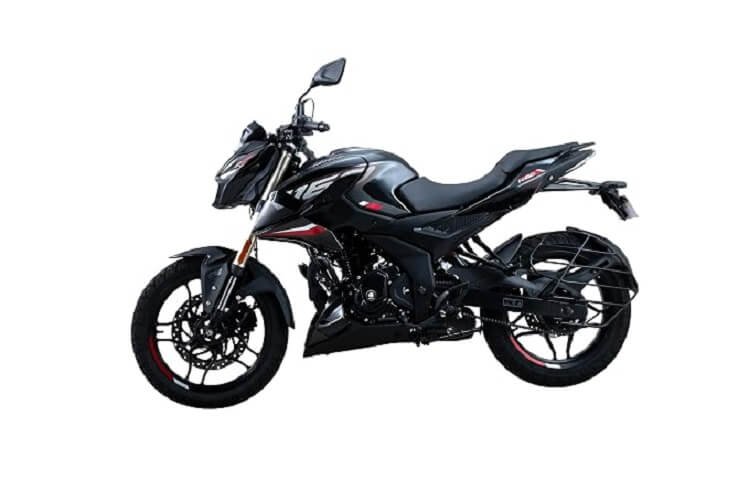
Bajaj Pulsar N 160 Ug Motorcycle – Brooklyn Black
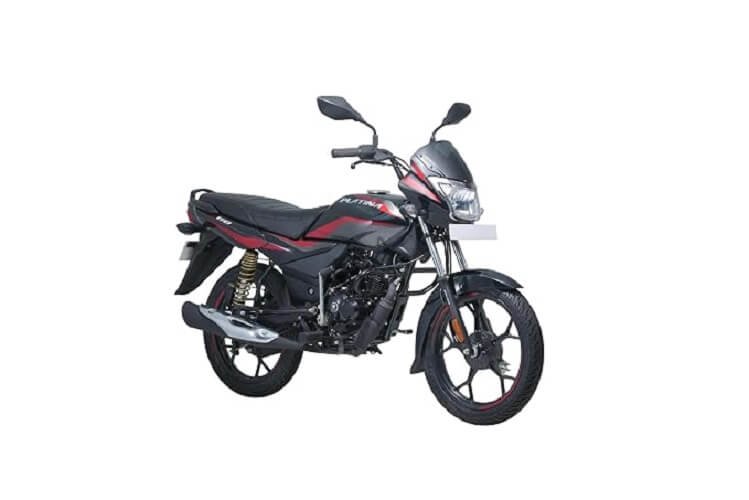
Bajaj Platina 110 Es Drum Motorcycle – Black Red
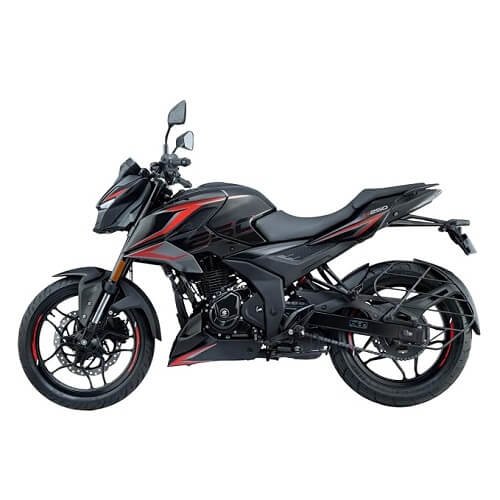
Bajaj Pulsar N 250 Ug Motorcycle – Brooklyn Black
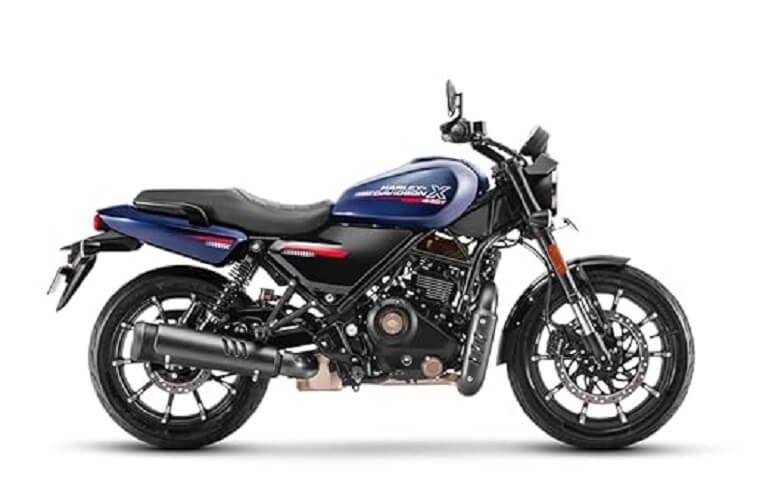
Harley Davidson X440 T 440cc Motorcycle – Pearl Blue
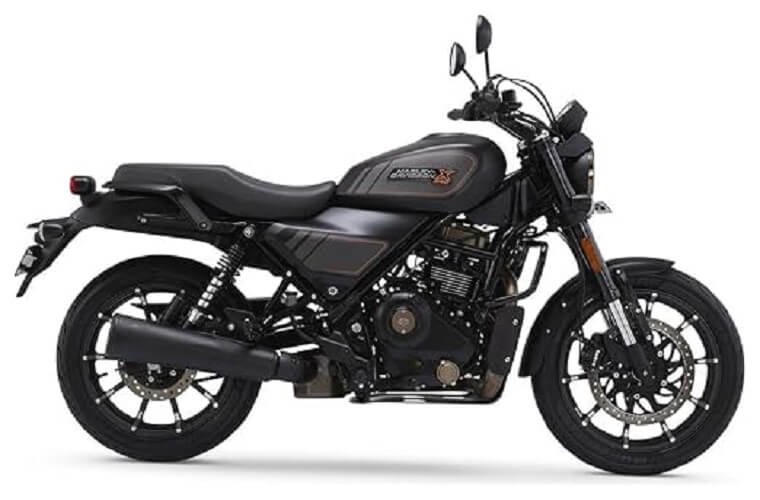
Harley Davidson X440 S 440cc Motorcycle – Matte Black
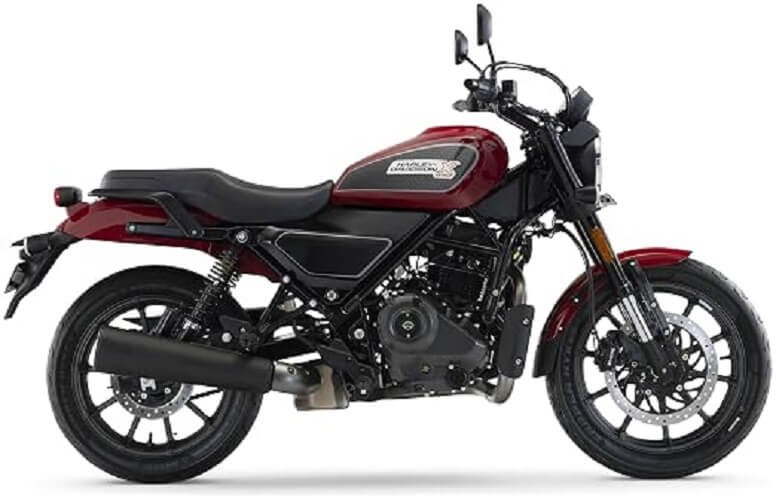
Harley Davidson X440 Vivid 440cc Motorcycle – Metallic Thick Red
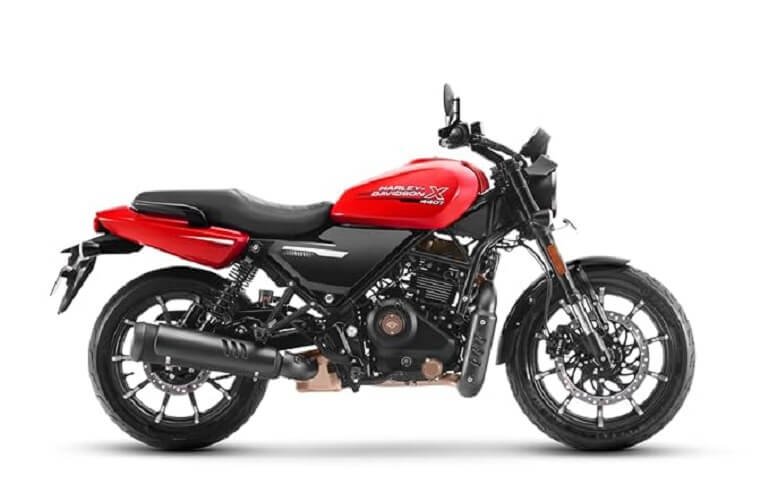
Harley Davidson X440 T 440 CC Motorcycle – Pearl Red
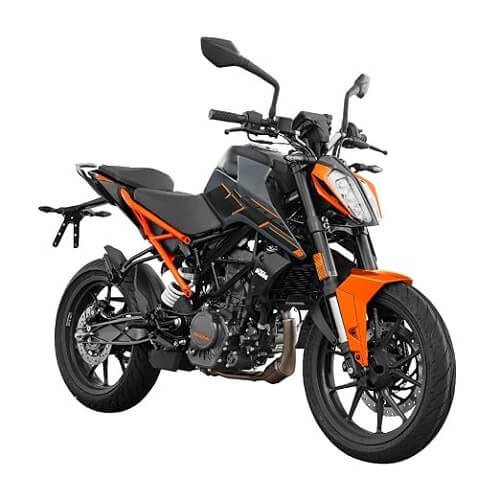
KTM Duke 200 PRO Bike – Dark Galvano Black
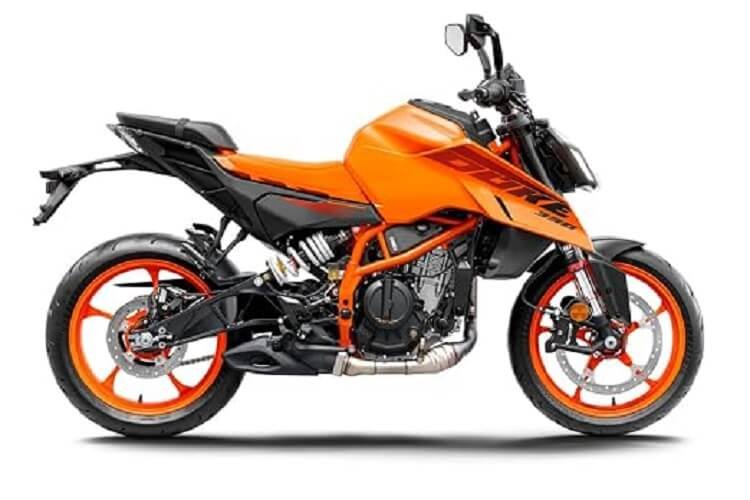
KTM Duke 390 R Bike – Electronic Orange
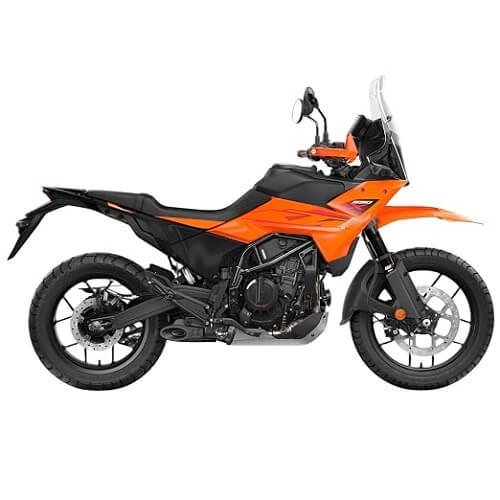
KTM Adventure X 390 Bike – Orange
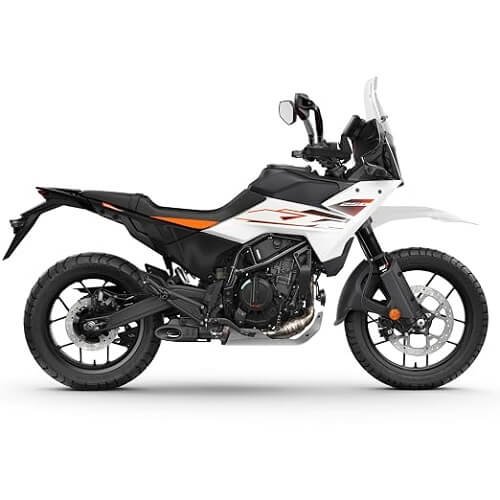
KTM Adventure 250 Bike – White
As an Amazon Associate, Neu Auto earns from qualifying purchases. When you purchase through one of the Amazon links above, Neu Auto may receive a commission at no additional cost to you.