
Electric vehicle charging is becoming easier and more secure. One tool making that possible is the RFID Cards. With a simple tap, you can start and stop charging without opening an app or entering login details.
Key Highlights:

- RFID cards use radio waves to start your charging session instantly.
- Workplaces and colleges use them to stop energy theft and track total power use.
- Tap cards work perfectly even in deep underground parking garages without cell service.
- Real industry data shows physical cards drop failure rates down to less than 1%.
What Is an RFID Card for EV Charging?
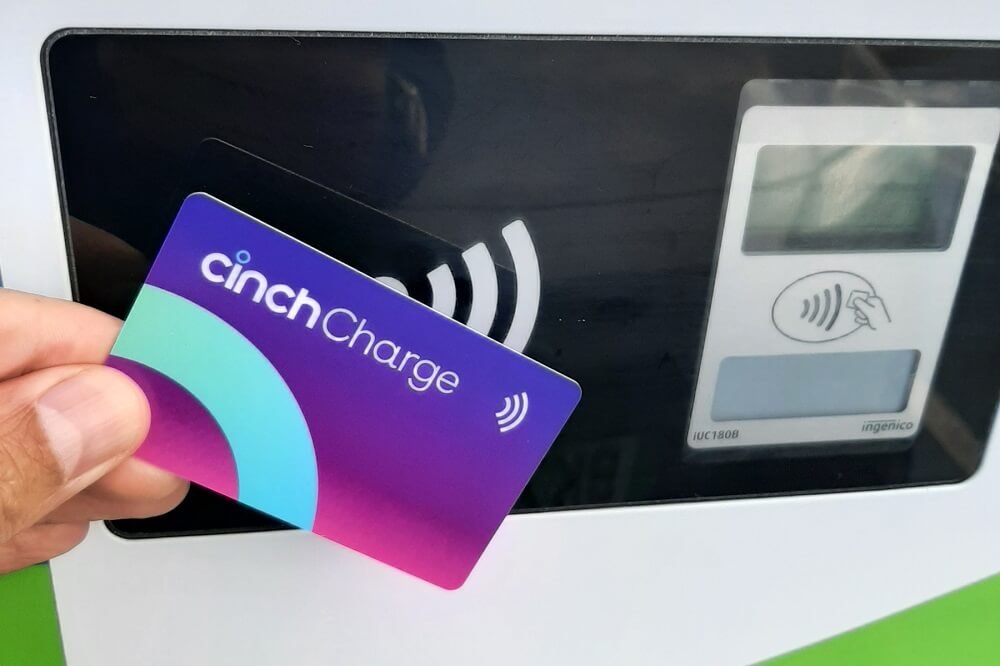
An RFID card for EV charging is a small plastic card that uses Radio Frequency Identification technology to identify a user at a charging station. When you tap the card on the charger’s reader, the system checks your account and grants access if it is authorized. According to industry data from charging network operators across Europe and North America, RFID authentication remains one of the most widely used charging access methods. It is valued for its speed, reliability, and ease of use, especially in shared charging environments.
Best RFID Cards for EV Charging in 2026
- Tata Power EZ CHARGE:
Best for country-wide accessibility, operating on India’s largest network spanning over 620 cities.
Perfect for low-connectivity areas like underground parking or remote highways.
Seamlessly links with your central EZ Charge account to share vehicle access without sharing app credentials. - Statiq RFID Card:
Top choice for budget-conscious drivers prioritizing competitive, low pricing.
Bypasses smartphone authentication for instant, single-tap DC fast charging. - Zeon Charging RFID Key:
Renowned for high-speed charger reliability and quick session initiation.
What is an RFID Card?
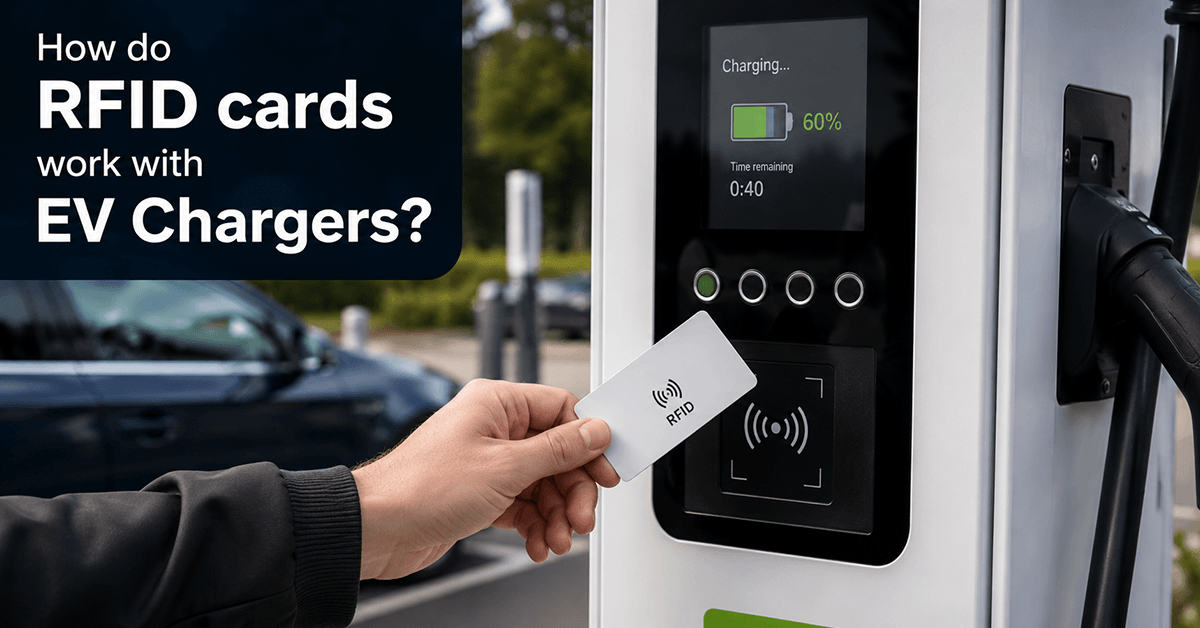
An RFID (Radio Frequency Identification) card is a contactless smart card embedded with a small chip and antenna that communicates with EV charging stations using radio waves. These cards are used to authenticate users, initiate charging sessions, and sometimes even manage billing.
In simple terms, it acts like a digital key — when you tap your RFID card on the reader at a charging station, it verifies your identity and grants access to the charging service.

How Do RFID Cards Work with EV Chargers?
RFID charging follows a simple process that helps you start a charging session in seconds. The charging station contains an RFID reader that communicates with the chip inside your card. Once the card information is verified, the charger unlocks and begins delivering power to your vehicle. Most modern systems connect this information to a cloud platform where charging records, user access, and energy usage are stored. This process helps charging operators manage multiple users while maintaining accurate billing and reporting.
What Are the Benefits of Using an RFID Card for EV Charging?
RFID cards offer several practical advantages for EV drivers and charging station operators. They provide a fast and reliable way to access charging services without depending on a smartphone app or internet connection. This can be especially useful in parking garages, campuses, and remote locations where network coverage may be limited. In my experience working with EV infrastructure projects, organizations often prefer RFID because it reduces support requests and simplifies user onboarding.
- Unmatched Connection Reliability
You never have to worry about cellular dead zones when you keep a physical card in your wallet. - Faster Session Activation Times
Tapping your card starts the electricity immediately, which saves you precious minutes during busy mornings. - Simple Family Access Sharing
You can hand the extra card to your spouse or teenager without sharing your private phone passwords.
Why Are RFID Cards Important for Universities and Workplaces?
Universities and workplaces often have dozens or even hundreds of EV drivers sharing charging resources. RFID cards help administrators manage access, monitor usage, and allocate charging costs fairly. According to the International Energy Agency (IEA), workplace charging is becoming an important part of EV adoption as more employees switch to electric vehicles. RFID systems allow organizations to identify users, enforce charging policies, and collect accurate usage data without creating additional administrative work.
“Access control and user authentication are critical components of scalable EV charging infrastructure.”
– Industry guidance
RFID vs App-Based Charging: Which Is Better?
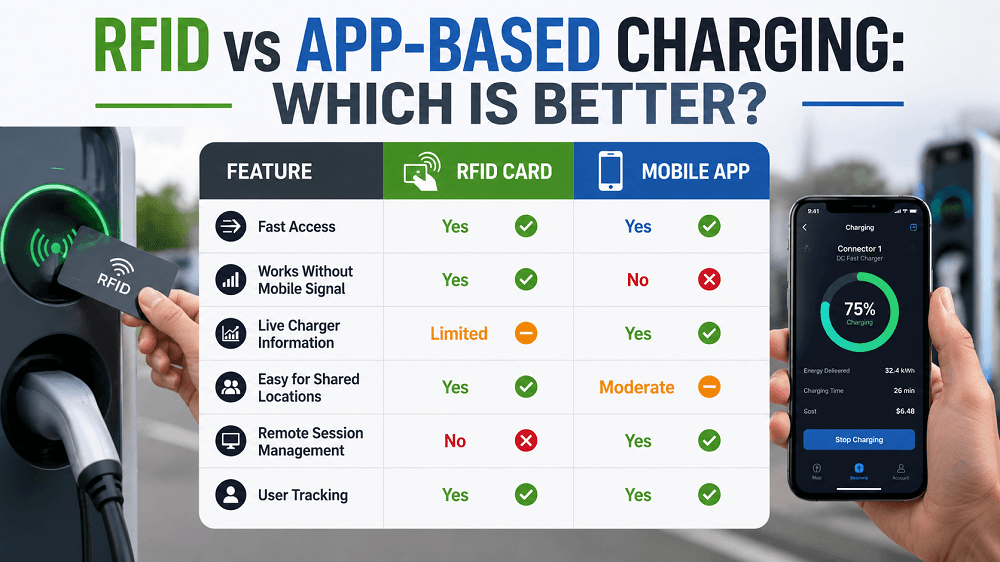
Both RFID cards and mobile apps can provide a good charging experience, but each has its strengths. RFID cards excel in simplicity and reliability, while apps often offer additional features such as reservation systems, live charger status, and payment management. Many charging networks support both methods, so users can choose the option that works best for them.
| Feature | RFID Card | Mobile App |
| Fast Access | Yes | Yes |
| Works Without Mobile Signal | Yes | No |
| Live Charger Information | Limited | Yes |
| Easy for Shared Locations | Yes | Moderate |
| Remote Session Management | No | Yes |
| User Tracking | Yes | Yes |
How to Get and Use an RFID Card for EV Charging?
Getting an RFID card is usually a straightforward process. Most charging network providers issue cards to registered customers. After activation, you can use the card at supported charging stations across the network.
Registration and Activation Process
You typically create an account with a charging network, request an RFID card, and link the card to your profile. Some providers include the card with membership plans, while others charge a small one-time fee. Once activated, the card is ready to use immediately.
Daily Charging Workflow
When you arrive at a charging station, tap your RFID card on the reader and wait for confirmation. Connect your charging cable, and the session will begin. When charging is complete, tap the card again if required by the network to end the session and record usage.
Managing Charging Records
Most RFID systems connect to online dashboards where you can review charging history, energy consumption, and payment information. This visibility helps drivers monitor charging habits and manage costs more effectively.
RFID Integration with Smart EV Charging Platforms
How do large companies track hundreds of separate charging stations at the same time? They connect RFID readers to cloud software using standard open tools like the Open Charge Point Protocol. This setup lets station owners change prices and block lost cards from a central computer dashboard. Experienced field engineer Tom Miller says that cloud syncing keeps payment systems safe. Your personal billing data stays locked behind corporate security walls while your car charges up.
What Are the Common Myths About RFID Cards for EV Charging?
Many misconceptions exist about RFID charging technology. Understanding the facts can help you make informed decisions when choosing a charging solution.
Myth 1: RFID Cards Are Not Secure
This is one of the most common myths. Modern RFID systems use encrypted identification methods and account verification processes. While no technology is perfect, reputable charging networks implement multiple layers of security to protect user data and prevent unauthorized access.
Myth 2: RFID Technology Is Becoming Obsolete
RFID remains widely used across transportation, access control, logistics, and EV charging industries. Many leading charging networks continue to support RFID because it offers dependable performance and simple user authentication.
Myth 3: RFID Cards Only Work at One Charger
Many charging providers allow roaming agreements that let drivers use a single RFID card across multiple charging locations. Availability varies by network, but interoperability continues to improve as the EV industry grows.
Conclusion: Is an RFID Card for EV Charging Worth It?
Do you want a reliable backup plan when your smartphone dies in an isolated parking garage? Keeping a charging card in your glovebox is absolutely worth it for every driver. Data shows that app errors cause 12% of public charging failures, but physical cards bypass those bugs. They cost almost nothing to keep and protect you from getting stranded away from home. Grab a card from your provider today to enjoy a truly peaceful driving experience.
“Disclaimer: NeuDeals is an independent publisher. The information provided in this article is for educational purposes only and does not constitute formal legal, financial, or professional insurance advice. We recommend consulting a licensed insurance broker before purchasing any policy.”
About The Author