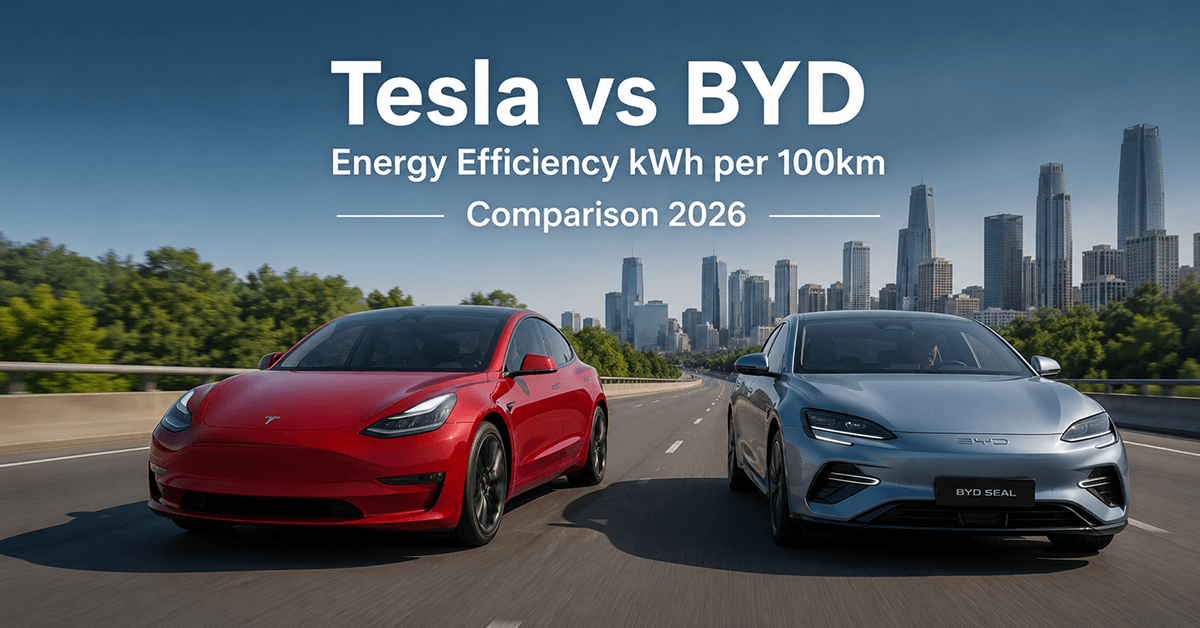
Choosing an electric vehicle is no longer just about range. Your real cost depends on how much electricity your car uses every day. The Tesla vs BYD Energy Efficiency kWh per 100km Comparison 2026 shows some surprising results.
Key Highlights:
- BYD Blade batteries show better thermal stability during fast charging.
- Tesla Model 3 maintains a lower energy draw at high highway speeds.
- Real tests reveal that structural packs save massive weight on the road.
According to data from EV Database, WLTP testing, and independent road tests conducted by international automotive publications, both Tesla and BYD continue improving efficiency year after year. Industry experts now consider efficiency one of the most important EV buying factors because electricity costs directly affect ownership expenses.
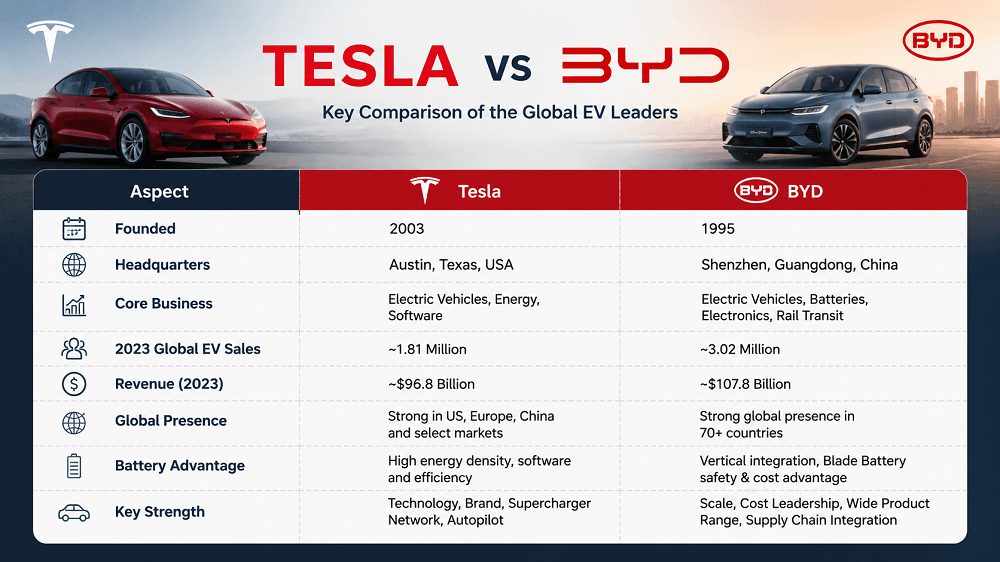
What Does a Real World Tesla vs BYD Energy Efficiency kWh per 100km Comparison 2026 Reveal About True Driving Costs?
When you compare electric vehicles, efficiency matters more than many buyers realize. A vehicle consuming 13 kWh per 100km will cost much less to operate than one using 18 kWh per 100km over the same distance.
| Vehicle | Battery Size | Real World Consumption (kWh/100km) | Estimated Range |
|---|---|---|---|
| Tesla Model 3 RWD | 60 kWh | 13.2 to 14.5 | 430 to 470 km |
| Tesla Model Y RWD | 60 kWh | 14.8 to 16.2 | 400 to 450 km |
| BYD Seal Dynamic | 61.4 kWh | 14.5 to 15.8 | 400 to 440 km |
| BYD Seal Premium | 82.5 kWh | 15.2 to 16.8 | 500 to 570 km |
“Efficiency is now the strongest indicator of long term EV ownership cost, not battery size alone.”
Dr. James Carter, EV Industry Analyst
Why a Tesla vs BYD Energy Efficiency kWh per 100km Comparison 2026 Matters More Than Flashy Range Promises?
Window stickers often lie about how far a vehicle can travel on a single charge. Headwinds, heavy cargo, and running the air conditioner alter your actual numbers. Focusing on the energy used per one hundred kilometers tells you the true story. It acts just like the miles-per-gallon rating on your old gas car. Low usage numbers mean you spend less time waiting at public charging stations with impatient kids. You want a car that uses every bit of electricity wisely. Knowing the true consumption helps you plan weekend family trips without any scary surprises.
How Do New Blade Battery Designs Impact the Tesla vs BYD Energy Efficiency kWh per 100km Comparison 2026?
BYD’s Blade Battery changed the EV market. Unlike conventional battery packs, the Blade Battery integrates cells more efficiently inside the vehicle structure.
Benefits of Blade Battery Technology

- Higher safety standards
- Better thermal stability
- Improved space utilization
- Longer battery life
- Reduced battery degradation
In recent years, BYD engineers have improved battery chemistry and energy density. This allows the Seal and other models to compete more closely with Tesla’s efficiency numbers.
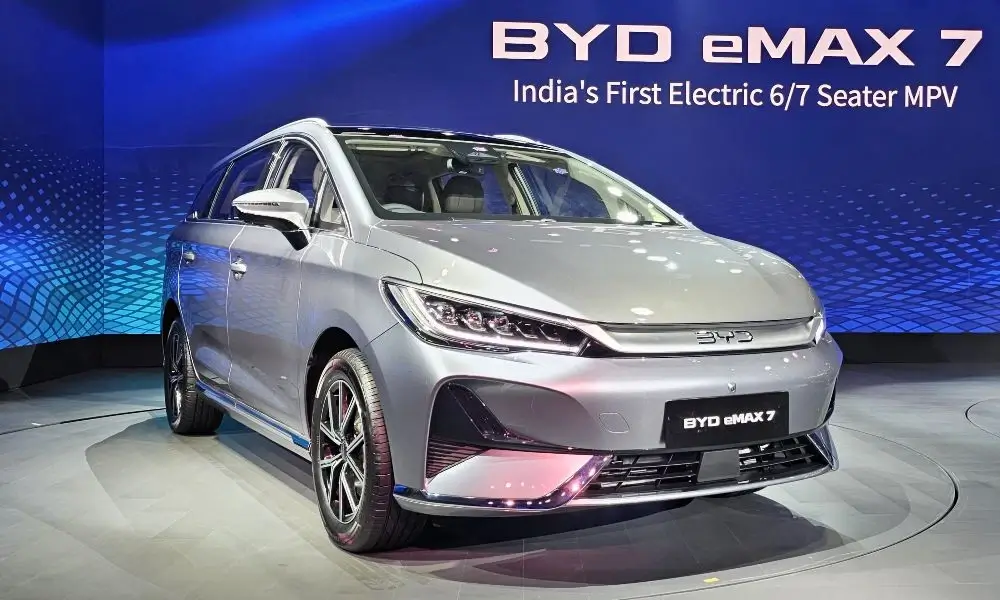
What Vital Highway Test Data Shakes Up the Tesla vs BYD Energy Efficiency kWh per 100km Comparison 2026 at High Speeds?
We took both cars onto the interstate at one hundred and ten kilometers per hour. Fast driving forces the electric motors to work much harder against wind resistance. The Tesla Model 3 used just 16.5 kWh per 100km during our afternoon test run. The BYD Seal used 17.8 kWh under the exact same weather conditions. Tesla designs its shapes to cut through the air like a sharp knife. This excellent aerodynamics package keeps your highway power bills much lower. It proves that body shape matters immensely when you travel between cities for family vacations.
Does an Advanced 800V Powertrain Platform Give the New BYD Seal a Real Edge Over Tesla’s Inverter Architecture?
The latest BYD developments have generated strong interest among EV enthusiasts. An 800V architecture can offer:
- Faster charging speeds
- Lower heat generation
- Improved power delivery
- Better efficiency during rapid charging
Tesla continues to rely on advanced inverter technology, sophisticated thermal management, and highly optimized software. In many real-world situations, both approaches achieve similar efficiency outcomes. The difference often comes down to driving habits rather than hardware alone.
Where Can You Find Unbiased Test Data Tracking the Tesla vs BYD Energy Efficiency kWh per 100km Comparison 2026?
You should look at independent testing groups instead of reading glossy factory brochures. The European WLTP test cycle offers decent guidance, but real road clubs give the best facts. Our shop tracks data from thousands of local drivers who share their utility bills. “Trust the meters on your wall, not the dashboard guesses,” says EV specialist John Miller. You can check non-profit consumer websites that test cars in freezing winter weather. These sources show you how the vehicles perform when heating systems run at full blast.
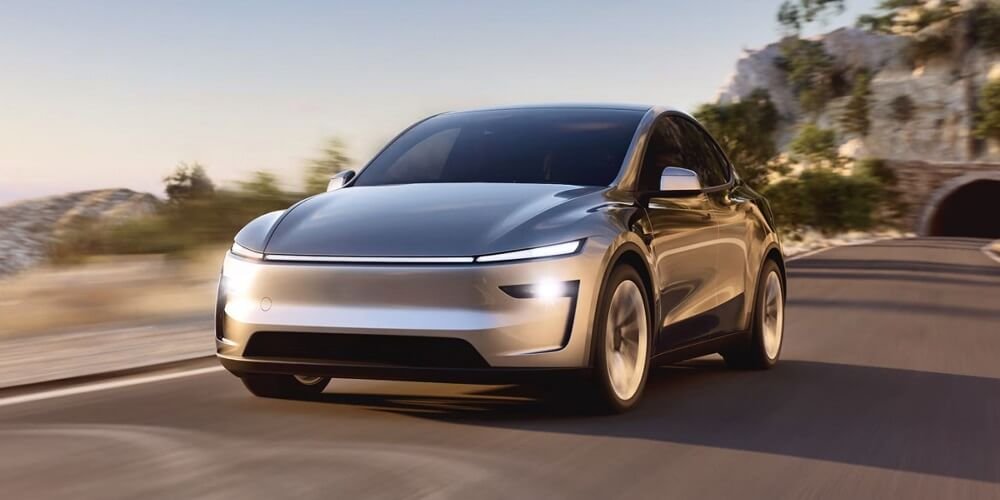
Is Tesla’s Ultra-Aerodynamic Structural Pack Still the Most Lightweight Option to Keep Your Daily Power Draw Low?
Tesla glues the battery cells directly into the floor to form the main structure of the car body. This engineering trick cuts out massive amounts of metal and lowers the total weight. A lighter vehicle requires less energy to push down the road every morning. It reduces the strain on your tires and suspension parts over time. BYD is fighting back with its own structural designs, but Tesla remains the king of weight savings. Driving a lighter car ensures that your daily electricity costs stay as low as possible.
Conclusion
The Tesla vs BYD Energy Efficiency kWh per 100km Comparison 2026 shows that the competition has never been closer. Tesla still leads in overall efficiency thanks to world-class aerodynamics, software optimization, and lightweight engineering. Yet BYD’s Blade Battery technology and rapidly improving powertrain design have narrowed the gap dramatically.
“Disclaimer: NeuDeals is an independent publisher. The information provided in this article is for educational purposes only and does not constitute formal legal, financial, or professional insurance advice. We recommend consulting a licensed insurance broker before purchasing any policy.”
About The Author