Electric vehicle charging is becoming easier every year. One tool that many EV owners use is the RFID card. It helps you start and stop charging quickly at public charging stations without needing cash or physical tickets.
Key Highlights:
- RFID cards help identify EV drivers at charging stations.
- Most public charging networks support RFID access.
- Charging starts with a simple tap on the charger reader.
- RFID cards work even when mobile network coverage is poor.
- Many EV drivers keep an RFID card as a backup to mobile apps.
What Is an RFID Card?
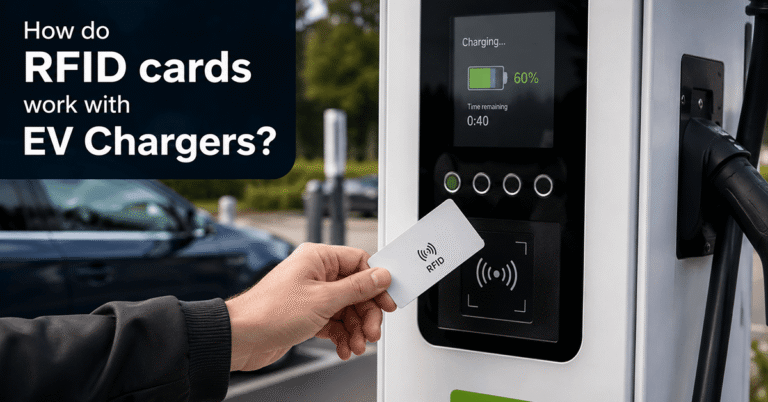
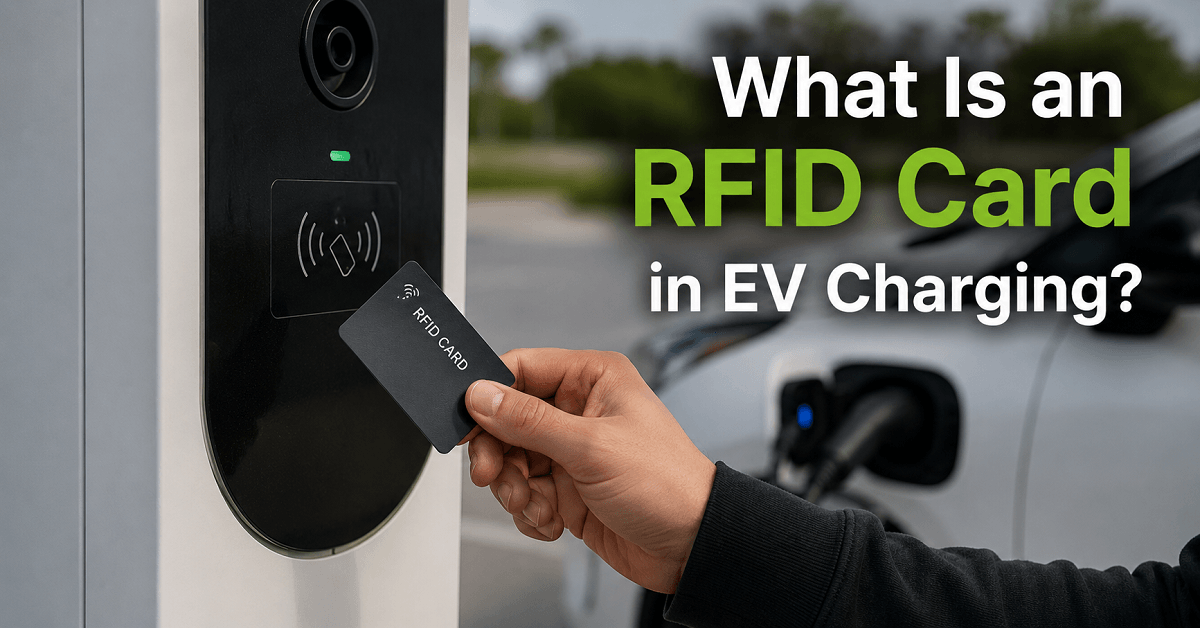
An RFID card is a small plastic card that contains a tiny electronic chip and antenna. When you tap the card on a compatible charging station, the charger reads the card and verifies your account. Once approved, the charging session begins. RFID technology has been used for decades in access control systems, transit passes, and office security cards. In the EV industry, it provides a simple and reliable way for drivers to access charging infrastructure without entering usernames, passwords, or payment details at every charging stop.
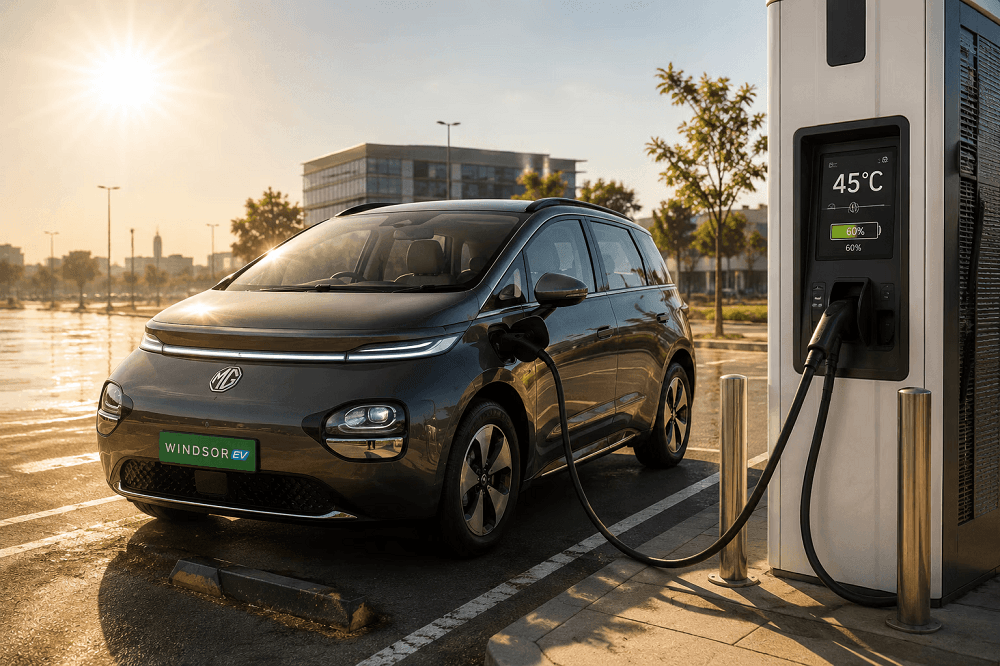
According to EV charging consultants and infrastructure operators, RFID remains one of the most dependable authentication methods because it works without requiring a strong mobile data connection. This makes it particularly useful in remote areas, parking garages, and highway charging locations.
How Does an RFID Card for EV Charging Work?
When you arrive at a charging station, the charger waits for user authentication. You place your RFID card near the reader, and the station reads the unique identification number stored inside the card. That information is sent to the charging network’s backend system, where your account is verified. If your account is active, the charger unlocks and begins supplying electricity to your vehicle. Once charging is complete, you tap the card again to end the session, and the usage data is recorded for billing purposes.

Steps to Use a Charging Card at a Public Charging Station
Using an RFID charging card is simple, even if it is your first time charging an electric vehicle. Most charging stations follow a similar process, regardless of the charging network. The entire process typically takes less than a minute before energy begins flowing to your vehicle. This ease of use is one reason many EV drivers prefer carrying an RFID card during road trips and daily commuting.
Step-by-Step Process:
- Park your EV beside the charging station.
- Connect the charging connector to your vehicle.
- Tap the RFID card on the charger reader.
- Wait for authorization confirmation.
- Charging begins automatically.
- Monitor charging progress if needed.
- Tap the RFID card again to stop charging.
- Disconnect the charging cable safely.
How to Use an RFID Card at Charging Stations?
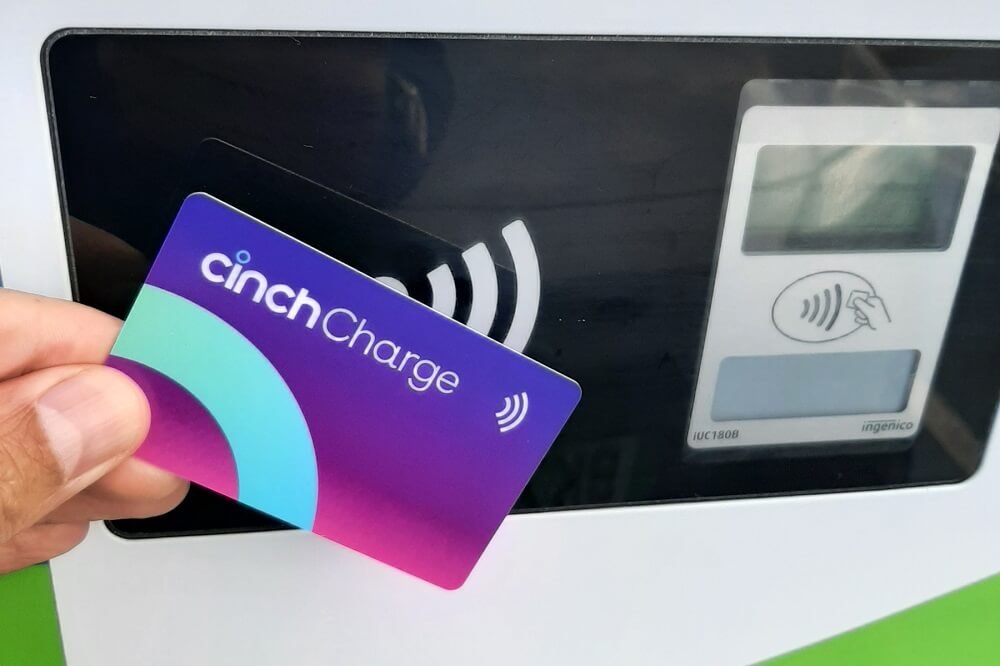
Many new EV owners worry about making mistakes at public chargers. In reality, RFID charging is designed to be user-friendly. Before tapping your card, ensure the charging cable is properly connected to your vehicle. Most stations display instructions on a screen or nearby signboard. After authorization, you will see charging status information such as charging speed, energy delivered, and session duration. Following these simple steps helps ensure a smooth charging experience every time you visit a public charging station.
What Are the Benefits of an EV Charging Card?
RFID charging cards offer several practical advantages that make public charging easier and more reliable. While mobile apps continue to grow in popularity, many experienced EV owners still carry RFID cards as a dependable backup. This combination of convenience and reliability has helped RFID cards remain an important part of the EV charging ecosystem worldwide.
Advantages of RFID Charging Cards
- Fast authentication in seconds
- No need to enter login details repeatedly
- Works in areas with weak mobile signals
- Easy for first-time EV users
- Reliable during long road trips
- Simple tap and charge process
- Reduced dependence on smartphone battery life
- Widely supported by many charging operators
“RFID cards remain one of the most trusted access methods for public EV charging because they combine speed, reliability, and ease of use,” says a senior EV infrastructure consultant with over a decade of experience in charging network deployment.
How Much Does a Charging Card Cost?
The cost of an RFID charging card varies by charging network. Some operators provide the card free after account registration, while others charge a one-time activation fee. In India, fees commonly range from ₹100 to ₹500. Certain charging providers may also require a prepaid wallet balance before charging sessions can begin. Since pricing policies differ among networks, it is always worth checking the operator’s latest terms before ordering a card. The charging cost itself is usually separate from the RFID card fee.
RFID Cards vs Mobile Apps vs Contactless: The Comparison
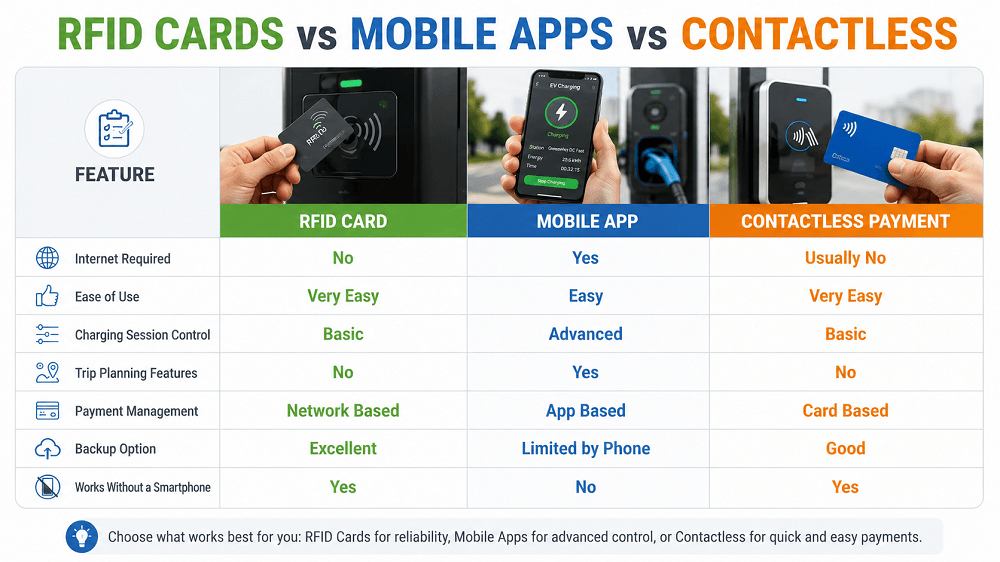
Choosing the right charging access method depends on your driving habits, travel frequency, and personal preferences. RFID cards offer simplicity, mobile apps provide additional features, and contactless payment systems deliver quick transactions. Many EV drivers use a combination of all three methods to ensure they can charge anywhere without interruptions.
RFID Card Payment
Advantages:
RFID cards work without your phone. This is helpful if your battery dies or you forget your device. Also, no mobile signal is needed after activation, making them useful in rural areas with poor connectivity. The card acts as a reliable backup payment option, which many drivers find reassuring.
In addition, one card can work across multiple charging networks when you use roaming services like Octopus Electroverse. The tap-to-start process is fast because there is no need to navigate app menus. Fleet managers also like RFID cards because they simplify company vehicle billing. Moreover, some drivers simply prefer a physical payment method over a digital one.
Limitations:
However, you may need to wait 1–2 weeks for the card to arrive, so you cannot use it right away. It is also another item to carry and potentially lose. Furthermore, you cannot view charging prices before starting a session, which makes budgeting harder. You also cannot monitor charging remotely or see costs while away from your vehicle.
Additionally, RFID cards do not show live charger availability, making trip planning more difficult. The card must be activated before first use. Compared to mobile apps, RFID cards provide fewer features and less flexibility.
Best for: Fleet drivers with company-issued cards, people who prefer physical payment methods, or drivers who want a phone-free backup option.
Mobile App Payment
Advantages:
App setup is quick and easy. Simply download the app, register, add a payment method, and start charging. You can see exact pricing before charging, helping you choose the most affordable option. In addition, real-time monitoring lets you track charging speed, energy usage, and current costs even when you are away from your vehicle.
Apps also show charger availability before you arrive, helping you avoid unnecessary trips. Charging history and instant receipt downloads make expense tracking easier. Most charging networks offer their lowest rates through their apps. Furthermore, built-in navigation helps you find chargers easily. Since you already carry your phone, there is no extra card to keep with you.
Limitations:
On the other hand, you need a charged phone to start a session. A mobile signal is usually required, although some apps can store data temporarily. You must also complete the initial setup process. If you use several charging networks, you may need multiple apps. However, roaming apps like Electroverse can reduce this issue.
Best for: Most EV drivers, especially regular users who value convenience, visibility, control, and lower charging costs.
Contactless Card Payment
Advantages:
Contactless payment requires no setup or registration. It works instantly with the bank card already in your wallet. As a result, you can charge at compatible stations without downloading apps or creating accounts. Your existing bank card becomes your payment method, so there is no need for extra cards. Many modern rapid chargers now support contactless payments.
Limitations:
However, temporary pre-authorisation holds, usually between £30 and £50, may appear on your bank statement. This can sometimes be confusing. Contactless rates may also be slightly higher than app-based pricing. In addition, you cannot check prices before starting a session or monitor charging remotely. Getting receipts can also take extra steps, as you may need to visit the provider’s receipt portal instead of downloading them instantly from an app.
Best for: First-time public charging users, occasional EV drivers who want to avoid multiple apps, or anyone looking for a dependable backup payment method.
| Feature | RFID Card | Mobile App | Contactless Payment |
|---|---|---|---|
| Internet Required | No | Yes | Usually No |
| Ease of Use | Very Easy | Easy | Very Easy |
| Charging Session Control | Basic | Advanced | Basic |
| Trip Planning Features | No | Yes | No |
| Payment Management | Network Based | App Based | Card Based |
| Backup Option | Excellent | Limited by Phone | Good |
| Works Without a Smartphone | Yes | No | Yes |
Do You Need an RFID Card to Charge Your EV?
You do not always need an RFID card to charge your electric vehicle. Many modern charging stations support mobile apps, QR code payments, and contactless bank cards. However, carrying an RFID card can make charging more reliable, especially during long journeys. If you frequently use public charging stations, having an RFID card often saves time and reduces dependence on internet connectivity. Most experienced EV drivers view it as a useful backup that helps avoid unexpected charging access issues.
Which Charging Networks Use RFID Cards?
Many charging operators across India, Europe, North America, and other regions support RFID authentication. Networks continue to offer RFID cards because many customers prefer the simplicity of tap and charge access. Availability varies by country and provider, so checking directly with your preferred charging network is recommended before applying for a card.
Conclusion
An RFID card is one of the easiest ways to access public EV charging stations. It offers fast authentication, dependable performance, and a simple tap to charge experience. While mobile apps and contactless payments continue to grow, RFID cards remain a trusted tool for everyday charging. If you regularly use public charging infrastructure, carrying an RFID charging card can help you avoid delays and make every charging session smoother and more predictable.
“Disclaimer: NeuDeals is an independent publisher. The information provided in this article is for educational purposes only and does not constitute formal legal, financial, or professional insurance advice. We recommend consulting a licensed insurance broker before purchasing any policy.”
About The Author