

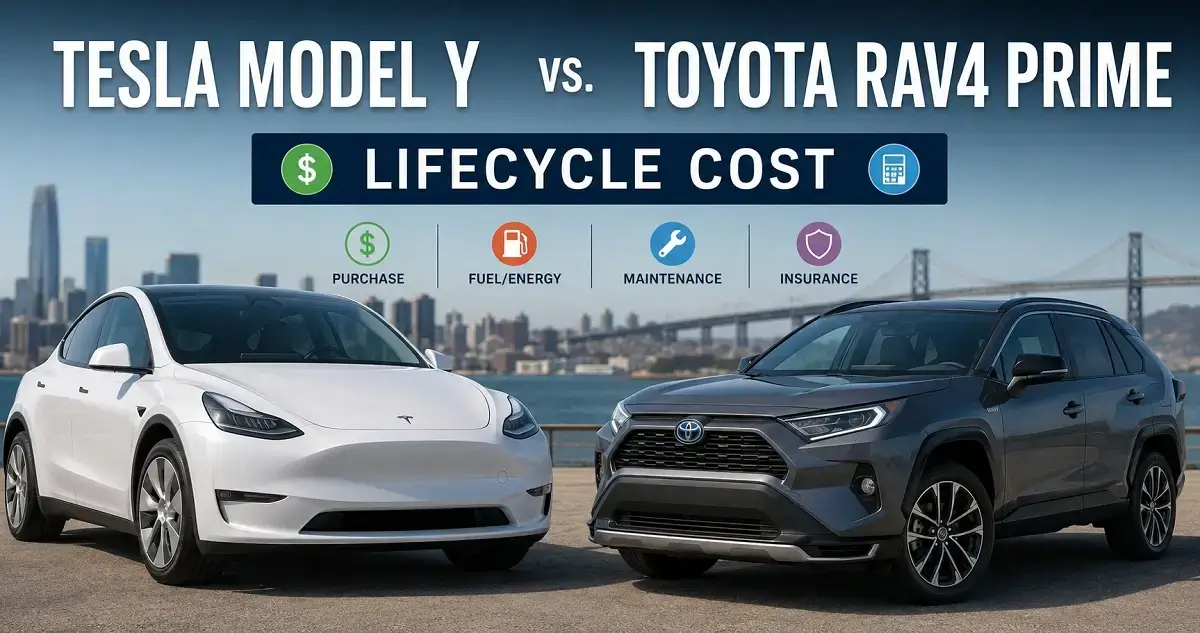
The Tesla Model Y can cost less to run over time because electricity and routine maintenance are generally cheaper than gasoline and engine servicing.
The Toyota RAV4 Prime can still make financial sense if you need longer road-trip flexibility, have easy access to charging, or prefer a plug-in hybrid that can switch to gasoline when the battery is depleted.
Tesla Model Y vs. Toyota RAV4 Prime: Key Lifecycle Costs
When you compare total ownership cost, don’t stop at the purchase price. Look at energy, maintenance, insurance, charging, depreciation and how long you plan to keep the vehicle.
| Cost Category | Tesla Model Y Long Range | Toyota RAV4 Prime | The Winner |
| Fuel / Energy | ~$3,000 – $3,500 | ~$4,500 – $5,500 | Tesla (By a landslide if home-charging) |
| Maintenance | ~$3,250 (Heavy tire wear) | ~$3,500 (Oil, filters, fluids) | Tesla (Slight edge) |
| Insurance | ~$10,000 – $12,000 | ~$7,000 – $8,500 | Toyota (Significantly cheaper repairs) |
| Depreciation | Steep (~50% loss) | Incredibly low (~35% loss) | Toyota (Unmatched market retention) |
What Makes the Tesla Model Y Cheaper to Run?
The Model Y has no gasoline engine, oil, spark plugs or traditional exhaust system. That removes several routine service items found in a plug-in hybrid.
For you, the biggest savings can come from charging at home and driving mostly on electricity. Your actual savings will depend on local electricity rates, annual mileage, gasoline prices and charging habits.
Why Can the Toyota RAV4 Prime Still Be a Smart Financial Choice?
The RAV4 Prime gives you two ways to travel. You can use electricity for shorter daily trips and gasoline for longer journeys.
That flexibility can be valuable if you regularly take road trips where charging stations are limited. You also avoid the need to plan every long trip around charging stops. The trade-off is a more complex powertrain with both an electric system and a gasoline engine.
Which Has the Lower Total Cost of Ownership?
For a driver who can charge at home and drives many miles each year, the Tesla Model Y has a strong lifecycle-cost advantage because its energy and routine maintenance needs can be lower.
However, depreciation and insurance can change the final result. A vehicle with a lower fuel bill isn’t automatically the cheapest vehicle to own.
Before buying, compare:
- Purchase price and available incentives
- Electricity cost per kWh
- Local gasoline price
- Annual mileage
- Insurance quotes
- Expected resale value
- Tire replacement costs
- Financing interest
- Home charger installation
Final Verdict
If your priority is lower running costs and simple electric driving, the Tesla Model Y is the stronger choice to investigate.
If you want EV driving for daily trips plus gasoline freedom for long journeys, the Toyota RAV4 Prime offers a useful middle ground. Your driving pattern matters more than the badge. Calculate your expected five-year electricity, gasoline, maintenance and depreciation costs before making the final decision.

Rate This Article
Be the first to rate this article
Thanks for rating!
All Car Brands
View all brands →
















More Updates

Handpicked Accessories for Every and Journey
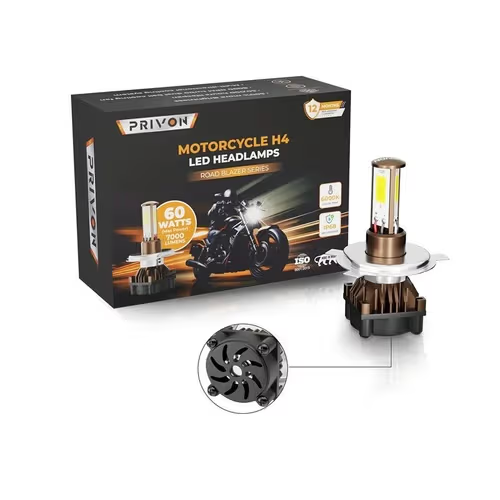
PRIVON 60W H4 LED Headlight for Bike – 7000L, 6000K White LED Light for Night Ride
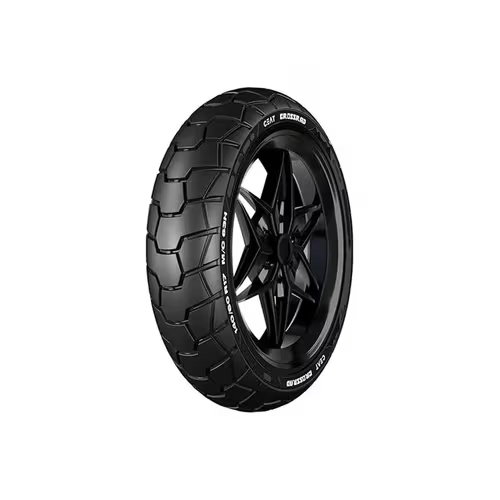
Ceat Zoom Rad 140/60 R17 63P Tubeless Bike Tyre
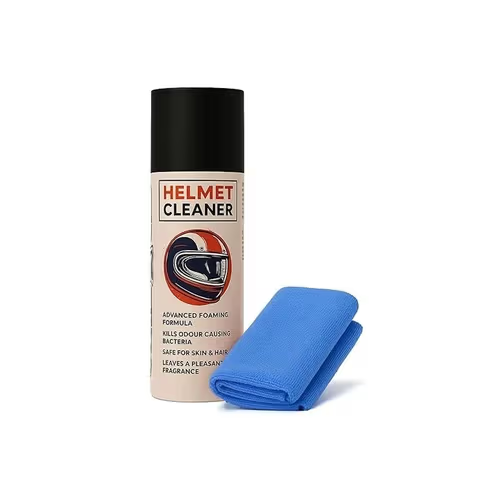
ShineXPro Helmet Cleaner & Microfiber Cloth – Anti Bacterial Foaming Helmet Cleaning Spray
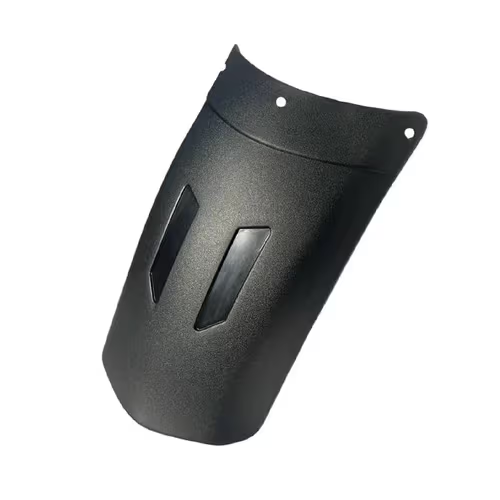
Universal Front Fender Mudguard Extender Extension Fits for Motorcycle

Boldfit Full Face Helmet Mask for Bikers in Riding UV Protected
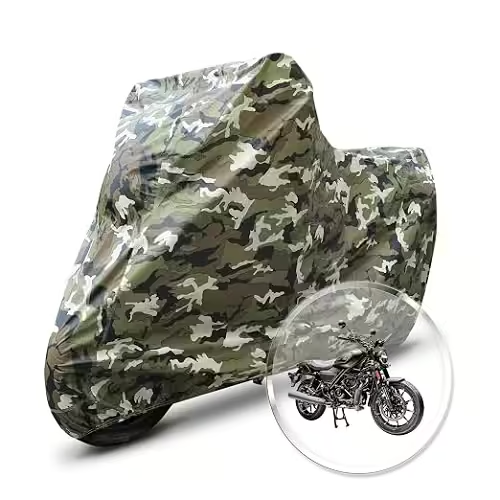
Neodrift JungleMax Bike Cover for Harley-Davidson X440
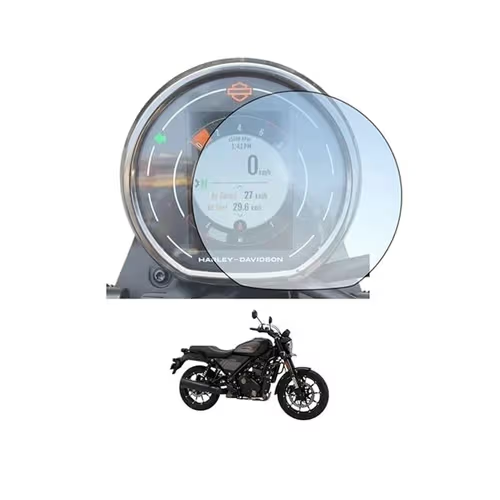
Wisely Pack 2 Screen Guard for Harley Davidson X440T Bike – Instrument Cluster Accessories
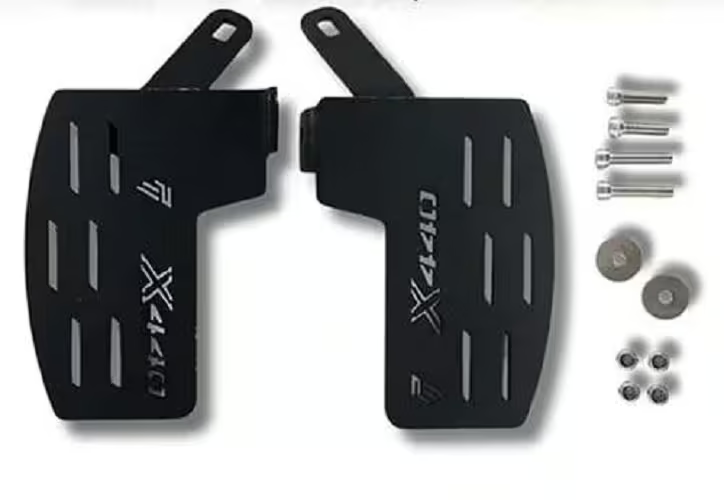
PHANTOM Premium Adjustable Footrest for Harley – Motorcycle Accessory for Touring & City Riding
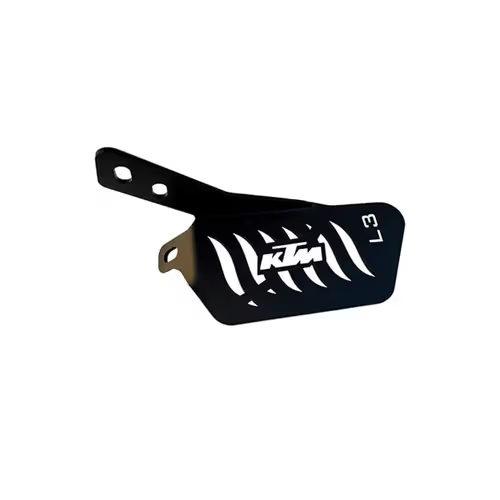
L3 MODZ Ladies Foot Rest for KTM Duke (BS6 Gen2) Models
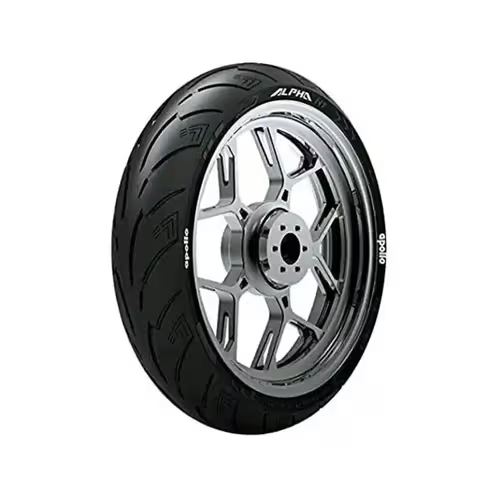
Apollo Alpha S1 130/70 R17 62H Radial Tubeless Bike Tyre
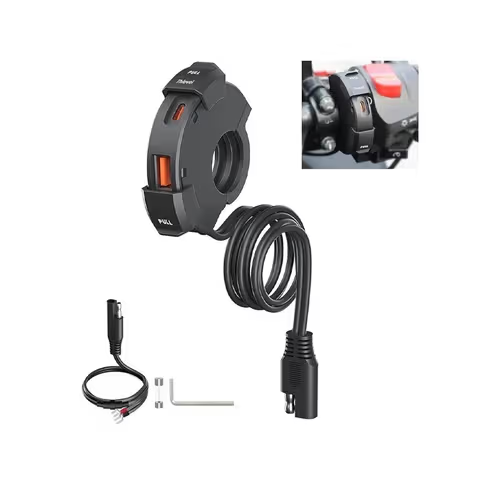
30W Motorcycle Type-C USB Phone Charger with PD & Quick Charge
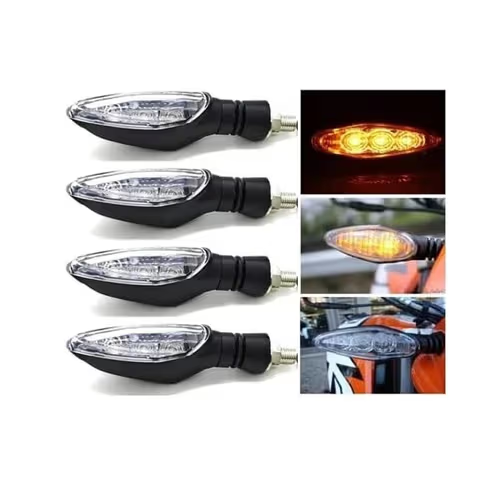
ELTRON TURBO Turn Signal Indicator Lights Compatible for KTM
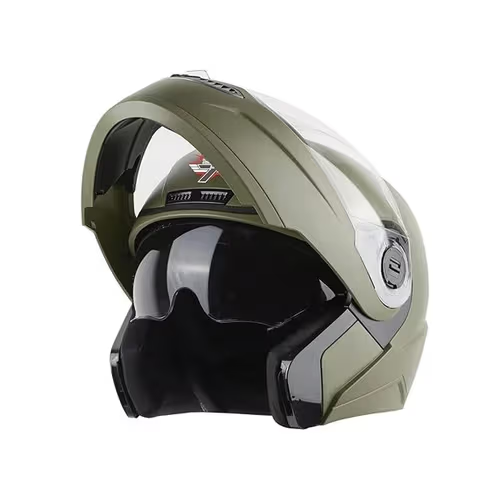
Steelbird SBA 7 7Wings Flip-Up Helmet for Men with Skull Cap
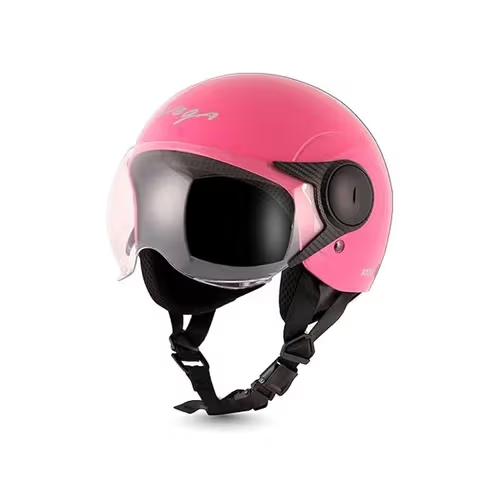
Vega Atom Open Face Helmet with Clear Visor, Black
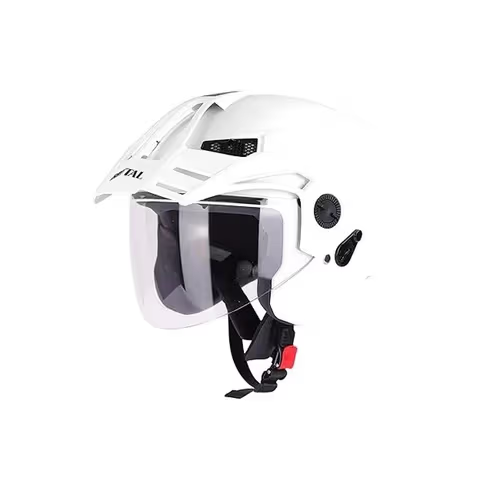
Steelbird SBH-23 Brutal Open Face Helmet with Skull Cap
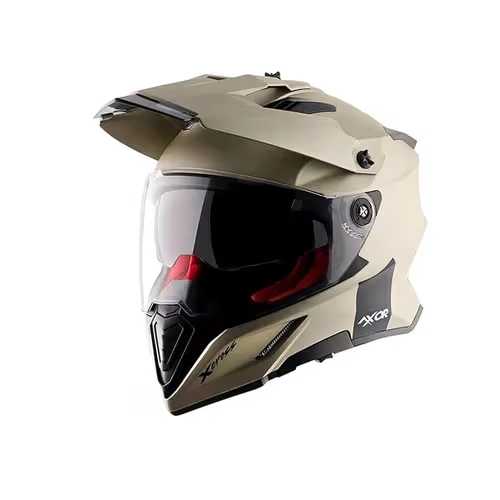
Axor X Cross Dual Visor Full Face Off-Road Helmet – Dull Black Orange
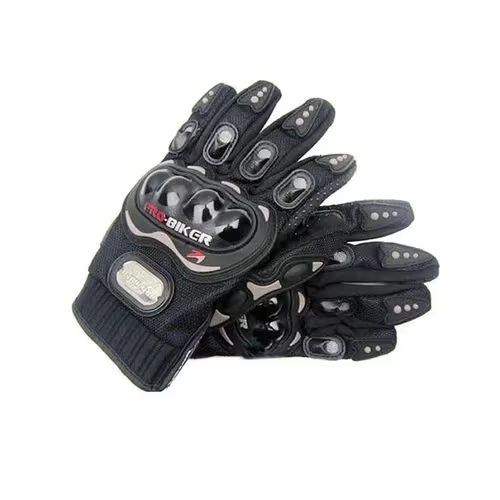
Probiker Protective Full Finger Bike Riding Gloves – Motorcycle, Cycling, and Hiking
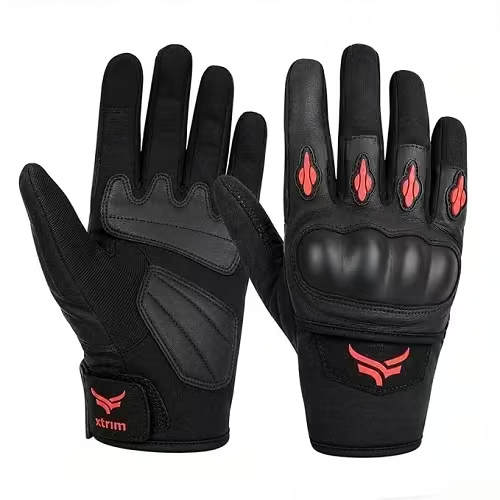
XTRIM Protekt Universal Bike Riding Gloves for Men – Black, Red
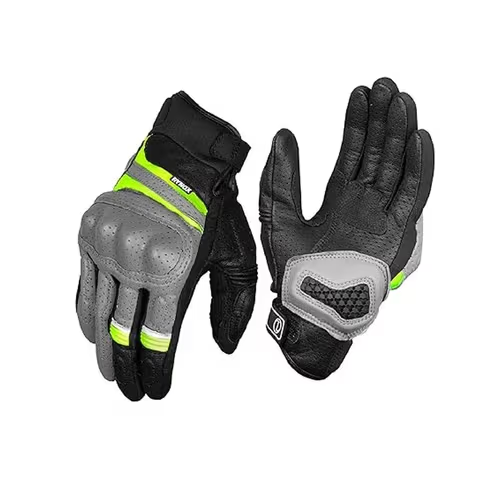
Rynox Air GT Leather Motorcycle Riding Gloves – Cuff Length | Grey Red
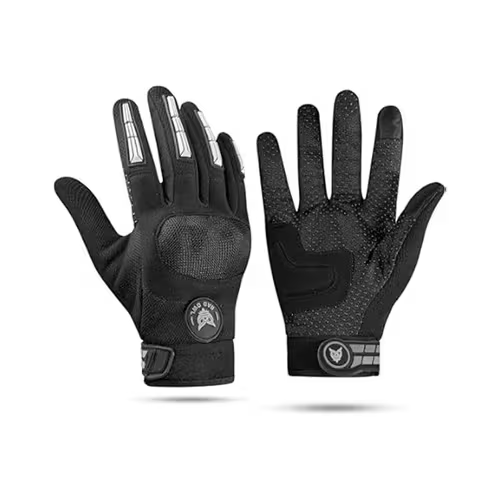
BADOWL RYDON Knuckle Protection Riding Gloves – Touchscreen Sports Gloves

Microfiber Car Duster with Long Handle Cleaning Brush
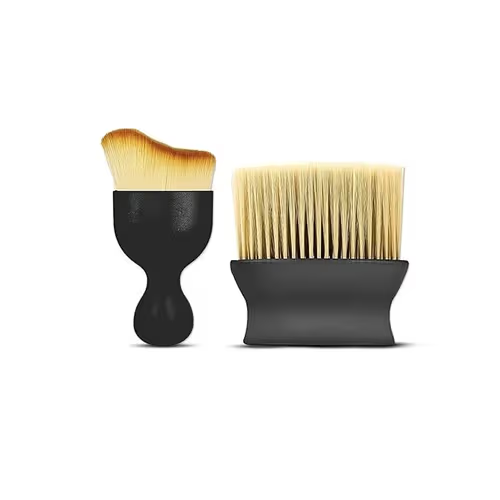
Robustt Car Interior Cleaning Brush Combo – Scratch Free Car Duster

ORJILO 5-Piece Microfiber Car Duster Kit – Extendable Long Handle Duster for Car
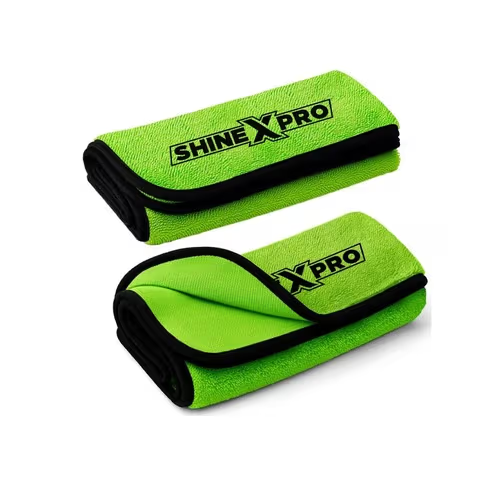
ShineXPro Microfiber Car Cleaning Cloth (500 GSM, Extra Large (35×75 CM))
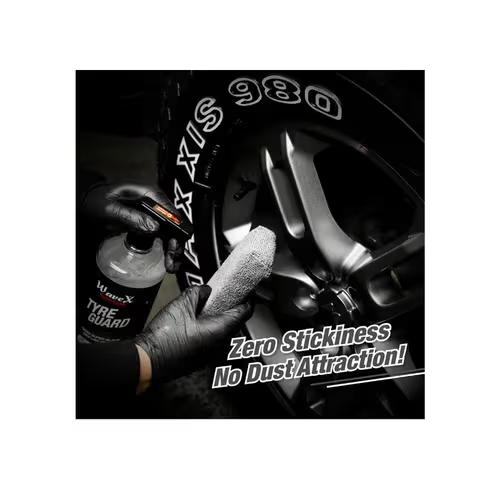
Wavex Tyre Polish for Car & Bike (1L) – With Applicator and Microfiber Cloth

ShineXPro Glass Cleaner Spray (300 ml) – Streak Free Car Glass Cleaner Liquid
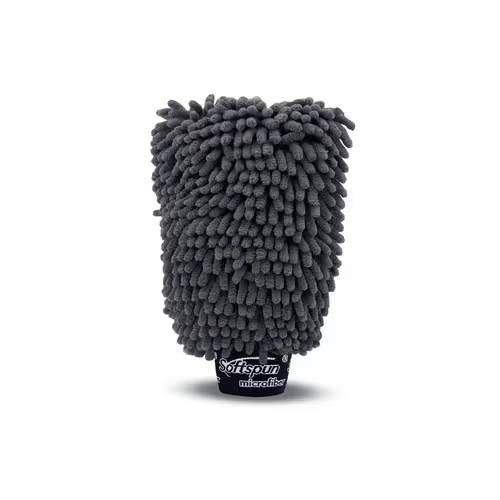
SOFTSPUN Microfiber Chenille Wash Mitt (1700 GSM)
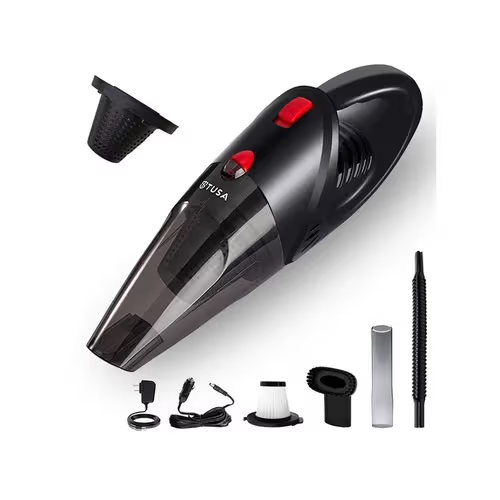
Tusa V1 Cordless Vacuum Cleaner for Car – High Power Portable Lightweight Wireless Vacuum

SOFTSPUN Microfiber Cloth (40×40 cm, 340 GSM) – Automotive Microfibre Towels for Car
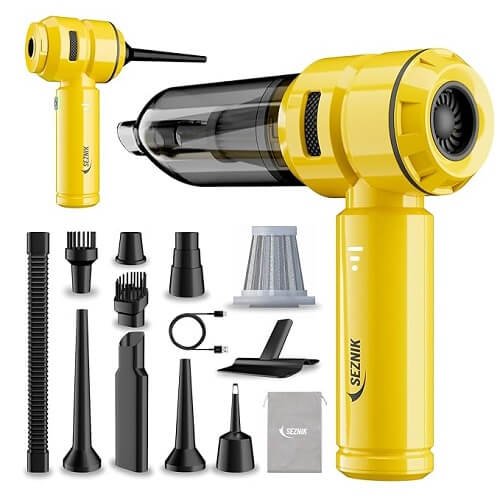
SEZNIK 4-in-1 Cordless Vacuum Cleaner & Blower

GOODAIR Royal Premium Non-Electric Car Air Purifier
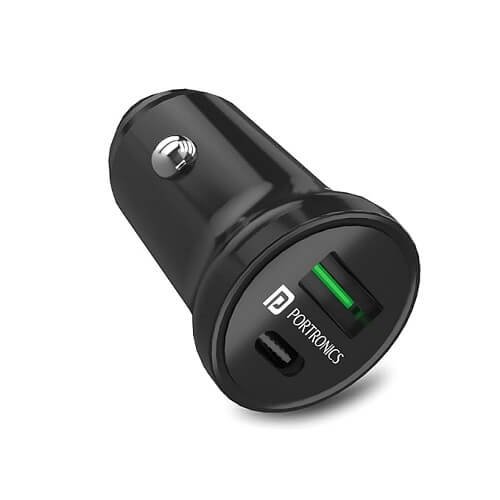
Portronics 38W Dual Output Fast Car Charger with 20W Type-C PD & 18W USB with Cars for iPhone
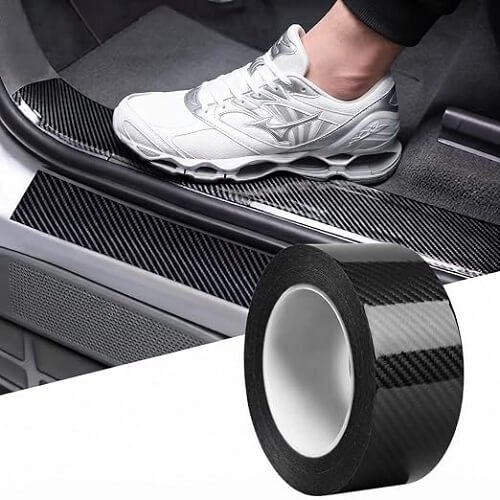
AutoBizarre High Gloss Carbon Fibre Paint Protection For Car
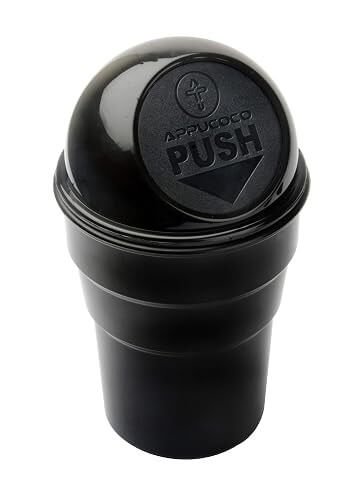
APPUCOCO Mini Car Trash Bin – Black
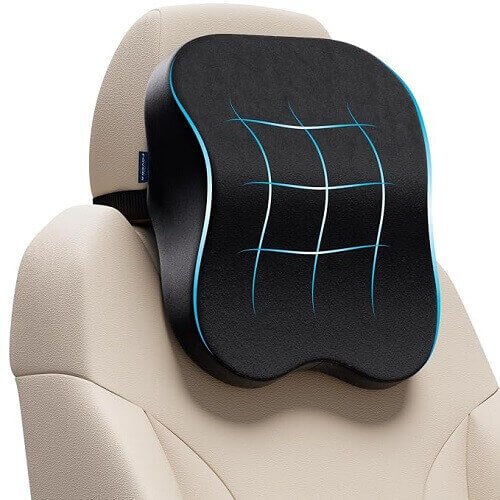
FOVERA Memory Foam Car Neck Rest Pillow – Medium, Black
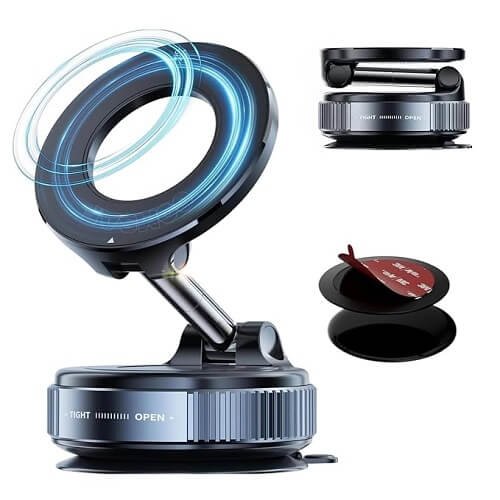
360° Vacuum Magnetic Car Phone Mount – Strong Suction Cup Phone Holder for Car
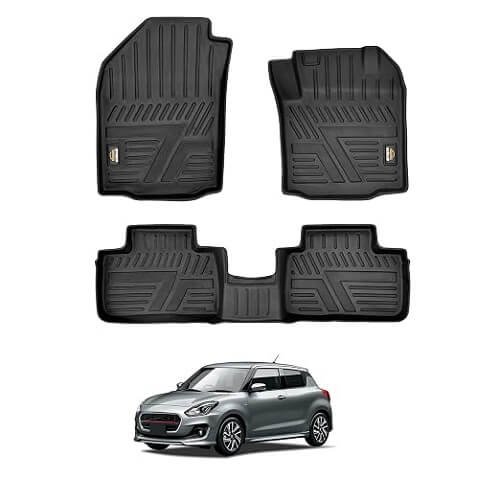
Amazon Basics 5D Custom Fit Car Floor Mats for Swift Facelift
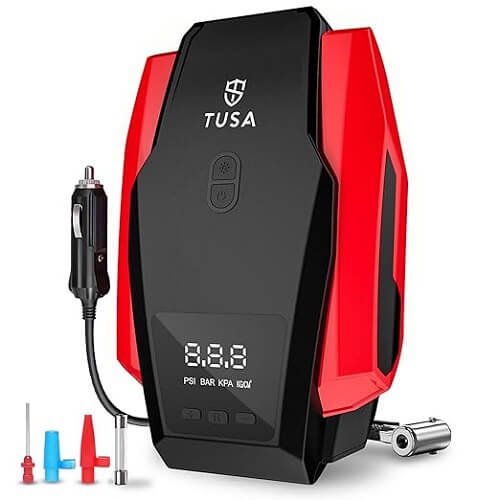
TUSA Drive X 12V DC Portable Tyre Inflator – 150 PSI, Air Compressor
![Qubo Dashcam Pro 4K [2026 Edition] – Dual Channel | ADAS | Ultra-Wide 8MP UHD+ Front, 2MP FHD Rear](https://neudeals.co/wp-content/uploads/2026/09/Qubo-Dashcam-Pro-4K-Sensor.jpg)
Qubo Dashcam Pro 4K [2026 Edition] – Dual Channel | ADAS | Ultra-Wide 8MP UHD+ Front, 2MP FHD Rear
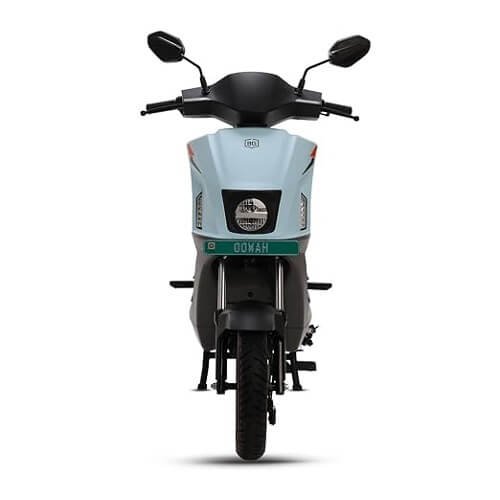
Oowah EX Electric Scooter – Removable Lithium-ion Battery , Laguna Blue
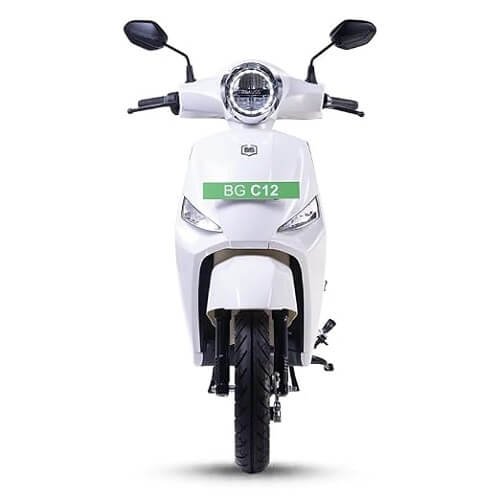
BG C12i EX Gen 2 Electric Scooter – Removable 2.0 kWh LFP Battery, 60 km/h Top Speed
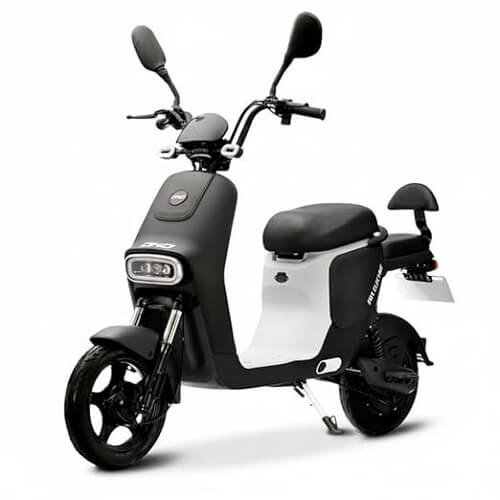
EOX OKO Electric Scooter – Removable Lithium Battery, 40-50 km Long-Range
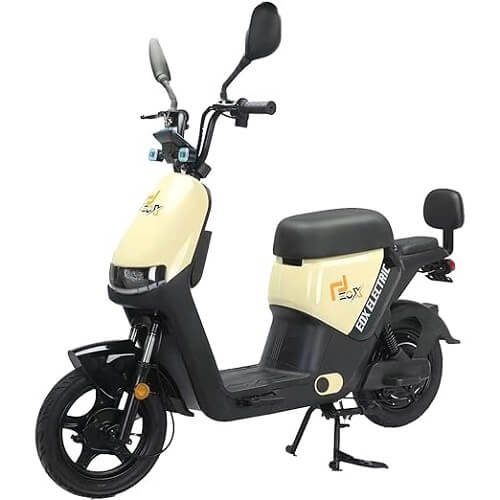
EOX OLO Low Speed Electric Scooter – 45Km Mileage, Pastel Yellow & Black
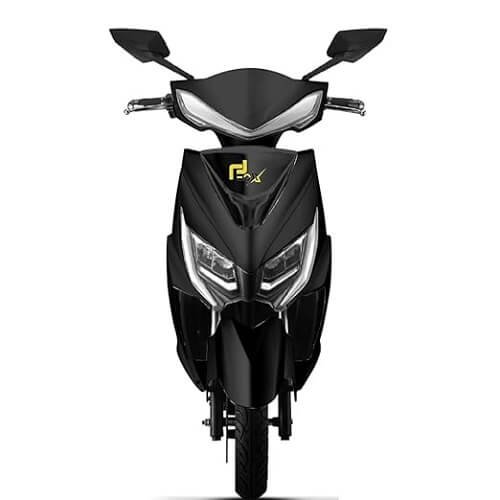
EOX E2 Low Speed Electric Scooter – 60-70Km Range, Portable Lithium Battery
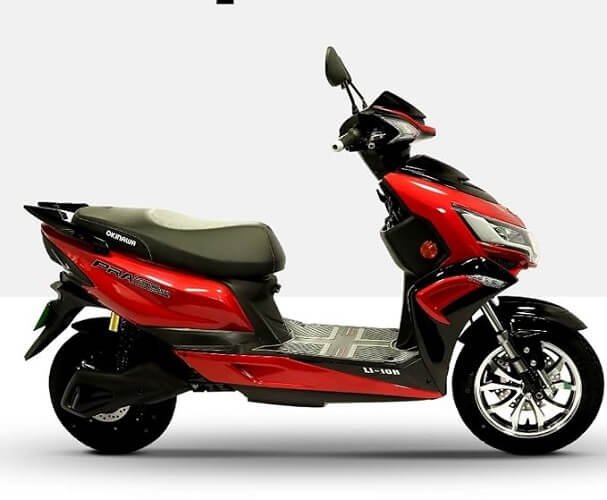
Okinawa Praise PRO Electric Scooter – Li-Ion Battery
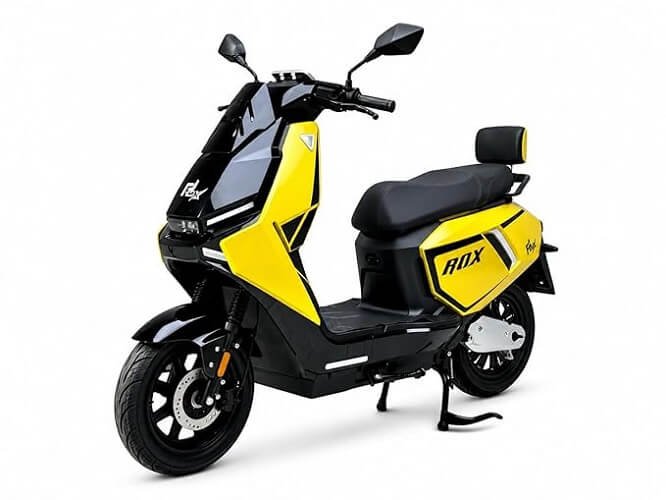
EOX® ROX Electric Scooter – 48V Removable Lithium Battery, 50-60 km Long-Range
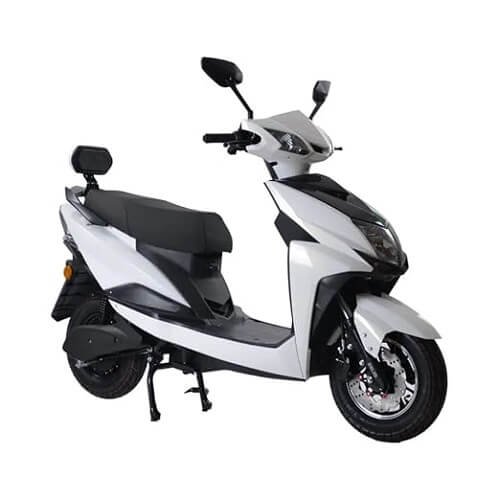
MIOOX Electric Scooter – 51.8V 28AH Range 55-65km Front Disc
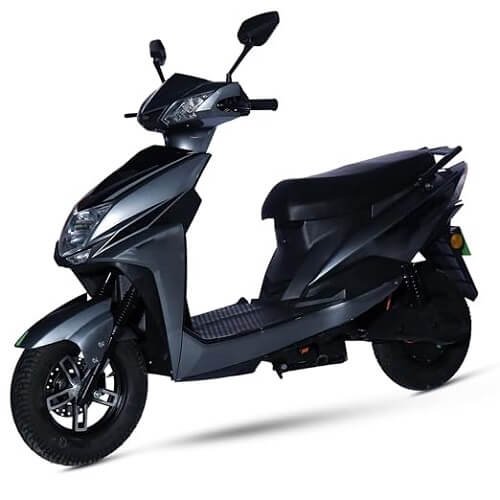
AMO Low Speed Electric Scooter – 60-70 Km Range in Grey
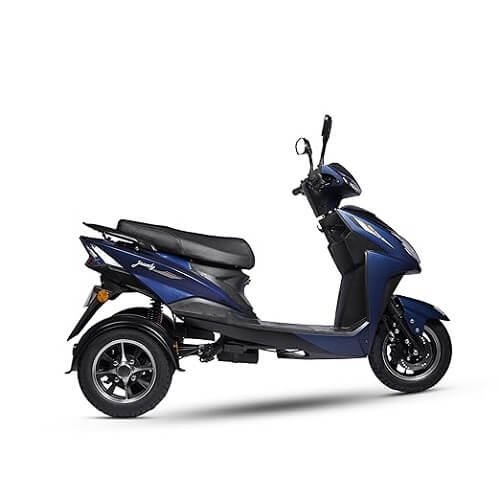
AMO Jaunty 3W Low-Speed Electric Scooter – Blue and Black
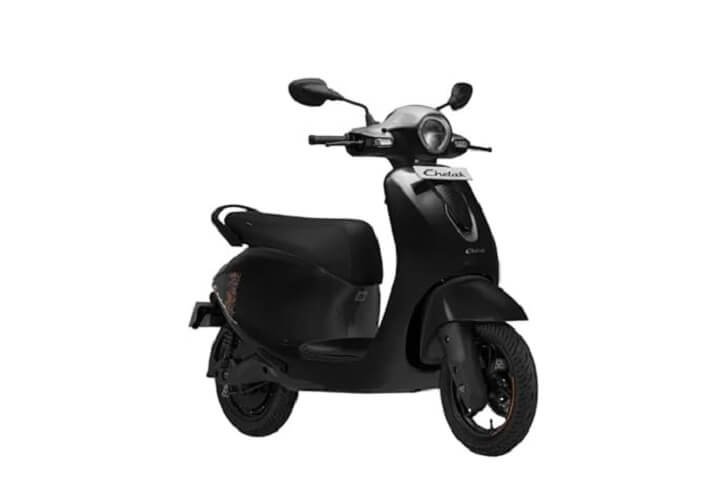
Bajaj Chetak C2501 Electric Scooter – Glossy Active Black
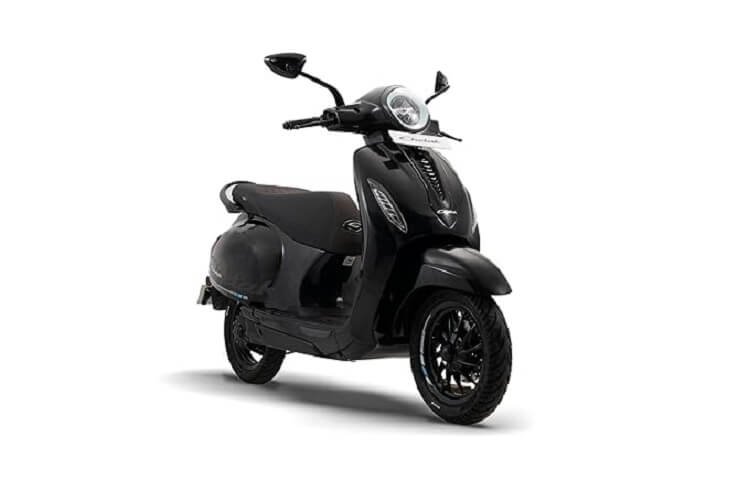
Bajaj Chetak C3501 Electric Scooter – Brooklyn Black
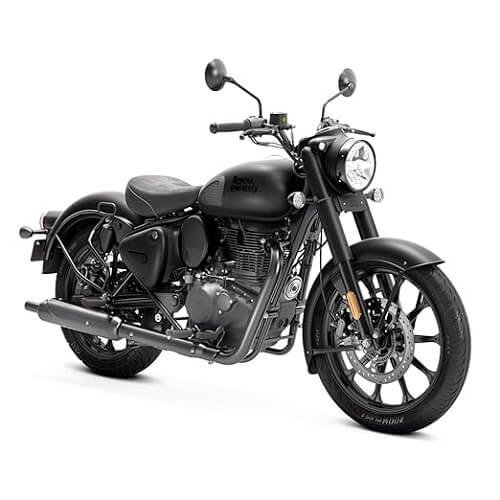
Royal Enfield Classic 350 with Disc & Alloy Wheels Motorcycle – Stealth Black
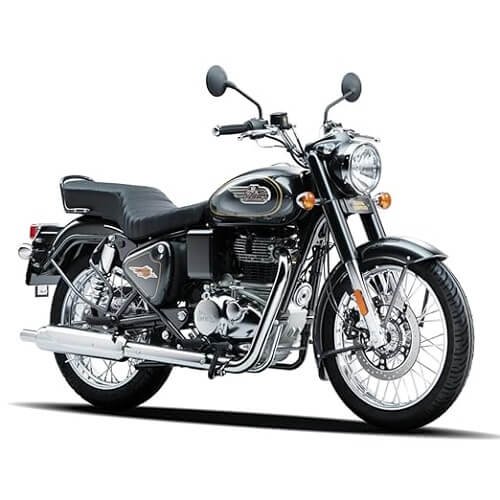
Royal Enfield Bullet 350 Disc & Spoke Wheel Motorcycle – Battalion Black
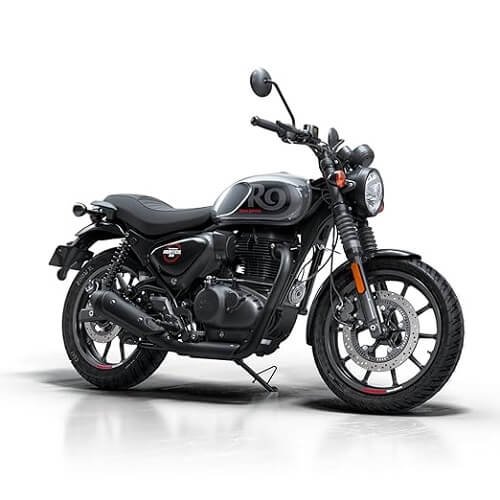
Royal Enfield Hunter 350 with Disc & Alloy Wheels Motorcycle – Dapper Grey
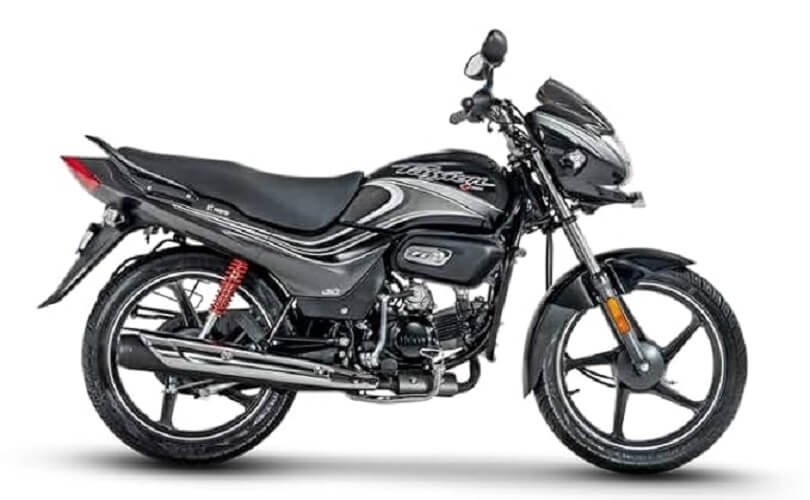
Hero MotoCorp Passion+ i3S Drum – Black Heavy Grey
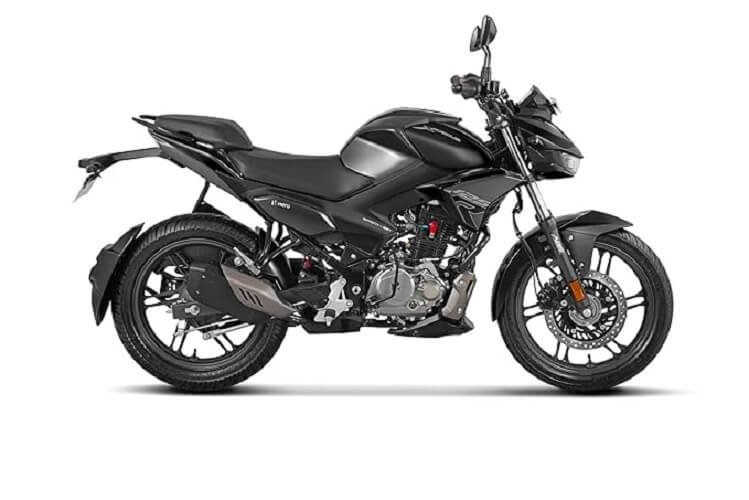
Hero MotoCorp XTREME 125R Bike(ABS) – Stallion Black
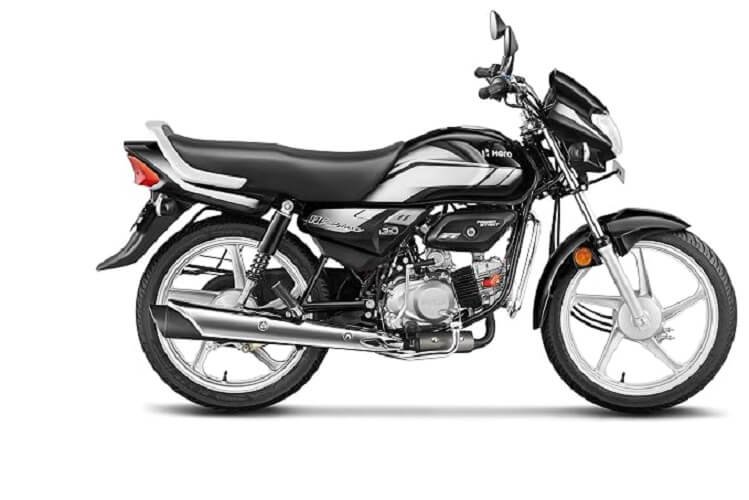
Hero MotoCorp HF Deluxe Drum – Black Grey
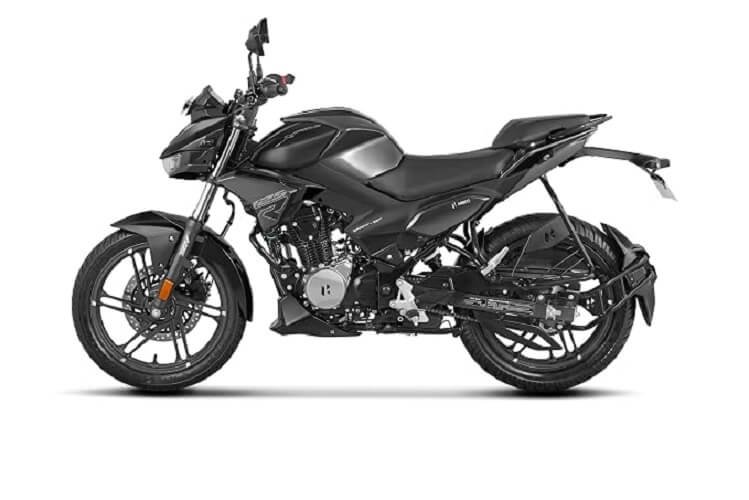
Hero MotoCorp XTREME 125R FI ABS SEAT DS (OBD2B) Motorcycles – Black
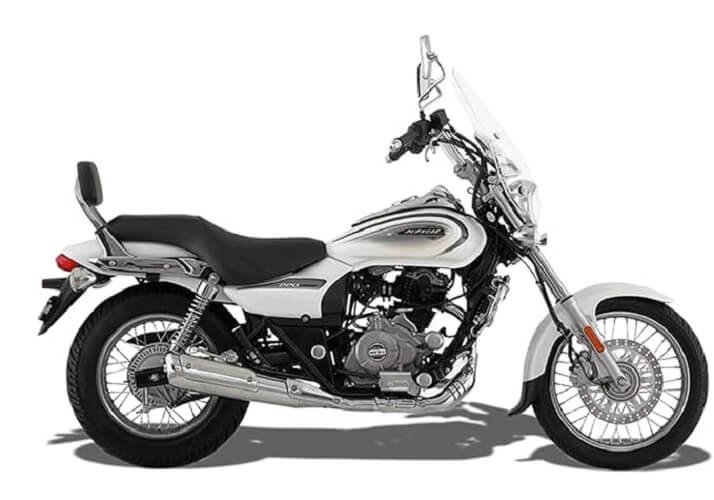
Bajaj Avenger 220 Cruise Motorcycle – Moon White
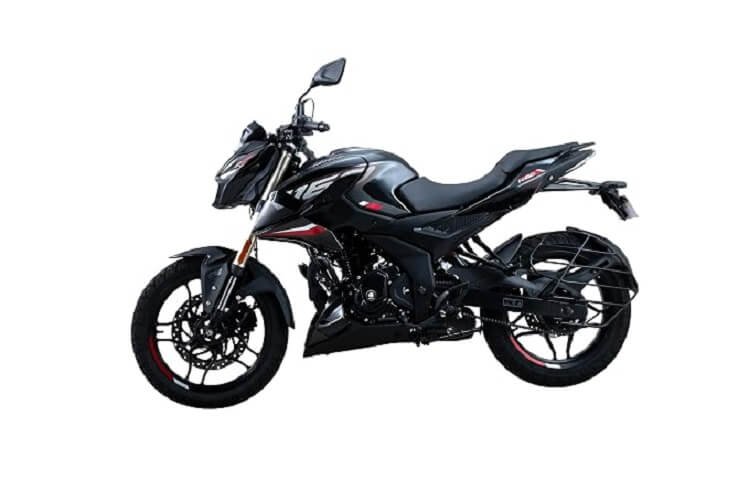
Bajaj Pulsar N 160 Ug Motorcycle – Brooklyn Black
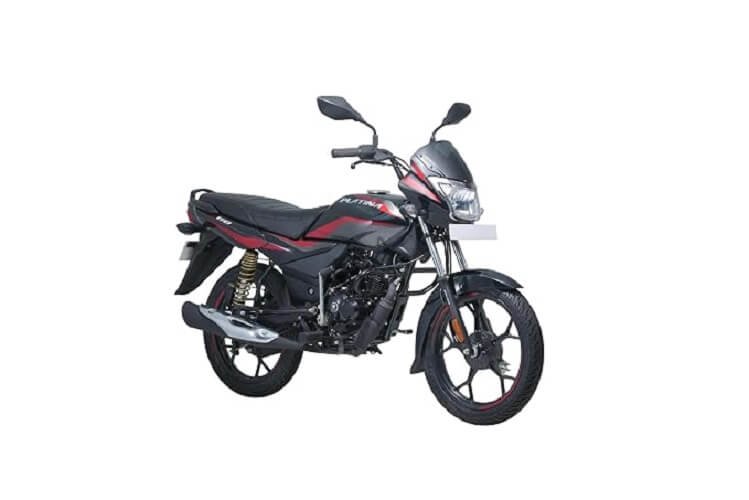
Bajaj Platina 110 Es Drum Motorcycle – Black Red
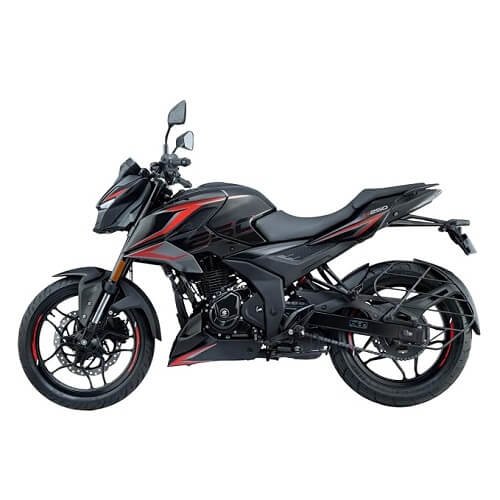
Bajaj Pulsar N 250 Ug Motorcycle – Brooklyn Black
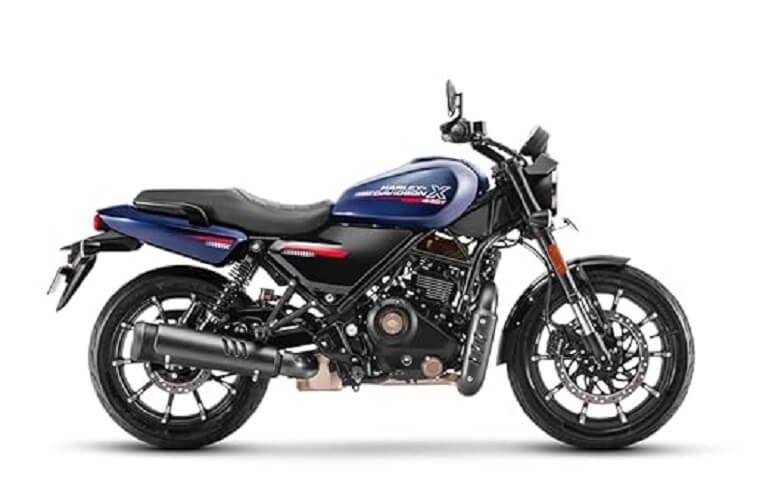
Harley Davidson X440 T 440cc Motorcycle – Pearl Blue
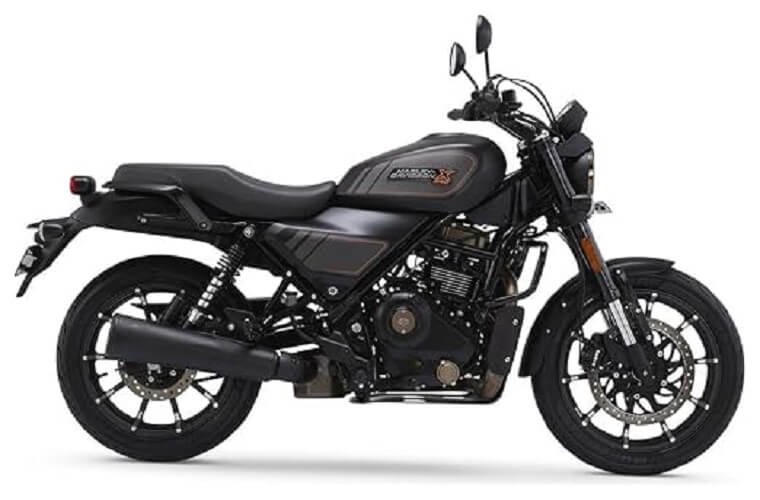
Harley Davidson X440 S 440cc Motorcycle – Matte Black
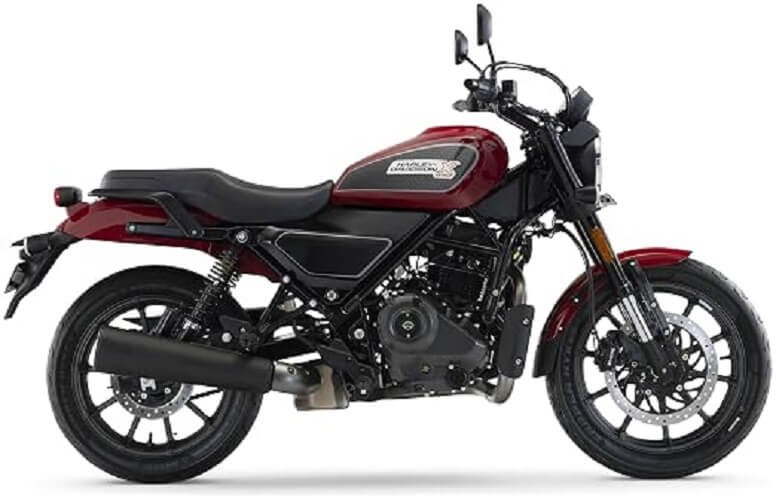
Harley Davidson X440 Vivid 440cc Motorcycle – Metallic Thick Red
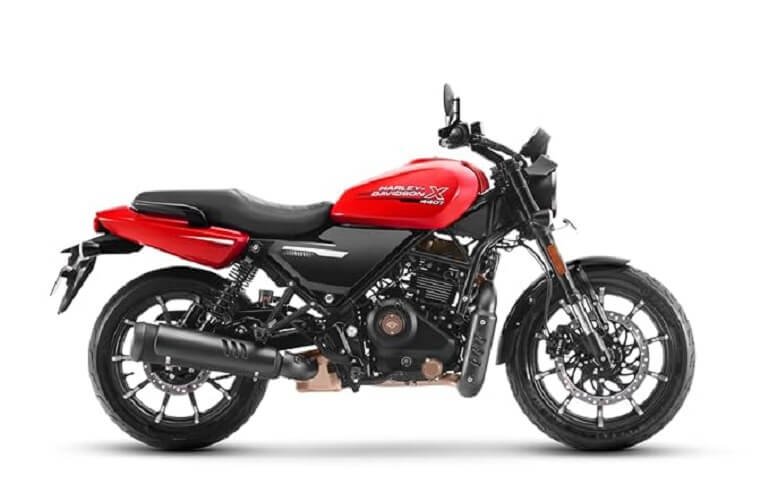
Harley Davidson X440 T 440 CC Motorcycle – Pearl Red
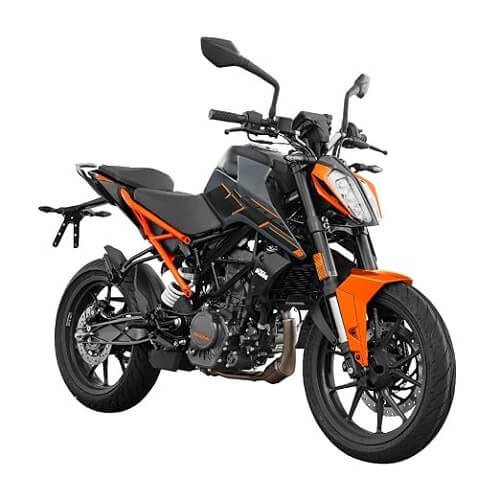
KTM Duke 200 PRO Bike – Dark Galvano Black
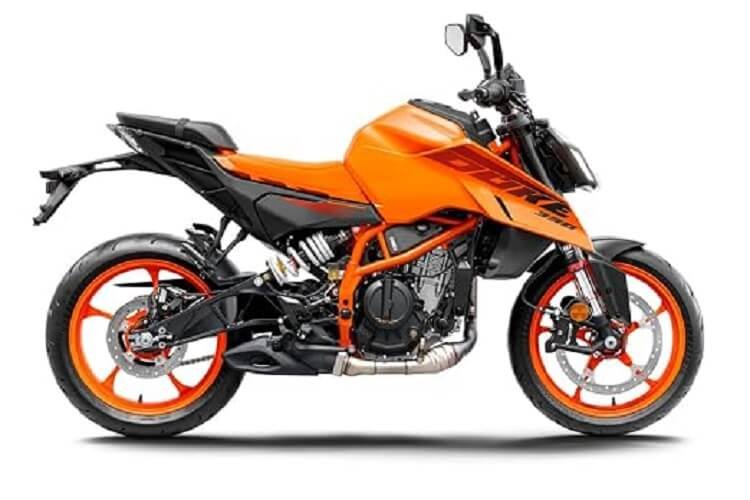
KTM Duke 390 R Bike – Electronic Orange
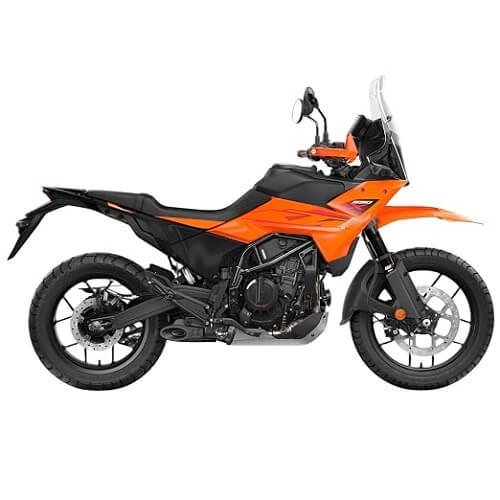
KTM Adventure X 390 Bike – Orange
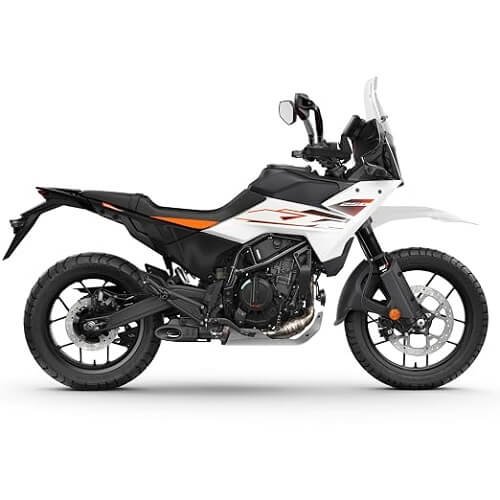
KTM Adventure 250 Bike – White
As an Amazon Associate, Neu Auto earns from qualifying purchases. When you purchase through one of the Amazon links above, Neu Auto may receive a commission at no additional cost to you.