

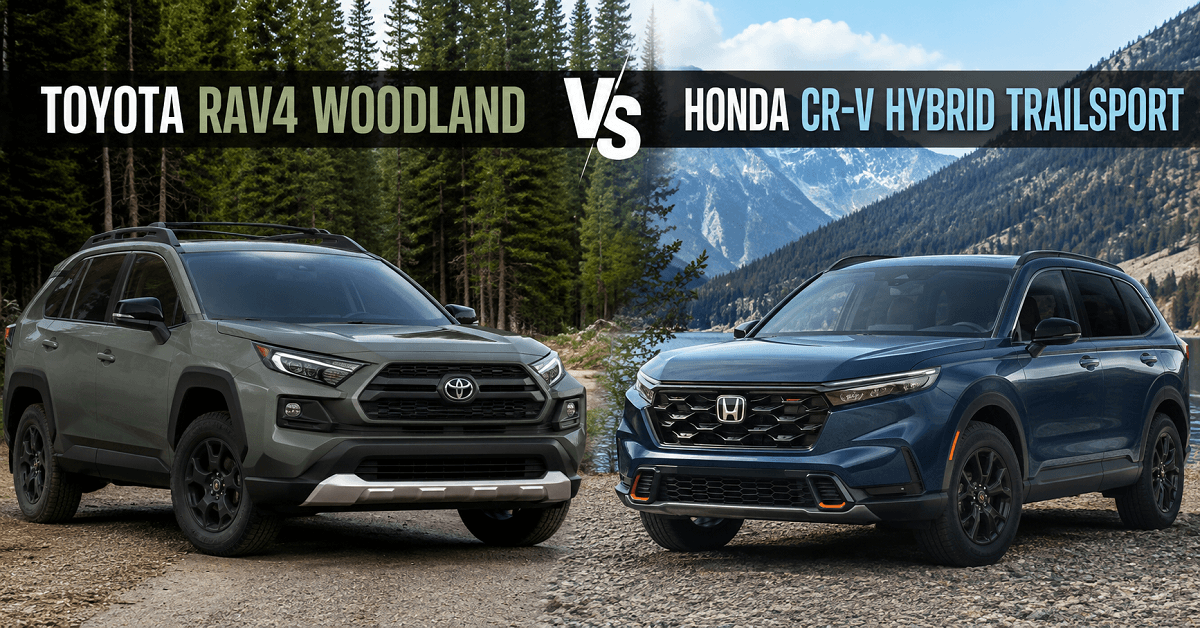
Discover the ultimate hybrid SUV comparison with our in-depth guide to the Toyota RAV4 Woodland vs Honda CR-V Hybrid TrailSport. Explore powerful performance, rugged capability, fuel efficiency, advanced safety, and premium comfort to confidently choose the adventure-ready SUV that perfectly matches your lifestyle and driving needs.
Key Highlights
- The 2026 RAV4 Woodland Edition gets an estimated combined fuel economy rating of 6.0 L/100 km compared to 6.4 L/100 km on the CR-V TrailSport according to Natural Resources Canada data.
- Toyota Canada prices the RAV4 Woodland starting at $42,120 MSRP, while Honda Canada sets the CR-V Hybrid TrailSport at $47,590 MSRP.
- The RAV4 Woodland delivers 219 net combined horsepower, beating out the CR-V Hybrid TrailSport output of 204 total horsepower.
- Toyota includes a 120V/100W household power outlet directly in the RAV4 cargo bay for camping gear.
2026 Toyota RAV4 vs Honda CR-V: Price & Variants
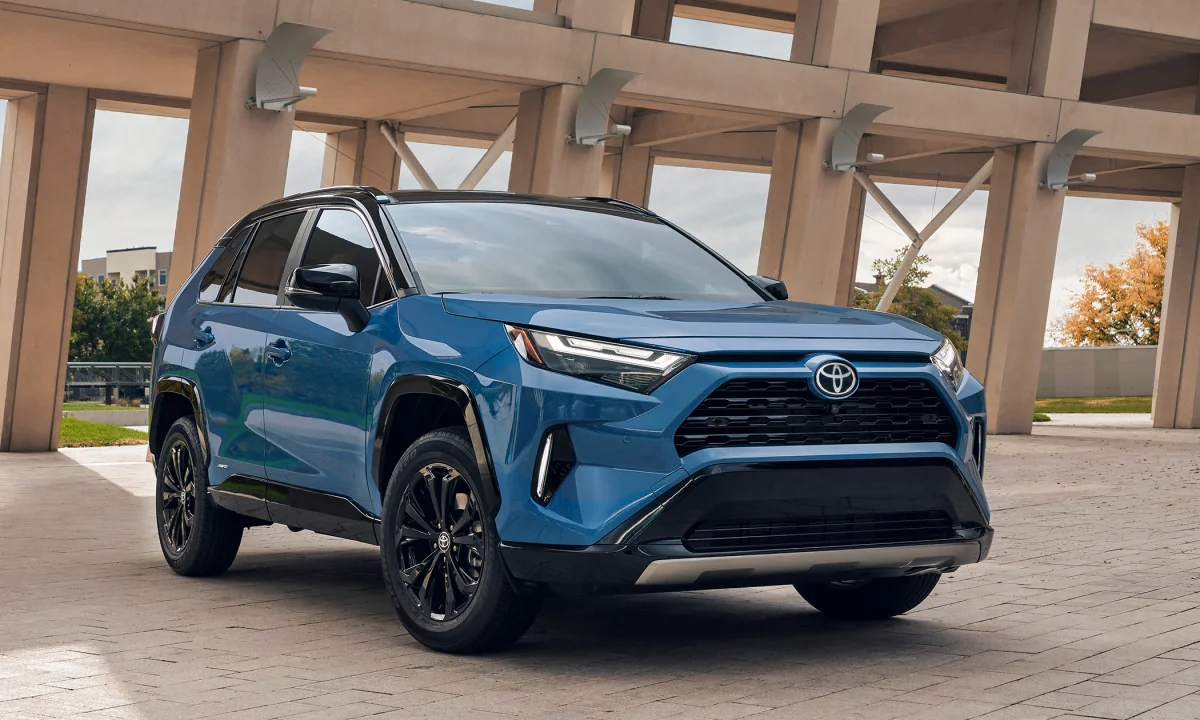
When you look at pricing in Canada, Toyota gives you a much lower entry point for an off-road-themed hybrid. The 2026 Toyota RAV4 Woodland Edition starts at an estimated MSRP of $42,120 CAD. On the other side of the showroom floor, Honda places the CR-V TrailSport Hybrid trim near the top of its lineup with a starting price of $47,590 CAD.
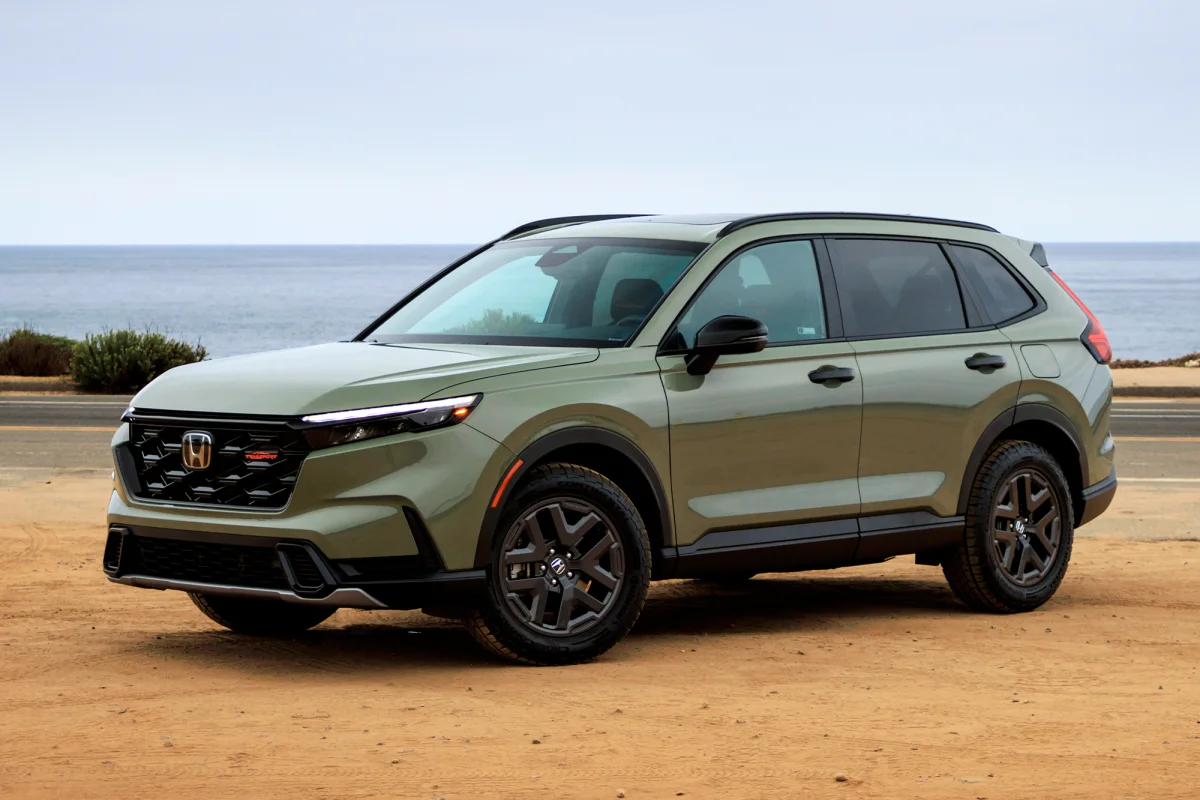
You pay almost $5,500 more upfront for the Honda badge on this rugged package. Both brands offer lower base trims, but these specific trail-ready builds give you extra equipment like standard all-wheel drive, rugged tires, and custom roof rails right from the factory floor.
2026 Toyota RAV4 vs Honda CR-V: Fuel Economy & Range
Fuel stops on cold Canadian winter trips add up fast. The RAV4 Woodland uses Toyota’s proven 2.5-liter four-cylinder engine paired with two electric motors to burn just 5.8 L/100 km in the city and 6.3 L/100 km on the highway. That gives you an average combined rating of 6.0 L/100 km.
The Honda CR-V TrailSport uses a 2.0-liter hybrid engine setup that rates at 6.0 L/100 km city and 6.9 L/100 km highway, giving it a combined average of 6.4 L/100 km. Over a standard 20,000-kilometer driving year in Canada, the Toyota saves you about 80 liters of fuel at the pump.
2026 Toyota RAV4 vs Honda CR-V: Exterior Dimensions
Both of these compact crossovers fit easily inside a standard Canadian garage while still offering plenty of ground clearance for unplowed dirt roads. The RAV4 Woodland stands 1,702 mm tall, stretches 4,600 mm long, and sits on a 2,690 mm wheelbase. It gives you 218 mm of ground clearance to sail over thick snow drifts.
The Honda CR-V TrailSport measures slightly longer overall at 4,694 mm and sits on a 2,700 mm wheelbase, but it offers slightly less ground clearance at 208 mm. That extra 10 mm of belly room in the Toyota helps prevent underbody scraping on rough logging trails.
2026 Toyota RAV4 vs Honda CR-V: Interior & Storage Space
If packing space for hockey bags and camping gear is your top priority, you will find both cabins quite roomy. The Honda CR-V leads slightly in maximum cargo volume, giving you 1,028 liters behind the rear seats and up to 2,166 liters when you fold the second row flat.
The RAV4 Woodland provides 1,059 liters behind the back seats and opens up to 1,977 liters total. However, the RAV4 Woodland counters with better practical outdoor features like custom rubber floor mats and a built-in 120-volt power outlet in the trunk area so you can plug in a mini cooler or tire pump.
2026 Toyota RAV4 vs Honda CR-V: Specifications
Under the hood, these two hybrid setups take very different technical approaches to all-wheel drive performance.
| Feature | 2026 Toyota RAV4 Woodland | 2026 Honda CR-V TrailSport |
| Engine | 2.5L 4-Cylinder Hybrid | 2.0L 4-Cylinder Hybrid |
| Total Horsepower | 219 hp | 204 hp |
| AWD System | Electronic On-Demand AWD | Real-Time AWD (Mechanical Shaft) |
| Towing Capacity | 794 kg (1,750 lbs) | 453 kg (1,000 lbs) |
| Suspension | TRD-Tuned Off-Road | TrailSport Off-Road Tuned |
| Wheels | 18-inch Bronze TRD Flow-Formed | 18-inch Black Alloy |
2026 Toyota RAV4 vs Honda CR-V: Safety Ratings & Features
Keeping your family safe in tough driving conditions is essential. Both models earn top marks from safety organizations like the Insurance Institute for Highway Safety (IIHS), regularly winning Top Safety Pick awards. Toyota equips the RAV4 Woodland with Toyota Safety Sense 2.5, which includes pre-conditioning systems with pedestrian detection, lane departure alerts, and full-speed radar cruise control.
Honda counters with its Honda Sensing suite, providing forward collision warnings and traffic jam assistance. The RAV4 gains an extra edge in deep winter conditions because its rear electric motor engages instantly without waiting for a mechanical driveshaft to spin up.
2026 Toyota RAV4 vs Honda CR-V: Warranty
Canadian weather tests every mechanical component, so solid warranty protection gives you peace of mind. Both manufacturers offer identical basic coverage across Canada:
- Basic Comprehensive Coverage: 3 years or 60,000 kilometers.
- Powertrain Coverage: 5 years or 100,000 kilometers.
- Hybrid Components: 8 years or 160,000 kilometers.
- Hybrid Battery Warranty: Toyota offers 10 years or 240,000 kilometers, while Honda offers 8 years or 160,000 kilometers.
Toyota gives you two extra years and 80,000 extra kilometers of protection on the high-voltage battery pack, showing high confidence in their long-term hybrid components.
What makes the RAV4 Woodland and CR-V TrailSport special?
These two models are built specifically for outdoor enthusiasts who want off-road style without buying a giant, thirsty truck. The RAV4 Woodland adds TRD off-road suspension tuning, Falken WILDPEAK all-terrain tires, bronze alloy wheels, and a class-II roof rack with crossbars.
The CR-V TrailSport adds steel skid plates underneath, all-terrain tires, orange interior stitching, and off-road driving modes. They bridge the gap between simple daily commuters and heavy trail rigs.
How to pick the right model for your weekend family trips
Think about your driving first. If you tow, camp, or drive rural roads often, weigh the RAV4’s extra horsepower and slightly better fuel economy. If cargo space and a quieter ride matter more, spend a weekend in a CR-V TrailSport before deciding.
- Calculate your gear weight: If you haul heavy trailers, the RAV4 Woodland can tow up to 1,750 lbs, while the CR-V TrailSport is limited to 1,000 lbs.
- Test drive on rough pavement: Drive both vehicles over potholes to see if you prefer the firm, planted feel of the TRD suspension in the RAV4 or the softer ride of the CR-V.
- Check your garage space: Measure the length of your garage carefully if you plan to keep a mountain bike rack mounted on the hitch year-round.
Real Owner Reviews
“The CR-V TrailSport is super smooth and quiet on the highway. My kids love the rear seat legroom, but we do wish it had a higher towing limit for our small pop-up camper.”
– Sarah T., Ontario
Conclusion
Both of these SUVs earned their reputations the hard way, through years of reliable service on Canadian roads. The RAV4 Woodland gives you more horsepower and slightly better fuel economy for a similar price. The CR-V TrailSport counters with more torque and a cargo area that owners have trusted for years. Neither one is a wrong choice. Pick based on how you actually drive, not just the spec sheet, and take both for a real test drive before you decide.
Frequently Asked Questions
Which is better, the Toyota RAV4 Woodland HEV or the Honda CR-V TrailSport?
The Toyota RAV4 Woodland HEV offers better value for most Canadian buyers. It costs less to buy, has a higher towing capacity of 1,750 lbs, gets better gas mileage, and features a longer 10-year hybrid battery warranty. The CR-V TrailSport offers a bit more rear legroom and passenger room, but it costs significantly more upfront.
Which is better, RAV4 Hybrid or Honda CR-V Hybrid?
Both are reliable vehicles that hold their resale value well in Canada. The RAV4 Hybrid takes a slight lead due to its higher total horsepower (219 hp vs 204 hp), lower combined fuel consumption, and higher towing ratings across most trims. The CR-V Hybrid offers a quieter cabin experience and slightly larger rear cargo opening.
Is the RAV4 Woodland worth it?
Yes, the RAV4 Woodland is worth the upgrade if you regularly drive on gravel roads, go camping, or face harsh winters. You get functional upgrades like TRD-tuned suspension, rugged Falken tires, roof rack crossbars, a power outlet, and unique bronze wheels for a reasonable price jump over the base hybrid trim.
Which car is better, Honda hybrid or Toyota hybrid?
Toyota has been refining its hybrid powertrain system since the late 1990s, using a planetary gear design that eliminates traditional belts and clutches. Honda uses a newer system where the gas engine acts mostly as a generator for electric drive motors. Both are very dependable, but Toyota’s setup delivers slightly better real-world fuel economy under heavy loads.
Which lasts longer, RAV4 or CR-V?
Both models regularly cross 300,000 kilometers with basic maintenance. Data from automotive research firms like iSeeCars consistently ranks both the RAV4 and CR-V near the top of the longest-lasting vehicles list. Toyota’s longer 10-year hybrid battery warranty gives it a slight edge for buyers who plan to keep their vehicle past the ten-year mark.

Rate This Article
Be the first to rate this article
Thanks for rating!
All Car Brands
View all brands →
















More Updates

Handpicked Accessories for Every and Journey
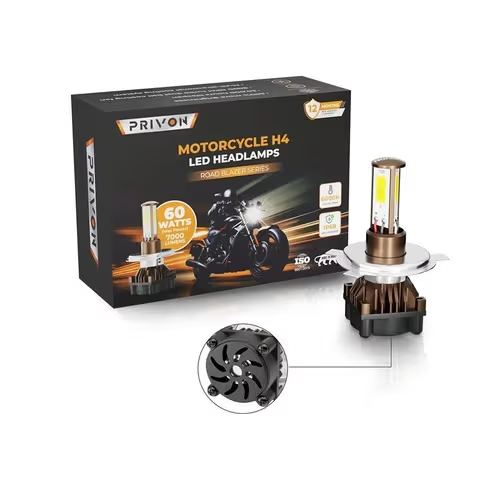
PRIVON 60W H4 LED Headlight for Bike – 7000L, 6000K White LED Light for Night Ride
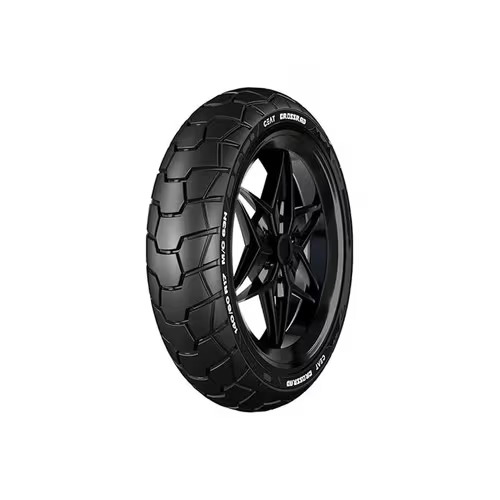
Ceat Zoom Rad 140/60 R17 63P Tubeless Bike Tyre
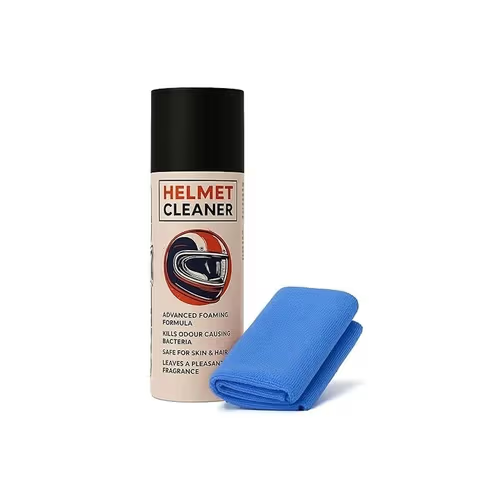
ShineXPro Helmet Cleaner & Microfiber Cloth – Anti Bacterial Foaming Helmet Cleaning Spray
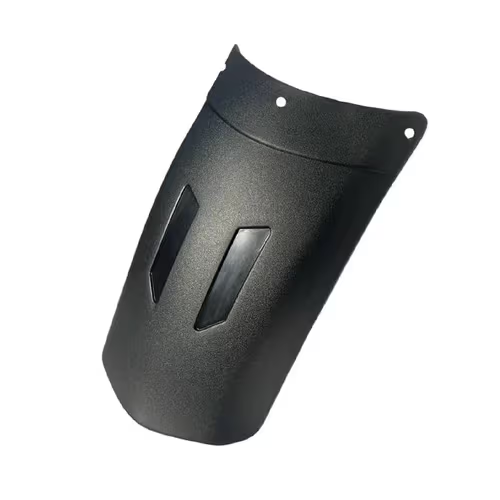
Universal Front Fender Mudguard Extender Extension Fits for Motorcycle

Boldfit Full Face Helmet Mask for Bikers in Riding UV Protected
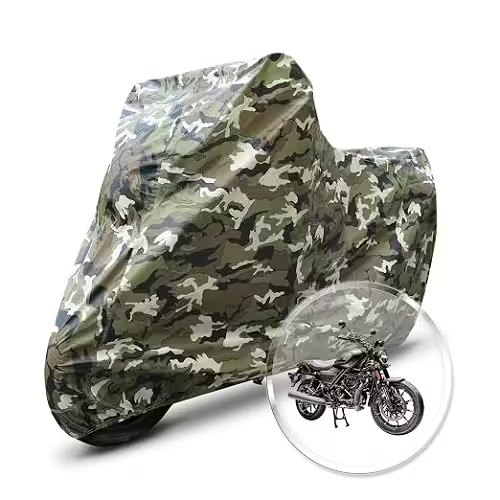
Neodrift JungleMax Bike Cover for Harley-Davidson X440
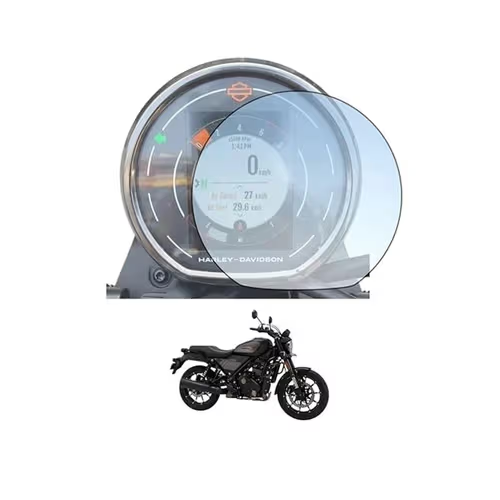
Wisely Pack 2 Screen Guard for Harley Davidson X440T Bike – Instrument Cluster Accessories
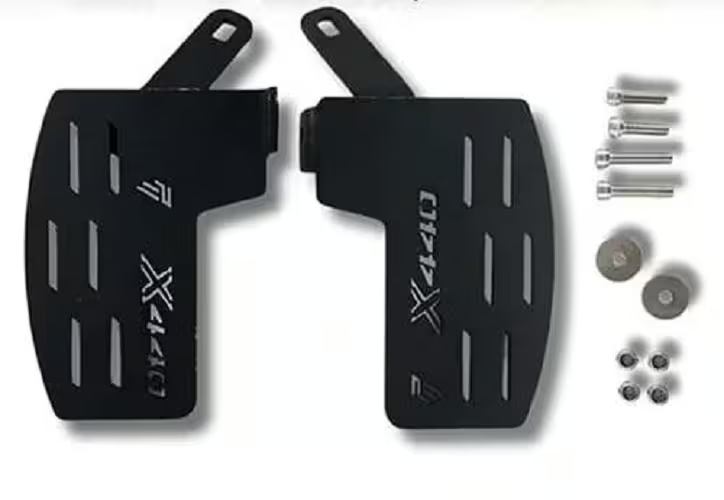
PHANTOM Premium Adjustable Footrest for Harley – Motorcycle Accessory for Touring & City Riding
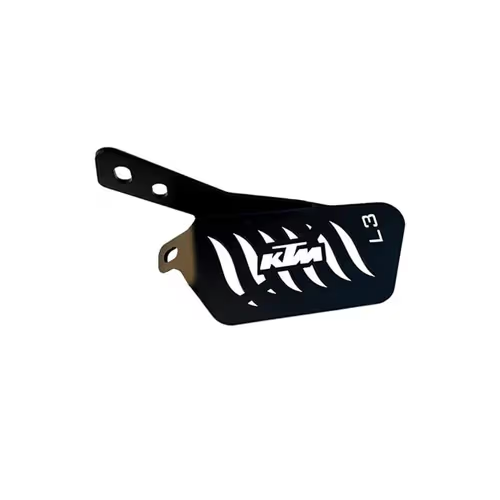
L3 MODZ Ladies Foot Rest for KTM Duke (BS6 Gen2) Models
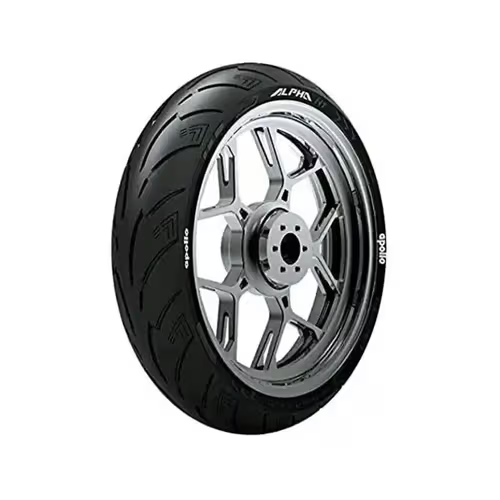
Apollo Alpha S1 130/70 R17 62H Radial Tubeless Bike Tyre
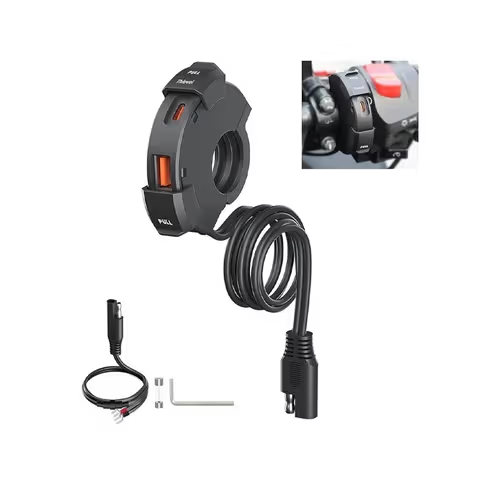
30W Motorcycle Type-C USB Phone Charger with PD & Quick Charge
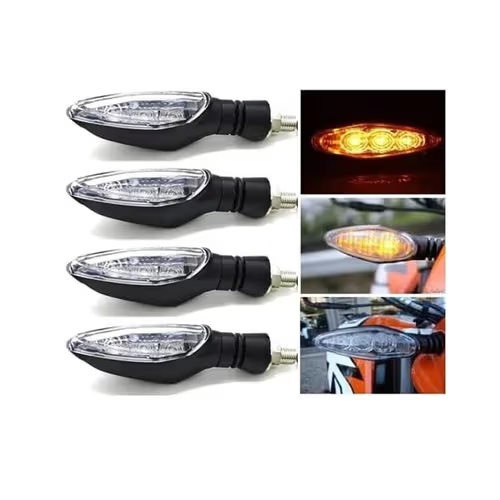
ELTRON TURBO Turn Signal Indicator Lights Compatible for KTM
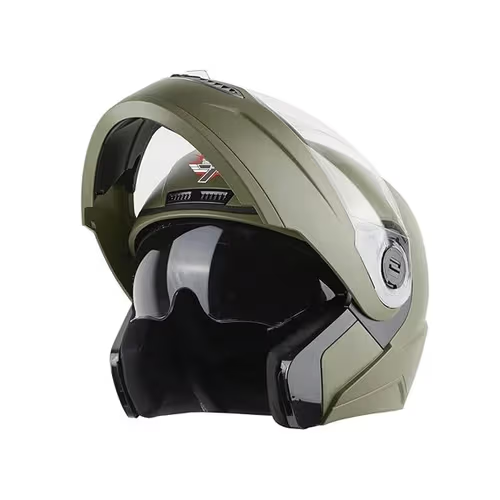
Steelbird SBA 7 7Wings Flip-Up Helmet for Men with Skull Cap
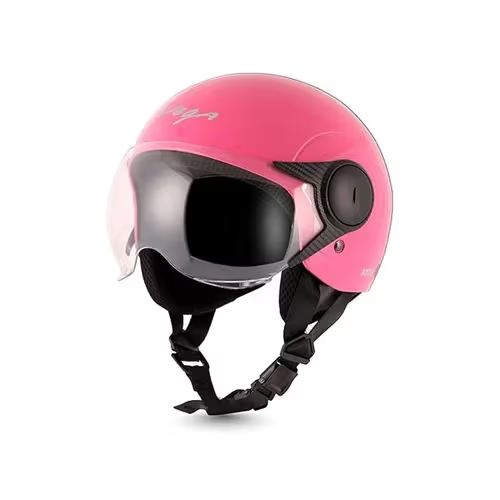
Vega Atom Open Face Helmet with Clear Visor, Black
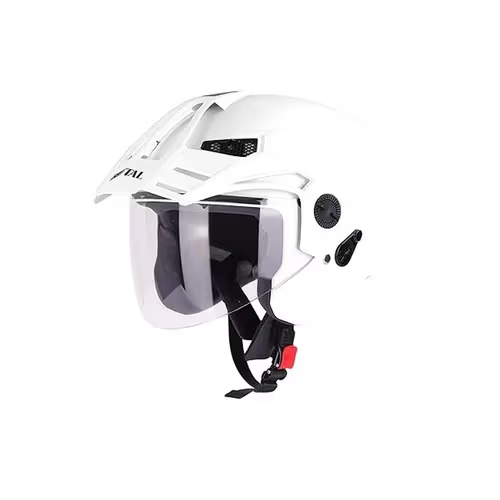
Steelbird SBH-23 Brutal Open Face Helmet with Skull Cap
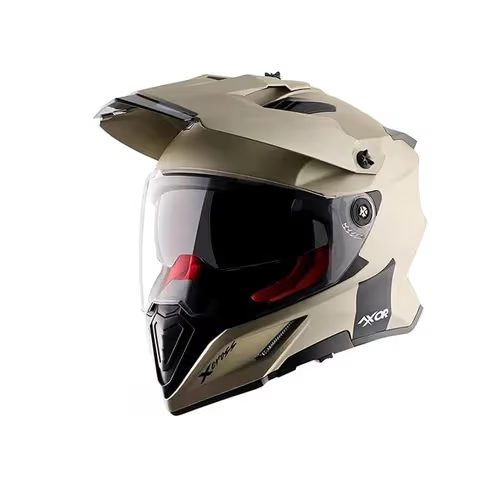
Axor X Cross Dual Visor Full Face Off-Road Helmet – Dull Black Orange
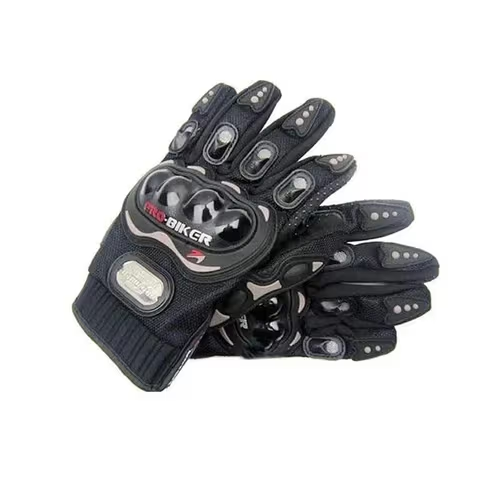
Probiker Protective Full Finger Bike Riding Gloves – Motorcycle, Cycling, and Hiking
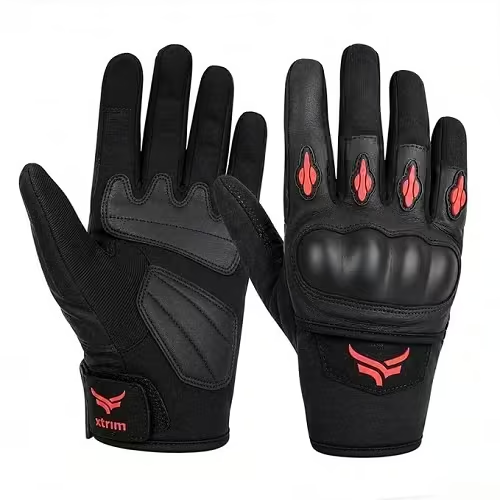
XTRIM Protekt Universal Bike Riding Gloves for Men – Black, Red
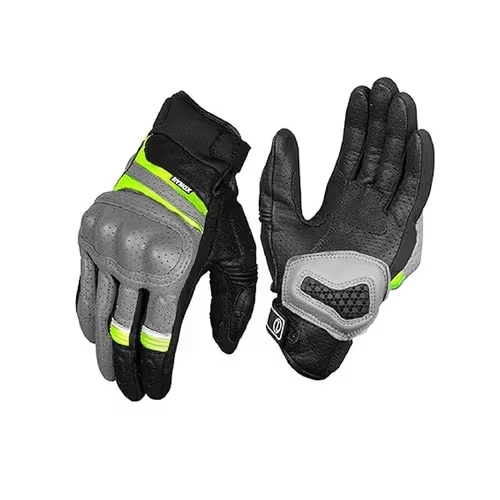
Rynox Air GT Leather Motorcycle Riding Gloves – Cuff Length | Grey Red
BADOWL RYDON Knuckle Protection Riding Gloves – Touchscreen Sports Gloves
Microfiber Car Duster with Long Handle Cleaning Brush
Robustt Car Interior Cleaning Brush Combo – Scratch Free Car Duster

ORJILO 5-Piece Microfiber Car Duster Kit – Extendable Long Handle Duster for Car
ShineXPro Microfiber Car Cleaning Cloth (500 GSM, Extra Large (35×75 CM))
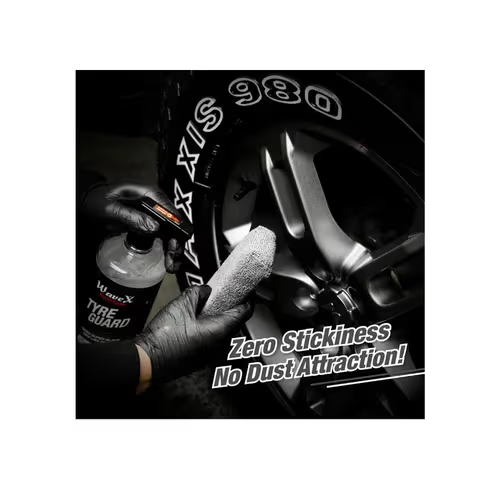
Wavex Tyre Polish for Car & Bike (1L) – With Applicator and Microfiber Cloth

ShineXPro Glass Cleaner Spray (300 ml) – Streak Free Car Glass Cleaner Liquid
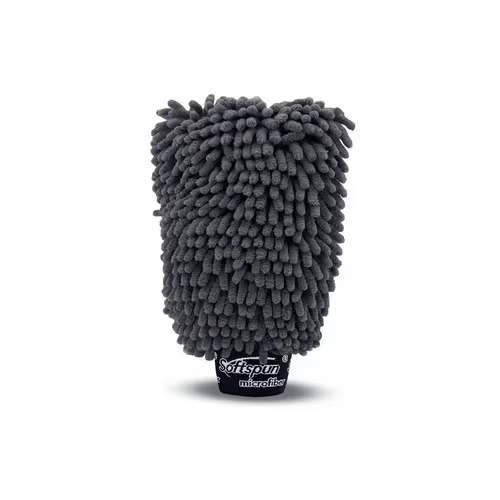
SOFTSPUN Microfiber Chenille Wash Mitt (1700 GSM)
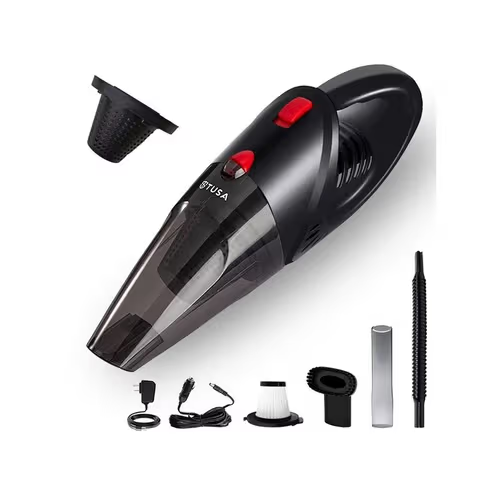
Tusa V1 Cordless Vacuum Cleaner for Car – High Power Portable Lightweight Wireless Vacuum
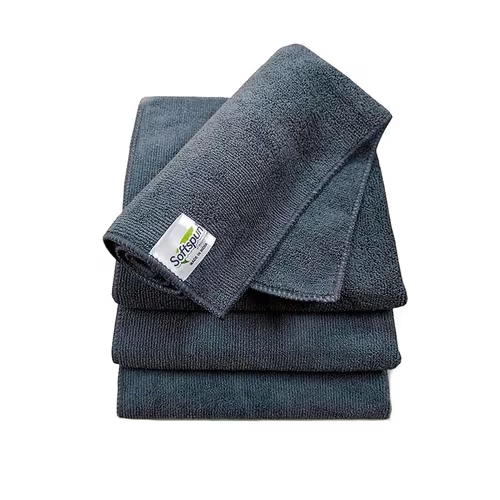
SOFTSPUN Microfiber Cloth (40×40 cm, 340 GSM) – Automotive Microfibre Towels for Car
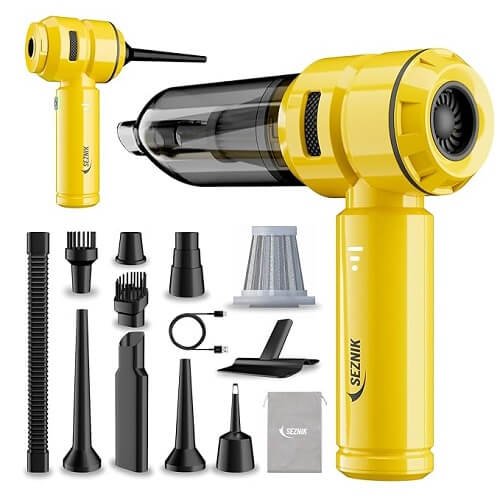
SEZNIK 4-in-1 Cordless Vacuum Cleaner & Blower
GOODAIR Royal Premium Non-Electric Car Air Purifier
Portronics 38W Dual Output Fast Car Charger with 20W Type-C PD & 18W USB with Cars for iPhone
AutoBizarre High Gloss Carbon Fibre Paint Protection For Car
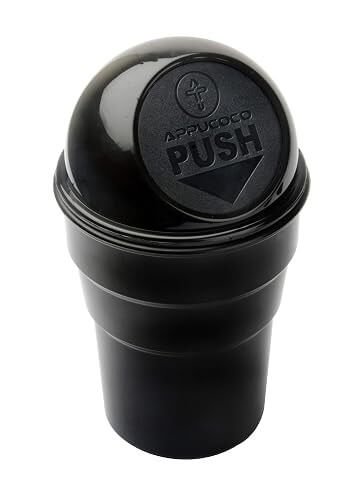
APPUCOCO Mini Car Trash Bin – Black
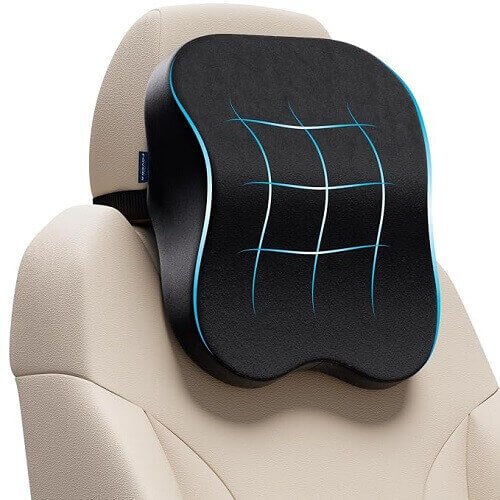
FOVERA Memory Foam Car Neck Rest Pillow – Medium, Black
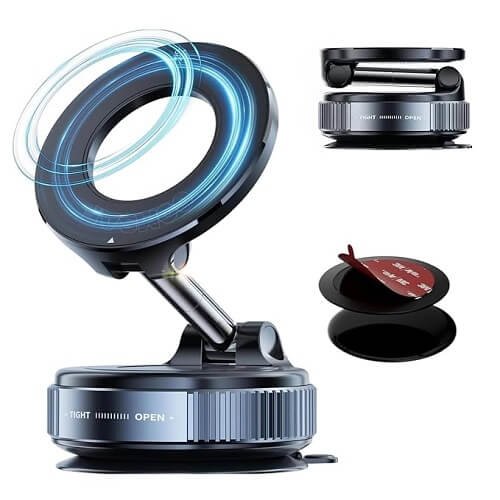
360° Vacuum Magnetic Car Phone Mount – Strong Suction Cup Phone Holder for Car
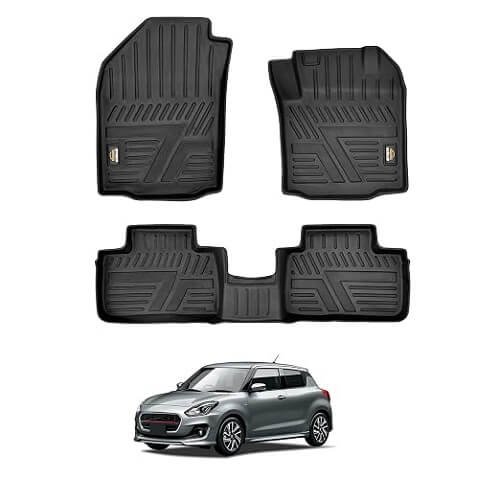
Amazon Basics 5D Custom Fit Car Floor Mats for Swift Facelift
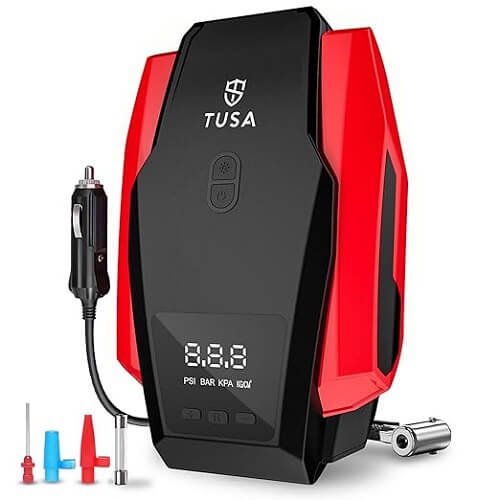
TUSA Drive X 12V DC Portable Tyre Inflator – 150 PSI, Air Compressor
![Qubo Dashcam Pro 4K [2026 Edition] – Dual Channel | ADAS | Ultra-Wide 8MP UHD+ Front, 2MP FHD Rear](https://neudeals.co/wp-content/uploads/2026/09/Qubo-Dashcam-Pro-4K-Sensor.jpg)
Qubo Dashcam Pro 4K [2026 Edition] – Dual Channel | ADAS | Ultra-Wide 8MP UHD+ Front, 2MP FHD Rear
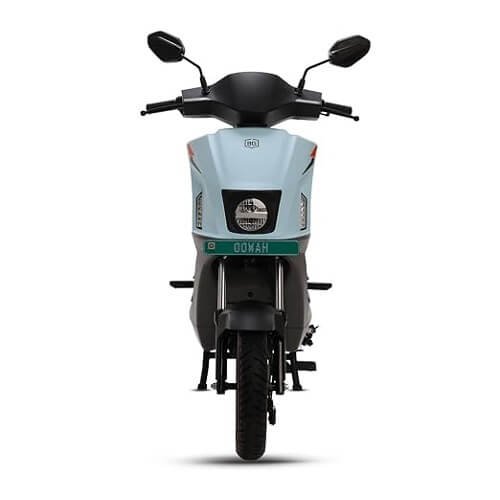
Oowah EX Electric Scooter – Removable Lithium-ion Battery , Laguna Blue
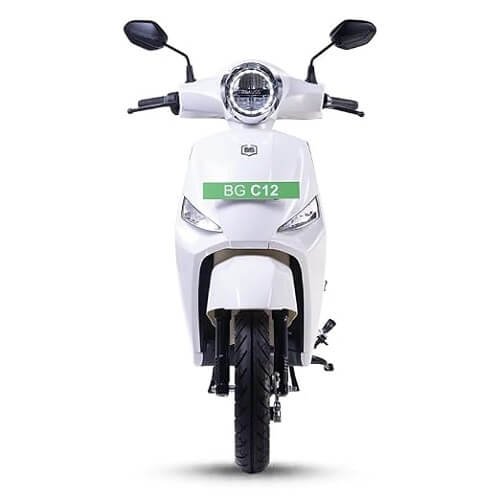
BG C12i EX Gen 2 Electric Scooter – Removable 2.0 kWh LFP Battery, 60 km/h Top Speed
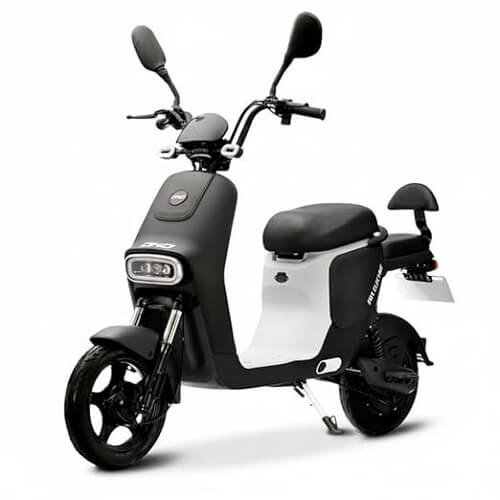
EOX OKO Electric Scooter – Removable Lithium Battery, 40-50 km Long-Range
EOX OLO Low Speed Electric Scooter – 45Km Mileage, Pastel Yellow & Black
EOX E2 Low Speed Electric Scooter – 60-70Km Range, Portable Lithium Battery
Okinawa Praise PRO Electric Scooter – Li-Ion Battery
EOX® ROX Electric Scooter – 48V Removable Lithium Battery, 50-60 km Long-Range
MIOOX Electric Scooter – 51.8V 28AH Range 55-65km Front Disc
AMO Low Speed Electric Scooter – 60-70 Km Range in Grey
AMO Jaunty 3W Low-Speed Electric Scooter – Blue and Black
Bajaj Chetak C2501 Electric Scooter – Glossy Active Black
Bajaj Chetak C3501 Electric Scooter – Brooklyn Black
Royal Enfield Classic 350 with Disc & Alloy Wheels Motorcycle – Stealth Black
Royal Enfield Bullet 350 Disc & Spoke Wheel Motorcycle – Battalion Black
Royal Enfield Hunter 350 with Disc & Alloy Wheels Motorcycle – Dapper Grey
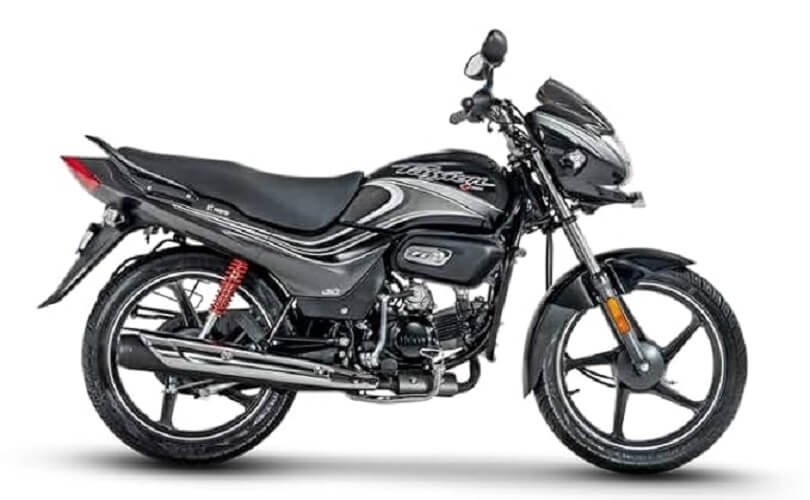
Hero MotoCorp Passion+ i3S Drum – Black Heavy Grey
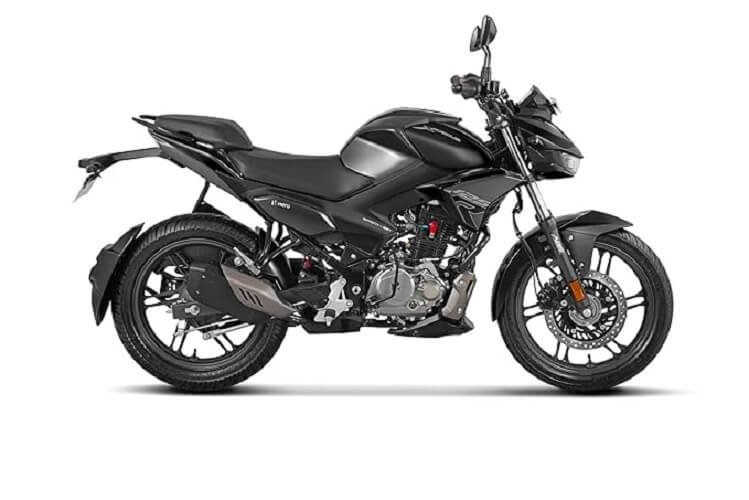
Hero MotoCorp XTREME 125R Bike(ABS) – Stallion Black
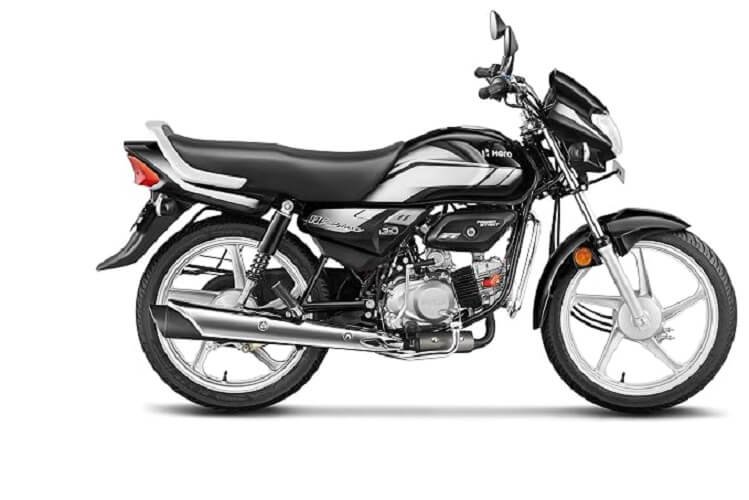
Hero MotoCorp HF Deluxe Drum – Black Grey
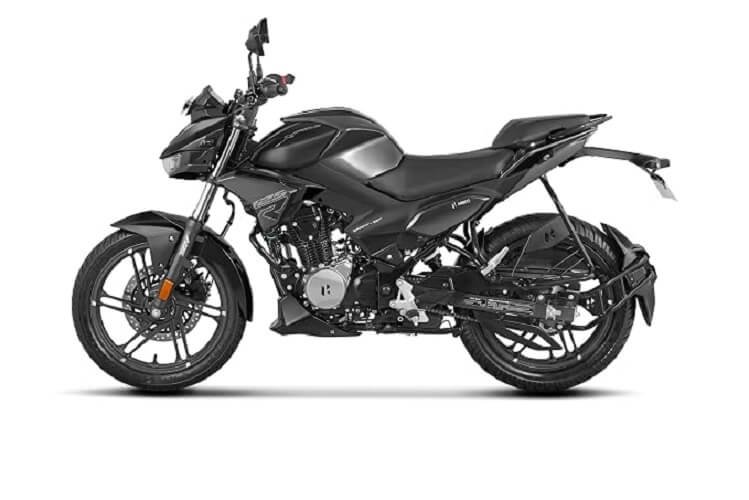
Hero MotoCorp XTREME 125R FI ABS SEAT DS (OBD2B) Motorcycles – Black
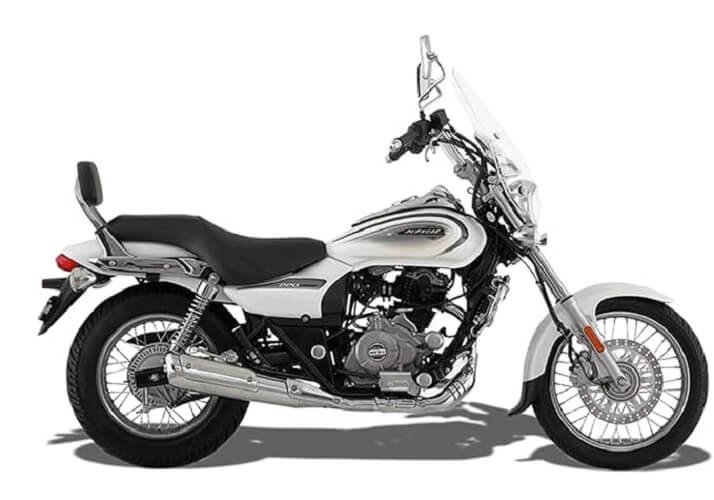
Bajaj Avenger 220 Cruise Motorcycle – Moon White
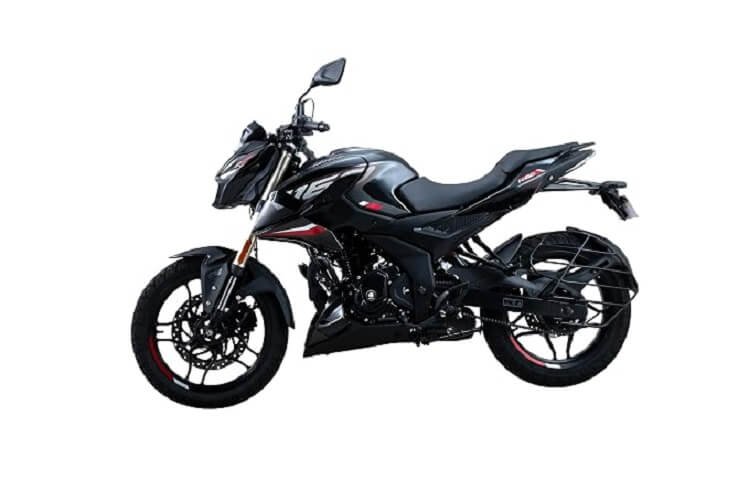
Bajaj Pulsar N 160 Ug Motorcycle – Brooklyn Black
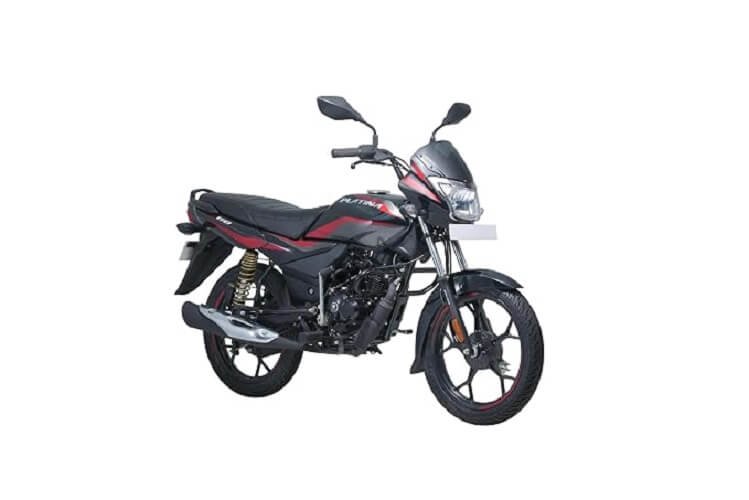
Bajaj Platina 110 Es Drum Motorcycle – Black Red
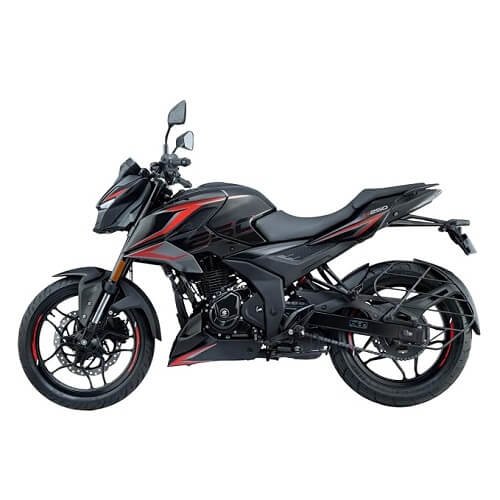
Bajaj Pulsar N 250 Ug Motorcycle – Brooklyn Black
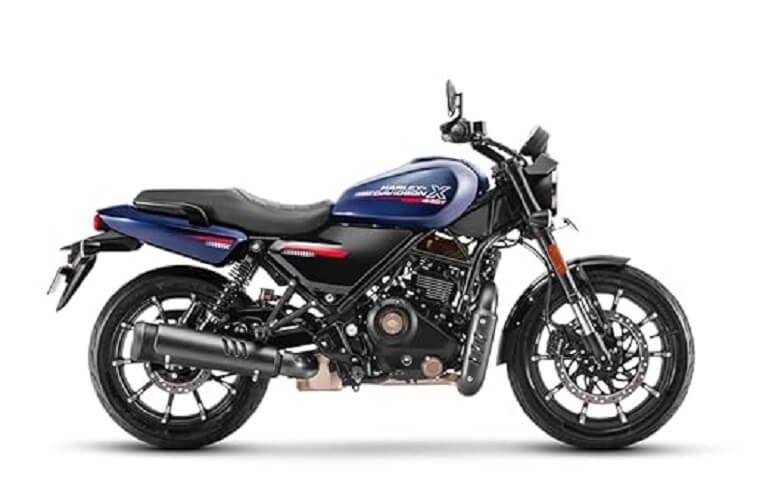
Harley Davidson X440 T 440cc Motorcycle – Pearl Blue
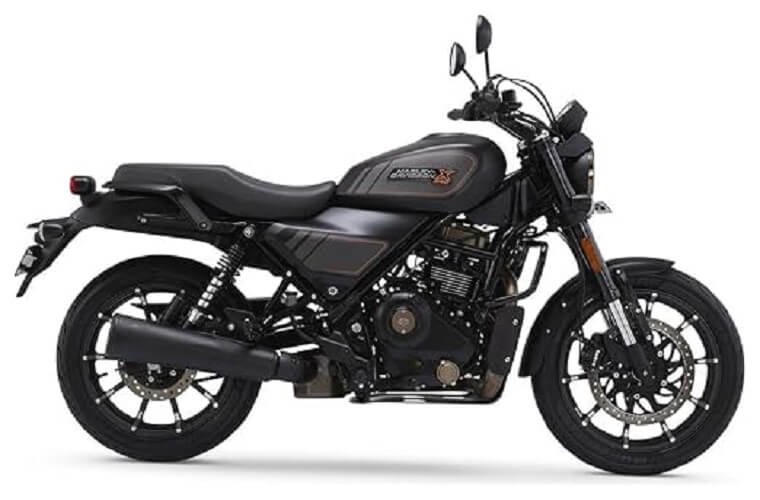
Harley Davidson X440 S 440cc Motorcycle – Matte Black
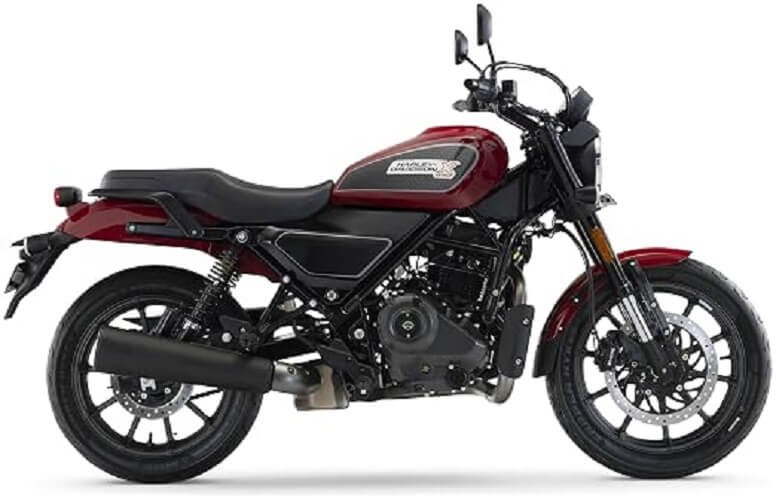
Harley Davidson X440 Vivid 440cc Motorcycle – Metallic Thick Red
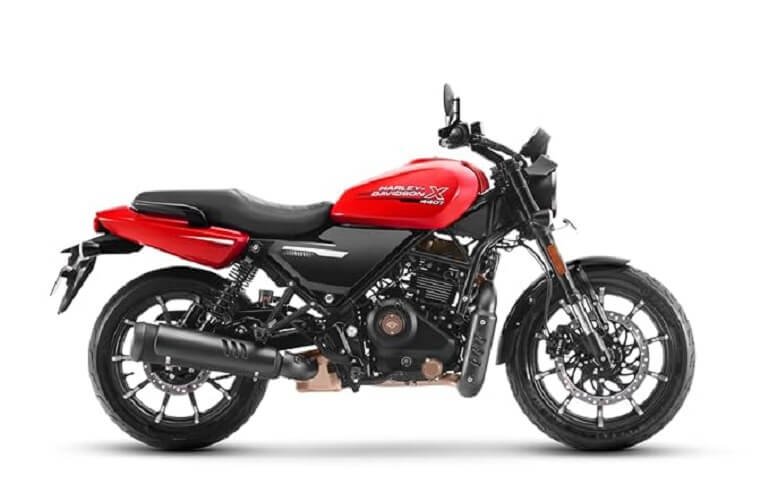
Harley Davidson X440 T 440 CC Motorcycle – Pearl Red
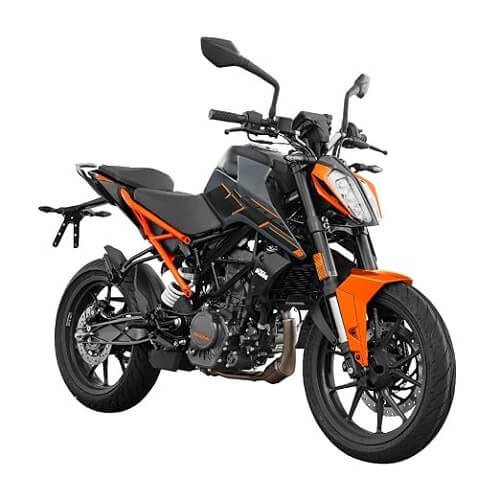
KTM Duke 200 PRO Bike – Dark Galvano Black
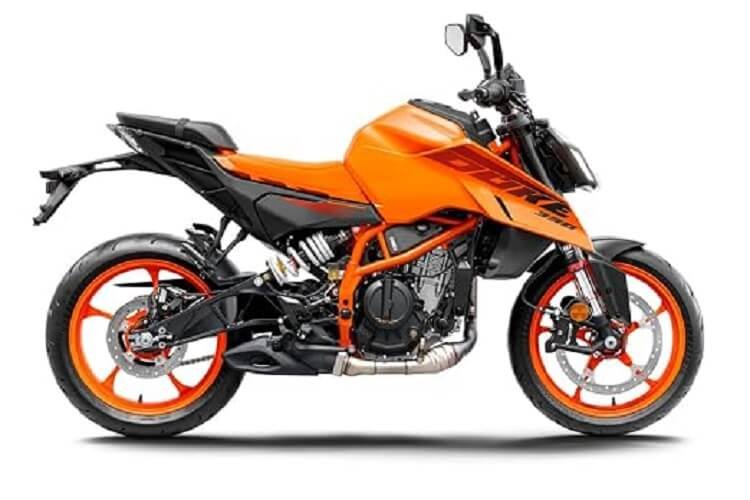
KTM Duke 390 R Bike – Electronic Orange
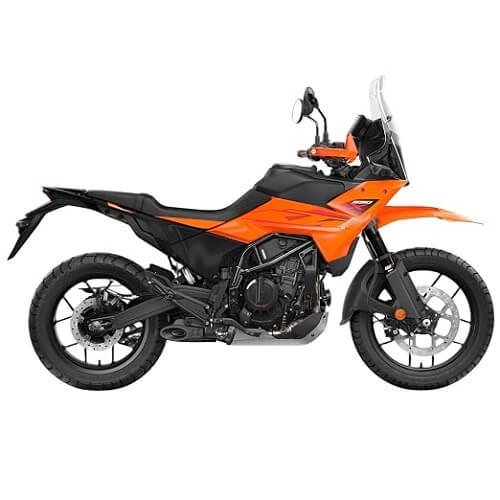
KTM Adventure X 390 Bike – Orange
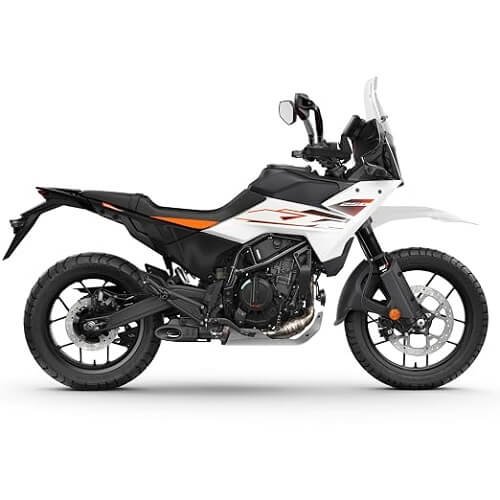
KTM Adventure 250 Bike – White
As an Amazon Associate, Neu Auto earns from qualifying purchases. When you purchase through one of the Amazon links above, Neu Auto may receive a commission at no additional cost to you.