Australia’s electric vehicle landscape has reached a tipping point. With EVs now making up around one in every ten cars on our roads, the conversation has shifted. It’s no longer just about which car to buy; it’s about how to power it. In 2026, residential EV charger demand in Australia is surging, driven by the desire to turn homes into personal, decentralized power stations.
If you’re considering an EV, understanding the current state of home charging is crucial for maximizing your financial returns and energy independence.

The Shift: From Luxury to Essential Home Infrastructure
Just a few years ago, installing a dedicated EV charger at home was seen as a luxury for early adopters. Today, it is essential infrastructure. Relying solely on a standard wall socket (Level 1 charging) is too slow for the average driver, adding only about 10-15km of range per hour.
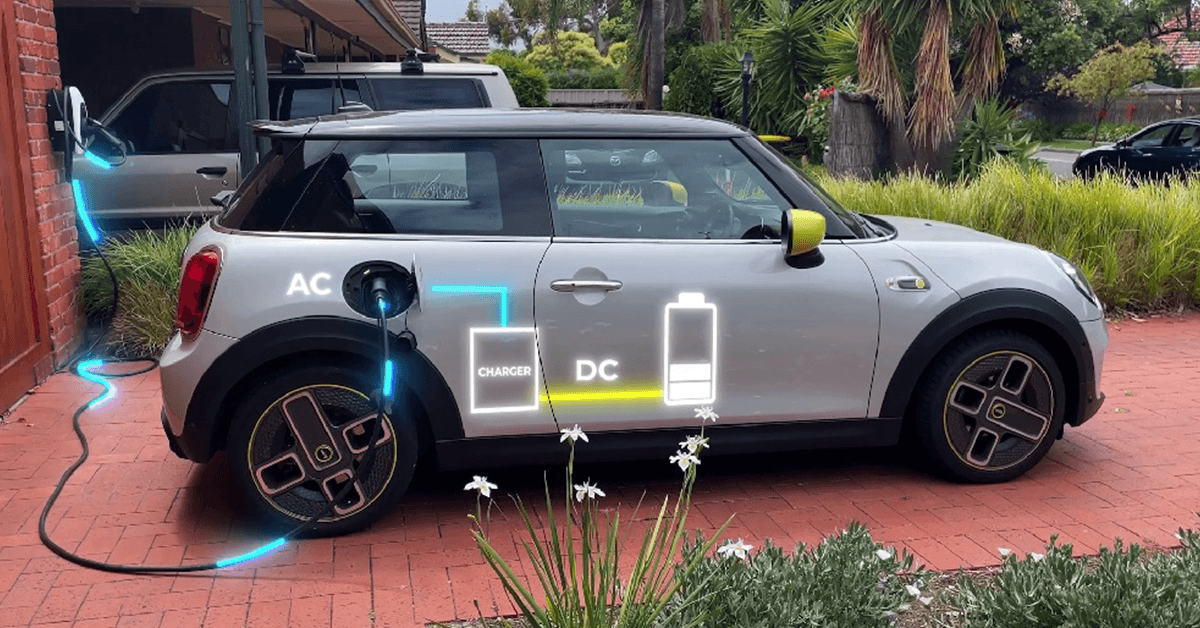
With the influx of larger battery EVs and longer daily commutes, Australians are rapidly upgrading to Level 2 smart chargers (7kW to 22kW). These chargers easily refill an EV overnight and, crucially, integrate with the home’s energy ecosystem.
Why Demand is Spiking Now:
- Maximizing Rooftop Solar: Australia is a world leader in residential solar. Smart chargers allow homeowners to divert excess midday solar generation directly into their cars, effectively driving for free and bypassing low feed-in tariffs (FiTs).
- Time-of-Use Optimization: Modern chargers communicate with energy retailers to automatically charge during off-peak hours when electricity is cheapest or cleanest.
- Increasing Property Value: Real estate trends indicate that homes and apartments equipped with dedicated EV charging infrastructure are commanding a premium in the 2026 market.
The Rise of the “Battery on Wheels”: V2G and V2H in 2026
The biggest technological leap driving residential EV charger demand in Australia this year is the transition of Vehicle-to-Grid (V2G) and Vehicle-to-Home (V2H) from pilot programs to reality.
With Clean Energy Council (CEC) certified bidirectional chargers now available in the Australian market, an EV is no longer just a mode of transport—it is a massive “battery on wheels.”
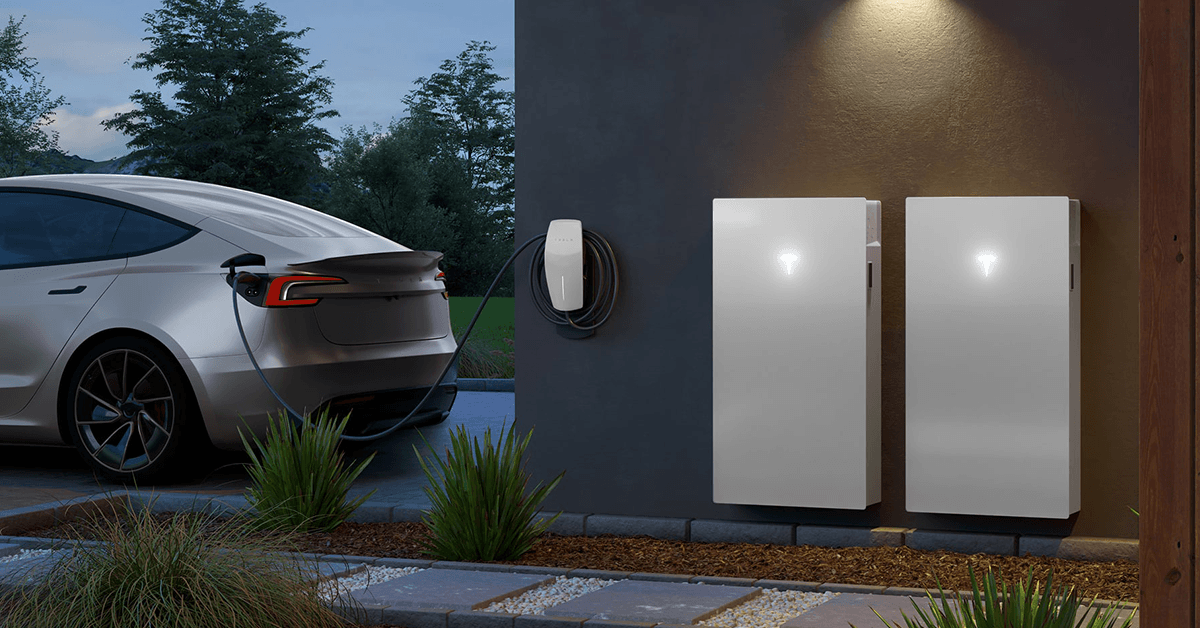
What Bidirectional Charging Means for You:
- Home Backup Power: During a blackout, a V2H-compatible EV can power a standard Australian home for several days.
- Grid Support: V2G allows you to sell a small amount of stored energy back to the grid during peak demand events, creating a new revenue stream for the household.
- Ultimate Self-Sufficiency: Combining solar panels, a bidirectional charger, and a compatible EV (like specific models from Nissan, Hyundai, or BYD) drastically reduces reliance on traditional energy retailers.
Navigating 2026 EV Incentives and Costs
While direct cash rebates for EV purchases have largely ended across states like NSW, VIC, and QLD, the financial case for home charging remains incredibly strong due to federal tax policies and smart financing.
The most significant driver is the Federal Fringe Benefits Tax (FBT) Exemption. For EVs below the 2025/26 Luxury Car Tax threshold ($91,387), purchasing a vehicle and its home charger through a novated lease can save drivers up to $11,000 annually in pre-tax income.
2026 EV Charging Options Comparison
| Charger Type | Average Hardware Cost (AUD) | Installation Cost | Charging Speed | Best Suited For |
| Standard 10A Socket | $0 (Included with car) | $0 | 10-15 km/h | Very low daily mileage |
| Level 2 Smart Charger | $1,200 – $2,500 | $800 – $1,500 | 40-100 km/h | Daily commuters, Solar owners |
| Bidirectional (V2G/V2H) | $4,500 – $8,000 | $1,500 – $3,000+ | 40-60 km/h | Grid independence, Home backup |
Solving the Apartment Dilemma
Not everyone has a private driveway. For the millions of Australians living in high-density housing, 2026 is bringing rapid solutions. Energy giants like AGL are rolling out curbside chargers in urban neighborhoods, while strata committees are increasingly adopting “load management” software. This technology allows dozens of cars in a single apartment block to charge simultaneously without overloading the building’s electrical capacity.
Calculate Your Potential Savings
Switching to an EV and utilizing home charging (especially with solar) can drastically reduce your annual running costs. Use the interactive calculator below to explore your potential fuel savings based on the current 2026 Australian average costs.
EV Charging Savings Calculator
FAQs
What is the demand for EVs in Australia?
Demand for electric vehicles in Australia is experiencing record growth in 2026. As of this year, Battery Electric Vehicles (BEVs) captured over 16% of the total new car market share, while overall plug-in vehicles (including PHEVs) reached nearly 27%. With over 110 EV models now available and increased government focus on reducing transport emissions, EV adoption has moved rapidly from early adopters to mainstream drivers.
How much does a home EV charger cost in Australia?
Installing a dedicated Level 2 home EV charger in Australia typically costs between $1,500 and $4,000 in total, depending on the complexity of the installation and the features of the hardware. The charger unit itself generally ranges from $800 to $2,500 for a smart, solar-ready model, while professional installation by a licensed electrician can add anywhere from $700 to over $1,500 if significant switchboard upgrades or long cable runs are required. Despite the upfront investment, these chargers are significantly faster than standard wall outlets and are essential for homeowners wanting to maximize their savings by charging directly from rooftop solar systems.
Is it profitable to put in an EV charging station?
Investing in an EV charging station is highly profitable, whether viewed through the lens of household savings or commercial revenue generation. For residential owners, the “profit” comes from slashing fuel costs by up to 80% and increasing the property’s resale value, as EV-ready homes are increasingly sought after in the 2026 real estate market. On the commercial side, businesses can generate direct income through user fees while benefiting from increased customer dwell time and employee satisfaction, making it a strategic asset that pays for itself through both operational savings and enhanced property appeal.
What is the 80/20 rule for EV charging?
The 80/20 rule is a best-practice guideline for maximizing the lifespan of your electric vehicle’s lithium-ion battery. It recommends keeping your battery’s charge level between 20% and 80% for everyday driving. Continually draining the battery to 0% or routinely charging it to 100% can cause faster degradation of the battery cells over time. Most manufacturers suggest only charging to 100% right before you embark on a long road trip.
About The Author