

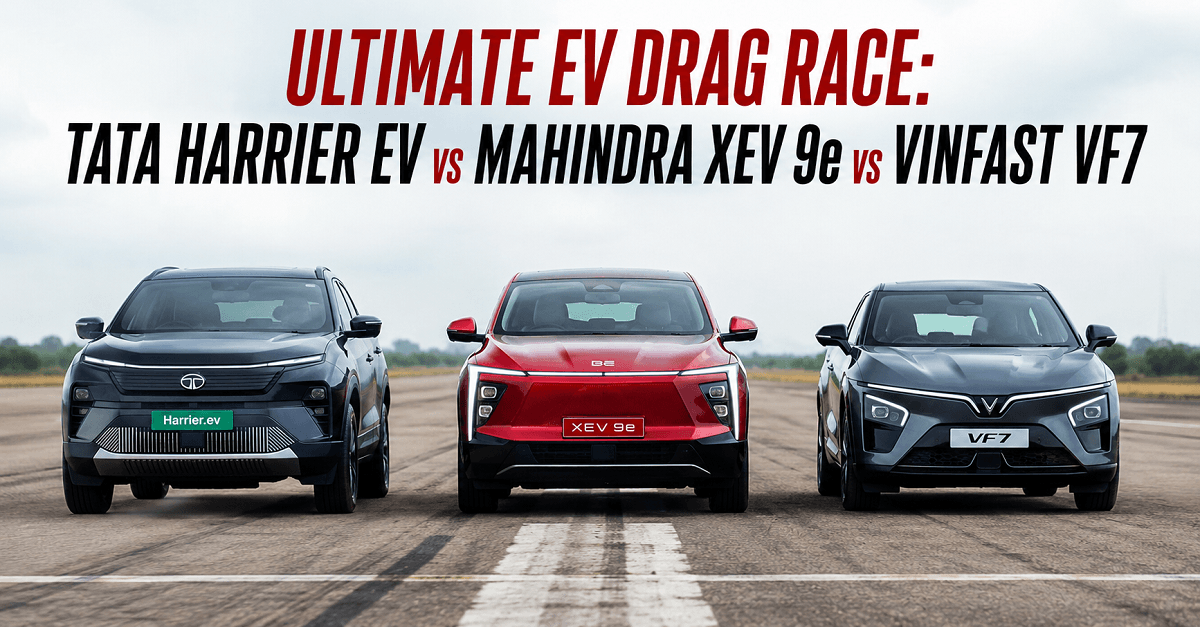
If you want the quickest electric SUV, the Harrier EV vs XEV 9e vs VF7 drag race is a thrilling three-way battle. All three SUVs bring strong electric power, AWD capability and impressive performance to the road. But which one is truly the fastest? Let’s see how they compare in a straight-line race.
Key Highlights
- Harrier EV AWD: 313 hp, 504 Nm, 75 kWh battery and claimed 0 to 100 km/h in 6.3 seconds.
- Mahindra XEV 9e 79 kWh: 286 hp, 380 Nm, RWD and claimed 0 to 100 km/h in 6.8 seconds.
- VinFast VF7 Sky: 353 PS, 500 Nm, 70 kWh usable battery, AWD and 0 to 100 km/h in 5.8 seconds.
- Independent testing recorded the Harrier EV AWD at 6.74 seconds from 0 to 100 km/h.
- Autocar India found the VF7 has a stronger power-to-weight ratio than the Harrier EV.
- The XEV 9e remains the range-focused option, with the 79 kWh version offering up to 656 km ARAI range.
- The Harrier EV has earned a 5-star Bharat NCAP rating, while the VF7 also has Bharat NCAP results published for its Wind and Sky variants.
EV Drag Race Setup: How We Compare These Three SUVs
For this Harrier EV vs XEV 9e vs VF7 drag race, the cleanest comparison is between the strongest AWD versions available in India. That means the Tata Harrier EV 75 kWh AWD, Mahindra XEV 9e 79 kWh RWD, and VinFast VF7 Sky AWD. The XEV 9e is not an AWD car, so it starts with a traction disadvantage, but it also weighs less than the Harrier EV. The VF7 is the smallest and lightest of the three, while the Harrier EV brings the biggest torque figure and four-wheel drive. This is why a simple horsepower comparison doesn’t tell the whole story.
Round 1: Tata Harrier EV vs Mahindra XEV 9e
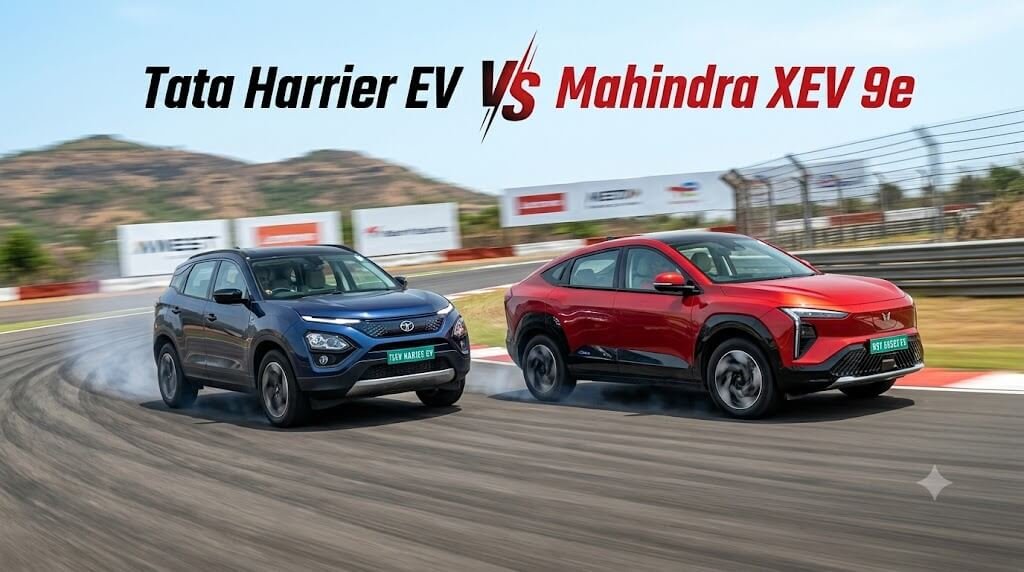
The first Tata Harrier EV vs Mahindra XEV 9e drag race puts Tata’s AWD electric SUV against Mahindra’s sleek RWD EV. On paper, the Harrier EV has the power advantage. Its dual-motor setup produces 504 Nm of torque and 313 hp, while the XEV 9e 79 kWh version makes 380 Nm and 286 hp.
However, the XEV 9e is around 134 kg lighter than the tested Harrier EV AWD. That lower weight could help it once both SUVs are up to speed. But off the line, the Harrier EV’s AWD system should give it an advantage, as it can put its power down with better traction.
Tata Harrier EV vs Mahindra XEV 9e Specifications
The Tata Harrier EV vs XEV 9e vs VF7 drag race comparison becomes clearer when you put the key numbers side by side. The table below uses the performance focused versions, rather than mixing entry level and top level variants.
| Specification | Tata Harrier EV AWD | Mahindra XEV 9e 79 kWh |
| Model | Empowered AWD 75 | 79 kWh variant |
| Battery | 75 kWh | 79 kWh |
| Electric motor setup | Dual motor | Single rear motor |
| Drive | AWD | RWD |
| Power | 313 hp combined | 286 hp |
| Torque | 504 Nm | 380 Nm |
| Kerb weight | 2,335 kg tested | 2,201 kg tested |
| Claimed 0 to 100 km/h | 6.3 seconds | Around 6.8 seconds in published specifications |
| Claimed range | 622 km MIDC | 656 km MIDC |
Tata’s official technical sheet confirms the Harrier EV AWD’s 75 kWh battery, dual motor layout and 504 Nm torque. Mahindra’s official technical material confirms the XEV 9e’s 79 kWh battery, 210 kW maximum motor output and 380 Nm torque. The Harrier has the obvious launch advantage, while the XEV 9e brings lower weight and excellent efficiency. For a short drag strip, the Tata has the stronger recipe.
Round 2: Tata Harrier EV vs VinFast VF7
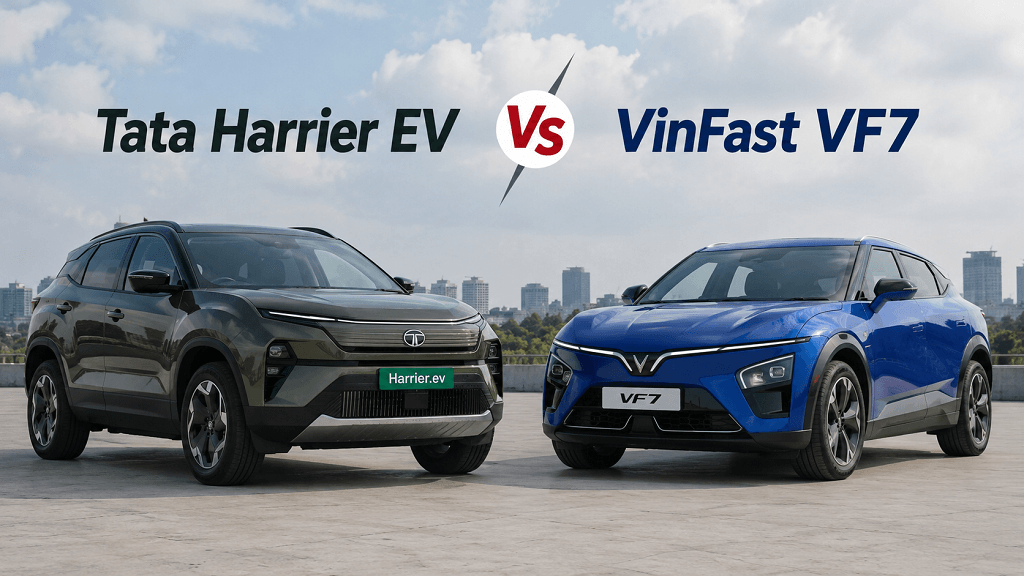
The second round of the Tata Harrier EV vs VinFast VF7 drag race is much closer. Both SUVs use AWD performance versions, giving them strong traction and quick acceleration.
The Tata Harrier EV AWD produces 504 Nm of torque and has a claimed 0 to 100 km/h time of 6.3 seconds. The VinFast VF7 AWD, meanwhile, produces 500 Nm and can accelerate from 0 to 100 km/h in just 5.8 seconds.
The VF7 also has an advantage in weight. Autocar India’s specification lists its kerb weight at around 2,218 kg, which is about 117 kg lighter than the tested Harrier EV AWD. On paper, the numbers give the VF7 an edge. It offers similar torque, AWD traction, a lower kerb weight and more power. So, if both SUVs get a clean launch, the VinFast VF7 AWD looks like the stronger contender.
Tata Harrier EV vs VinFast VF7 Specifications
The Tata Harrier EV vs VinFast VF7 comparison becomes even more interesting when you look at the powertrain.
The VinFast VF7 AWD uses two permanent magnet synchronous motors. According to VinFast’s official Indian specifications, it produces 260 kW of power and 500 Nm of torque. The company also claims a 0 to 100 km/h time of 5.8 seconds.
The Tata Harrier EV AWD takes a different approach. It combines a front induction motor with a rear permanent magnet synchronous motor. Tata quotes 504 Nm of torque and a claimed 0 to 100 km/h time of 6.3 seconds. Autocar India’s road test of the VF7 recorded 354 hp, 500 Nm of torque and a kerb weight of 2,218 kg.
This makes the VF7 look stronger on paper for a straight-line race. However, the actual result can also depend on launch control, tyre grip, battery charge and road conditions. That’s what makes this matchup more interesting than a simple specification comparison.
| Specification | Tata Harrier EV AWD | VinFast VF7 AWD |
| Model | Empowered AWD 75 | Sky AWD / Sky Infinity |
| Battery | 75 kWh | 70.8 kWh |
| Electric motor setup | Dual motor | Dual motor |
| Drive | AWD | AWD |
| Power | 313 hp combined | About 350 to 354 hp |
| Torque | 504 Nm | 500 Nm |
| Kerb weight | 2,335 kg tested | 2,218 kg |
| Claimed 0 to 100 km/h | 6.3 seconds | 5.8 seconds |
| Claimed range | 622 km MIDC | 510 km MIDC |
| Autocar tested 0 to 100 | 6.74 seconds | 6.03 seconds |
The published test results give the VF7 a clear acceleration edge. Autocar measured the VF7 at 6.03 seconds to 100 km/h and the Harrier EV at 6.74 seconds. That does not mean the Harrier is slow. It means the VinFast is extremely quick for this class.
Detailed EV Performance Breakdown: Harrier EV vs. XEV 9e vs. VF7
Looking deeper into this three-way electric SUV drag race, each car reveals a distinct personality. The Tata Harrier is the traction specialist, the Mahindra XEV 9e is the efficient long-range cruiser, and the Vinfast VF7 is the compact performance challenger. While electric motors deliver instant torque, factors like tyre grip, weight, drivetrain layout, and software calibration dictate real-world results.
| Feature | Tata Harrier EV | Mahindra XEV 9e | VinFast VF7 (Sky) |
| Drivetrain | AWD (Dual Motor) | RWD (Single Motor) | AWD (Dual Motor) |
| Power | 158 PS (F) + 238 PS (R) | 286 hp | 353 PS (260 kW) |
| Torque | 504 Nm | 380 Nm | 500 Nm |
| Weight | ~2,335 kg | ~2,201 kg | ~2,218 kg |
| 0-100 km/h | 6.74s (Tested) / 6.3s (Claimed) | 6.8s (Claimed) | 5.8s (Claimed) |
1. Tata Harrier EV: The AWD Powerhouse
The Tata Harrier EV brings the most aggressive setup of the three. Its dual-motor AWD system produces up to 504 Nm of torque, giving it strong traction during hard acceleration. The SUV also weighs around 2,335 kg, making it the heaviest model in this comparison. However, its all-wheel-drive system can help put the power down more effectively, especially during a quick launch. With Eco, City, Sport, and Boost drive modes, the Harrier EV offers a wide range of driving characteristics, with Boost mode designed for maximum performance.
2. Mahindra XEV 9e: The Efficient Performer
The Mahindra XEV 9e takes a more efficiency-focused approach. It uses a single rear-mounted motor rather than the dual-motor AWD setup found in the Harrier EV. This means it may not have the same launch traction, but its lighter 2,201 kg kerb weight and aerodynamic design work in its favor. Instead of focusing only on straight-line acceleration, the XEV 9e is designed to balance performance, comfort, and driving range. For everyday use, that combination could make it the more practical choice for many EV buyers.
3. VinFast VF7: The Lightweight Contender
The VinFast VF7 makes a strong case for quick acceleration thanks to its 353 PS output and 500 Nm of torque. At around 2,218 kg, it is lighter than the Harrier EV, while its claimed 0-100 km/h time is just 5.8 seconds. That combination gives the VF7 a strong power-to-weight ratio, which can be an advantage in a straight-line sprint. However, actual acceleration can depend on factors such as battery charge, temperature, tyres, road conditions, and launch technique. On paper, though, the VF7 looks like a serious contender in this three-way EV battle.
What Could Decide the Final Drag Race?
A proper Harrier EV vs XEV 9e vs VF7 drag race is about more than the number printed beside “power.” You have to consider how much each car weighs, how many wheels receive power, how the tyres react, and how the battery management system releases energy. Even battery temperature can affect repeat performance. Think of it like three runners: one may have the strongest legs, another may weigh less, and another may have the best shoes. The winner depends on how those advantages work together.
Power-to-Weight Ratio, AWD vs RWD
For the Harrier EV vs XEV 9e vs VF7 drag race, power-to-weight ratio is one of the most useful numbers. The VF7 has about 159.1 hp per tonne, compared with 134.05 hp per tonne for the Harrier EV and 129.94 hp per tonne for the XEV 9e, based on Autocar India’s comparison data. That gives the VinFast a meaningful advantage once the cars are moving. AWD still matters for the launch, though, and both the VF7 and Harrier have it.
Instant Torque, Traction, Weight
In the Harrier EV vs XEV 9e vs VF7 drag race, instant torque is only useful when the tyres can handle it. The Harrier’s 504 Nm and VF7’s 500 Nm are close, while the XEV 9e’s 380 Nm is lower. However, the Mahindra is lighter than the Harrier, which reduces some of that disadvantage. At the first few metres, AWD can be the difference between a clean launch and wheelspin, so the Harrier and VF7 have a natural edge.
Aerodynamics, Battery State
Aerodynamics becomes more important as speed rises, while battery state matters from the first press of the accelerator. For this Tata Harrier EV vs Mahindra XEV 9e vs Vinfast VF7 drag race, you would want all three cars at a similar state of charge and similar battery temperature. A low battery can reduce available performance, and repeated hard launches can change thermal conditions. For a fair comparison, the same driver, road, tyre pressure, charge level and launch procedure should be used.
What Does Real-World Testing Tell You?
A real-world Harrier EV vs XEV 9e vs VF7 drag race is more useful than simply comparing brochure numbers. However, these cars have not been tested together under exactly the same conditions, so the figures should be viewed as a useful guide rather than an official race result.
Here is what the available testing and claimed figures tell us:
- Tata Harrier EV AWD: Autocar India recorded 6.74 seconds from 0 to 100 km/h, compared with Tata’s claimed 6.3 seconds.
- Mahindra XEV 9e: The earlier comparison used Mahindra’s claimed 6.8-second 0 to 100 km/h figure.
- VinFast VF7 Sky: The Indian-spec model lists a quicker 5.8-second 0 to 100 km/h time.
- Quickest on paper: Based on these figures, the VF7 Sky appears to have the acceleration advantage.
- Harrier EV range: The AWD version has a claimed 622 km MIDC range.
- XEV 9e range: The 79 kWh version offers up to 656 km ARAI range, depending on the variant.
- VF7 Sky range: The Indian-spec model is rated at around 510 km.
Who Wins the Harrier EV vs XEV 9e vs VF7 Drag Race?
So, who wins the Harrier EV vs XEV 9e vs VF7 drag race? On published Indian specifications, the VinFast VF7 Sky takes the performance crown with 353 PS, 500 Nm, AWD, a 2,218 kg kerb weight and a claimed 5.8-second 0 to 100 km/h time. The Tata Harrier EV AWD comes second because it combines 313 hp, 504 Nm and AWD, and Tata’s own 6.3-second claim has been independently tested at 6.74 seconds. The Mahindra XEV 9e comes third for outright acceleration, but its 79 kWh version remains extremely attractive if range, cabin comfort and efficiency matter more than a short sprint.
| Ranking | EV | Why it finishes here |
|---|---|---|
| 1 | VinFast VF7 Sky | Highest power-to-weight ratio and quickest claimed 0 to 100 km/h |
| 2 | Tata Harrier EV AWD | Strong 504 Nm torque, AWD traction and impressive launch |
| 3 | Mahindra XEV 9e 79 kWh | Excellent range and efficiency, but RWD and lower power |
If your goal is a Harrier EV vs XEV 9e vs VF7 drag race winner, pick the VF7 Sky. If you want a more rugged Indian SUV with strong AWD grip, the Harrier EV is the more interesting choice. If your priority is long-distance range, premium cabin space and everyday usability, the XEV 9e deserves serious attention. The fastest car isn’t automatically the best car for your family, and that’s the part worth remembering.
Real Owner Reviews
“The instant torque on the Harrier EV completely caught me off guard. Launching it off the line feels entirely different from the old diesel versions—it just squats and pulls relentlessly. The all-wheel-drive system grips the tarmac perfectly without any wheel spin drama.”
— Rahul S., Performance SUV Enthusiast
“I was skeptical about how a heavy coupe-SUV would perform on the strip, but the XEV 9e is an absolute rocket. The aerodynamics really seem to give it an edge as it builds speed, and the power delivery is incredibly smooth. It feels like piloting a spaceship down the quarter-mile.”
— Vikram D., EV Tech Reviewer & Early Adopter
Conclusion
The Harrier EV vs XEV 9e vs VF7 drag race proves that electric SUV performance is becoming genuinely exciting in India. The Harrier EV brings serious torque and four-wheel-drive grip, the XEV 9e delivers a refined long-range package, and the VF7 Sky brings the sharpest acceleration numbers of the group. Based on current specifications and published testing, the VF7 Sky is the performance winner, while the Harrier EV is the strongest all-round rival for drivers who value traction and SUV capability. Before buying, take all three for a test drive, check charging options near your home and compare the exact variant prices.
FAQs
Which car is better, the Tata Harrier EV or the VinFast VF7?
For the Harrier EV vs XEV 9e vs VF7 drag race, the VF7 Sky is quicker on paper, with 353 PS, AWD and a claimed 5.8-second 0 to 100 km/h time. The Harrier EV offers 313 hp, 504 Nm and AWD, plus a larger SUV feel and strong road capability. Choose the VF7 for acceleration and the Harrier EV for a more rugged SUV character.
Which is better, Harrier EV or Mahindra XEV 9e?
The Tata Harrier EV vs XEV 9e vs VF7 drag race gives the Harrier the acceleration advantage. Its AWD system, 504 Nm torque and 313 hp help it beat the XEV 9e’s 286 hp, 380 Nm and RWD layout in published acceleration figures. The XEV 9e makes a stronger case for buyers who want higher claimed range, efficiency and a premium technology-focused cabin.
Which is better, the Mahindra EV or the Tata EV?
If you’re comparing the XEV 9e with the Harrier EV, the better choice depends on your use. The Harrier EV is the stronger option for AWD traction, quick acceleration and SUV capability. The XEV 9e is attractive for range, efficiency and premium cabin features. For the Harrier EV vs XEV 9e vs VF7 drag race, Tata has the clear performance edge over the RWD XEV 9e.
Which car can beat Tata Harrier EV?
In this Harrier EV vs XEV 9e vs VF7 drag race, the VinFast VF7 Sky has the strongest case. It has 353 PS, 500 Nm, AWD and a claimed 5.8-second 0 to 100 km/h time, compared with the Harrier EV’s claimed 6.3 seconds. Its lower 2,218 kg kerb weight also gives it a better power-to-weight ratio.
What are the top 3 electric cars in India?
There isn’t one official top three because the best EV depends on budget and use. For a performance-focused comparison like the Harrier EV vs XEV 9e vs VF7 drag race, these three are among the most interesting premium electric SUVs available in India. The Harrier EV stands out for AWD capability, the XEV 9e for range and technology, and the VF7 for acceleration.
Which is the safest EV car in India?
Safety depends on the exact vehicle and variant, but the Harrier EV has a 5-star Bharat NCAP rating. The VF7 also has Bharat NCAP results published for the Wind and Sky variants, with 28.54/32 for adult occupant protection and 45.25/49 for child occupant protection. Always check the rating’s applicability to the exact variant you plan to buy.
Is Mahindra XEV 9e successful?
The XEV 9e has built a strong position among India’s premium electric SUVs, with positive owner ratings on major automotive platforms and strong expert scores. Its 79 kWh version offers up to 656 km claimed ARAI range, while independent testing has recorded about 456 km in combined real-world conditions. Its performance isn’t the winner of the Harrier EV vs XEV 9e vs VF7 drag race, but its overall package is a major strength.

Rate This Article
Be the first to rate this article
Thanks for rating!
All Car Brands
View all brands →
















More Updates
Handpicked Accessories for Every Journey
PRIVON 60W H4 LED Headlight for Bike – 7000L, 6000K White LED Light for Night Ride
Ceat Zoom Rad 140/60 R17 63P Tubeless Bike Tyre

ShineXPro Helmet Cleaner & Microfiber Cloth – Anti Bacterial Foaming Helmet Cleaning Spray
Universal Front Fender Mudguard Extender Extension Fits for Motorcycle

Boldfit Full Face Helmet Mask for Bikers in Riding UV Protected
Neodrift JungleMax Bike Cover for Harley-Davidson X440
Wisely Pack 2 Screen Guard for Harley Davidson X440T Bike – Instrument Cluster Accessories
PHANTOM Premium Adjustable Footrest for Harley – Motorcycle Accessory for Touring & City Riding
L3 MODZ Ladies Foot Rest for KTM Duke (BS6 Gen2) Models
Apollo Alpha S1 130/70 R17 62H Radial Tubeless Bike Tyre
30W Motorcycle Type-C USB Phone Charger with PD & Quick Charge
ELTRON TURBO Turn Signal Indicator Lights Compatible for KTM
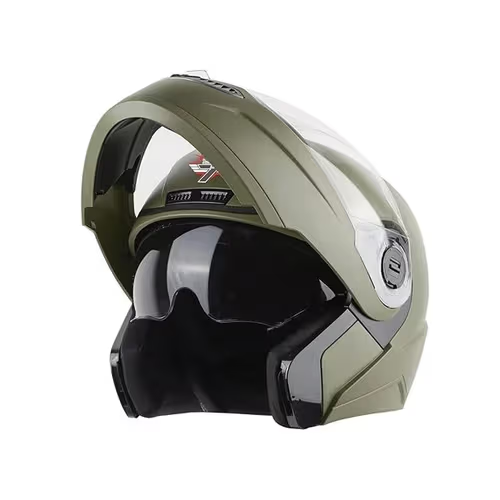
Steelbird SBA 7 7Wings Flip-Up Helmet for Men with Skull Cap
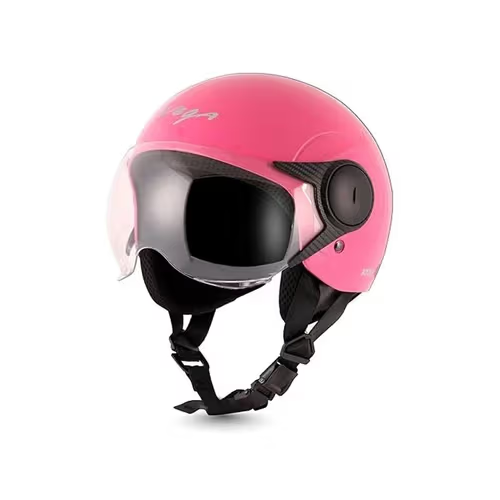
Vega Atom Open Face Helmet with Clear Visor, Black
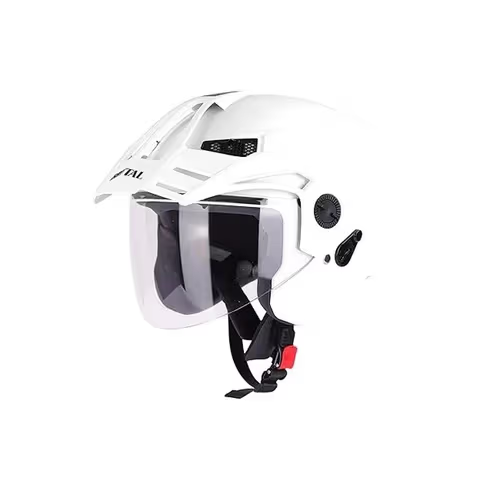
Steelbird SBH-23 Brutal Open Face Helmet with Skull Cap
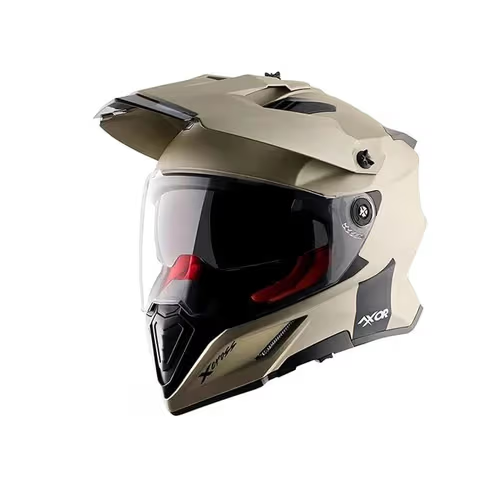
Axor X Cross Dual Visor Full Face Off-Road Helmet – Dull Black Orange
Probiker Protective Full Finger Bike Riding Gloves – Motorcycle, Cycling, and Hiking
XTRIM Protekt Universal Bike Riding Gloves for Men – Black, Red
Rynox Air GT Leather Motorcycle Riding Gloves – Cuff Length | Grey Red
BADOWL RYDON Knuckle Protection Riding Gloves – Touchscreen Sports Gloves

Microfiber Car Duster with Long Handle Cleaning Brush

Robustt Car Interior Cleaning Brush Combo – Scratch Free Car Duster

ORJILO 5-Piece Microfiber Car Duster Kit – Extendable Long Handle Duster for Car

ShineXPro Microfiber Car Cleaning Cloth (500 GSM, Extra Large (35×75 CM))

Wavex Tyre Polish for Car & Bike (1L) – With Applicator and Microfiber Cloth

ShineXPro Glass Cleaner Spray (300 ml) – Streak Free Car Glass Cleaner Liquid
SOFTSPUN Microfiber Chenille Wash Mitt (1700 GSM)

Tusa V1 Cordless Vacuum Cleaner for Car – High Power Portable Lightweight Wireless Vacuum

SOFTSPUN Microfiber Cloth (40×40 cm, 340 GSM) – Automotive Microfibre Towels for Car
SEZNIK 4-in-1 Cordless Vacuum Cleaner & Blower

GOODAIR Royal Premium Non-Electric Car Air Purifier
Portronics 38W Dual Output Fast Car Charger with 20W Type-C PD & 18W USB with Cars for iPhone
AutoBizarre High Gloss Carbon Fibre Paint Protection For Car

APPUCOCO Mini Car Trash Bin – Black
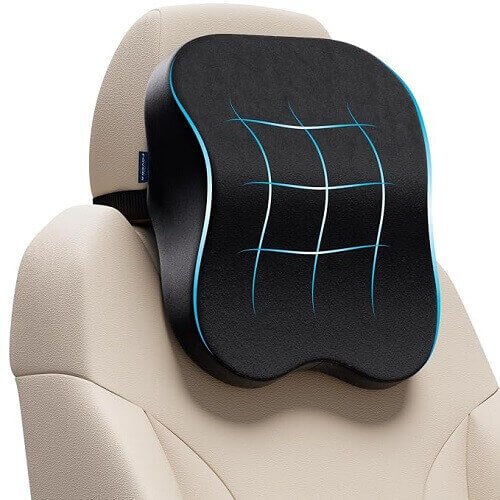
FOVERA Memory Foam Car Neck Rest Pillow – Medium, Black
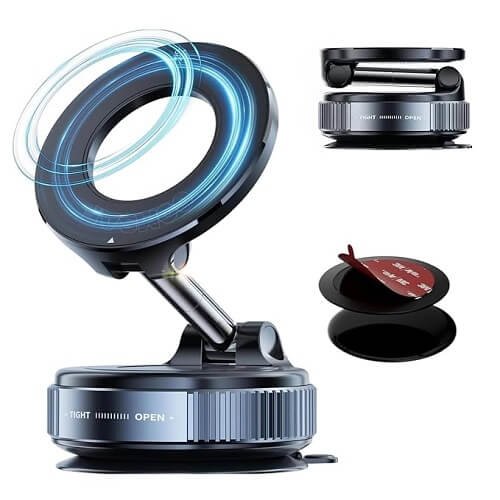
360° Vacuum Magnetic Car Phone Mount – Strong Suction Cup Phone Holder for Car
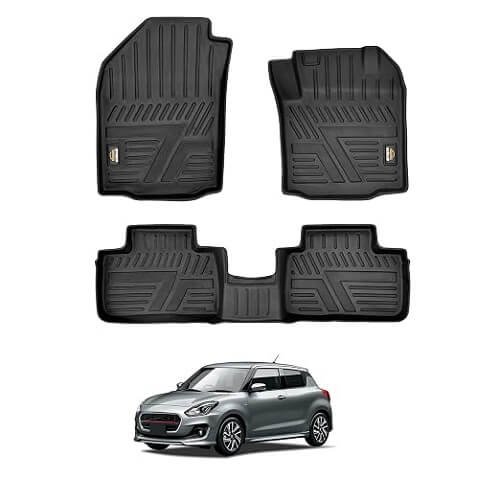
Amazon Basics 5D Custom Fit Car Floor Mats for Swift Facelift
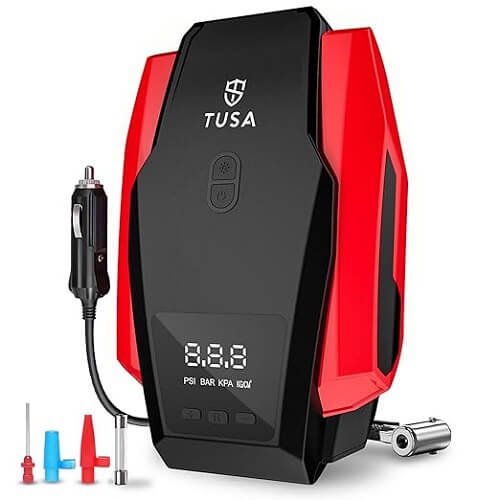
TUSA Drive X 12V DC Portable Tyre Inflator – 150 PSI, Air Compressor
![Qubo Dashcam Pro 4K [2026 Edition] – Dual Channel | ADAS | Ultra-Wide 8MP UHD+ Front, 2MP FHD Rear](https://neudeals.co/wp-content/uploads/2026/09/Qubo-Dashcam-Pro-4K-Sensor.jpg)
Qubo Dashcam Pro 4K [2026 Edition] – Dual Channel | ADAS | Ultra-Wide 8MP UHD+ Front, 2MP FHD Rear
Oowah EX Electric Scooter – Removable Lithium-ion Battery , Laguna Blue
BG C12i EX Gen 2 Electric Scooter – Removable 2.0 kWh LFP Battery, 60 km/h Top Speed
EOX OKO Electric Scooter – Removable Lithium Battery, 40-50 km Long-Range
EOX OLO Low Speed Electric Scooter – 45Km Mileage, Pastel Yellow & Black
EOX E2 Low Speed Electric Scooter – 60-70Km Range, Portable Lithium Battery
Okinawa Praise PRO Electric Scooter – Li-Ion Battery
EOX® ROX Electric Scooter – 48V Removable Lithium Battery, 50-60 km Long-Range
MIOOX Electric Scooter – 51.8V 28AH Range 55-65km Front Disc
AMO Low Speed Electric Scooter – 60-70 Km Range in Grey
AMO Jaunty 3W Low-Speed Electric Scooter – Blue and Black
Bajaj Chetak C2501 Electric Scooter – Glossy Active Black
Bajaj Chetak C3501 Electric Scooter – Brooklyn Black
Royal Enfield Classic 350 with Disc & Alloy Wheels Motorcycle – Stealth Black
Royal Enfield Bullet 350 Disc & Spoke Wheel Motorcycle – Battalion Black
Royal Enfield Hunter 350 with Disc & Alloy Wheels Motorcycle – Dapper Grey
Hero MotoCorp Passion+ i3S Drum – Black Heavy Grey
Hero MotoCorp XTREME 125R Bike(ABS) – Stallion Black
Hero MotoCorp HF Deluxe Drum – Black Grey
Hero MotoCorp XTREME 125R FI ABS SEAT DS (OBD2B) Motorcycles – Black
Bajaj Avenger 220 Cruise Motorcycle – Moon White
Bajaj Pulsar N 160 Ug Motorcycle – Brooklyn Black
Bajaj Platina 110 Es Drum Motorcycle – Black Red
Bajaj Pulsar N 250 Ug Motorcycle – Brooklyn Black
Harley Davidson X440 T 440cc Motorcycle – Pearl Blue
Harley Davidson X440 S 440cc Motorcycle – Matte Black
Harley Davidson X440 Vivid 440cc Motorcycle – Metallic Thick Red
Harley Davidson X440 T 440 CC Motorcycle – Pearl Red
KTM Duke 200 PRO Bike – Dark Galvano Black
KTM Duke 390 R Bike – Electronic Orange
KTM Adventure X 390 Bike – Orange
KTM Adventure 250 Bike – White
As an Amazon Associate, Neu Auto earns from qualifying purchases. When you purchase through one of the Amazon links above, Neu Auto may receive a commission at no additional cost to you.