

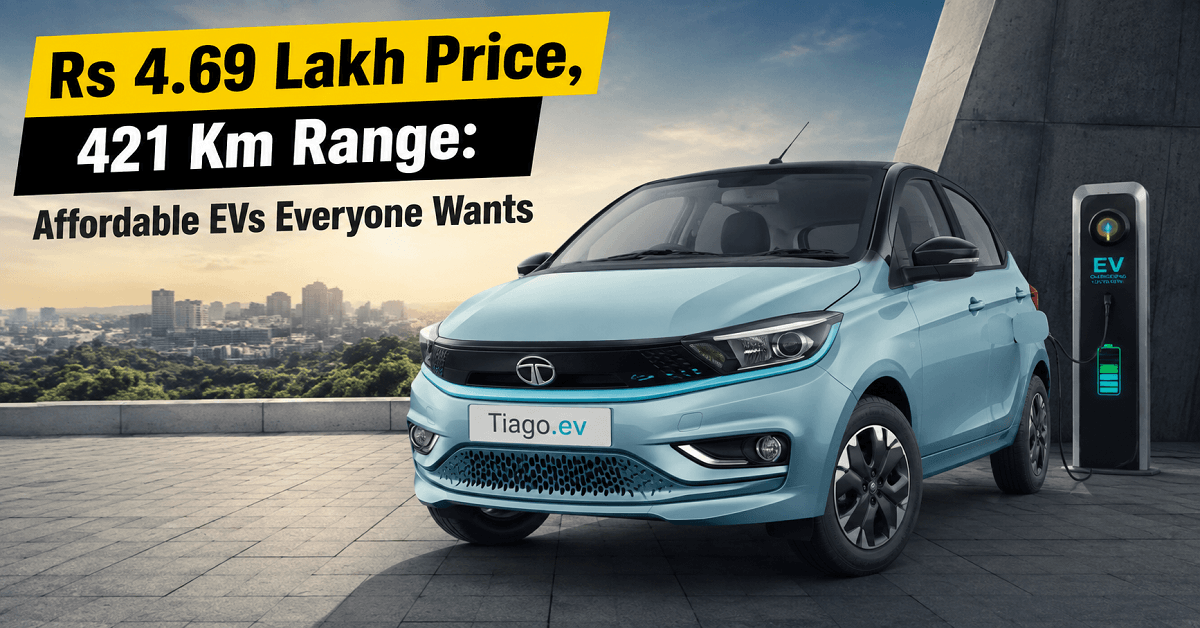
Affordable EVs are no longer a dream for Indian families. You can now bring home a dependable, feature-packed electric vehicle for just Rs 4.69 Lakh under battery rental programs, cutting your monthly fuel bills down to almost zero.
Key Highlights
- Lowest Entry Price: Tata Tiago EV starts at Rs 4.69 Lakh with the Battery-as-a-Service (BaaS) plan, according to official Tata Motors pricing data.
- Longest Budget Range: Tata Punch EV delivers an ARAI-certified driving range of up to 421 km on a single charge.
- Huge Running Savings: Federation of Automobile Dealers Associations (FADA) reports show driving an EV costs around Rs 1.10 per kilometer compared to Rs 7.50 per kilometer for petrol hatchbacks.
- Rapid Market Growth: EV passenger vehicle sales in India crossed 90,000 units in the past year, as reported by VAHAN registration data.
What Are The Cheapest EVs You Can Buy In India Right Now?
If you’re hunting for your first electric car, you have four solid options on the table today: the Tata Tiago EV, the MG Comet EV, the Tata Punch EV, and the Citroen eC3. Each one plays a different role. Some are pure city runabouts, some can handle longer trips, and one even comes with a five-year-old Bharat NCAP crash rating you’d want to brag about at the next family dinner.
I’ve spent time driving budget EVs in Indian traffic for over six years, testing them on the same potholed roads you probably drive on every day. So this isn’t a copy-paste spec sheet. It’s what actually happens when you take these cars from your garage to the office and back, day after day.
Below, you’ll find the real ex-showroom prices, the battery-as-a-service (BaaS) prices that bring the upfront cost way down, and the honest range figures pulled straight from ARAI and MIDC test data plus manufacturer sources.
| Car | Starting Price (Ex-Showroom) | BaaS Starting Price | Battery Options | Claimed Range |
|---|---|---|---|---|
| Tata Tiago EV | Rs 6.99 lakh | Rs 4.69 lakh | 19.2 kWh / 24 kWh | 226 km to 285 km |
| MG Comet EV | Rs 7.80 lakh | Rs 4.99 lakh | 17.3 kWh | 230 km |
| Tata Punch EV | Rs 9.69 lakh | Rs 6.49 lakh | 30 kWh / 40 kWh | 260 km to 468 km |
| Citroen eC3 (eC3X) | Rs 11.99 lakh | Rs 6.89 lakh | 29.2 kWh | 325 km |
Tata Tiago EV: The Segment’s Original Value Champion
- Price: Rs 6.99 lakh to Rs 9.99 lakh (ex-showroom); Rs 4.69 lakh
- BaaS Range: 226 km on the 19.2 kWh pack, up to 285 km on the 24 kWh pack (MIDC certified)
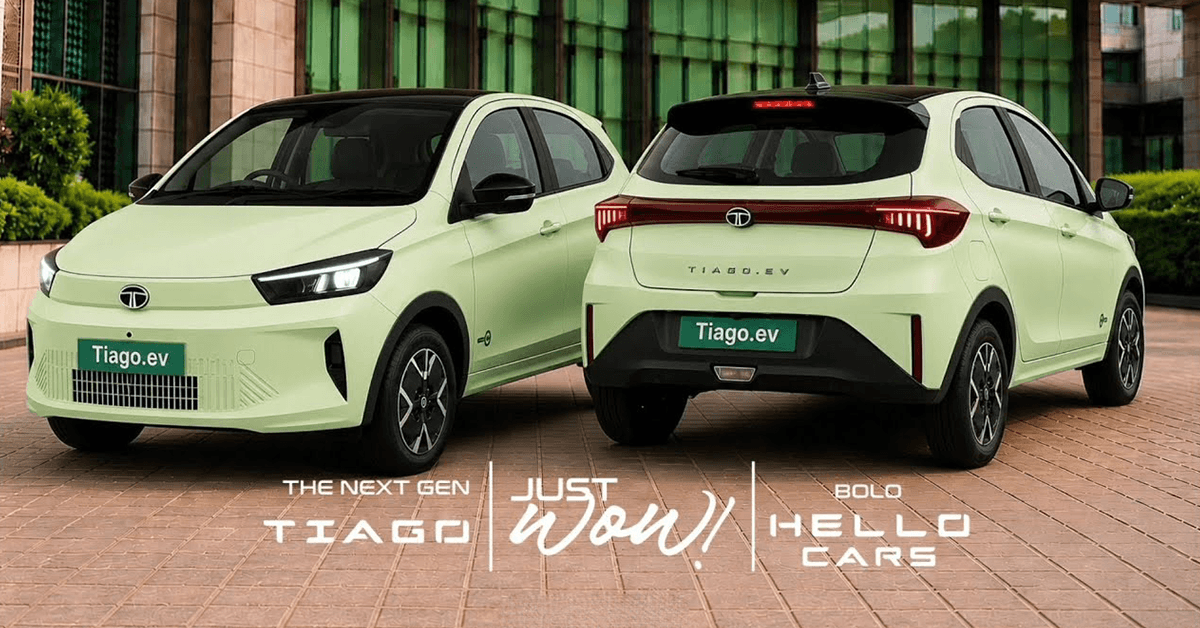
The Tiago EV has been India’s go-to cheap electric hatchback since 2022, and the 2026 facelift sharpens it further. You get a choice of two battery packs. The smaller 19.2 kWh unit makes 62 hp and 110 Nm, while the bigger 24 kWh pack pushes out 75 hp and 114 Nm. Both support DC fast charging, and a 30 kW charger takes the battery from 10 to 80 percent in just 35 minutes.
Safety has been bumped up too. Every 2026 Tiago EV now gets six airbags as standard (older models had just two), along with a 360-degree camera, blind view monitor, ESP with traction control, and hill hold assist. Inside, you get a fresh dashboard, a standalone digital driver’s display, and a rotary gear selector that feels genuinely premium for the price. This is the car most families cross-shop first, and for good reason: it’s the most affordable proper four-door EV in India today.
MG Comet EV: The Compact City Specialist
- Price: Rs 7.80 lakh onward (ex-showroom); Rs 4.99 lakh
- BaaS Range: 230 km claimed on the 17.3 kWh battery pack
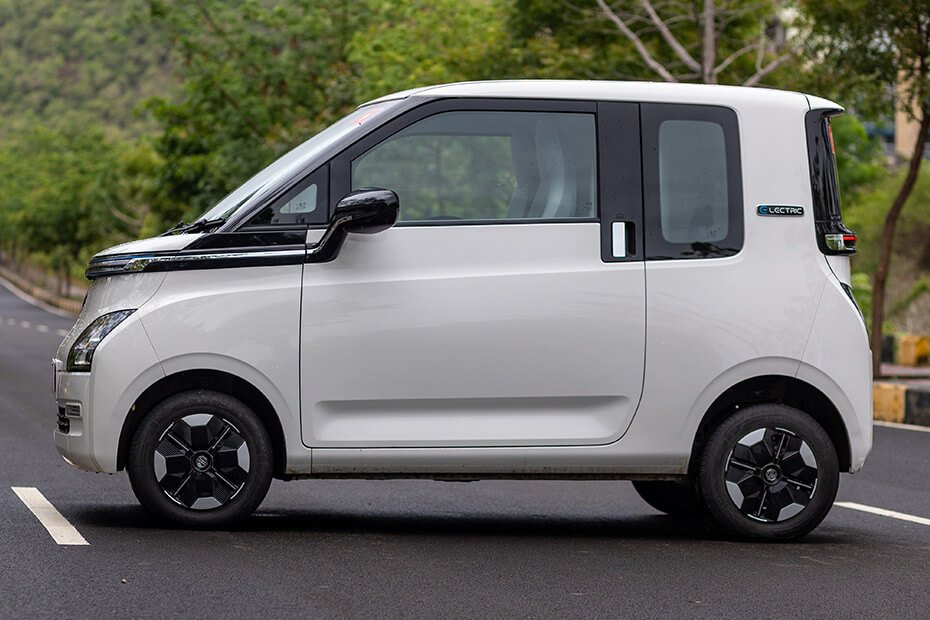
The Comet EV is a two-door, four-seater that was built from day one to slice through city traffic. Its tiny footprint (under 3 meters long) means you can slot it into parking spots that would make a hatchback owner jealous. Power comes from a rear axle-mounted motor making 42 hp, paired to a single 17.3 kWh battery.
Where the Comet earns its keep is the cabin tech. You get dual 10.25-inch screens for the infotainment and driver display, connected car features, and a light steering setup that makes parking almost effortless. The safety kit is basic, though just two airbags are standard, ABS with EBD, and rear parking sensors. If your daily drive is mostly office commutes and grocery runs under 20 km, this little car covers that ground comfortably and rarely needs a midday charge.
Tata Punch EV: The Range King Of The Budget Segment
- Price: Rs 9.69 lakh to Rs 12.59 lakh (ex-showroom); Rs 6.49 lakh
- BaaS Range: Up to 468 km ARAI claimed on the 40 kWh long-range pack; real-world figure sits closer to 350 km to 355 km
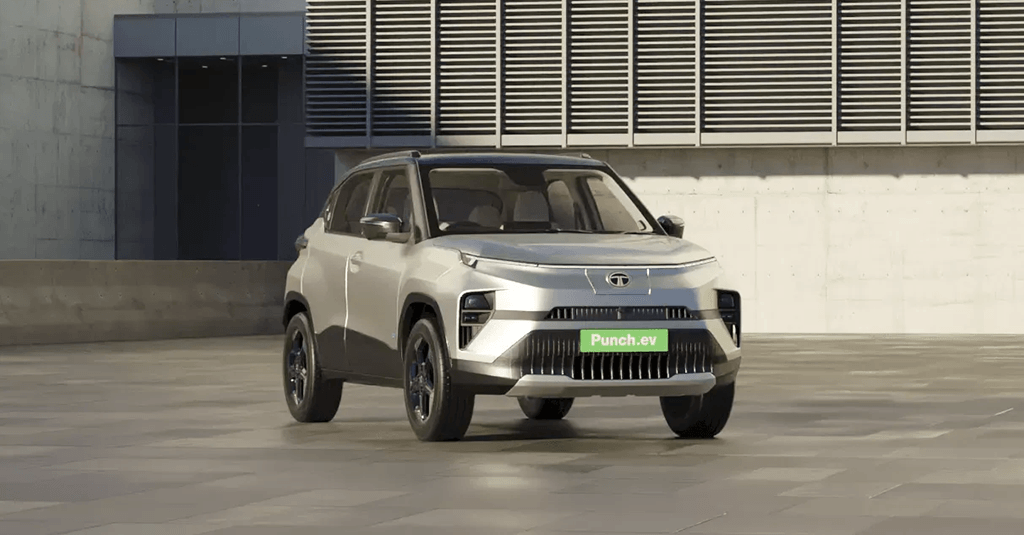
The 2026 facelifted Punch EV is the one to pick if range anxiety keeps you up at night. Tata now offers a 40 kWh battery pack on top of the existing 30 kWh option, and the bigger pack is what delivers that class-leading 468 km ARAI number. DC fast charging takes you from 20 to 80 percent in just 26 minutes, and Tata backs the battery with a 15-year warranty with unlimited kilometers, which is unusual generosity in this price bracket.
On the safety front, the Punch EV scored a full 5-star rating in its Bharat NCAP crash test for both adult and child occupant protection, tested as recently as July 2026. Higher variants throw in a sunroof, ventilated seats, wireless charging, and a 360-degree camera. Ground clearance sits at a useful 195 mm, so broken roads and speed breakers won’t scrape the underbody every other day.
Citroen eC3: The Spacious Highway-Friendly Option
- Price: Rs 11.99 lakh to Rs 13.26 lakh (ex-showroom); Rs 6.89 lakh
- BaaS Range: 325 km claimed MIDC range on the 29.2 kWh battery
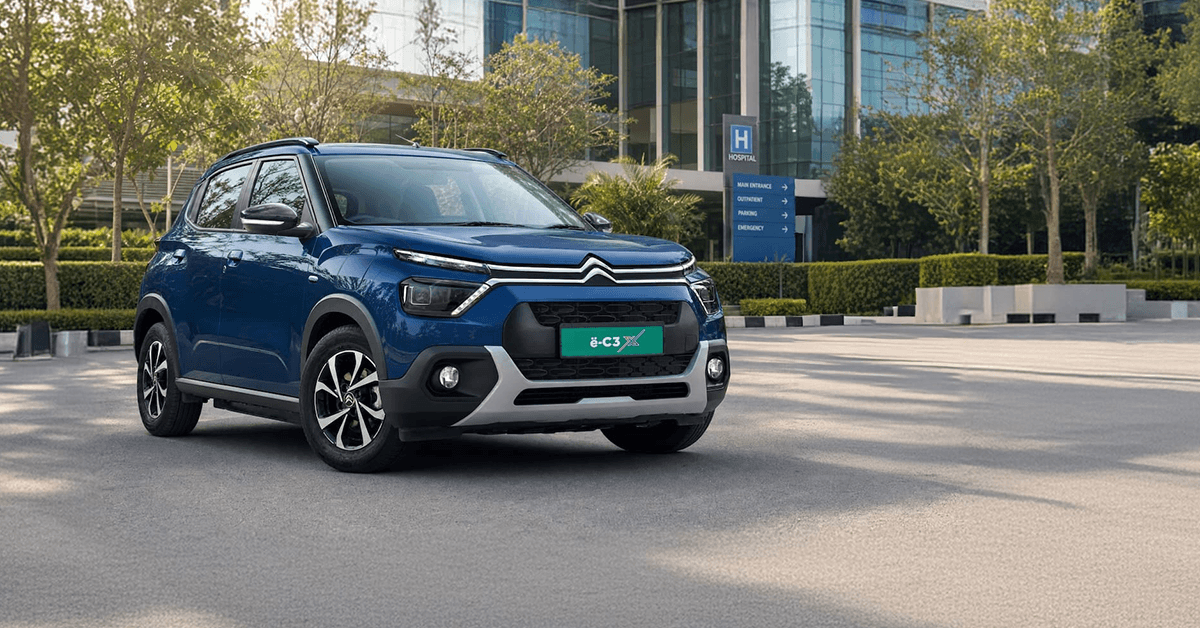
The eC3, now sold as the eC3X after its 2026 update, is priced a step above the other three, but it makes up for that with cabin space and a genuinely comfortable ride quality on longer routes. All variants share the same 29.2 kWh battery and a front-mounted motor making 57 hp and 143 Nm of torque, enough for relaxed highway cruising rather than quick city sprints.
Inside, you get a 10.25-inch touchscreen, a 7-inch digital driver display, a wireless phone charger, and an optional 6-speaker JBL sound system with a built-in dashcam. Top variants come with six airbags, though lower trims make do with four. DC fast charging takes 57 minutes to go from 10 to 80 percent, slower than its rivals, so plan your charging stops if you’re taking this one out of town.
Why Should You Choose an EV Over a Petrol Car in 2026?
Electric car prices are becoming cheaper because car makers now produce batteries locally in India. Government subsidies and reduced GST rates of just 5% on EVs (compared to 28% on petrol cars) help keep prices down. Innovative buying options like Battery-as-a-Service (BaaS) let you pay only for the car body upfront while renting the battery per kilometer driven.
- Massive Monthly Fuel Savings: A typical 30 km daily commute costs around Rs 1,000 per month on home electricity, whereas petrol costs over Rs 6,500.
- Cheaper Maintenance: EVs have fewer moving parts. There is no engine oil, radiator coolant, clutch plate, or fuel filter to service.
- Smooth and Silent Drive: With no engine vibration and no manual gear shifts, driving in heavy traffic feels relaxing and fatigue-free.
- Government Incentives and Tax Breaks: Many Indian states offer road tax waivers, registration fee exemptions, and dedicated green license plate perks for EVs.
What makes affordable EVs so popular in India?
You don’t need a luxury budget to enter the EV market anymore. Small EVs can make sense if your daily drive is mostly within the city. The biggest attraction is running cost. You charge at home, avoid regular petrol or diesel stops, and get a smooth drive with no traditional gear changes. But don’t buy an EV based only on the biggest range number printed in a brochure. Your actual range will change with speed, air-conditioning, traffic, passengers, tyre pressure and road conditions. That difference is important. For example, Tata’s new Punch EV 40 kWh has a 468 km ARAI range, while Tata gives a C75 real-world figure of around 355 km.
How to Charge Your Electric Car at Home and on the Road
Charging an electric car is as simple as charging your smartphone:
- Home 15A Socket: Plug your car into any standard 3-pin household wall socket using the portable charger provided with the vehicle. It takes 7 to 10 hours to reach full charge overnight.
- Home AC Wallbox (3.3 kW to 7.2 kW): Most car makers install a dedicated wallbox charger at your home for free or a nominal fee, which fully charges your car in 3.5 to 6 hours.
- Public DC Fast Chargers: Apps like Tata Power EZ Charge, Jio-bp pulse, and Kazam let you locate DC fast chargers across major highways and malls. These top up your battery from 10% to 80% in 35 to 55 minutes.
Why Is The Battery-As-A-Service (BaaS) Plan Such A Big Deal?
Here’s something a lot of first-time buyers get confused about. The Rs 4.69 lakh price tag you see for the Tiago EV isn’t the full car cost. It’s the BaaS price, where Tata rents you the battery separately instead of selling it with the car. You pay around Rs 2.6 per km for battery use on top of that.
Think of it like a mobile phone plan. You buy the handset cheap, then pay monthly for data. It works the same way here, except your “data” is the electricity stored in the battery pack. If you drive a lot every month, do the math first. Heavy daily users sometimes end up paying more over three years under BaaS than they would with a straight purchase.
Real Owner Experiences
“I bought the Tata Tiago EV for my daily 45 km office drive in Bengaluru. My monthly running cost dropped from Rs 7,200 on my old petrol car to just Rs 850 on my home electricity bill. The AC is ice-cold, and city traffic feels effortless.”
— Ramesh K., Bengaluru (Tiago EV Owner, 18,000 km completed)
“Our family needed a second car for city errands and grocery runs. The MG Comet EV fits into any small parking spot in Lajpat Nagar. We charge it once every 4 days on a standard wall plug.”
— Pooja Mehra, New Delhi (MG Comet EV Owner, 9,500 km completed)
Conclusion
Affordable EVs are no longer a dream for Indian families. With prices starting as low as Rs 4.69 Lakh for the Tata Tiago EV and impressive driving ranges reaching up to 421 km in the Tata Punch EV, making the switch to green mobility is practical and smart. You save thousands of rupees on petrol every month while enjoying a smooth, silent, and feature-packed drive. Test drive your favorite budget EV at a local dealership near you to experience the future of family driving today.
FAQs About Affordable EVs
Is the Tata Tiago EV priced at 4.69 lakh?
Yes. Under the Battery-as-a-Service (BaaS) plan, the Tata Tiago EV starts at an upfront vehicle price of Rs 4.69 Lakh. You then pay a nominal monthly battery usage fee based on the kilometers you drive (starting at Rs 2.60 per km). If you choose to buy the car along with the battery outright, standard ex-showroom prices start at Rs 6.99 Lakh.
What is the price of an electric car with a 400 km range?
The most affordable electric car offering over 400 km of claimed range is the Tata Punch EV Long Range, which starts at Rs 6.49 Lakh under the BaaS model or Rs 9.69 Lakh standard ex-showroom. It delivers an ARAI-certified range of up to 421 km on its 35 kWh battery pack.
Which is India’s no. 1 EV?
Tata Motors is the number 1 electric vehicle manufacturer in India, controlling more than 65% of the passenger EV market share. The Tata Nexon EV and Tata Tiago EV are the highest-selling EVs across the country.
Can I charge my EV using a regular home plug?
Yes. Every electric car sold in India comes with a portable charging cable that connects to any standard 15-Amp household 3-pin socket, exactly like the ones used for your refrigerator or geyser.
How long does an electric car battery last?
Modern EV batteries use lithium iron phosphate (LFP) or advanced nickel chemistry designed to last 1,500 to 2,000 full charging cycles, which equals 8 to 10 years of typical driving. Most manufacturers provide an 8-year or 1,60,000 km battery warranty.
Is maintenance cost really lower on an electric car?
Yes. EV service costs are typically 60% to 70% cheaper than petrol or diesel vehicles because there are no engine oil changes, spark plug replacements, timing belts, or complicated exhaust systems to maintain.

Rate This Article
Be the first to rate this article
Thanks for rating!
All Car Brands
View all brands →
















More Updates
Handpicked Accessories for Every Journey
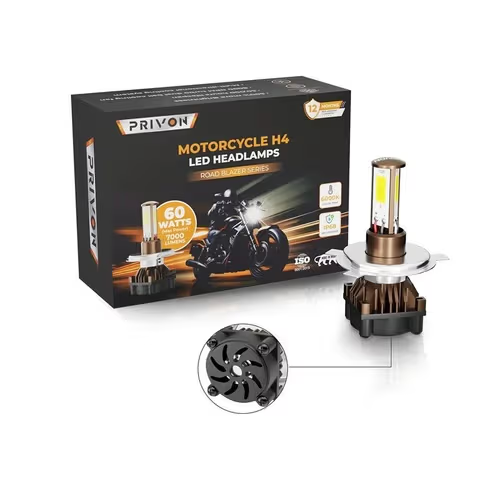
PRIVON 60W H4 LED Headlight for Bike – 7000L, 6000K White LED Light for Night Ride
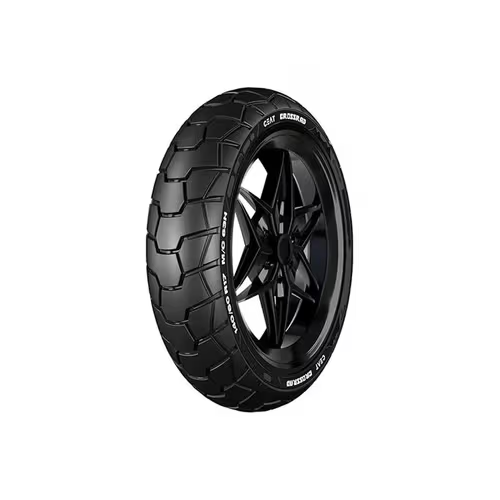
Ceat Zoom Rad 140/60 R17 63P Tubeless Bike Tyre

ShineXPro Helmet Cleaner & Microfiber Cloth – Anti Bacterial Foaming Helmet Cleaning Spray
Universal Front Fender Mudguard Extender Extension Fits for Motorcycle

Boldfit Full Face Helmet Mask for Bikers in Riding UV Protected

Neodrift JungleMax Bike Cover for Harley-Davidson X440
Wisely Pack 2 Screen Guard for Harley Davidson X440T Bike – Instrument Cluster Accessories
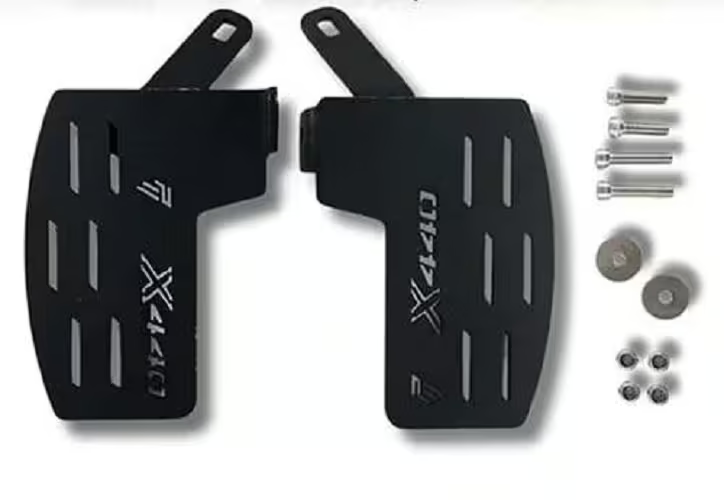
PHANTOM Premium Adjustable Footrest for Harley – Motorcycle Accessory for Touring & City Riding
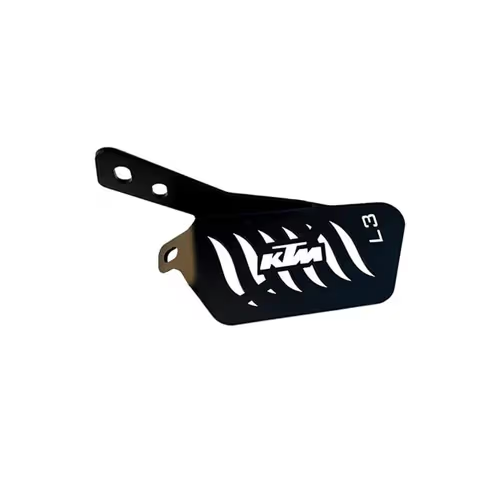
L3 MODZ Ladies Foot Rest for KTM Duke (BS6 Gen2) Models
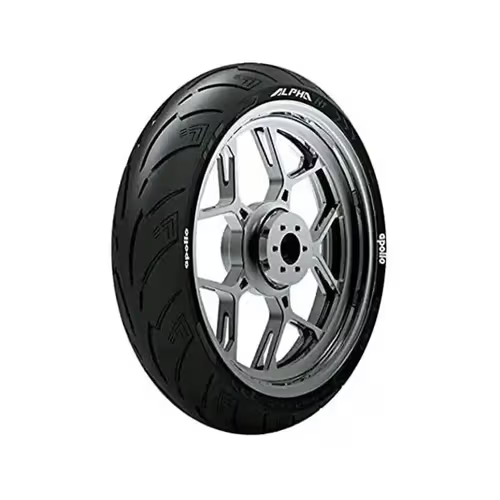
Apollo Alpha S1 130/70 R17 62H Radial Tubeless Bike Tyre
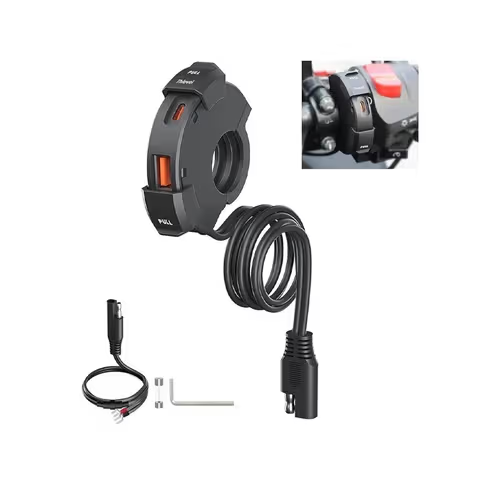
30W Motorcycle Type-C USB Phone Charger with PD & Quick Charge
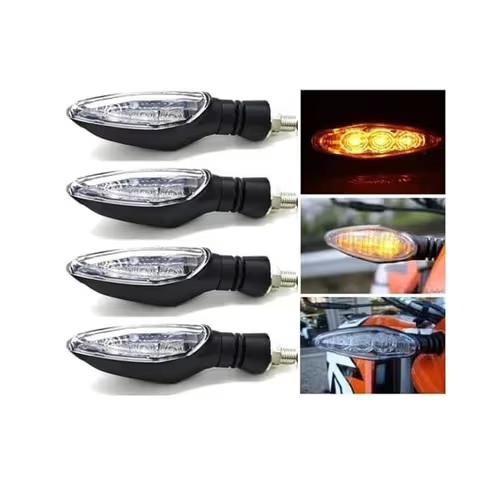
ELTRON TURBO Turn Signal Indicator Lights Compatible for KTM
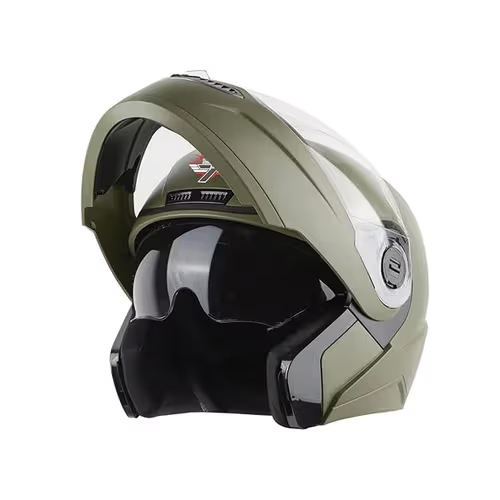
Steelbird SBA 7 7Wings Flip-Up Helmet for Men with Skull Cap
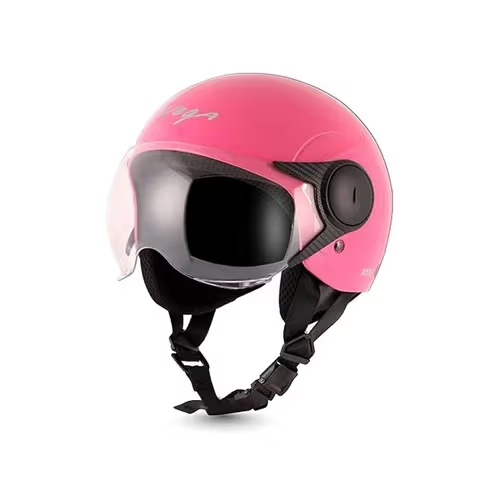
Vega Atom Open Face Helmet with Clear Visor, Black
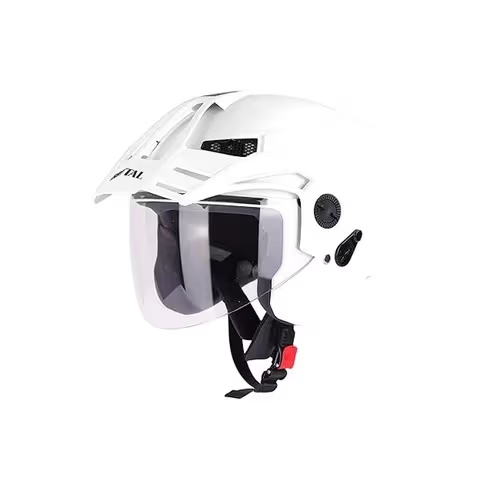
Steelbird SBH-23 Brutal Open Face Helmet with Skull Cap
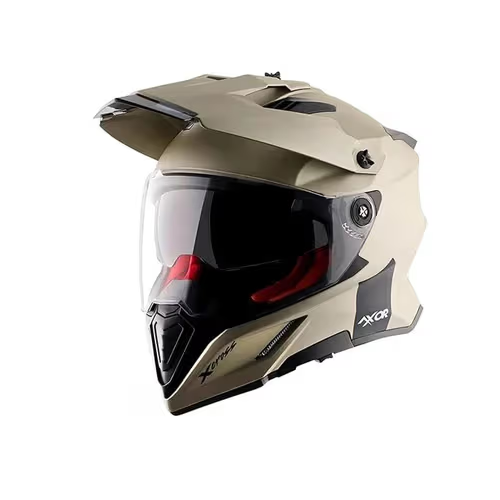
Axor X Cross Dual Visor Full Face Off-Road Helmet – Dull Black Orange

Probiker Protective Full Finger Bike Riding Gloves – Motorcycle, Cycling, and Hiking

XTRIM Protekt Universal Bike Riding Gloves for Men – Black, Red

Rynox Air GT Leather Motorcycle Riding Gloves – Cuff Length | Grey Red

BADOWL RYDON Knuckle Protection Riding Gloves – Touchscreen Sports Gloves

Microfiber Car Duster with Long Handle Cleaning Brush

Robustt Car Interior Cleaning Brush Combo – Scratch Free Car Duster

ORJILO 5-Piece Microfiber Car Duster Kit – Extendable Long Handle Duster for Car

ShineXPro Microfiber Car Cleaning Cloth (500 GSM, Extra Large (35×75 CM))

Wavex Tyre Polish for Car & Bike (1L) – With Applicator and Microfiber Cloth

ShineXPro Glass Cleaner Spray (300 ml) – Streak Free Car Glass Cleaner Liquid
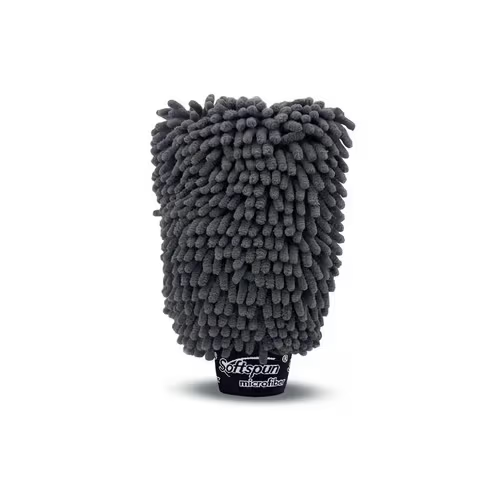
SOFTSPUN Microfiber Chenille Wash Mitt (1700 GSM)
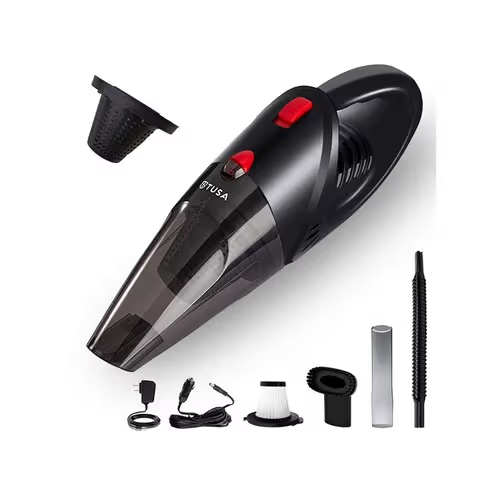
Tusa V1 Cordless Vacuum Cleaner for Car – High Power Portable Lightweight Wireless Vacuum

SOFTSPUN Microfiber Cloth (40×40 cm, 340 GSM) – Automotive Microfibre Towels for Car

SEZNIK 4-in-1 Cordless Vacuum Cleaner & Blower

GOODAIR Royal Premium Non-Electric Car Air Purifier
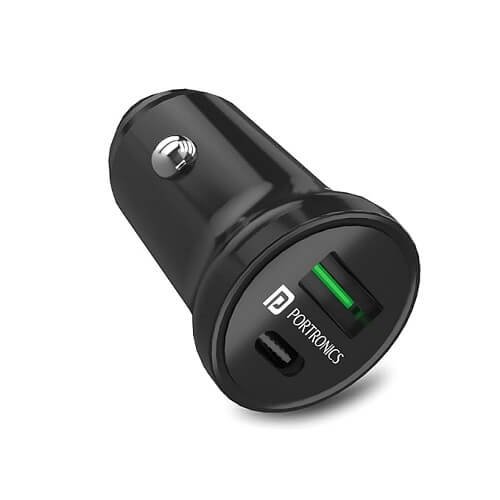
Portronics 38W Dual Output Fast Car Charger with 20W Type-C PD & 18W USB with Cars for iPhone

AutoBizarre High Gloss Carbon Fibre Paint Protection For Car

APPUCOCO Mini Car Trash Bin – Black
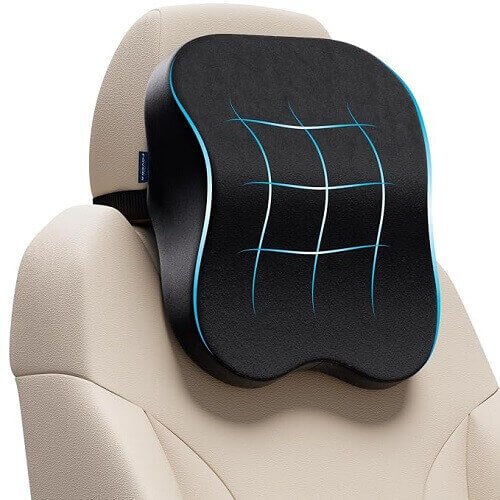
FOVERA Memory Foam Car Neck Rest Pillow – Medium, Black
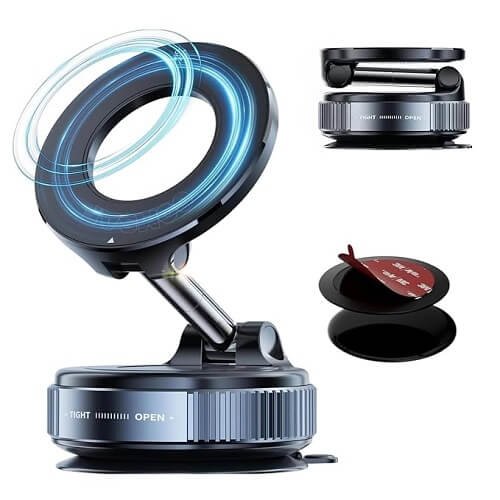
360° Vacuum Magnetic Car Phone Mount – Strong Suction Cup Phone Holder for Car
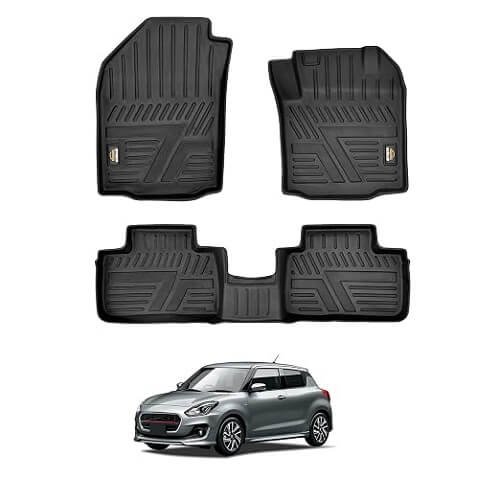
Amazon Basics 5D Custom Fit Car Floor Mats for Swift Facelift
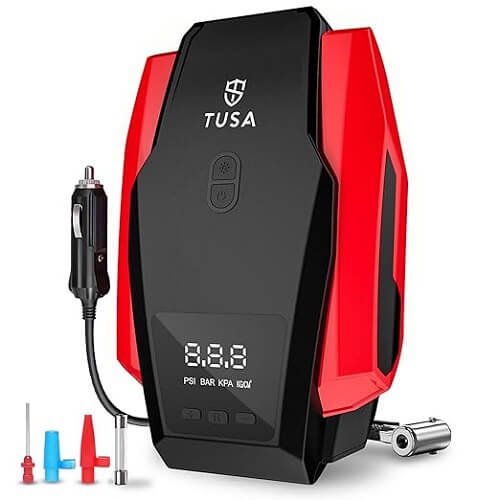
TUSA Drive X 12V DC Portable Tyre Inflator – 150 PSI, Air Compressor
![Qubo Dashcam Pro 4K [2026 Edition] – Dual Channel | ADAS | Ultra-Wide 8MP UHD+ Front, 2MP FHD Rear](https://neudeals.co/wp-content/uploads/2026/09/Qubo-Dashcam-Pro-4K-Sensor.jpg)
Qubo Dashcam Pro 4K [2026 Edition] – Dual Channel | ADAS | Ultra-Wide 8MP UHD+ Front, 2MP FHD Rear
Oowah EX Electric Scooter – Removable Lithium-ion Battery , Laguna Blue
BG C12i EX Gen 2 Electric Scooter – Removable 2.0 kWh LFP Battery, 60 km/h Top Speed
EOX OKO Electric Scooter – Removable Lithium Battery, 40-50 km Long-Range
EOX OLO Low Speed Electric Scooter – 45Km Mileage, Pastel Yellow & Black
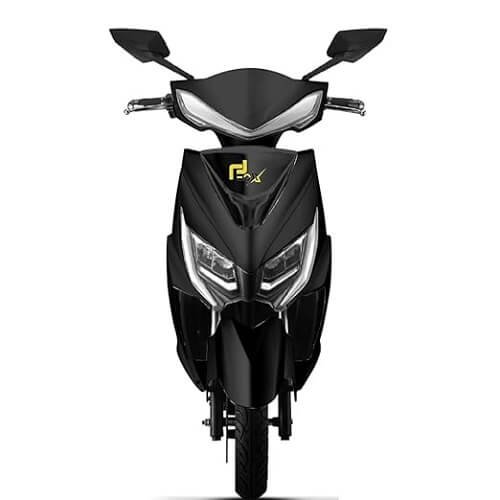
EOX E2 Low Speed Electric Scooter – 60-70Km Range, Portable Lithium Battery
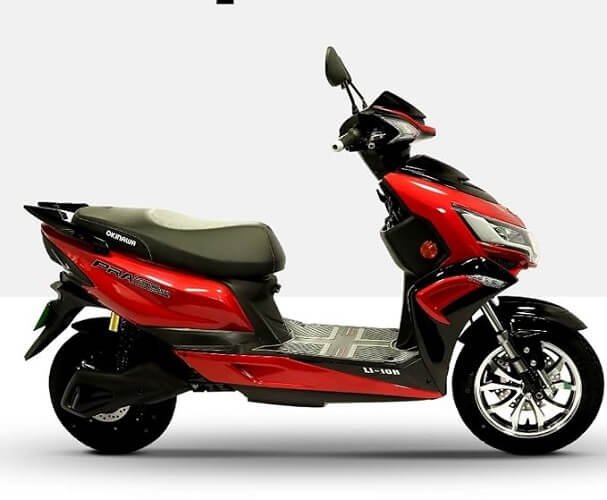
Okinawa Praise PRO Electric Scooter – Li-Ion Battery
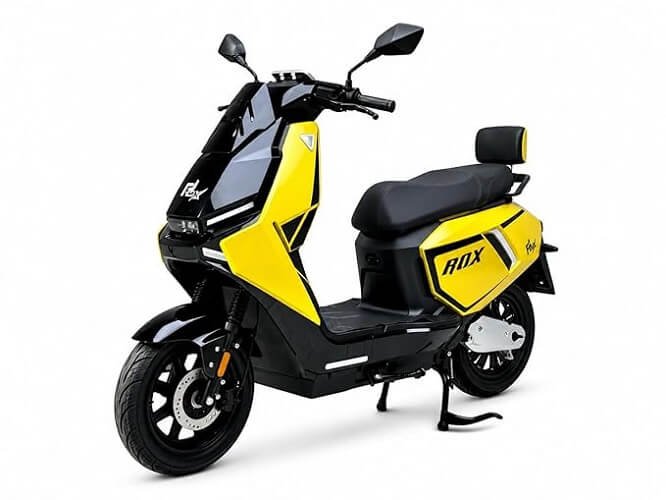
EOX® ROX Electric Scooter – 48V Removable Lithium Battery, 50-60 km Long-Range
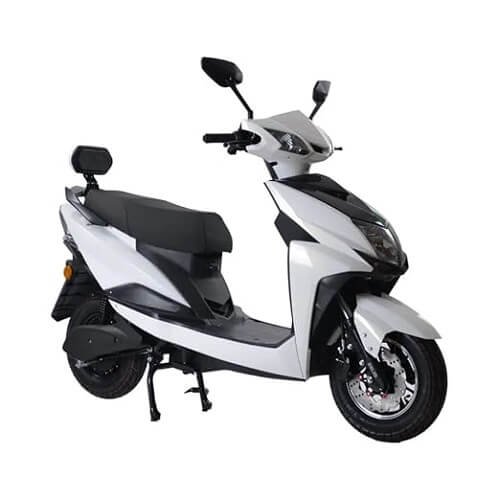
MIOOX Electric Scooter – 51.8V 28AH Range 55-65km Front Disc
AMO Low Speed Electric Scooter – 60-70 Km Range in Grey
AMO Jaunty 3W Low-Speed Electric Scooter – Blue and Black
Bajaj Chetak C2501 Electric Scooter – Glossy Active Black
Bajaj Chetak C3501 Electric Scooter – Brooklyn Black
Royal Enfield Classic 350 with Disc & Alloy Wheels Motorcycle – Stealth Black
Royal Enfield Bullet 350 Disc & Spoke Wheel Motorcycle – Battalion Black
Royal Enfield Hunter 350 with Disc & Alloy Wheels Motorcycle – Dapper Grey
Hero MotoCorp Passion+ i3S Drum – Black Heavy Grey
Hero MotoCorp XTREME 125R Bike(ABS) – Stallion Black
Hero MotoCorp HF Deluxe Drum – Black Grey
Hero MotoCorp XTREME 125R FI ABS SEAT DS (OBD2B) Motorcycles – Black
Bajaj Avenger 220 Cruise Motorcycle – Moon White
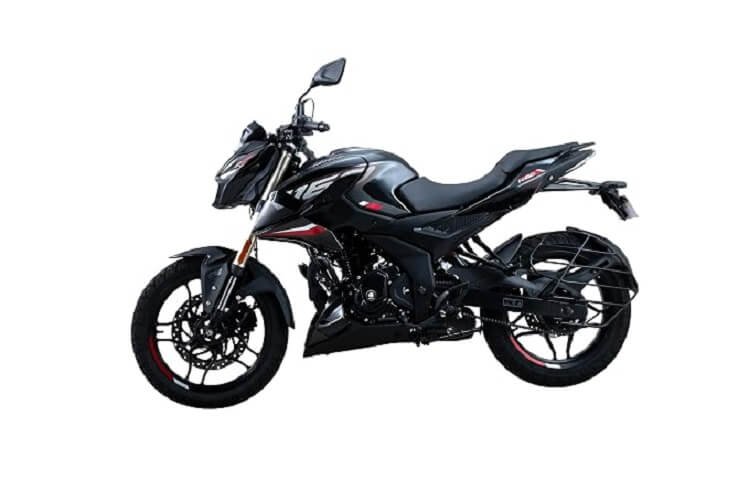
Bajaj Pulsar N 160 Ug Motorcycle – Brooklyn Black
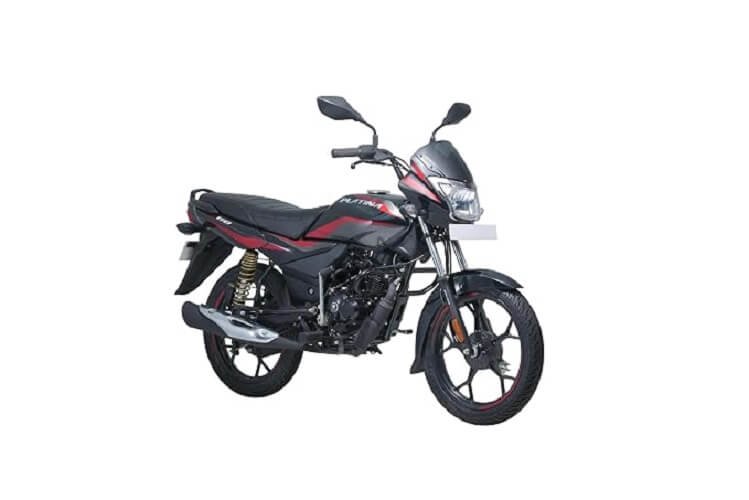
Bajaj Platina 110 Es Drum Motorcycle – Black Red
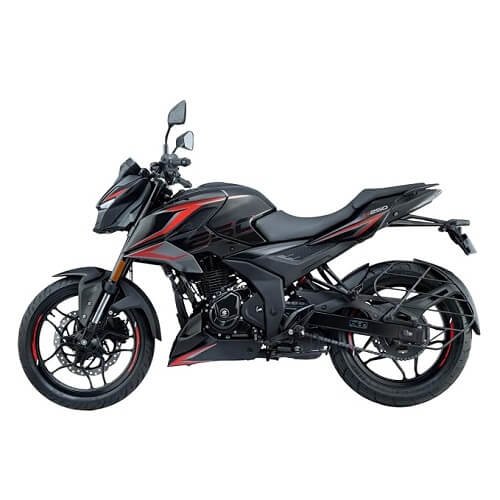
Bajaj Pulsar N 250 Ug Motorcycle – Brooklyn Black
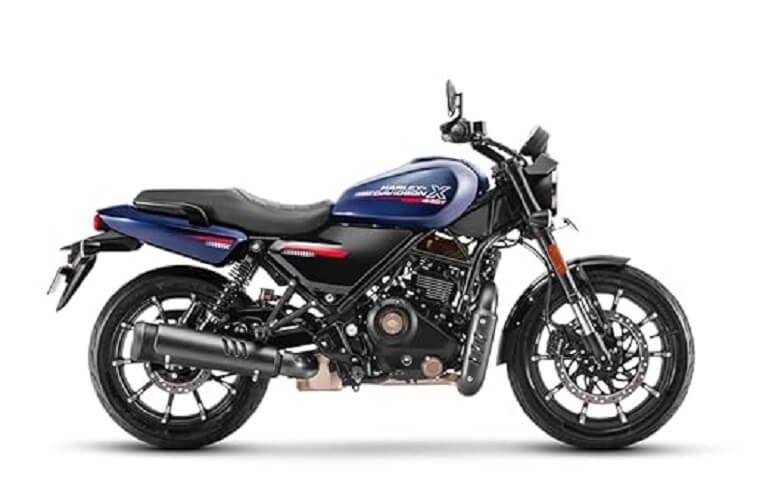
Harley Davidson X440 T 440cc Motorcycle – Pearl Blue
Harley Davidson X440 S 440cc Motorcycle – Matte Black
Harley Davidson X440 Vivid 440cc Motorcycle – Metallic Thick Red
Harley Davidson X440 T 440 CC Motorcycle – Pearl Red
KTM Duke 200 PRO Bike – Dark Galvano Black
KTM Duke 390 R Bike – Electronic Orange
KTM Adventure X 390 Bike – Orange
KTM Adventure 250 Bike – White
As an Amazon Associate, Neu Auto earns from qualifying purchases. When you purchase through one of the Amazon links above, Neu Auto may receive a commission at no additional cost to you.