


Real-world fuel economy is the mileage you can actually expect from your car during everyday driving, rather than the laboratory-tested figure shown by the manufacturer. Your results can vary significantly depending on traffic, driving style, road conditions, weather, vehicle load, tyre pressure, and how often you use the air conditioner.
When you compare cars, treat the official fuel-economy figure as a useful benchmark—not a guarantee. In day-to-day testing and ownership, the most meaningful number is what you achieve over several tanks of fuel in the conditions you normally drive. A petrol, diesel, hybrid, or turbocharged engine can all deliver different results from their certified figures once real traffic, frequent acceleration, passengers, and mixed road conditions enter the equation.
What Is Real-World Fuel Economy?
Real-world fuel economy is the mileage your car actually delivers during normal driving. Instead of relying only on laboratory test figures, you look at how many kilometres you get from each litre of fuel during your daily trips.
For example, a car rated at 20 km/l may return around 14 to 17 km/l in heavy city traffic. On an open highway at a steady speed, you may see a higher figure. Your result will vary based on the engine, gearbox, traffic, air-conditioning use, road conditions, and driving style.
How Is Real-World Fuel Economy Different From Official Mileage?
Official figures are produced using standardized testing conditions designed to make vehicles comparable. Real-world fuel economy reflects how you actually use the car.
Your mileage can be affected by:
- Driving style: Hard acceleration, high speeds, and frequent braking generally increase fuel consumption.
- Traffic: Stop-start urban driving can reduce mileage compared with steady highway cruising.
- Air conditioning: Heavy AC use can increase energy consumption, particularly in hot weather.
- Vehicle load: Passengers, luggage, and additional equipment add weight.
- Tyre pressure: Incorrect tyre pressure can increase rolling resistance and reduce efficiency.
- Road conditions: Hills, poor surfaces, congestion, and repeated short trips can lower fuel economy.
- Engine temperature: Frequent short journeys may prevent the engine from operating at its most efficient temperature.
Why Is Real-World Mileage Lower Than the Official Figure?
Official figures are produced under controlled testing conditions. Your daily commute is rarely that predictable.
You can see lower mileage because of:
- Stop-and-go traffic
- Frequent hard acceleration
- High-speed driving
- Long periods of engine idling
- Heavy use of the air conditioner
- Low tyre pressure
- Carrying extra passengers or luggage
- Poor road conditions
- Short trips where the engine does not reach its ideal operating temperature
What Real-World Fuel Economy Should You Expect?
There is no single percentage that applies to every vehicle. However, you should expect your everyday result to differ from the official figure. Instead of relying on one test drive, check owner-reported results, independent road tests, and long-term reviews covering similar driving conditions.
For a more accurate comparison, look for results from:
- City driving – useful if most of your trips involve congestion and short journeys.
- Highway driving – helpful if you regularly travel at steady speeds.
- Mixed driving – usually the most relevant benchmark for everyday ownership.
- Long-term testing – gives you a better picture than a single fuel-economy run.
How Can You Improve Real-World Fuel Economy?
You can often improve your mileage without changing the vehicle. Focus on smoother, more predictable driving rather than constantly accelerating and braking.
- Maintain the recommended tyre pressure.
- Avoid unnecessary idling.
- Remove heavy items you do not need to carry.
- Accelerate progressively and anticipate traffic.
- Use cruise control where road conditions make it appropriate.
- Keep up with scheduled engine and vehicle maintenance.
- Combine short trips when practical.
- Avoid excessive speeds, especially on highways.
Real-World Fuel Economy vs. Window Sticker: Tested Variance
| Vehicle Powertrain Type | Official EPA Combined | Typical Real-World Fuel Economy | Real-World Variance |
| 1.5L Turbo Compact | 35 MPG | 29 – 31 MPG | -11% to -17% |
| 2.5L Hybrid Crossover | 40 MPG | 36 – 38 MPG | -5% to -10% |
| 3.5L Twin-Turbo Full-Size Truck | 20 MPG | 15 – 17 MPG | -15% to -25% |
Final Verdict
If fuel costs matter to you, real-world fuel economy should carry more weight than the headline official mileage figure. Compare multiple independent tests, consider your normal driving environment, and use long-term owner data where available. That approach gives you a much more realistic idea of what you will spend on fuel after you buy the car.

Rate This Article
Be the first to rate this article
Thanks for rating!
All Car Brands
View all brands →
















More Updates


Handpicked Accessories for Every and Journey
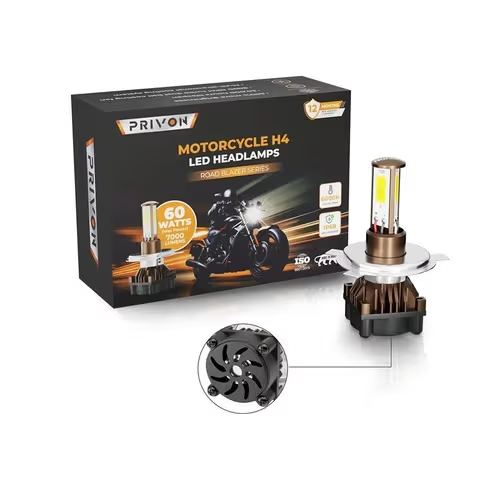
PRIVON 60W H4 LED Headlight for Bike – 7000L, 6000K White LED Light for Night Ride
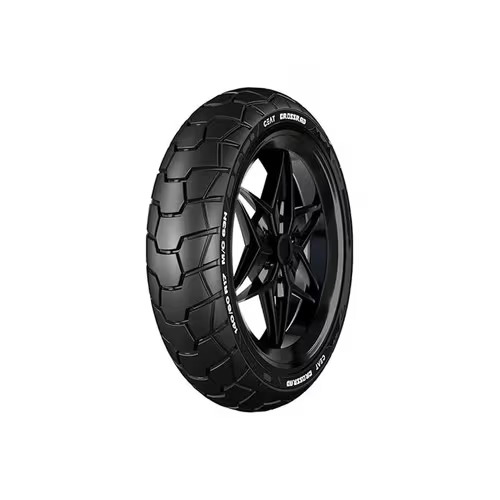
Ceat Zoom Rad 140/60 R17 63P Tubeless Bike Tyre
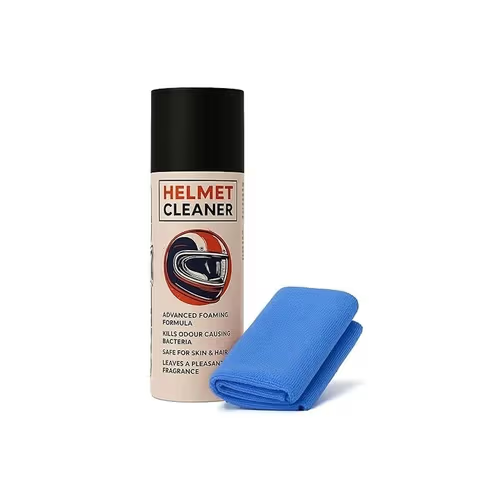
ShineXPro Helmet Cleaner & Microfiber Cloth – Anti Bacterial Foaming Helmet Cleaning Spray
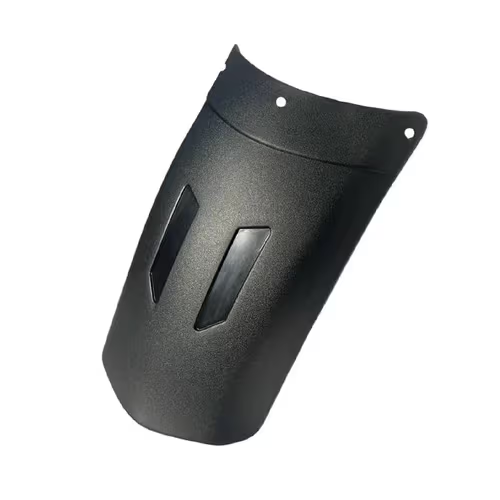
Universal Front Fender Mudguard Extender Extension Fits for Motorcycle

Boldfit Full Face Helmet Mask for Bikers in Riding UV Protected
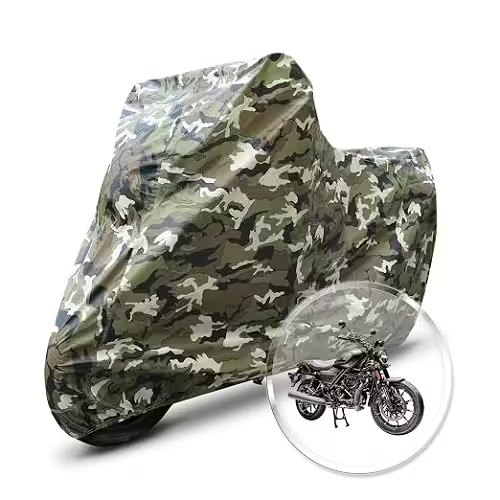
Neodrift JungleMax Bike Cover for Harley-Davidson X440
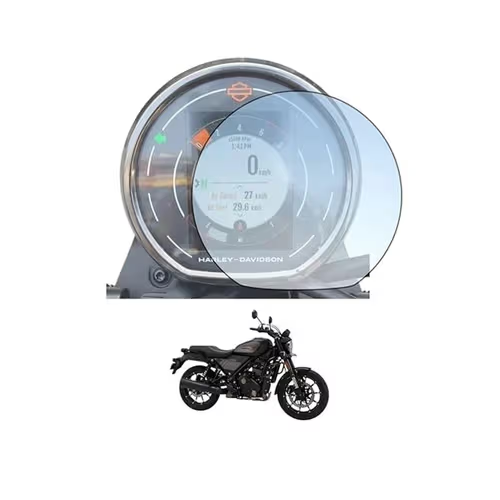
Wisely Pack 2 Screen Guard for Harley Davidson X440T Bike – Instrument Cluster Accessories
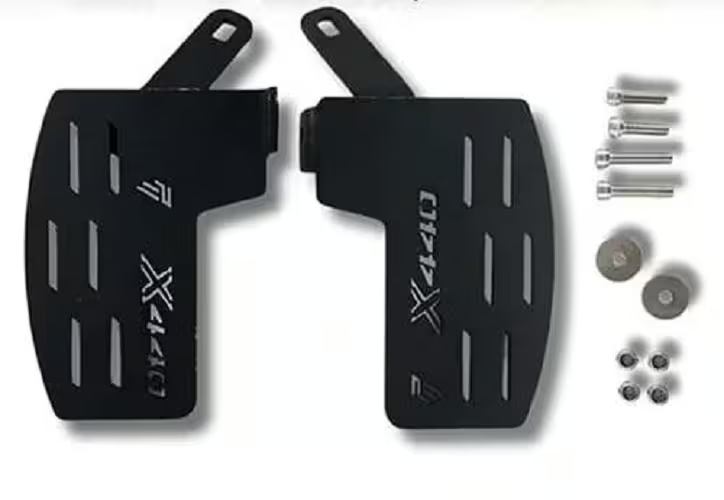
PHANTOM Premium Adjustable Footrest for Harley – Motorcycle Accessory for Touring & City Riding
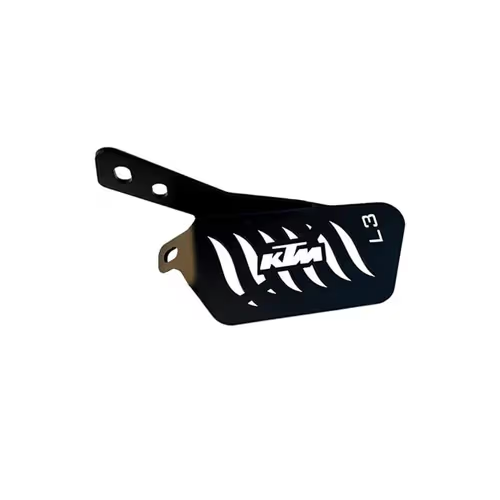
L3 MODZ Ladies Foot Rest for KTM Duke (BS6 Gen2) Models
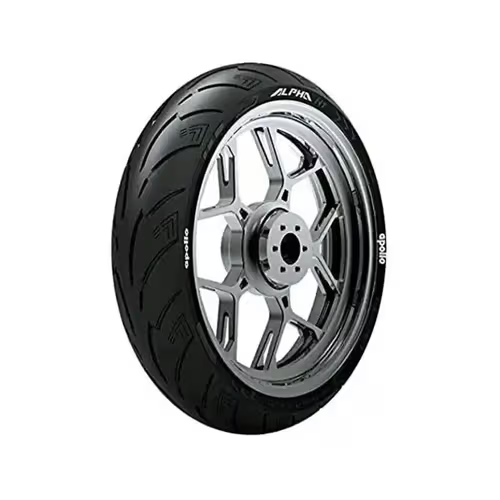
Apollo Alpha S1 130/70 R17 62H Radial Tubeless Bike Tyre
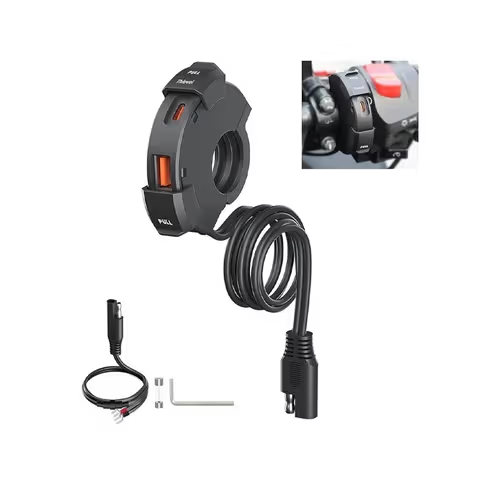
30W Motorcycle Type-C USB Phone Charger with PD & Quick Charge
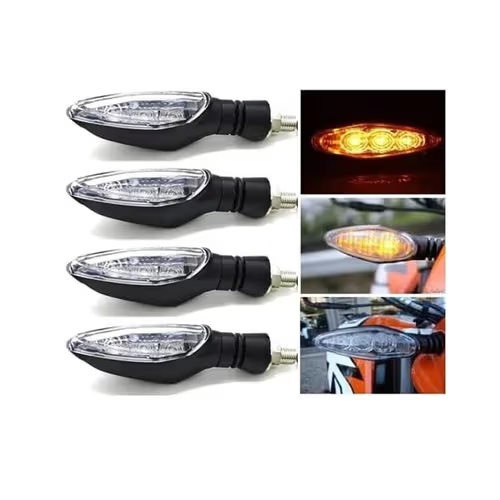
ELTRON TURBO Turn Signal Indicator Lights Compatible for KTM
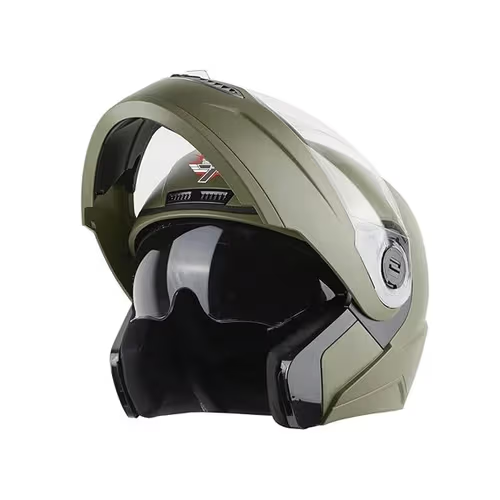
Steelbird SBA 7 7Wings Flip-Up Helmet for Men with Skull Cap
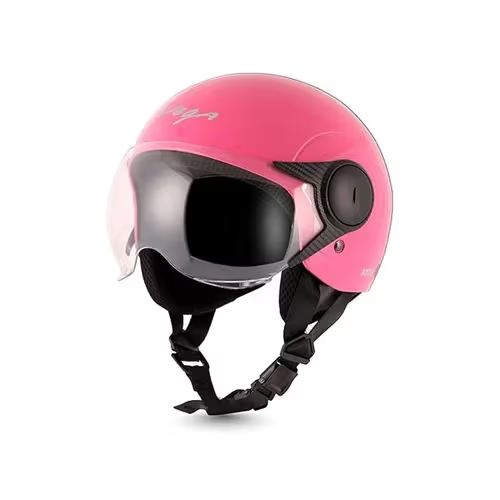
Vega Atom Open Face Helmet with Clear Visor, Black
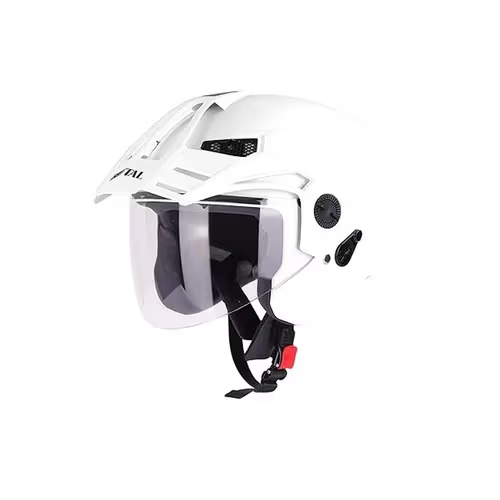
Steelbird SBH-23 Brutal Open Face Helmet with Skull Cap
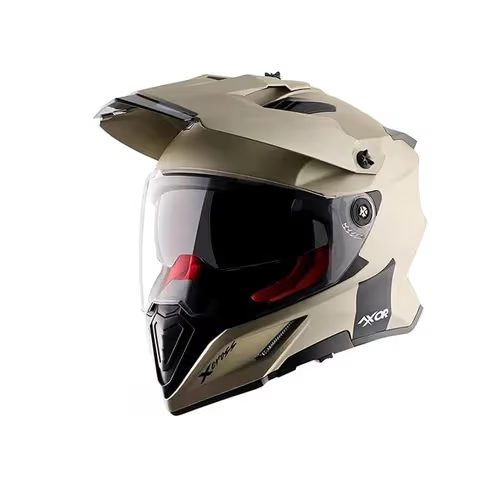
Axor X Cross Dual Visor Full Face Off-Road Helmet – Dull Black Orange

Probiker Protective Full Finger Bike Riding Gloves – Motorcycle, Cycling, and Hiking

XTRIM Protekt Universal Bike Riding Gloves for Men – Black, Red

Rynox Air GT Leather Motorcycle Riding Gloves – Cuff Length | Grey Red

BADOWL RYDON Knuckle Protection Riding Gloves – Touchscreen Sports Gloves

Microfiber Car Duster with Long Handle Cleaning Brush

Robustt Car Interior Cleaning Brush Combo – Scratch Free Car Duster

ORJILO 5-Piece Microfiber Car Duster Kit – Extendable Long Handle Duster for Car

ShineXPro Microfiber Car Cleaning Cloth (500 GSM, Extra Large (35×75 CM))
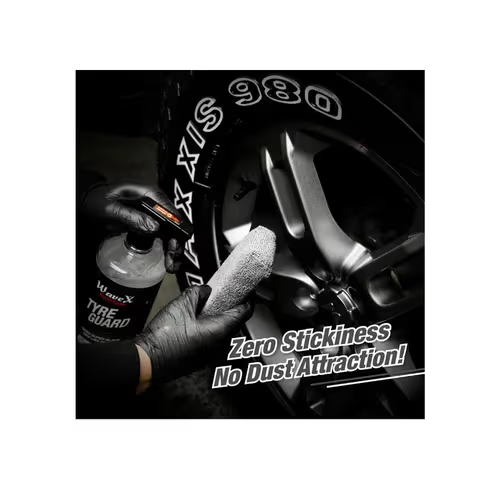
Wavex Tyre Polish for Car & Bike (1L) – With Applicator and Microfiber Cloth

ShineXPro Glass Cleaner Spray (300 ml) – Streak Free Car Glass Cleaner Liquid
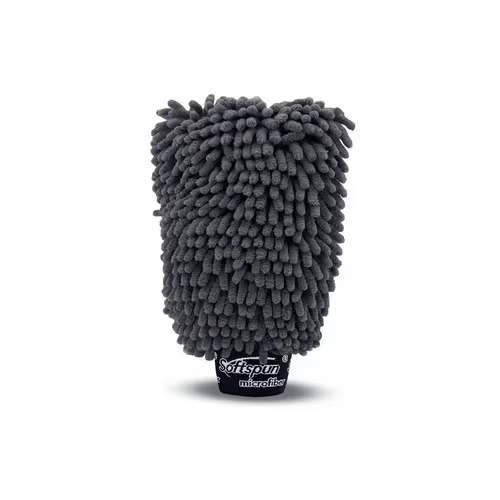
SOFTSPUN Microfiber Chenille Wash Mitt (1700 GSM)
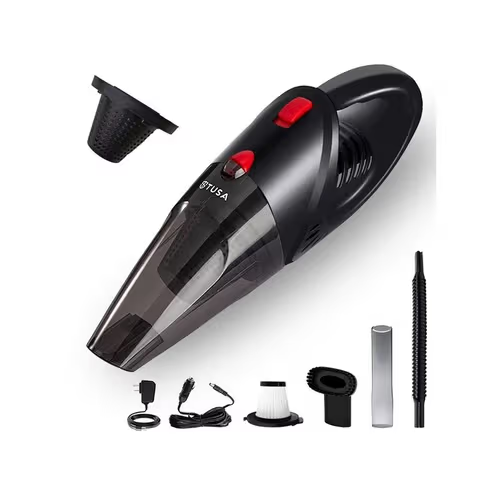
Tusa V1 Cordless Vacuum Cleaner for Car – High Power Portable Lightweight Wireless Vacuum

SOFTSPUN Microfiber Cloth (40×40 cm, 340 GSM) – Automotive Microfibre Towels for Car
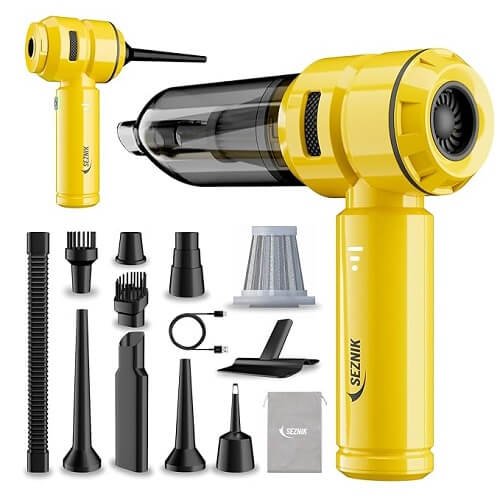
SEZNIK 4-in-1 Cordless Vacuum Cleaner & Blower

GOODAIR Royal Premium Non-Electric Car Air Purifier
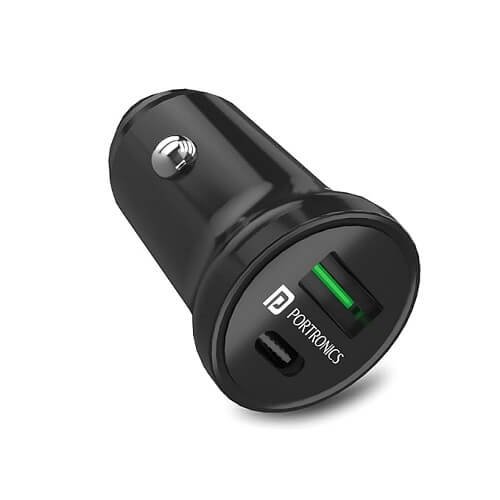
Portronics 38W Dual Output Fast Car Charger with 20W Type-C PD & 18W USB with Cars for iPhone
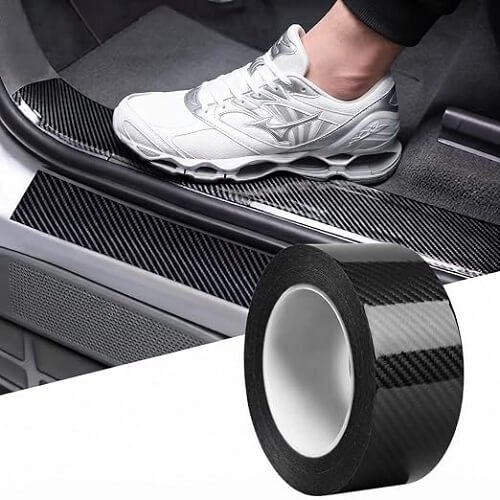
AutoBizarre High Gloss Carbon Fibre Paint Protection For Car
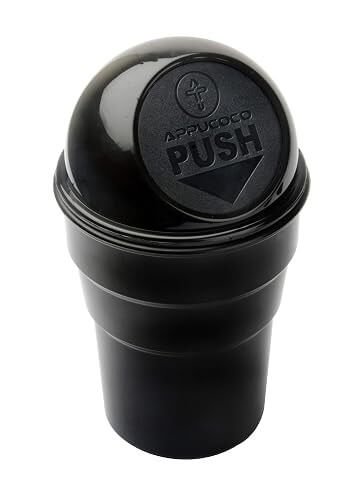
APPUCOCO Mini Car Trash Bin – Black
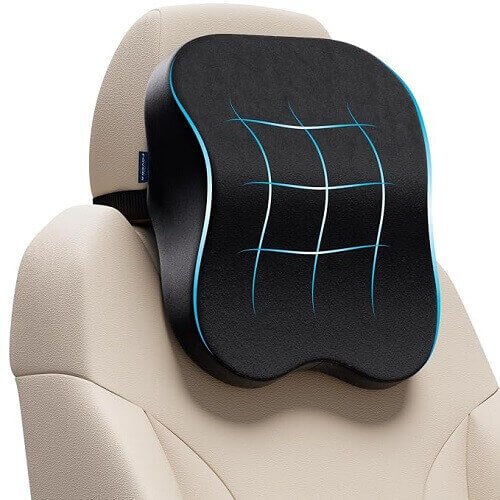
FOVERA Memory Foam Car Neck Rest Pillow – Medium, Black
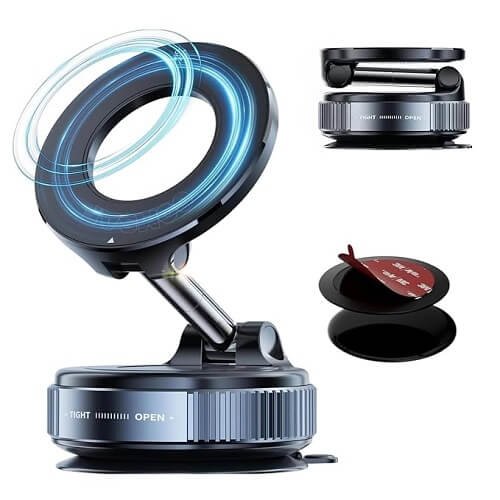
360° Vacuum Magnetic Car Phone Mount – Strong Suction Cup Phone Holder for Car
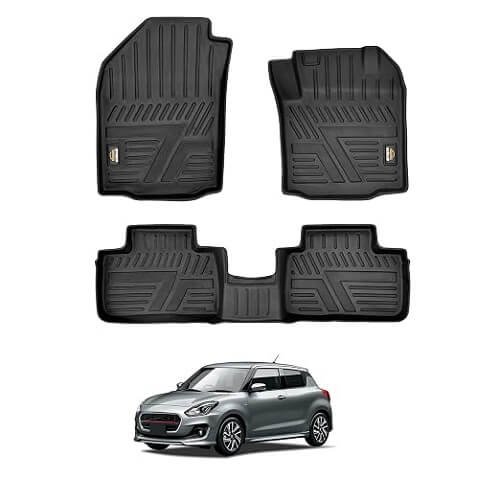
Amazon Basics 5D Custom Fit Car Floor Mats for Swift Facelift
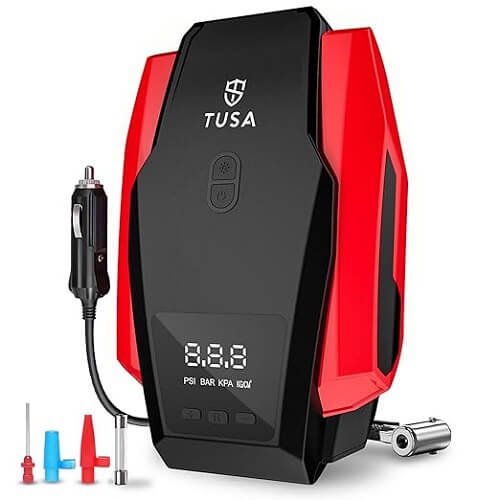
TUSA Drive X 12V DC Portable Tyre Inflator – 150 PSI, Air Compressor
![Qubo Dashcam Pro 4K [2026 Edition] – Dual Channel | ADAS | Ultra-Wide 8MP UHD+ Front, 2MP FHD Rear](https://neudeals.co/wp-content/uploads/2026/09/Qubo-Dashcam-Pro-4K-Sensor.jpg)
Qubo Dashcam Pro 4K [2026 Edition] – Dual Channel | ADAS | Ultra-Wide 8MP UHD+ Front, 2MP FHD Rear
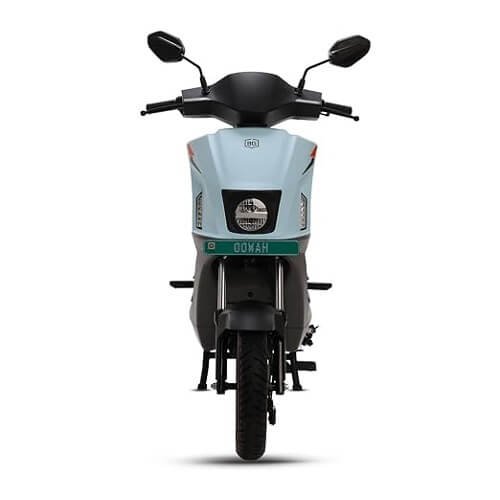
Oowah EX Electric Scooter – Removable Lithium-ion Battery , Laguna Blue
BG C12i EX Gen 2 Electric Scooter – Removable 2.0 kWh LFP Battery, 60 km/h Top Speed
EOX OKO Electric Scooter – Removable Lithium Battery, 40-50 km Long-Range
EOX OLO Low Speed Electric Scooter – 45Km Mileage, Pastel Yellow & Black
EOX E2 Low Speed Electric Scooter – 60-70Km Range, Portable Lithium Battery
Okinawa Praise PRO Electric Scooter – Li-Ion Battery
EOX® ROX Electric Scooter – 48V Removable Lithium Battery, 50-60 km Long-Range
MIOOX Electric Scooter – 51.8V 28AH Range 55-65km Front Disc
AMO Low Speed Electric Scooter – 60-70 Km Range in Grey
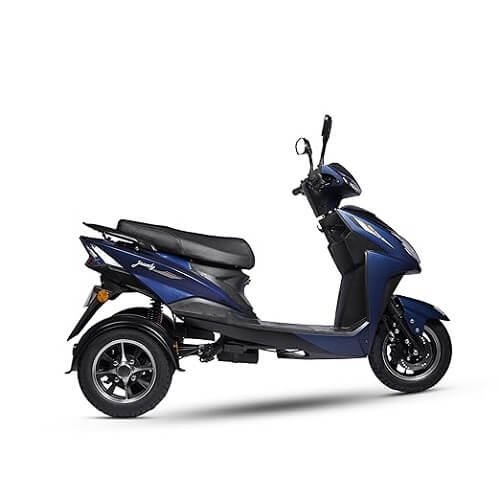
AMO Jaunty 3W Low-Speed Electric Scooter – Blue and Black
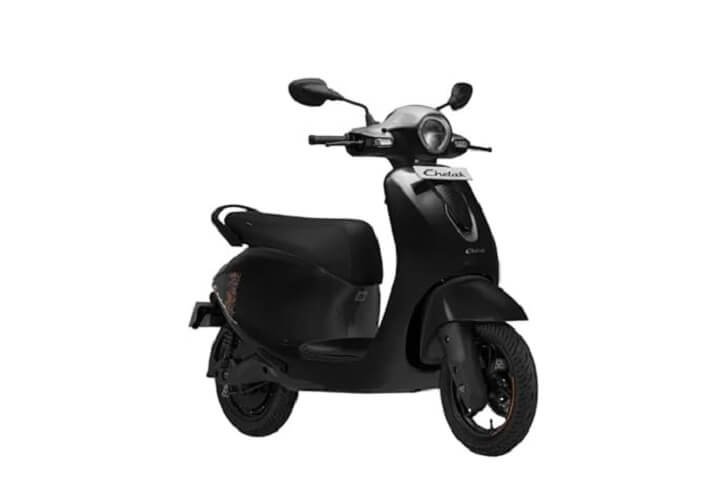
Bajaj Chetak C2501 Electric Scooter – Glossy Active Black
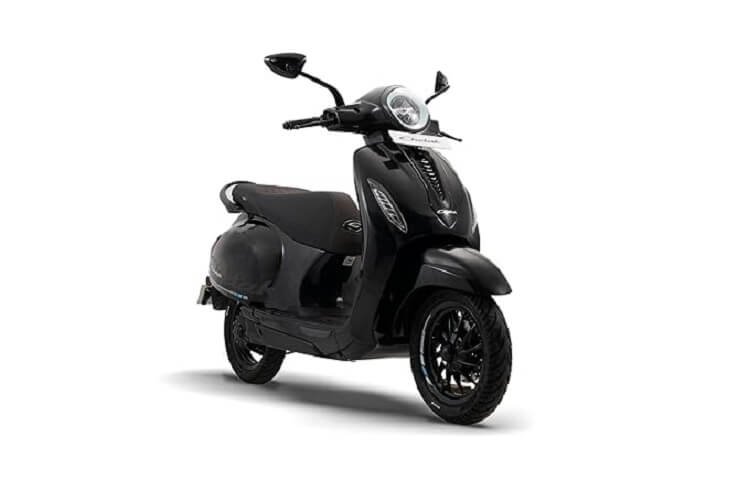
Bajaj Chetak C3501 Electric Scooter – Brooklyn Black
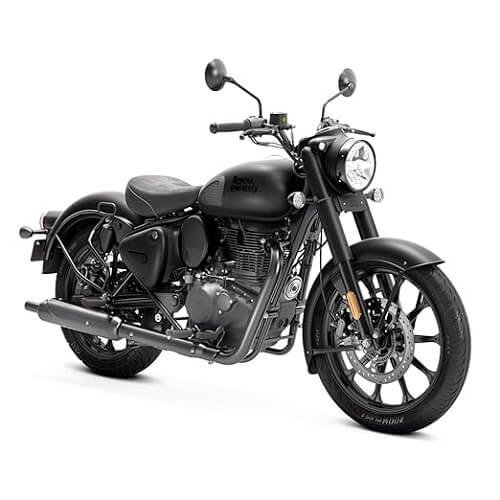
Royal Enfield Classic 350 with Disc & Alloy Wheels Motorcycle – Stealth Black
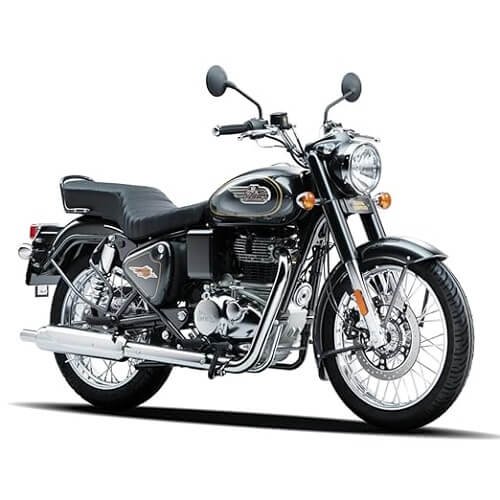
Royal Enfield Bullet 350 Disc & Spoke Wheel Motorcycle – Battalion Black
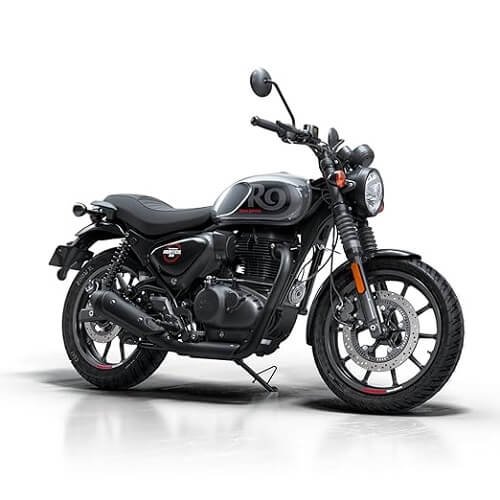
Royal Enfield Hunter 350 with Disc & Alloy Wheels Motorcycle – Dapper Grey
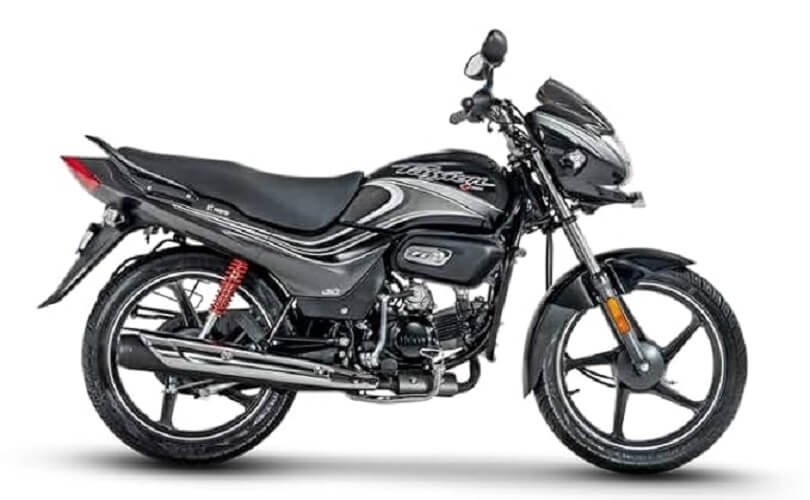
Hero MotoCorp Passion+ i3S Drum – Black Heavy Grey
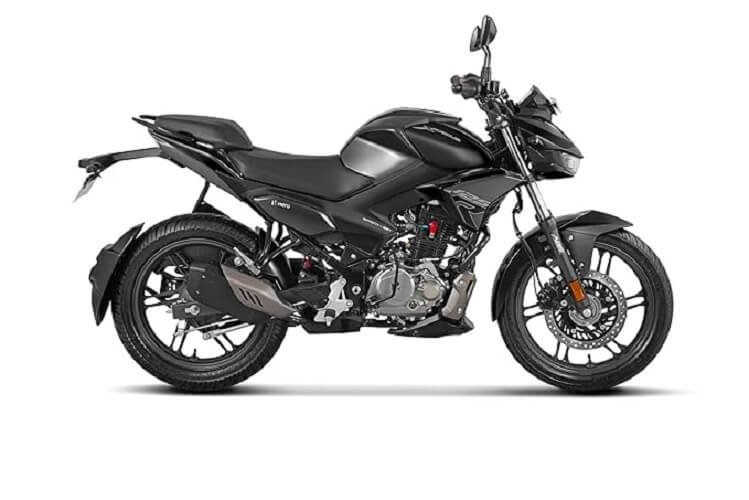
Hero MotoCorp XTREME 125R Bike(ABS) – Stallion Black
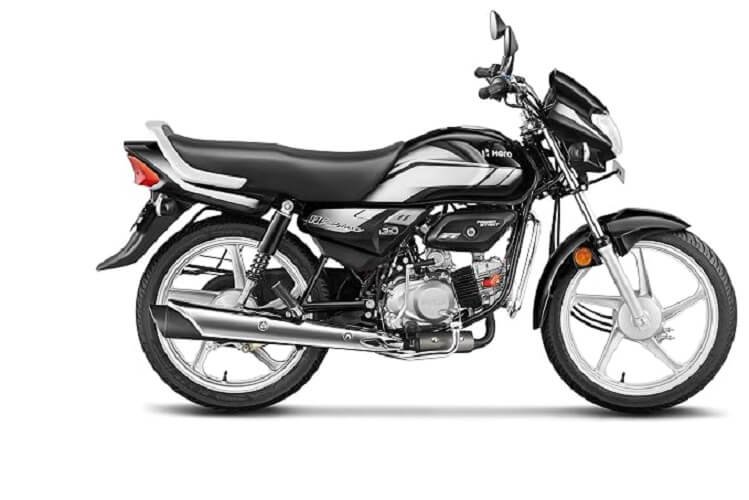
Hero MotoCorp HF Deluxe Drum – Black Grey
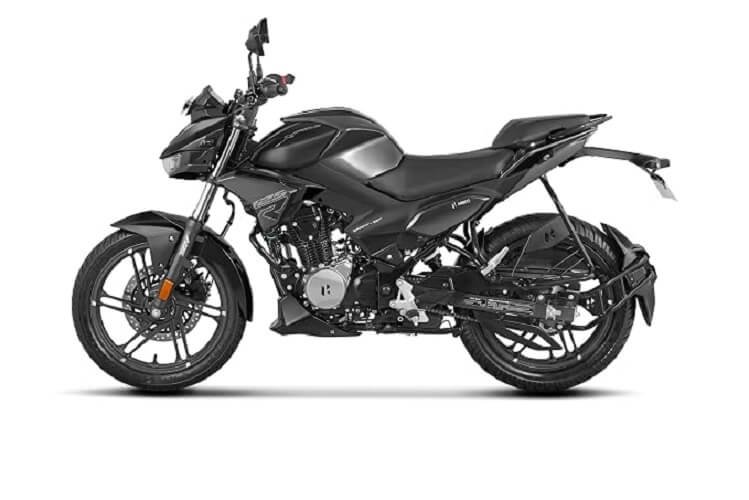
Hero MotoCorp XTREME 125R FI ABS SEAT DS (OBD2B) Motorcycles – Black
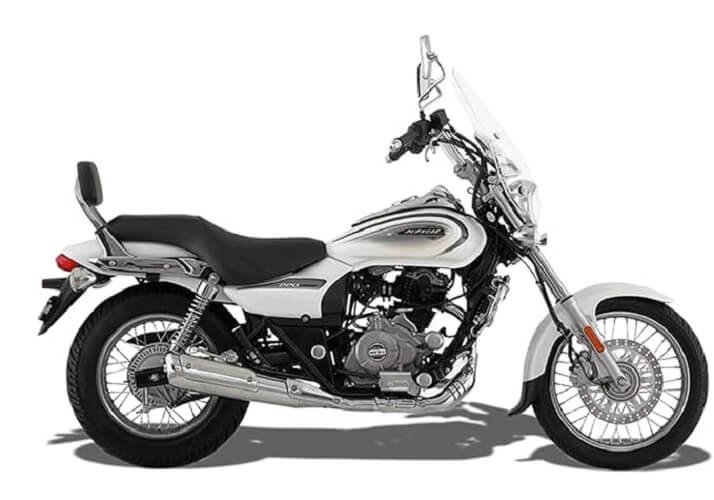
Bajaj Avenger 220 Cruise Motorcycle – Moon White
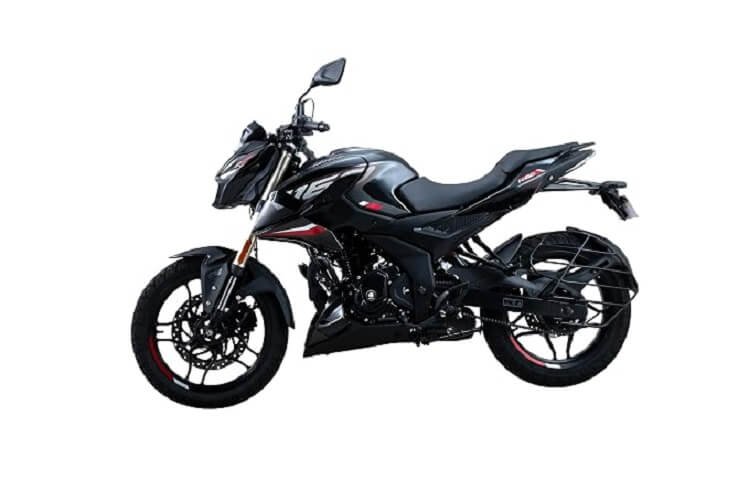
Bajaj Pulsar N 160 Ug Motorcycle – Brooklyn Black
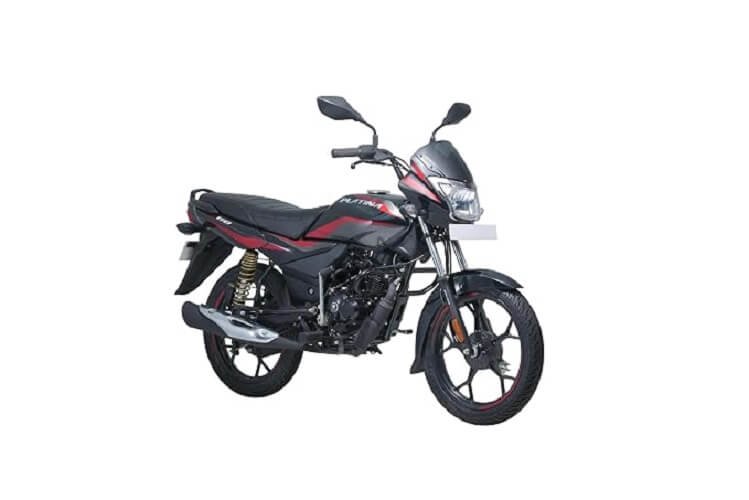
Bajaj Platina 110 Es Drum Motorcycle – Black Red
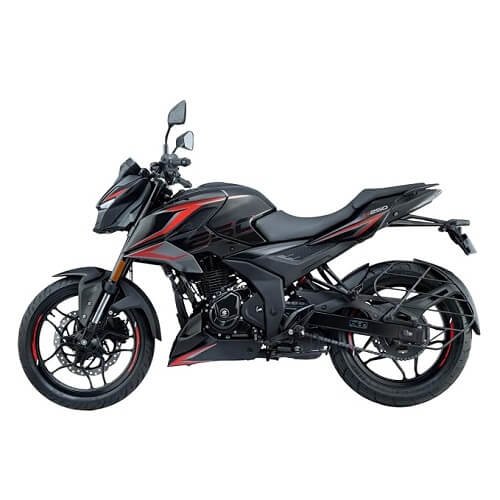
Bajaj Pulsar N 250 Ug Motorcycle – Brooklyn Black
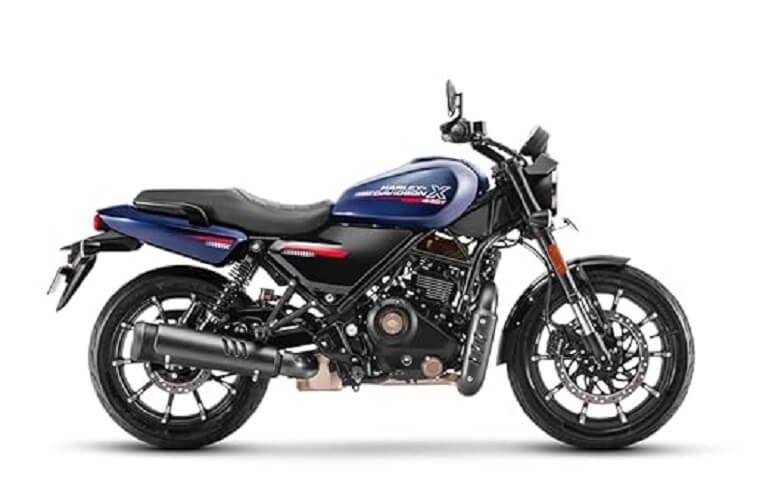
Harley Davidson X440 T 440cc Motorcycle – Pearl Blue
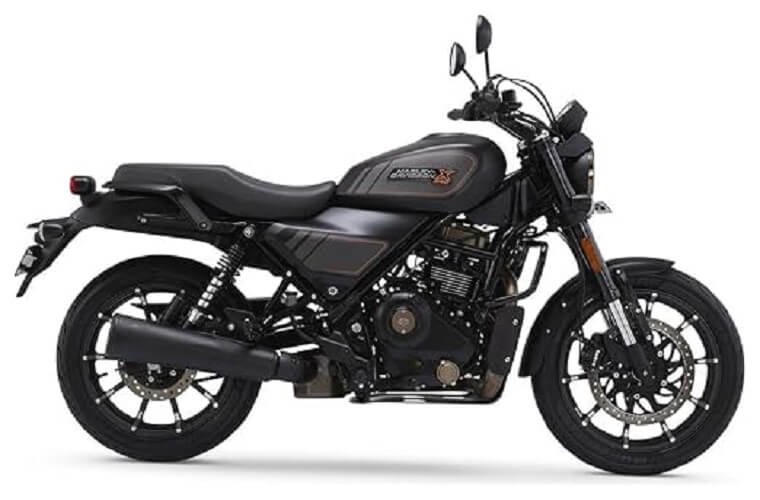
Harley Davidson X440 S 440cc Motorcycle – Matte Black
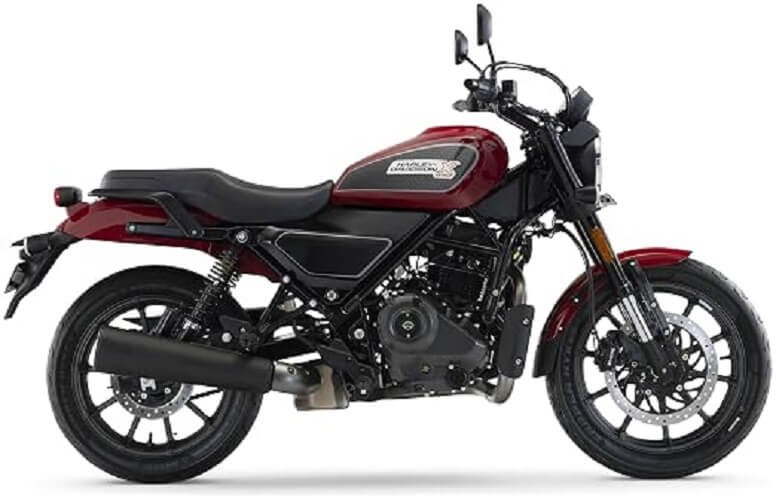
Harley Davidson X440 Vivid 440cc Motorcycle – Metallic Thick Red
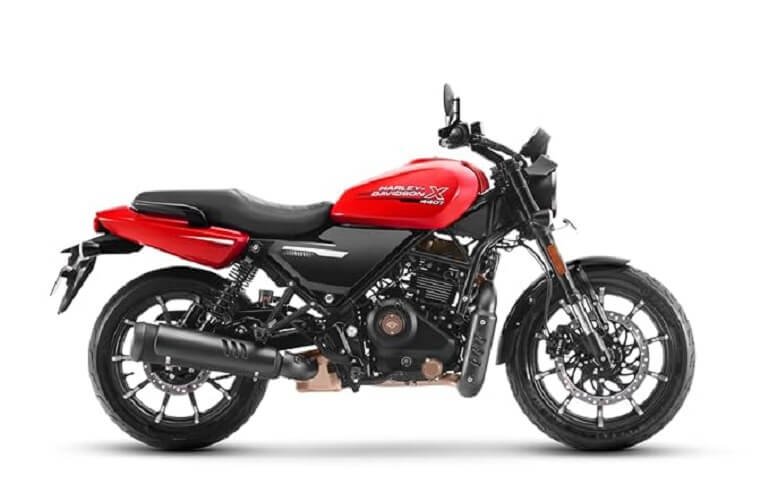
Harley Davidson X440 T 440 CC Motorcycle – Pearl Red
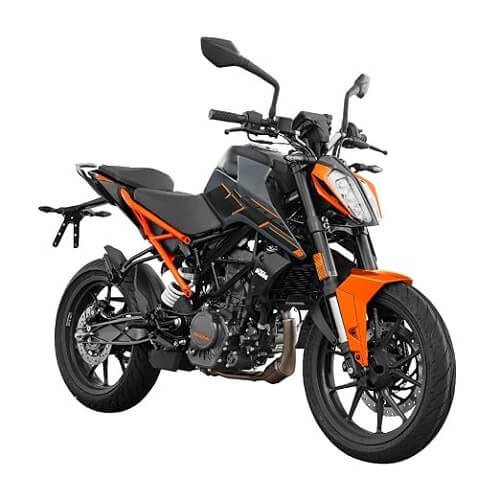
KTM Duke 200 PRO Bike – Dark Galvano Black
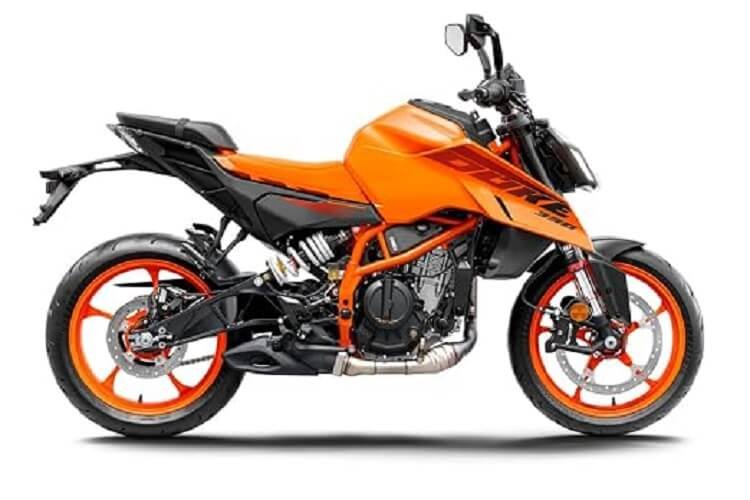
KTM Duke 390 R Bike – Electronic Orange
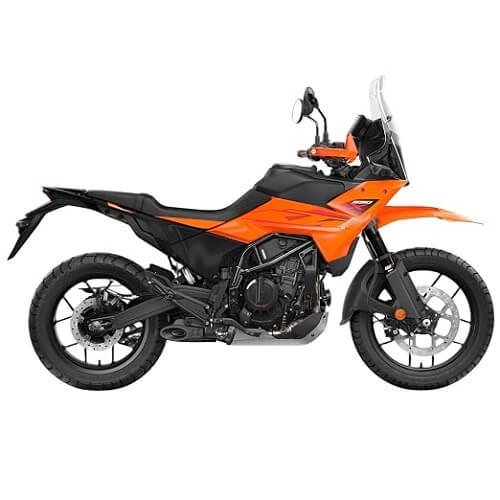
KTM Adventure X 390 Bike – Orange
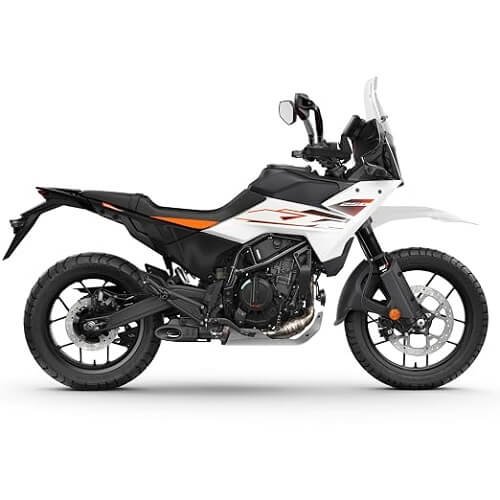
KTM Adventure 250 Bike – White
As an Amazon Associate, Neu Auto earns from qualifying purchases. When you purchase through one of the Amazon links above, Neu Auto may receive a commission at no additional cost to you.