

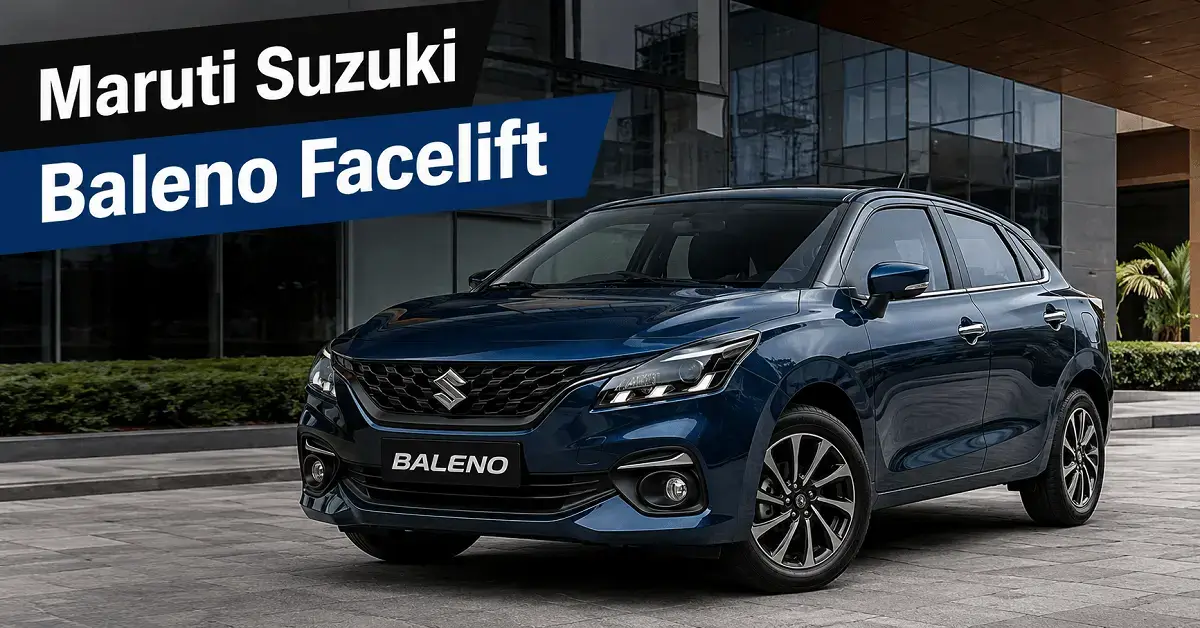
You are looking at India’s favorite family hatchback getting a massive upgrade next month. The new Maruti Suzuki Baleno facelift is set to launch on 5 September 2026, bringing fresh styling, new features, ADAS, and a new CNG-AMT option to the popular premium hatchback.
Key Highlights
- Launch date: 5 September 2026
- Expected price: Around ₹6 lakh to ₹9.50 lakh, depending on variant and source
- Powertrain: Petrol and CNG options expected
- Transmission: 5-speed manual and AMT options
- Major additions: ADAS and ventilated front seats
- Big mechanical update: CNG-AMT is reported to be coming for the first time in a Maruti Suzuki car
- Expected rivals: Tata Altroz, Hyundai i20 and Toyota Glanza
2026 Maruti Suzuki Baleno facelift Specifications

The 2026 Baleno facelift will remain a compact premium hatchback with a 2,520 mm wheelbase. Current reports point to a major powertrain change, the facelift will use the Swift’s 1.2-litre Z-Series 4-cylinder petrol engine. However, Currently lists a 1.2-litre naturally aspirated petrol engine with around 90hp and 113Nm. This difference matters, so you should wait for Maruti Suzuki’s final specification sheet before making a booking. Petrol versions are expected with a 5-speed manual and AMT. The facelift is also expected to offer CNG, with the new CNG-AMT setup being the standout update.
| Our Rating | Yet to be Reviewed |
| Mileage | 22.35 kmpl – 30.61 km/kg |
| Engine | 1197 cc |
| Fuel Type | CNG, Petrol |
| Transmission | Manual, AMT |
| Body Style | Hatchback |
| Doors | 5 |
| Max Power | 89.7 hp at 6000 rpm |
| Max Torque | 113 Nm at 4400 rpm |
Maruti Suzuki Baleno facelift Price & Variants
The Maruti Suzuki Baleno facelift is expected to continue with a similar variant line-up to the current model, with petrol and CNG options. The petrol version will be available with five-speed manual and AMT gearboxes, while the CNG version is expected to be offered only with the five-speed manual.
| Variants | On road price (Expected Price) |
| Maruti Suzuki Baleno facelift Petrol MT | ₹6.97 Lakh |
| Maruti Suzuki Baleno facelift CNG MT | ₹8.29 Lakh |
| Maruti Suzuki Baleno facelift Petrol AMT | ₹8.85 Lakh |
Maruti Suzuki Baleno facelift Mileage
Mileage is one of the Baleno’s strongest selling points, and the facelift should keep efficiency high. The current petrol manual is ARAI rated at 22.35 kmpl, while the petrol AMT is rated at 22.94 kmpl. The CNG manual is rated at 30.61 km/kg. User-reported figures are about 19.33 kmpl for the petrol manual, 20.25 kmpl for the petrol AMT and 26.51 km/kg for CNG. Your actual figure will change with traffic, tyre pressure, air-conditioning use and driving style. The new CNG-AMT could make the Baleno especially attractive if you want lower fuel costs without giving up the convenience of an automatic gearbox.
2026 Maruti Baleno Facelift: Top 5 Expected New Features
The facelift is not just a cosmetic update. Reports point to several useful upgrades aimed at making the Baleno feel more premium and easier to live with. Here are the five features worth watching before you decide whether to wait for the new model.
1. Level-1 ADAS: A First for Premium Hatchbacks
ADAS could be the biggest talking point of the 2026 Baleno facelift. The updated Baleno will bring ADAS features to the premium hatchback segment for the first time.
For you, the real benefit is not about having a flashy badge on the brochure. Driver assistance features can help reduce workload during certain driving situations, depending on the final system and calibration. You should still treat ADAS as a support system, not as self-driving technology. Maruti has not yet published the complete feature list, so details such as adaptive cruise control, lane support and automatic emergency braking should be checked at launch.
2. Ventilated Front Seats: A Boon For Indian Summers!
Ventilated front seats could be one of the most useful additions for Indian buyers. Confirmed ventilated front seats for the facelift, a feature that is particularly useful during hot summer months. Sweaty backs during hot, humid summer afternoons are gone. The cooling seat fans blow cool air directly through the seat cushions to keep you completely fresh.
3. Wireless Phone Charger: The Cable-Free Cabin
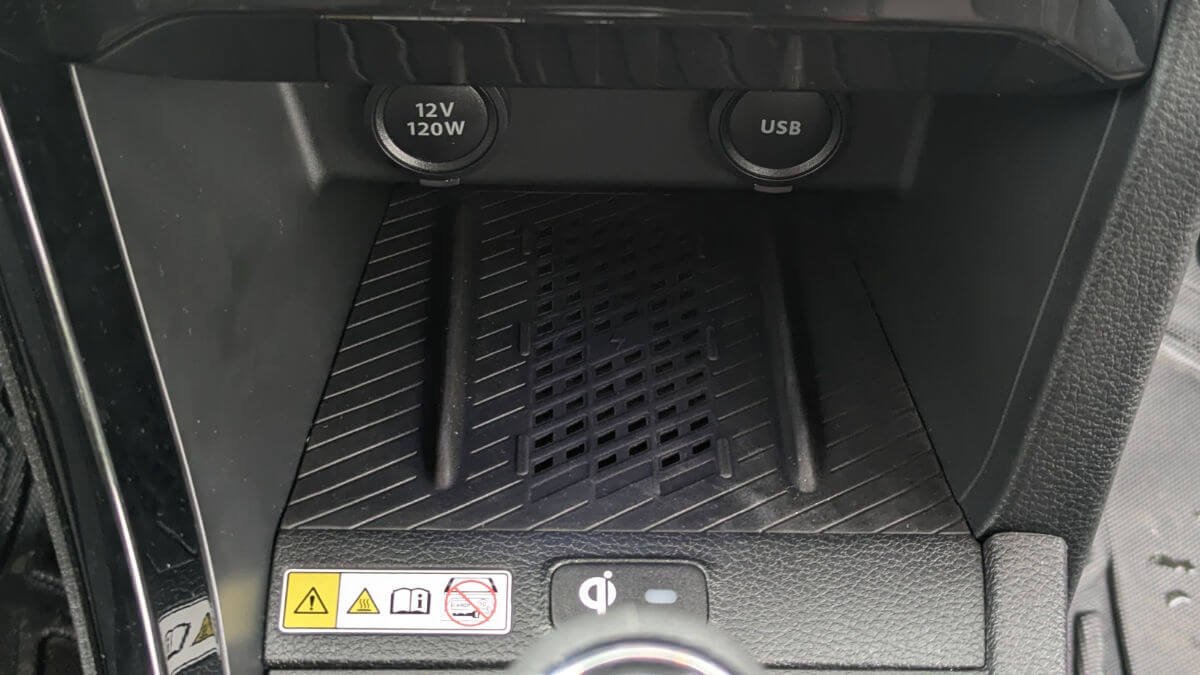
A wireless phone charger is expected to be part of the facelift’s cabin technology package, although its final availability and variant placement should be confirmed when Maruti reveals the complete equipment list. The idea is simple: place your compatible phone on the charging pad and avoid carrying a charging cable every time you drive.
The bigger story is the move toward a cleaner, more connected cabin. The existing Baleno already offers wireless connectivity on higher variants, while the facelift is expected to build on that technology. If you use navigation, music and calls regularly, fewer cables around the center console can make daily driving much easier.
4. Larger Touchscreen and Updated Cabin Tech
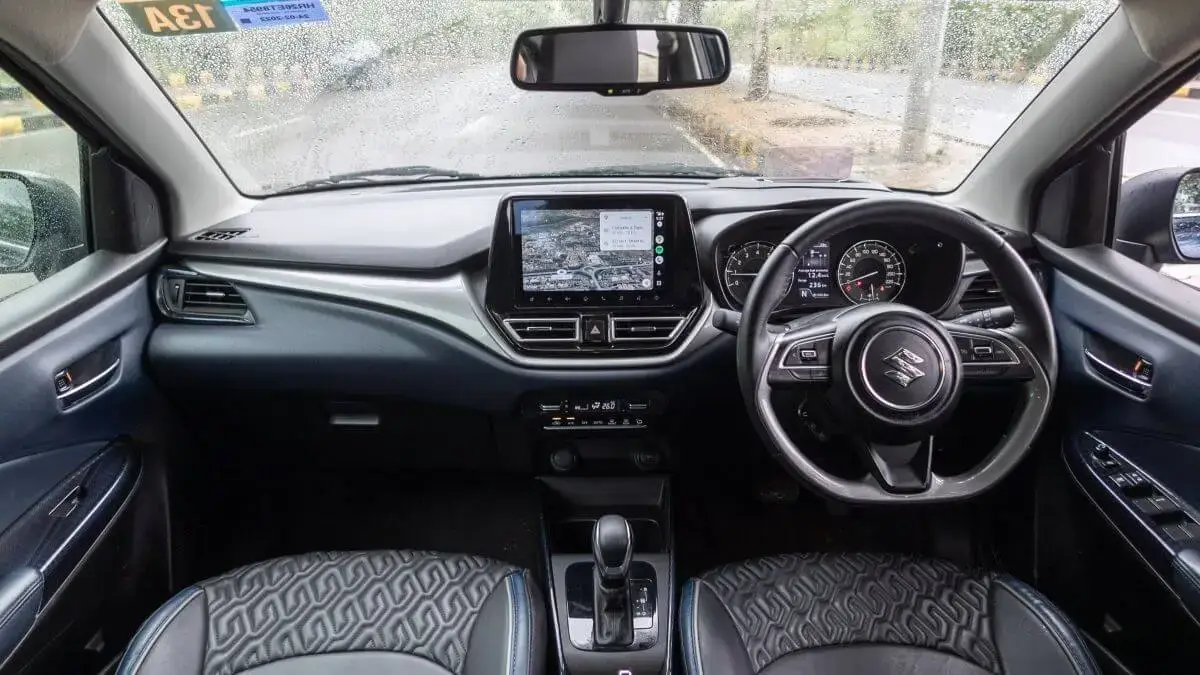
The Baleno already uses a 9-inch touchscreen on higher variants, so the facelift’s cabin update needs to be more than a bigger display to feel meaningful. Earlier reports have pointed toward bigger screens and additional cabin technology, while the latest reports suggest the basic dashboard layout will remain familiar.
5. Factory CNG-AMT: Efficiency With Convenience
This could be the Baleno facelift’s most practical upgrade. The new model will introduce a CNG-AMT combination, which would be a first for a Maruti Suzuki car. The CNG version is also expected to retain a 5-speed manual option.
What is the 2026 Maruti Suzuki Baleno facelift changing?
The facelift appears to focus on useful upgrades rather than a complete redesign. You can expect a revised front grille, reprofiled bumpers, new alloy wheel designs and possible new colours. The headlamps, tail lamps and overall dimensions are expected to remain largely unchanged. Inside, new upholstery and a refreshed dual-tone theme should give the cabin a fresher look.
Why should you wait for the new Baleno?
You should wait if you want the latest features and can delay your purchase until September. ADAS, ventilated seats and CNG-AMT could make the facelift much more attractive for family buyers. On the other hand, if you find a strong discount on the current Baleno, the outgoing model remains a sensible buy because it already offers good mileage, a spacious cabin and a large Maruti service network.
Real Owner Experiences
“My daily office commute through Gurgaon traffic gives me 16.5 km/l easily. The cabin feels super quiet and my parents love the comfortable rear seat.”
– Amit Verma (Delhi, 2 Years with Baleno)
“The 360-degree camera makes parking in tight mall basements effortless. Maruti service costs are also very light on my pocket.”
– Priya Nair (Kochi, 1 Year with Baleno AMT)
This updated Baleno delivers unmatched cabin room, rock-solid mileage, and fresh technology for Indian families. It hits every sweet spot if you want low maintenance, high resale value, and worry-free reliability.
Final Verdict
The 2026 Maruti Suzuki Baleno facelift looks more interesting than a simple styling update. The reported ADAS, ventilated seats and CNG-AMT combination could address several things Indian family buyers actually care about: comfort, safety support and running costs.
For now, keep one thing in mind: the car has not launched yet, so some specifications, variant features and prices remain unconfirmed. If you can wait until 5 September 2026, you will have the full picture before spending your money. If a heavily discounted outgoing Baleno appears at your local Nexa dealer, however, it is still worth comparing the numbers.
Frequently Asked Questions
Is the Maruti Suzuki Baleno facelift coming?
Yes. Maruti Suzuki has announced 5 September 2026 as the launch date for the updated Baleno in India. Reports indicate revised styling, feature upgrades, and petrol and CNG powertrain options.
Is it worth buying the Baleno in 2026?
It can be a strong choice if you want good fuel economy, a spacious cabin, easy city driving, and Maruti’s wide service reach. If you are buying soon, compare the outgoing model’s discounts with the facelift before making your decision.
What is the expected price of the Maruti Suzuki Baleno 2026 facelift?
Current estimates put the expected ex-showroom price around ₹6 lakh to ₹9.50 lakh. The facelift could carry a modest premium over the current model. Final prices will be announced at launch.
Is the new Baleno coming in 2026?
Yes. The updated Baleno is scheduled to launch on 5 September 2026. It will remain a premium hatchback and is expected to compete with cars such as the Tata Altroz and Hyundai i20.
Is Baleno better than Swift?
The Baleno is the better fit if you want a larger-feeling cabin, more space, and a premium hatchback experience. The Swift is smaller and more compact for city use. The facelift is also expected to use the Swift’s Z-Series engine, so the final specifications will be important for a direct comparison.
What is Baleno’s mileage?
The current Baleno is ARAI rated at 22.35 kmpl with petrol manual, 22.94 kmpl with petrol AMT, and 30.61 km/kg with CNG manual. Real-world mileage is lower and depends on traffic, driving style, road conditions, and AC use.

Rate This Article
Be the first to rate this article
Thanks for rating!
All Car Brands
View all brands →
















More Updates



Handpicked Accessories for Every and Journey
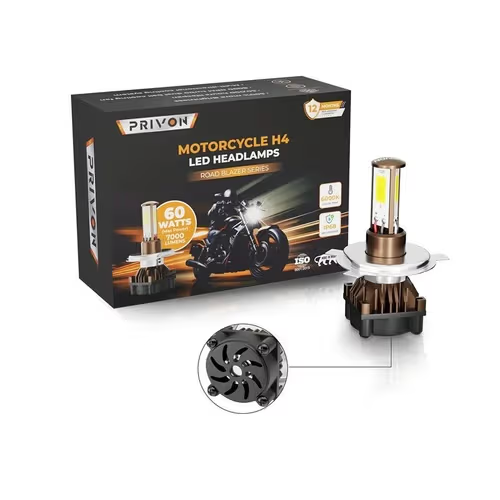
PRIVON 60W H4 LED Headlight for Bike – 7000L, 6000K White LED Light for Night Ride
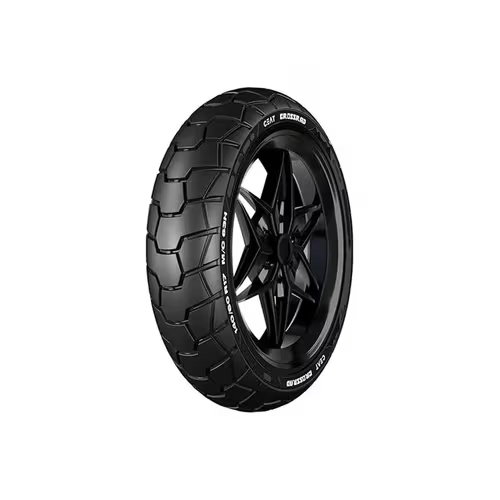
Ceat Zoom Rad 140/60 R17 63P Tubeless Bike Tyre

ShineXPro Helmet Cleaner & Microfiber Cloth – Anti Bacterial Foaming Helmet Cleaning Spray
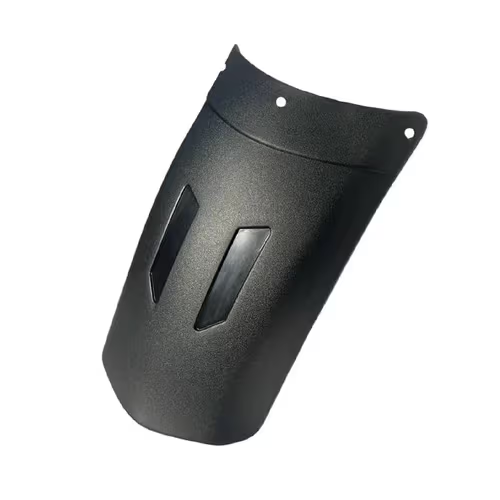
Universal Front Fender Mudguard Extender Extension Fits for Motorcycle

Boldfit Full Face Helmet Mask for Bikers in Riding UV Protected
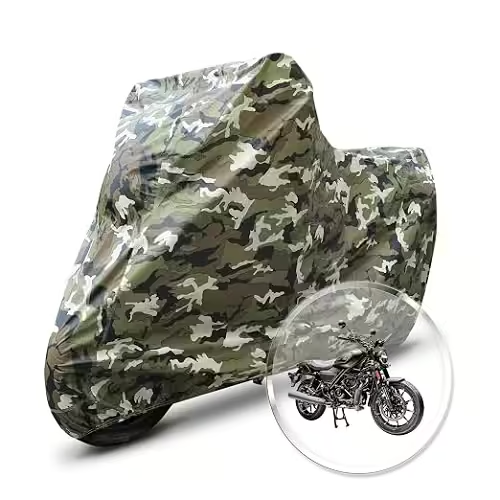
Neodrift JungleMax Bike Cover for Harley-Davidson X440
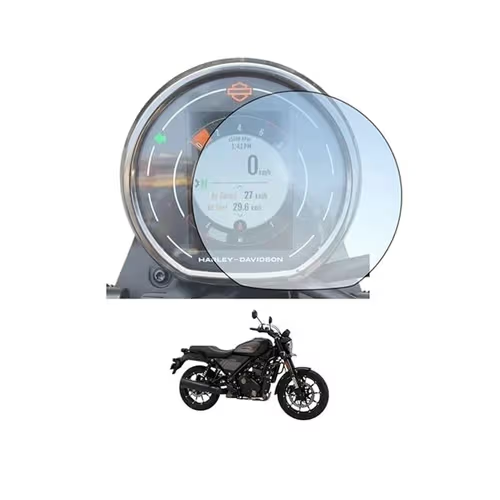
Wisely Pack 2 Screen Guard for Harley Davidson X440T Bike – Instrument Cluster Accessories
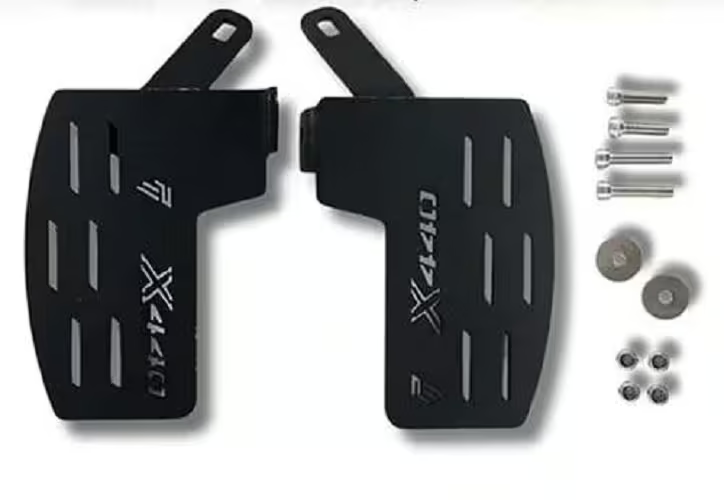
PHANTOM Premium Adjustable Footrest for Harley – Motorcycle Accessory for Touring & City Riding
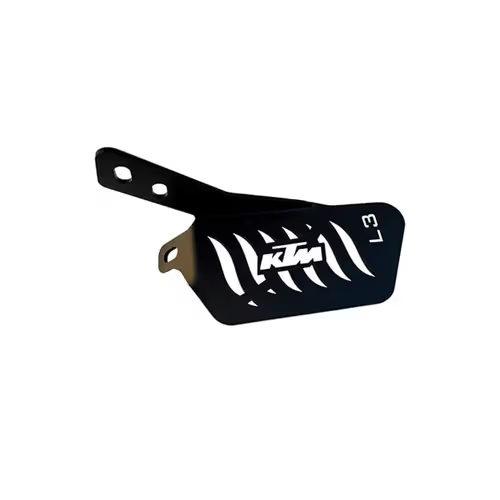
L3 MODZ Ladies Foot Rest for KTM Duke (BS6 Gen2) Models
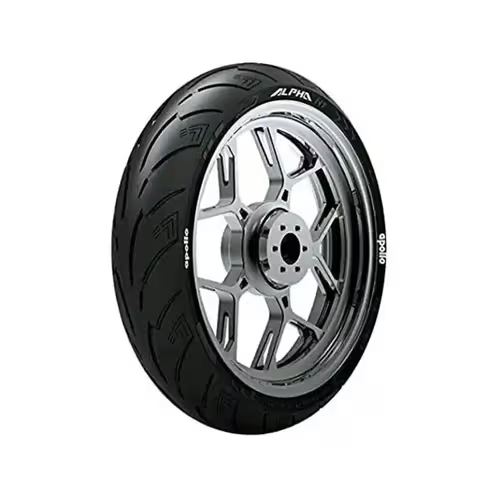
Apollo Alpha S1 130/70 R17 62H Radial Tubeless Bike Tyre
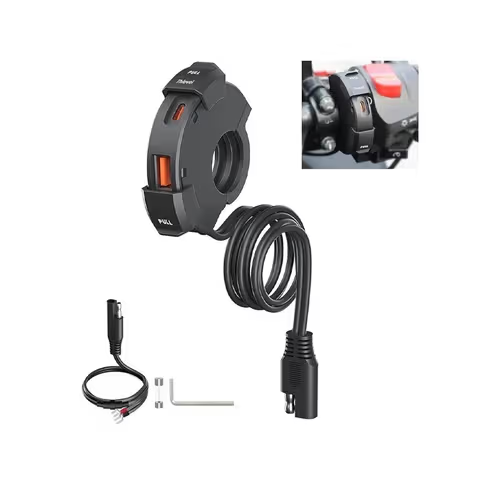
30W Motorcycle Type-C USB Phone Charger with PD & Quick Charge
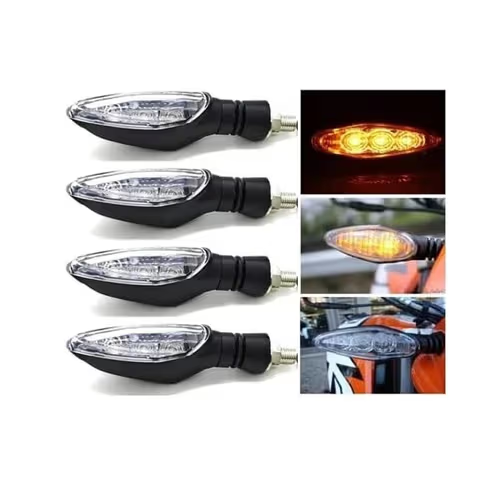
ELTRON TURBO Turn Signal Indicator Lights Compatible for KTM

Steelbird SBA 7 7Wings Flip-Up Helmet for Men with Skull Cap
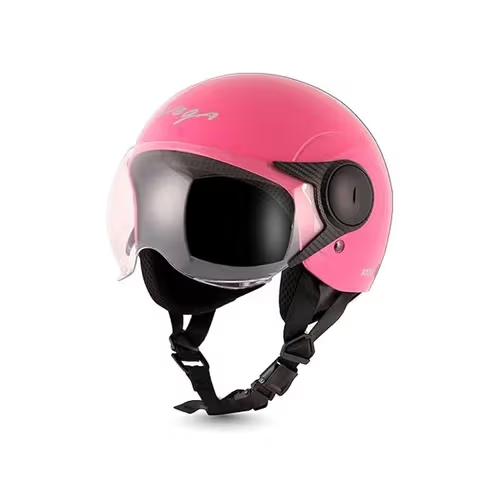
Vega Atom Open Face Helmet with Clear Visor, Black
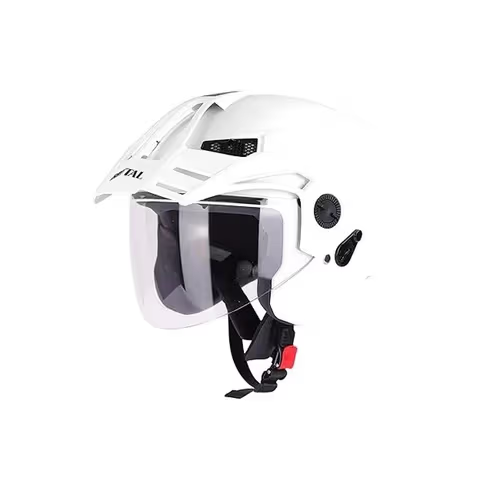
Steelbird SBH-23 Brutal Open Face Helmet with Skull Cap
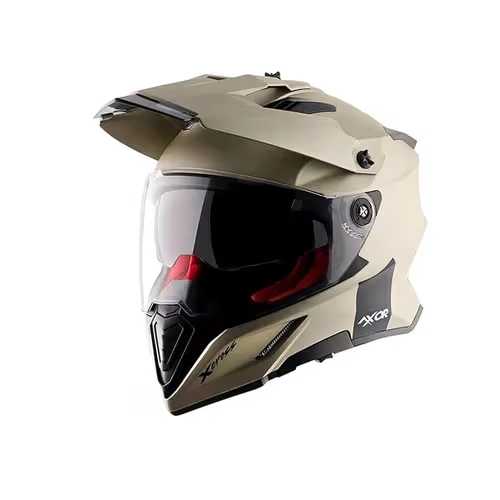
Axor X Cross Dual Visor Full Face Off-Road Helmet – Dull Black Orange

Probiker Protective Full Finger Bike Riding Gloves – Motorcycle, Cycling, and Hiking

XTRIM Protekt Universal Bike Riding Gloves for Men – Black, Red

Rynox Air GT Leather Motorcycle Riding Gloves – Cuff Length | Grey Red
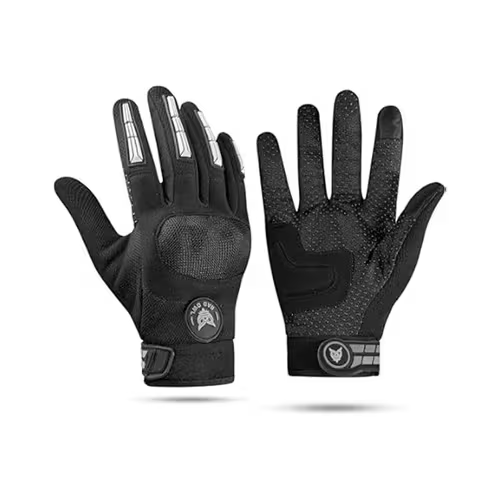
BADOWL RYDON Knuckle Protection Riding Gloves – Touchscreen Sports Gloves

Microfiber Car Duster with Long Handle Cleaning Brush

Robustt Car Interior Cleaning Brush Combo – Scratch Free Car Duster

ORJILO 5-Piece Microfiber Car Duster Kit – Extendable Long Handle Duster for Car
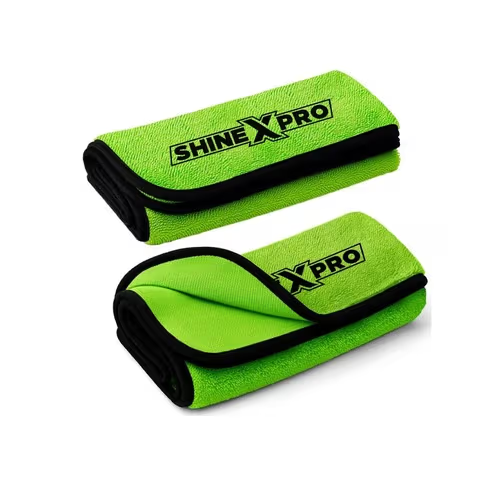
ShineXPro Microfiber Car Cleaning Cloth (500 GSM, Extra Large (35×75 CM))

Wavex Tyre Polish for Car & Bike (1L) – With Applicator and Microfiber Cloth

ShineXPro Glass Cleaner Spray (300 ml) – Streak Free Car Glass Cleaner Liquid
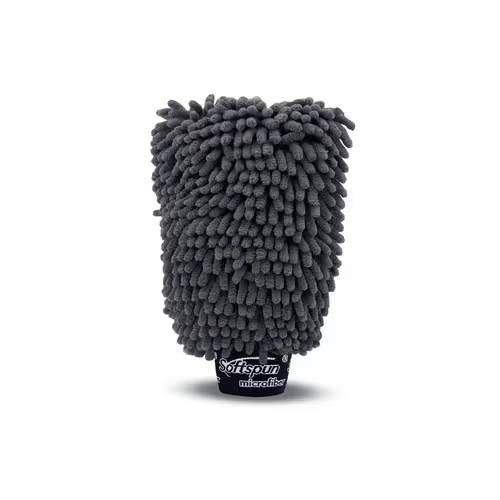
SOFTSPUN Microfiber Chenille Wash Mitt (1700 GSM)
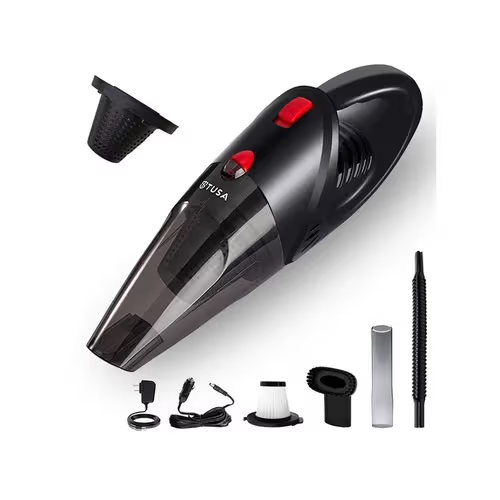
Tusa V1 Cordless Vacuum Cleaner for Car – High Power Portable Lightweight Wireless Vacuum

SOFTSPUN Microfiber Cloth (40×40 cm, 340 GSM) – Automotive Microfibre Towels for Car

SEZNIK 4-in-1 Cordless Vacuum Cleaner & Blower

GOODAIR Royal Premium Non-Electric Car Air Purifier
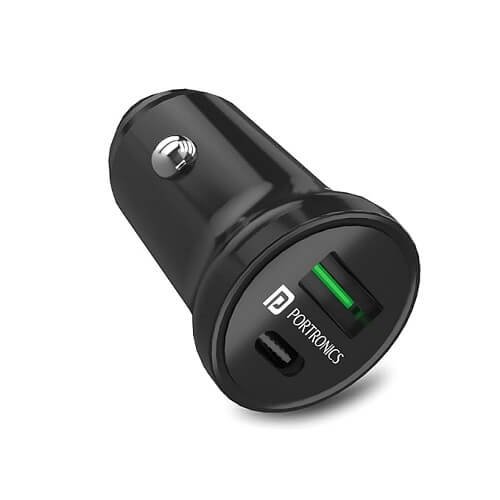
Portronics 38W Dual Output Fast Car Charger with 20W Type-C PD & 18W USB with Cars for iPhone
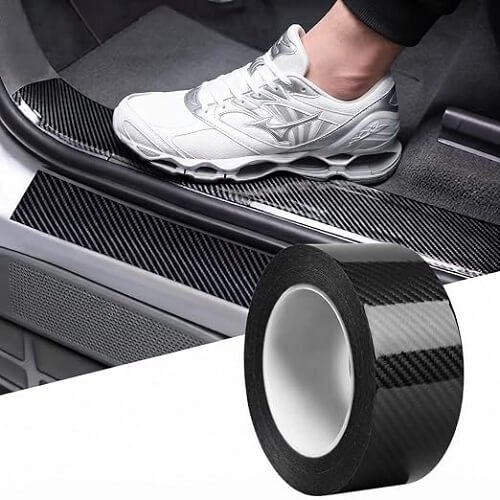
AutoBizarre High Gloss Carbon Fibre Paint Protection For Car
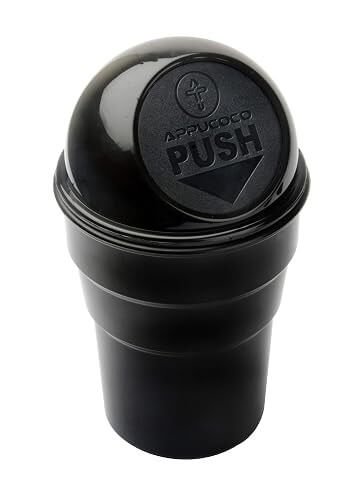
APPUCOCO Mini Car Trash Bin – Black
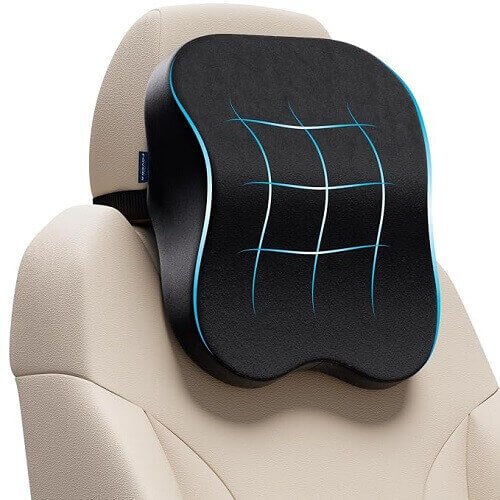
FOVERA Memory Foam Car Neck Rest Pillow – Medium, Black
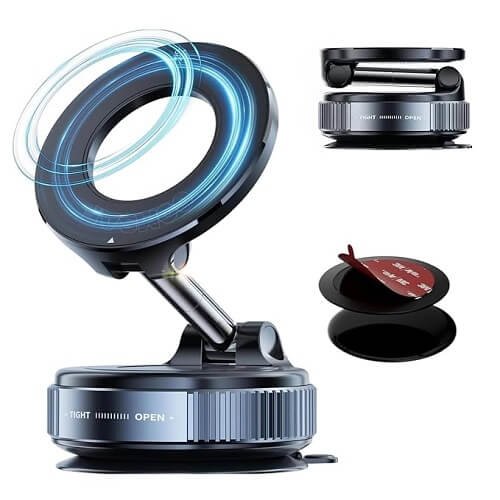
360° Vacuum Magnetic Car Phone Mount – Strong Suction Cup Phone Holder for Car
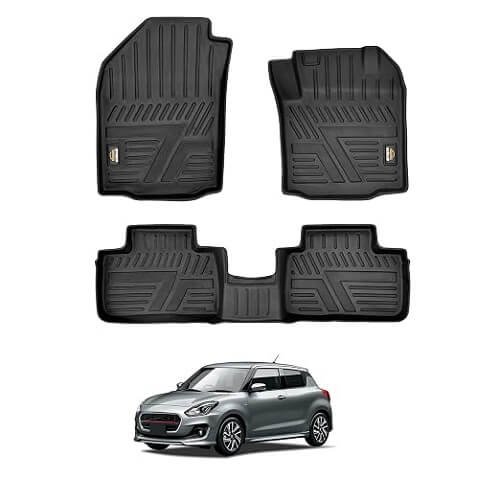
Amazon Basics 5D Custom Fit Car Floor Mats for Swift Facelift
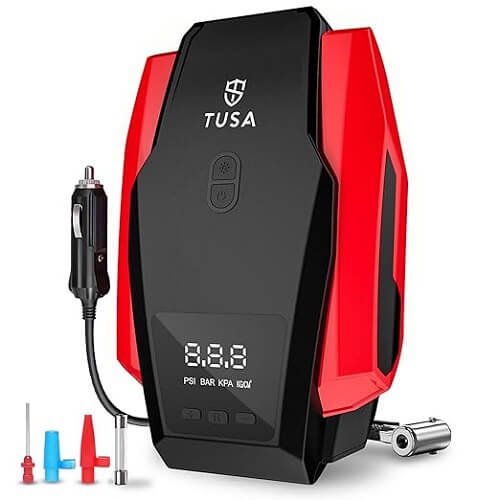
TUSA Drive X 12V DC Portable Tyre Inflator – 150 PSI, Air Compressor
![Qubo Dashcam Pro 4K [2026 Edition] – Dual Channel | ADAS | Ultra-Wide 8MP UHD+ Front, 2MP FHD Rear](https://neudeals.co/wp-content/uploads/2026/09/Qubo-Dashcam-Pro-4K-Sensor.jpg)
Qubo Dashcam Pro 4K [2026 Edition] – Dual Channel | ADAS | Ultra-Wide 8MP UHD+ Front, 2MP FHD Rear
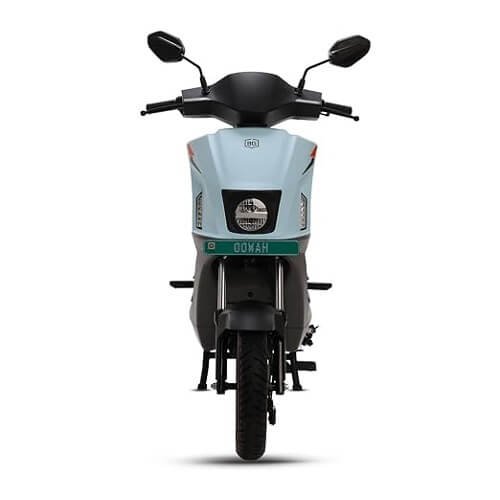
Oowah EX Electric Scooter – Removable Lithium-ion Battery , Laguna Blue
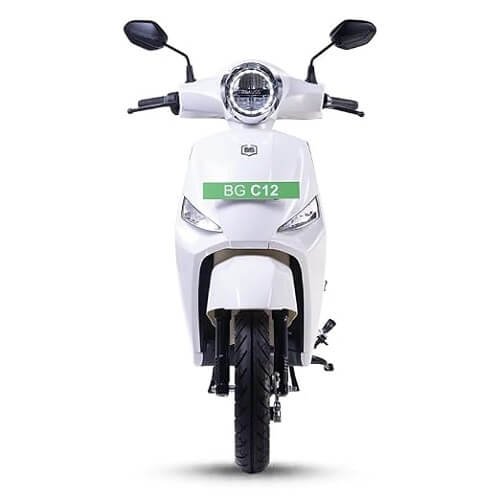
BG C12i EX Gen 2 Electric Scooter – Removable 2.0 kWh LFP Battery, 60 km/h Top Speed
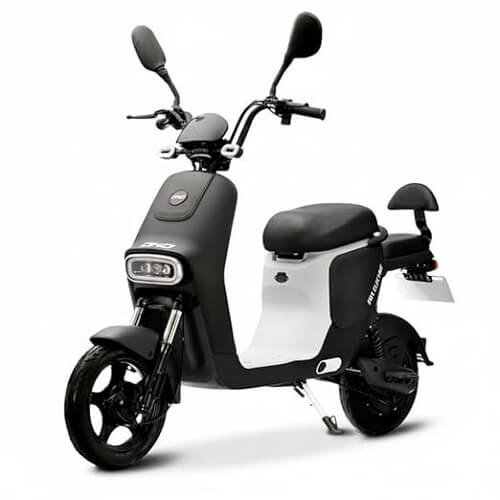
EOX OKO Electric Scooter – Removable Lithium Battery, 40-50 km Long-Range
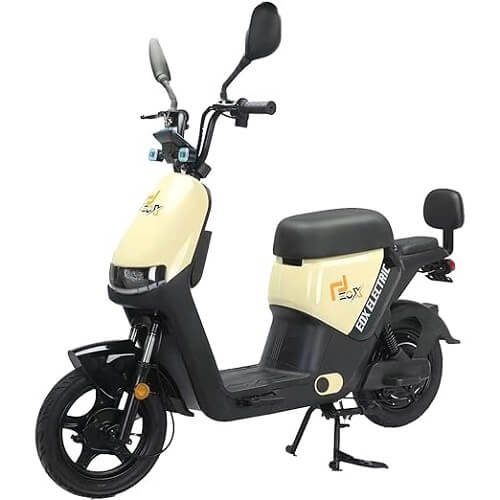
EOX OLO Low Speed Electric Scooter – 45Km Mileage, Pastel Yellow & Black
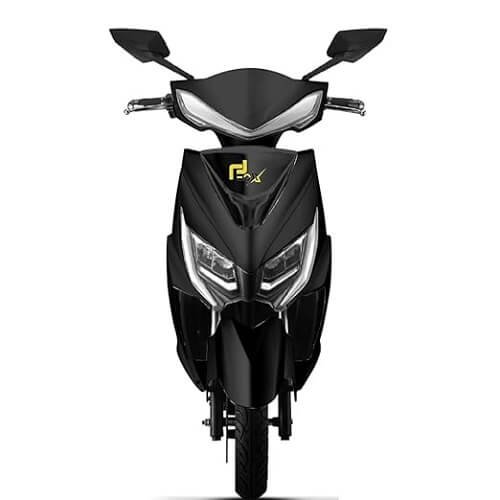
EOX E2 Low Speed Electric Scooter – 60-70Km Range, Portable Lithium Battery
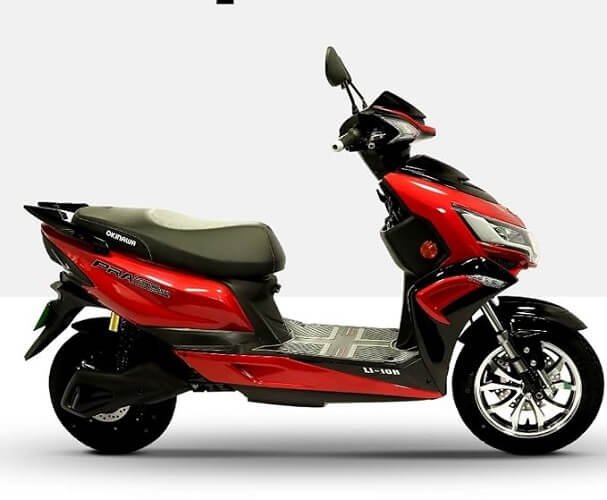
Okinawa Praise PRO Electric Scooter – Li-Ion Battery
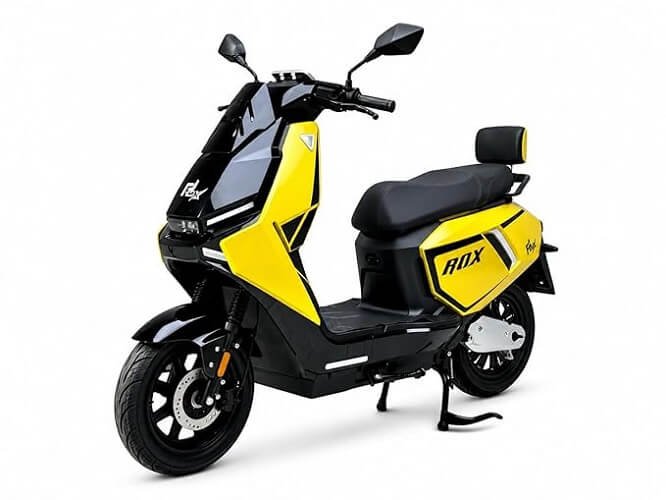
EOX® ROX Electric Scooter – 48V Removable Lithium Battery, 50-60 km Long-Range
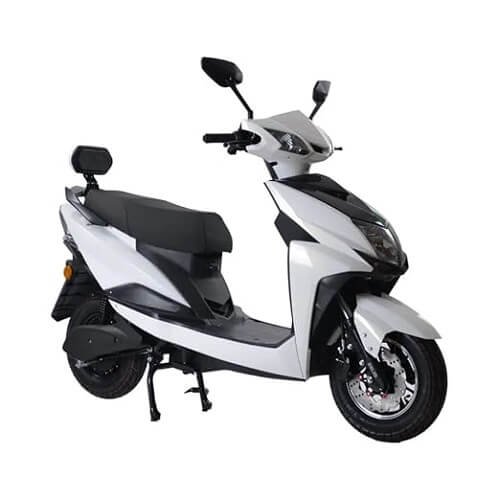
MIOOX Electric Scooter – 51.8V 28AH Range 55-65km Front Disc
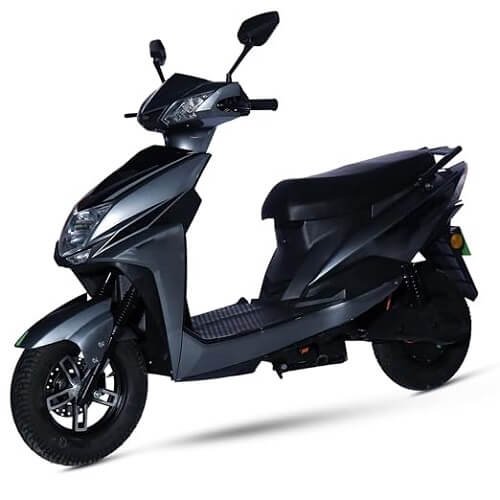
AMO Low Speed Electric Scooter – 60-70 Km Range in Grey
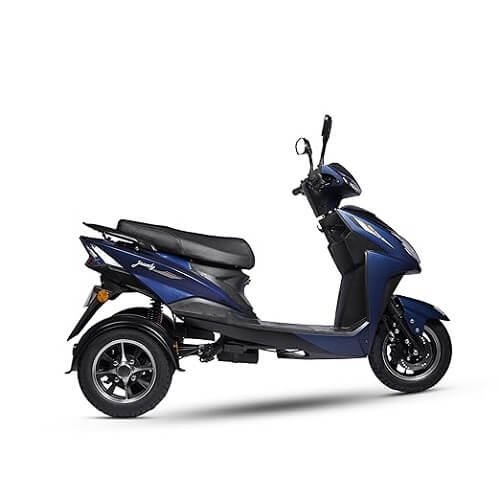
AMO Jaunty 3W Low-Speed Electric Scooter – Blue and Black
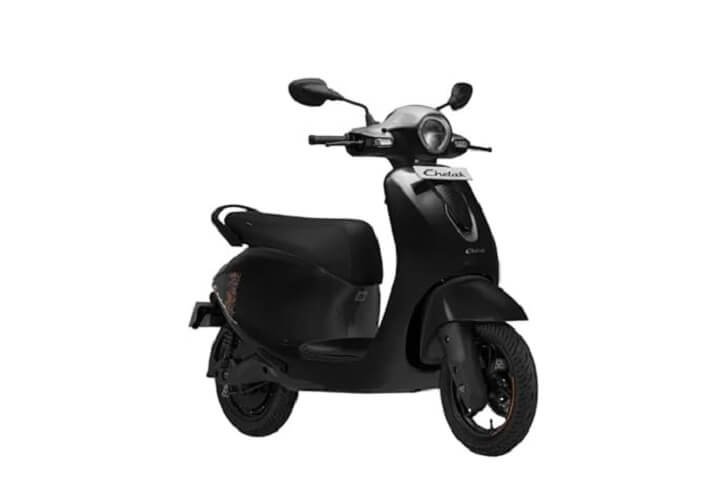
Bajaj Chetak C2501 Electric Scooter – Glossy Active Black
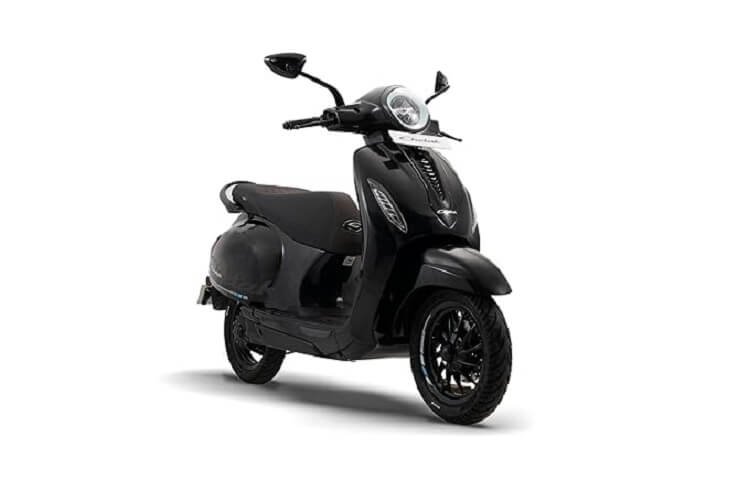
Bajaj Chetak C3501 Electric Scooter – Brooklyn Black
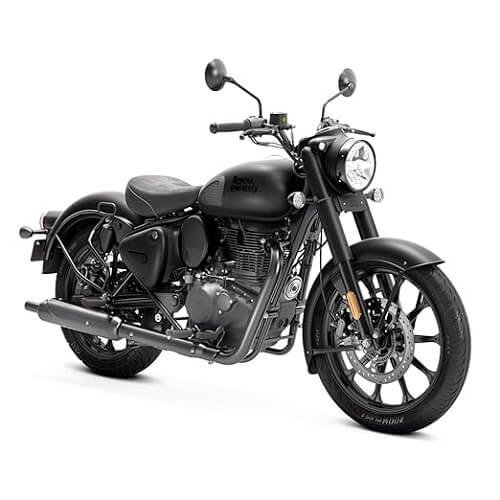
Royal Enfield Classic 350 with Disc & Alloy Wheels Motorcycle – Stealth Black
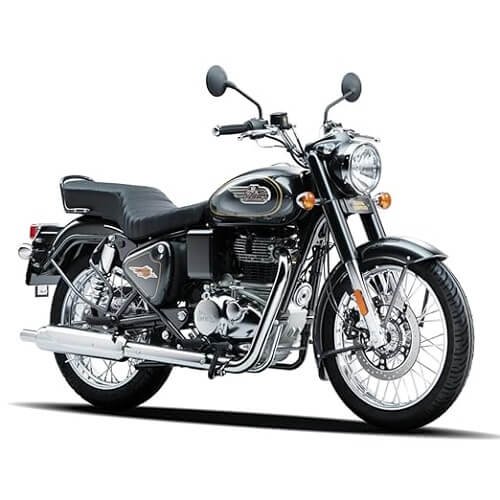
Royal Enfield Bullet 350 Disc & Spoke Wheel Motorcycle – Battalion Black
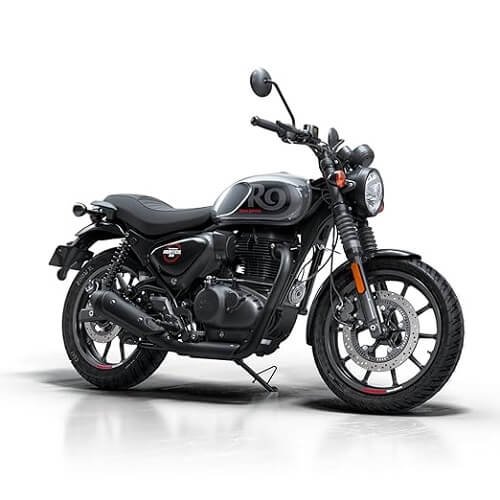
Royal Enfield Hunter 350 with Disc & Alloy Wheels Motorcycle – Dapper Grey
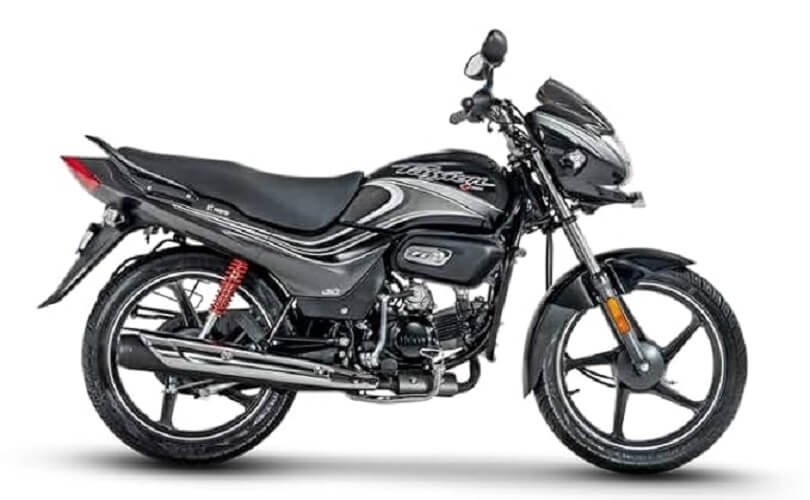
Hero MotoCorp Passion+ i3S Drum – Black Heavy Grey
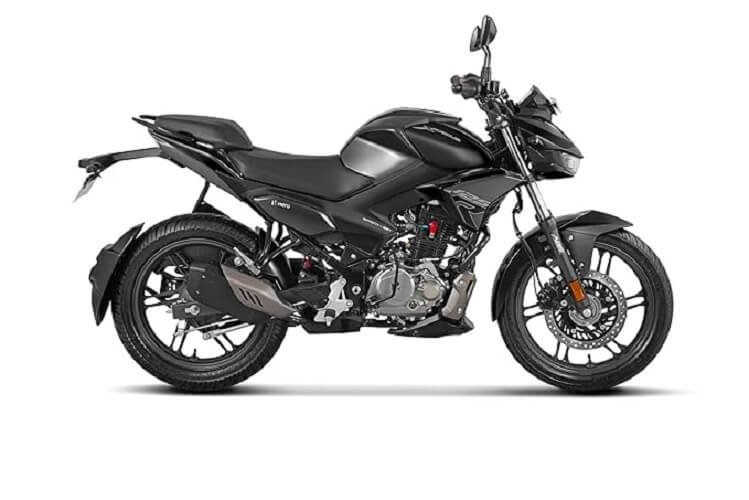
Hero MotoCorp XTREME 125R Bike(ABS) – Stallion Black
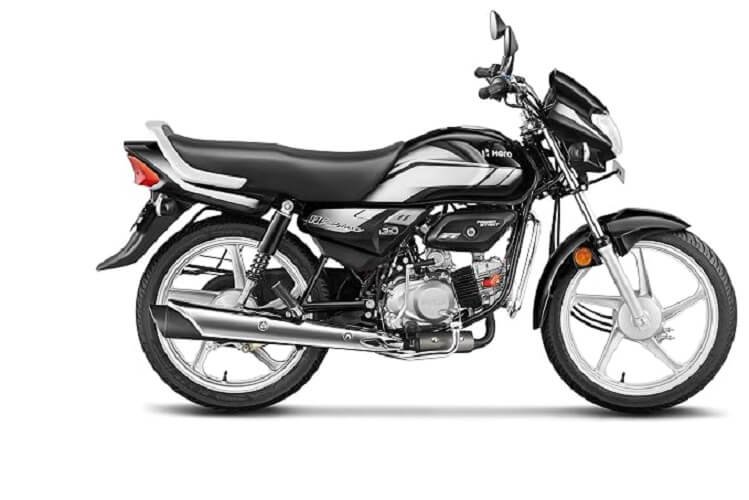
Hero MotoCorp HF Deluxe Drum – Black Grey
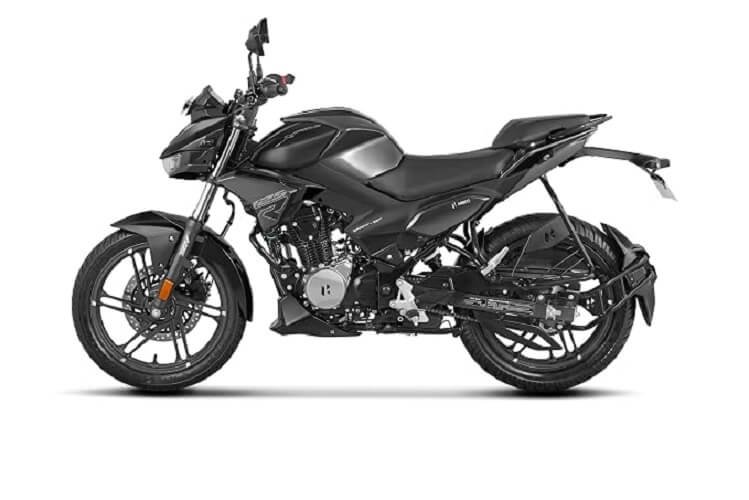
Hero MotoCorp XTREME 125R FI ABS SEAT DS (OBD2B) Motorcycles – Black
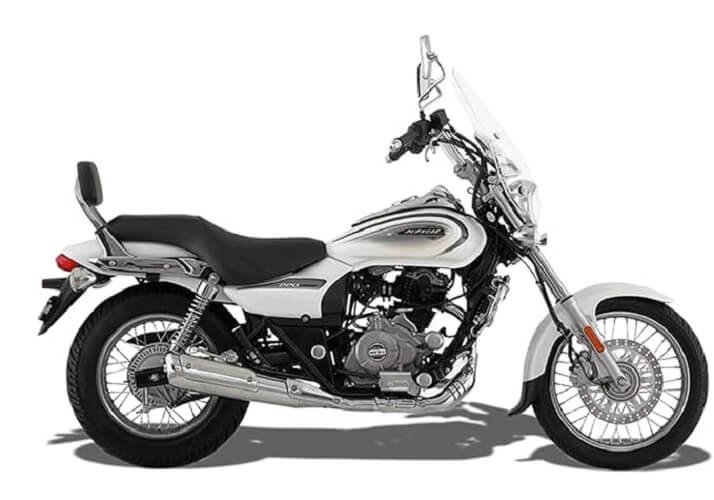
Bajaj Avenger 220 Cruise Motorcycle – Moon White
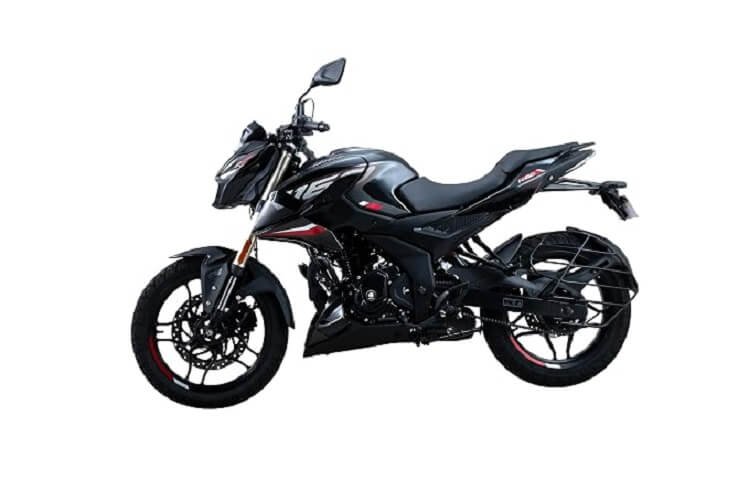
Bajaj Pulsar N 160 Ug Motorcycle – Brooklyn Black
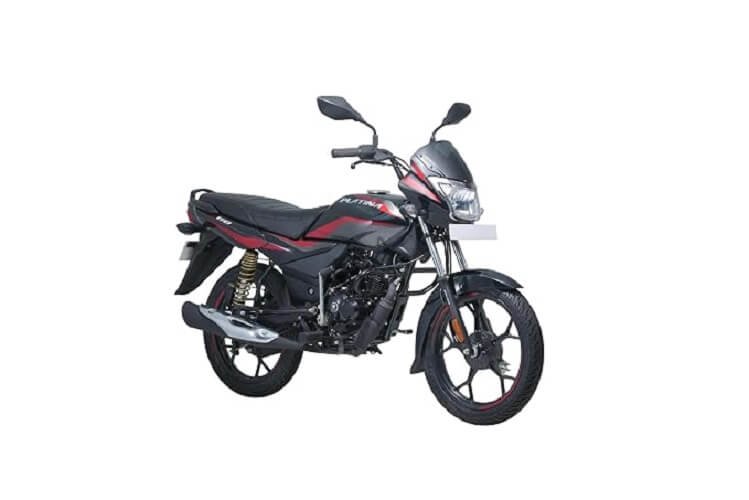
Bajaj Platina 110 Es Drum Motorcycle – Black Red
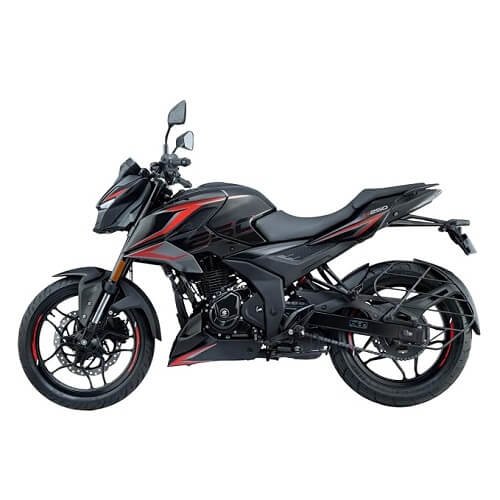
Bajaj Pulsar N 250 Ug Motorcycle – Brooklyn Black
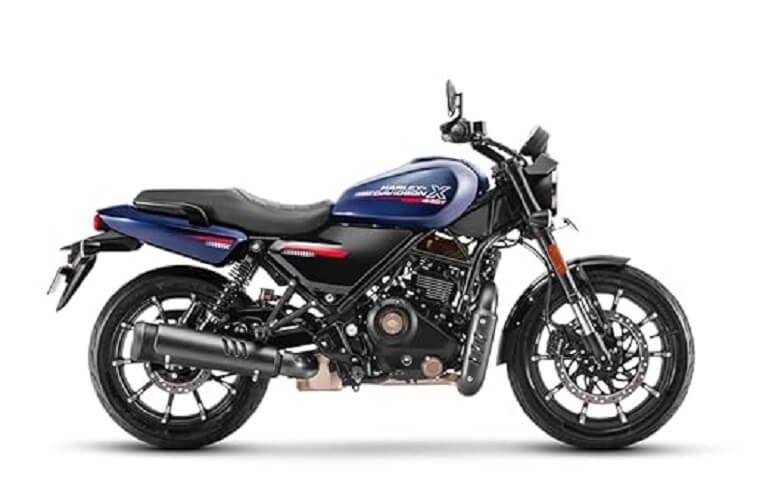
Harley Davidson X440 T 440cc Motorcycle – Pearl Blue
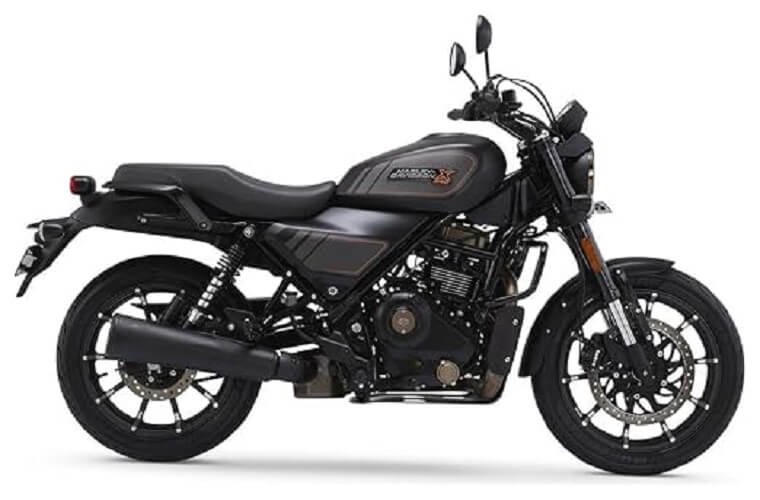
Harley Davidson X440 S 440cc Motorcycle – Matte Black
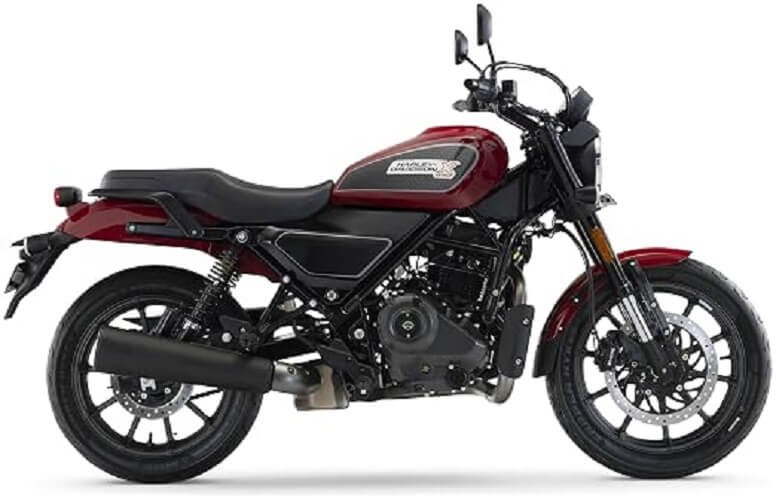
Harley Davidson X440 Vivid 440cc Motorcycle – Metallic Thick Red
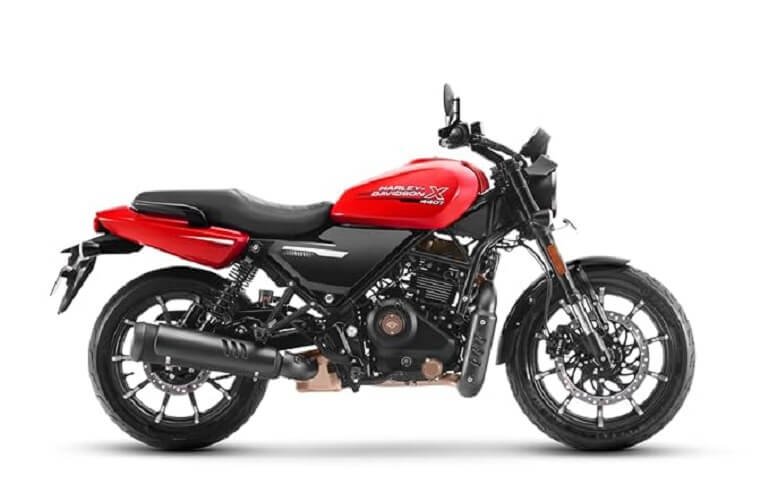
Harley Davidson X440 T 440 CC Motorcycle – Pearl Red
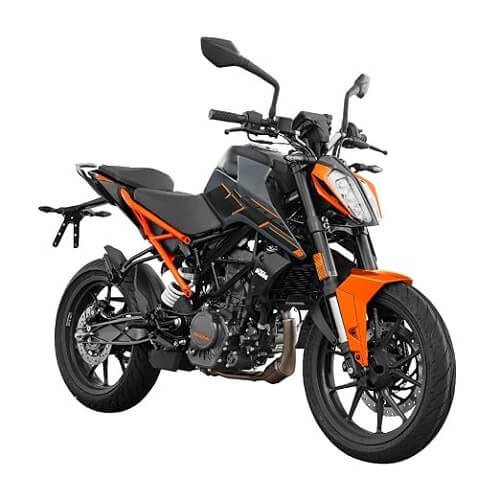
KTM Duke 200 PRO Bike – Dark Galvano Black
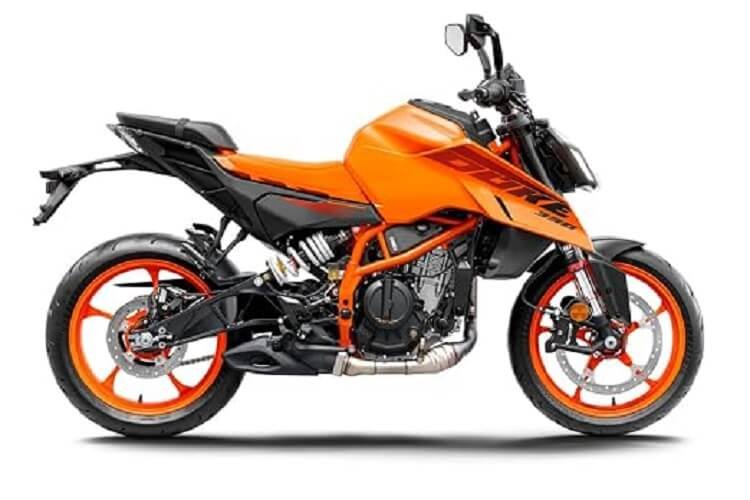
KTM Duke 390 R Bike – Electronic Orange
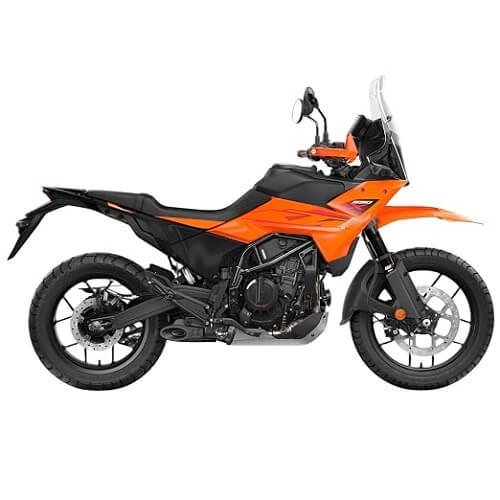
KTM Adventure X 390 Bike – Orange
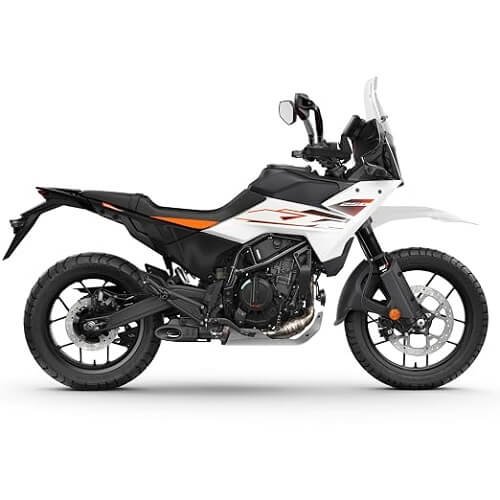
KTM Adventure 250 Bike – White
As an Amazon Associate, Neu Auto earns from qualifying purchases. When you purchase through one of the Amazon links above, Neu Auto may receive a commission at no additional cost to you.